

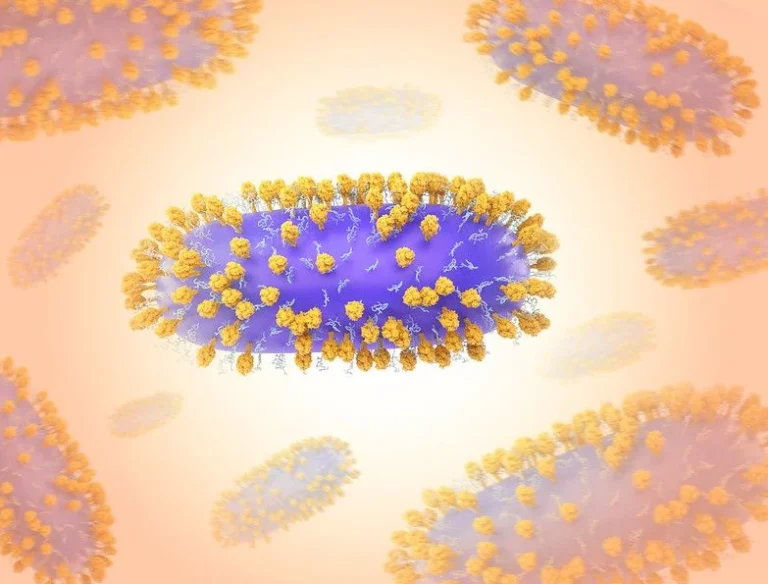

For generations of pediatricians and young parents, respiratory syncytial virus (RSV) represented an unavoidable winter terror, overwhelming pediatric intensive care units year after year: today, breakthrough RSV immunization for infants and the rollout of long-acting monoclonal antibodies have shattered historical infection curves. Groundbreaking epidemiological surveillance data from Denmark’s Statens Serum Institut (SSI) alongside clinical registries across Europe and North America reveal that infant hospitalization rates plummeted from an average of 39.3 down to 9.9 per 1,000 babies. This monumental public health triumph signifies a transformative dawn in safeguarding fragile newborn respiratory health.
Why RSV Immunization for Infants Represents a Historic Scientific Triumph
Human orthopneumovirus, universally known as Respiratory Syncytial Virus (RSV), is a pervasive airborne pathogen that infects nearly 100% of children before their second birthday. In healthy adults and older children, RSV typically manifests as an unremarkable upper respiratory cold. However, for infants under six months of age—whose delicate peripheral bronchioles measure less than one millimeter in diameter—the virus poses an acute, life-threatening danger. The pathogen triggers extensive necrosis and sloughing of the respiratory epithelium, paired with excessive hypersecretion of thick inflammatory mucus.
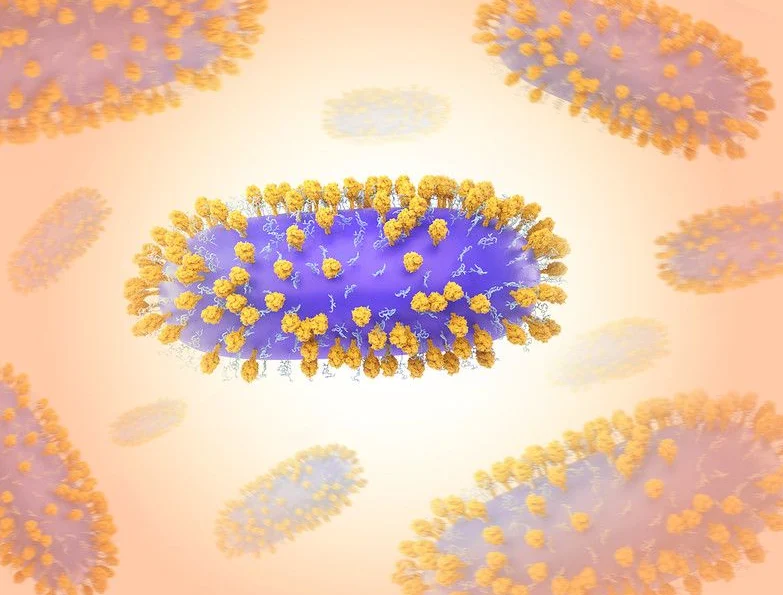
This catastrophic luminal obstruction causes acute infant bronchiolitis, alveolar collapse (atelectasis), severe chest indrawing, and respiratory failure, frequently necessitating urgent pediatric intensive care unit (PICU) admission and mechanical ventilation. According to the World Health Organization (WHO), RSV historically claimed more than 100,000 infant lives globally every year, standing as the second leading infectious cause of infant mortality worldwide. Earlier, we explored how advanced medical and genetic sciences continue to transform global healthcare standards.
For more than sixty years, conventional vaccine development was repeatedly stymied by the specter of vaccine-enhanced respiratory disease (ERD), which caused tragedy during early clinical trials of formalin-inactivated virus formulations in the 1960s. The breakthrough arrived only when structural biologists utilized advanced cryogenic electron microscopy to map the precise, metastable atomic structure of the viral fusion (F) glycoprotein in its pre-fusion state (pre-F), unlocking the ability to synthesize ultra-potent neutralizing antibodies.
Nirsevimab: The Bioengineering of Long-Acting Monoclonal Immunity
Unlike traditional active vaccines that demand several weeks for an immature neonatal immune system to generate protective endogenous antibody titers, Nirsevimab (marketed under the trade name Beyfortus) delivers immediate, passive monoclonal antibody protection. It is a fully human recombinant monoclonal antibody of the IgG1κ subclass engineered to bind a highly conserved antigenic site (Site Ø) situated at the apex of the pre-fusion F-protein conformation.
By tightly binding this critical site, the antibody physically halts the irreversible structural transition of the F-protein into its post-fusion state, completely preventing the viral envelope from fusing with the host epithelial cell membrane. The pivotal bioengineering innovation lies in the inclusion of the ‘YTE’ triple amino acid substitution (M252Y/S254T/T256E) within the antibody’s Fc domain. This modification markedly enhances its binding affinity to the neonatal Fc receptor (FcRn) at physiological pH, extending the molecule’s biological half-life in infant serum to roughly 70–75 days.
Consequently, a single intramuscular injection administered into the anterolateral thigh provides immediate, robust neutralizing titers that persist continuously for five to six months—comfortably shielding the infant across the entire duration of the seasonal winter RSV surge without placing metabolic or immunological strain on the infant’s developing organs.
Cryo-EM structural investigations revealed that the pre-fusion F-glycoprotein represents an exquisitely tuned kinetic trap, maintaining high conformational potential to drive membrane fusion. Nirsevimab locks this molecular trigger in place with picomolar binding affinity. Surface plasmon resonance assays demonstrated that its neutralizing potency is roughly 50-fold superior to legacy first-generation monoclonal antibodies such as Palivizumab, permitting single-dose seasonal administration.

«We are witnessing the most consequential breakthrough in pediatric pulmonology in over half a century. Passive immunization via monoclonal antibodies has virtually eliminated the devastating seasonal peak in infant intensive care admissions.»
Joint communiqué from infectious disease researchers at Statens Serum Institut and the University of Copenhagen
The Danish Epidemiological Triumph: Data from Statens Serum Institut
The most rigorous empirical evidence documenting the population-level power of this preventive approach comes from Denmark’s national public health authority, the Statens Serum Institut (SSI). In the autumn of 2025, Danish health authorities instituted a universal, dual-pronged national prevention campaign combining voluntary maternal bivalent subunit vaccination (Pfizer’s Abrysvo) during weeks 32–36 of pregnancy for transplacental antibody transfer, alongside routine Nirsevimab immunization for neonates born during the RSV season.
The epidemiological outcome of the very first winter season exceeded all prior statistical forecasts. Whereas comprehensive public health records from the preceding decade established a baseline average infant hospitalization rate of 39.3 per 1,000 babies aged 0–5 months, the post-immunization rate collapsed to just 9.9 per 1,000 babies—a staggering reduction of nearly 75%.
Crucially, admissions of neonates to pediatric intensive care units and the need for invasive mechanical ventilation dropped by over 85%. Chief pediatricians at Copenhagen’s Rigshospitalet reported that the historically chaotic winter ward overcrowding was replaced by orderly, manageable patient volumes for the first time in institutional memory.
Statens Serum Institut data recorded an unprecedented drop in infant RSV hospitalizations from 39.3 down to 9.9 per 1,000.
Universal monoclonal antibody rollouts virtually eliminated the need for mechanical ventilation and pediatric ICU beds.
Engineered Fc-domain mutations extended the antibody half-life to provide over five months of uninterrupted protection.
Neutralizing antibodies protect the neonate instantly without burdening the newborn’s developing immune system.
International Validation: Real-World Evidence from Spain and the United States
Denmark’s remarkable success is mirrored across multiple international jurisdictions. In the autonomous community of Galicia, Spain, where newborn Nirsevimab uptake exceeded an extraordinary 92%, RSV-associated infant hospitalizations plummeted by 82% compared to historical cohorts from 2018 to 2023. Parallel outcomes have been documented by pediatric health authorities in Catalonia, France, Luxembourg, and the United Kingdom.
In the United States, the Centers for Disease Control and Prevention (CDC) alongside investigators from the American Academy of Pediatrics published nationwide surveillance analyses in the medical journal *JAMA Network Open*. The multi-center studies confirmed an 89% effectiveness rate against RSV-associated lower respiratory tract illness hospitalizations within the first 90 days post-administration, remaining above 78% after 150 days.
Health economists emphasize the substantial secondary economic dividends: avoiding tens of thousands of pediatric emergency admissions preserved critical hospital capacity, saved millions in healthcare expenditure, and spared countless working parents from lost productivity and severe emotional trauma.
- Instant passive protection: pre-formed monoclonal antibodies neutralize virions immediately upon injection.
- Broad neutralizing coverage: equally protective against both primary circulating strains (RSV-A and RSV-B).
- Systemic hospital relief: mitigates the recurring winter pediatric bed and ventilator capacity crises.
- Long-term respiratory health: preventing severe infant bronchiolitis lowers the risk of childhood wheezing and asthma.
Safety Profiles and the Global Horizon of RSV Eradication
The clinical safety profile of long-acting monoclonal antibody prophylaxis has proven exemplary. In extensive real-world post-marketing safety registries encompassing hundreds of thousands of administered doses, the incidence of adverse systemic events was indistinguishable from baseline placebo rates. The vast majority of infants exhibited no systemic symptoms, with mild, transient local injection site erythema reported in fewer than 1.5% of cases, resolving spontaneously within 24 hours.
The primary ongoing challenge lies in expanding global manufacturing capacity and addressing equity of access. Low- and middle-income countries, which shoulder the catastrophic majority of global childhood respiratory mortality, urgently require subsidized access through international procurement frameworks orchestrated by the WHO, UNICEF, and the GAVI Alliance.
Nonetheless, the scientific triumph is definitive: for the first time in the history of medicine, humanity possesses an exquisitely engineered biological shield capable of rendering one of childhood’s deadliest viral adversaries virtually powerless.