



When digital automation silently disconnects from physical machinery, the consequences can swiftly escalate into life-threatening emergencies: this reality was starkly demonstrated by a severe hotel chlorine poisoning incident at Hotel Ling Bao within Germany’s renowned Phantasialand resort in Brühl. A mechanical malfunction in the pool water chlorination system coincided with a widespread Microsoft 365 cloud outage, preventing automated emergency alert emails from reaching engineering personnel. Fifteen guests suffered acute toxic respiratory irritation, laying bare the grave vulnerabilities of modern off-site IoT safety architectures and building management protocols.
How the Hotel Chlorine Poisoning Occurred: A Chain of Critical Failures
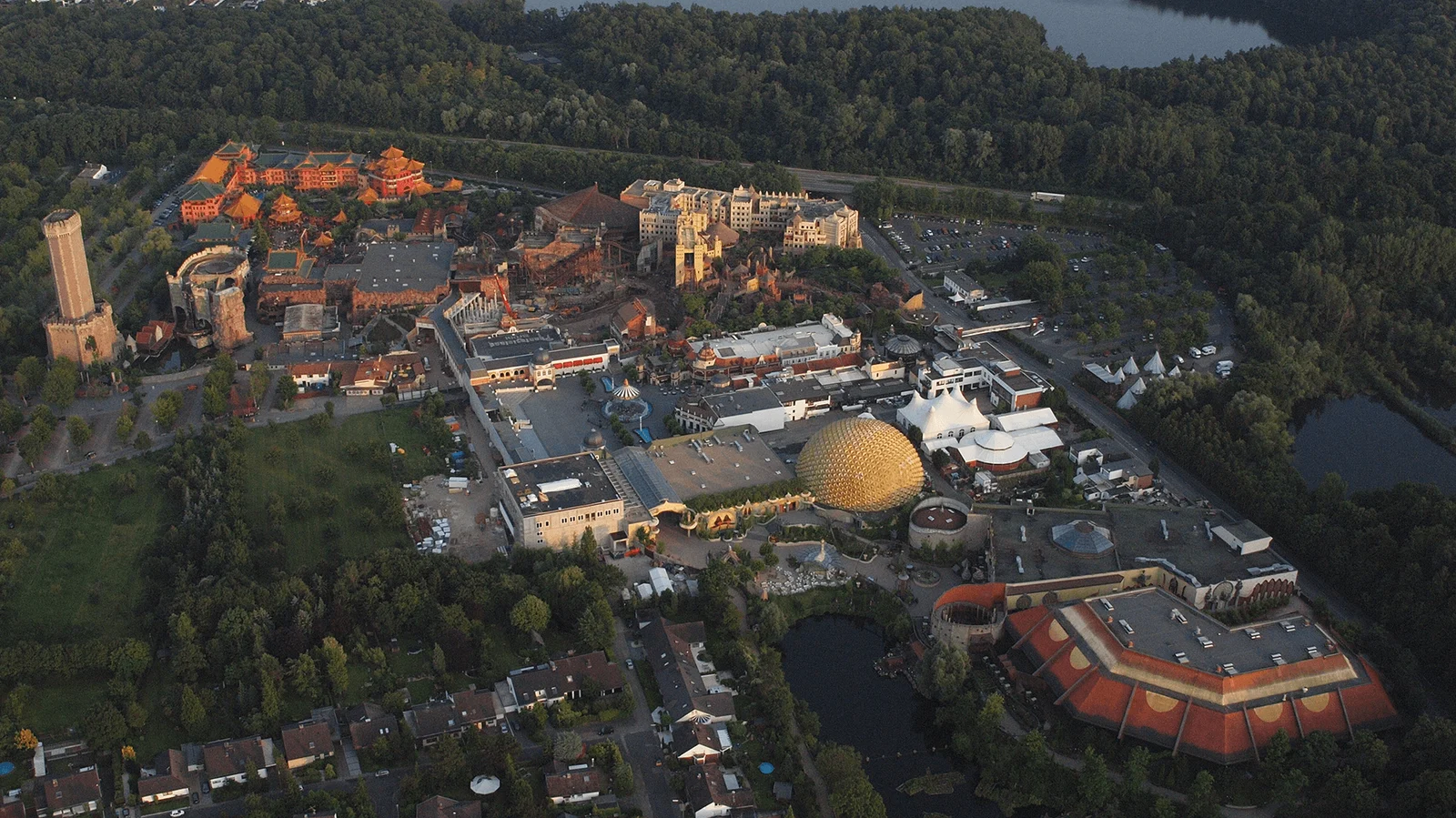
The chemical emergency unfolded at the four-star Asian-themed Hotel Ling Bao, situated inside Phantasialand—one of Europe’s premier theme park destinations near Cologne in North Rhine-Westphalia. During the morning hours, while guests, including families with young children, were relaxing in the indoor-outdoor swimming pool and wellness complex, the automated water treatment dosing station suffered a critical hardware breakdown. An electromagnetic metering valve jammed open, continuously pumping concentrated sodium hypochlorite and acid balancing agents into the closed pool circulation loop.
The resulting surge in chemical concentration triggered an intense chemical reaction, releasing dense clouds of toxic chlorine gas (Cl₂) and volatile chloramines across the surface of the pool. In the enclosed wellness facility with limited natural airflow, chlorine gas levels rapidly rose to hazardous thresholds. Swimmers experienced acute burning in their eyes, throat constriction, severe coughing spasms, and dizziness. Earlier, we explored how rigorous scientific methodologies demand uncompromising precision to prevent systemic oversights.
More than 40 emergency personnel, including hazardous materials teams from the Brühl fire department and paramedics, rushed to the scene. First responders in self-contained breathing apparatus immediately initiated a full evacuation of the hotel wing, ushering dozens of alarmed guests into the fresh air. Paramedics treated 15 guests on-site for acute respiratory distress, with four individuals who had been swimming nearest to the discharge zone transported to regional hospitals for intensive toxicological observation.
The Role of the Microsoft Outage: Why Emergency Alerts Failed to Deliver
During the post-incident forensic investigation, safety inspectors discovered a startling architectural flaw: the water treatment sensors had properly detected the dangerous chemical surge and generated an alarm. However, the system’s safety alerting protocol had been designed with a single, fragile transmission path—it was programmed solely to dispatch automated warning emails to maintenance personnel via Microsoft 365 / Outlook cloud servers.
Astonishingly, the facility lacked any direct local audiovisual alarm horn or strobe inside the engineering dispatch office or above the pool deck. And at that exact juncture, Microsoft experienced a major global cloud disruption affecting Microsoft 365 and Exchange services, triggered by an erroneous Azure routing configuration update. Outgoing alert emails failed to transmit and stalled indefinitely in the local spool queue of the hotel’s network gateway.
Because maintenance technicians received no warning notifications on their workstations or mobile devices, they assumed all pool systems were operating within normal parameters. The incident serves as a textbook warning against relying on asynchronous internet protocols for life-critical physical safety systems. Placing the integrity of physical infrastructure entirely in the hands of off-site cloud platforms without local fail-safes violates fundamental engineering principles.

«Automation often creates an illusion of flawless safety, but when primary emergency alert loops are routed through public third-party clouds, a simple mechanical pump failure can rapidly transform into an uncontrolled chemical catastrophe.»
Technical analysis by industrial cybersecurity and IoT systems engineering specialists
Chlorine Toxicity: Why Inhaling Chlorine Gas Is Life-Threatening
Chlorine gas is a potent pulmonary irritant that is roughly 2.5 times denser than ambient air. Because of this high vapor density, the gas does not quickly disperse upwards; instead, it settles into a dense, choking layer directly above the water’s surface—precisely where swimmers and bathers inhale. When inhaled, chlorine molecules react immediately with the moisture on mucosal surfaces throughout the eyes, trachea, and bronchi.
This chemical hydrolysis yields hydrochloric acid (HCl) and hypochlorous acid (HClO). Hypochlorous acid rapidly decomposes into reactive oxygen species, driving catastrophic oxidative stress, protein denaturation, and epithelial necrosis. Even at low atmospheric concentrations between 1 and 3 parts per million (ppm), chlorine causes burning sensations in the eyes, throat irritation, and reflex coughing.
At levels between 5 and 15 ppm, severe upper respiratory inflammation, vocal cord spasms, and painful broncho-constriction develop. Concentrations exceeding 30 ppm present an immediate risk of toxic pulmonary edema, chemical pneumonitis, and asphyxiation, as damaged alveolar capillaries allow blood plasma to flood the air sacs. Only the rapid evacuation and immediate oxygen therapy administered by first responders prevented fatal outcomes at Phantasialand.
A mechanical malfunction caused continuous pumping of concentrated chemical sanitizers into the closed pool circulation loop.
Global downtime across Microsoft 365 servers halted critical automated alert emails, leaving maintenance staff unaware of the surge.
Chlorine gas accumulated rapidly above the water, poisoning 15 hotel guests and triggering a full hazmat emergency response.
Mandating hardware power interlocks that physically shut down pumps during anomalies without depending on off-site internet services.
Hazardous Remediation and Complete Facility Overhaul
Remediating the contaminated pool area required an intensive, multi-phase hazardous materials operation. Technical teams safely pumped out tens of thousands of liters of hyper-chlorinated water into mobile neutralization holding tanks, treating the liquid with chemical neutralizing agents such as sodium thiosulfate before disposal to prevent environmental harm to municipal wastewater networks.
The indoor pool chamber underwent extensive mechanical scrubbing and continuous chemical degassing. Industrial-grade negative pressure air movers equipped with activated carbon sorption canisters operated around the clock to capture persistent chlorine molecules and trichloramines that had penetrated porous acoustic tiles and masonry.
Engineering auditors from the German Technical Inspection Association (TÜV) conducted an exhaustive forensic review of the electrical and fluid dynamics schematics at Hotel Ling Bao. The outdated alerting setup was entirely dismantled, replaced with hardwired gas detectors, direct audible sounders, and independent localized controller units.
- Eliminate dependency on third-party cloud platforms and email for real-time safety-critical alerts.
- Implement hardwired interlocks that cut electrical power to dosing pumps directly at the local breaker box.
- Install localized ambient chlorine gas detectors in enclosed pool rooms with visible strobes and high-decibel alarms.
- Conduct periodic network blackout tests to ensure equipment transitions seamlessly into a fail-safe state.
Key Takeaways for Industrial IoT and Building Automation
The Phantasialand chemical incident has prompted European regulatory authorities and engineering associations to review safety guidelines for public aquatic and wellness facilities. The primary finding emphasizes that non-deterministic, best-effort communication methods like email, SMS, or push notifications must never serve as the primary shutdown trigger in life-critical installations.
Modern facilities must implement hardware interlocks—physical relays built directly into electrical control panels that immediately cut power to chemical dosing pumps the instant parameters breach tolerance thresholds. Crucially, systems must follow the Fail-Safe doctrine: if internet connectivity or cloud servers fail, the physical machinery must automatically revert to a de-energized, safe state.
Furthermore, building codes now mandate autonomous network loss timeouts: if a chemical controller loses communication with its supervisory system for more than 60 seconds, it must automatically enter a safe standby mode. As smart buildings, hospitals, and industrial plants increasingly adopt internet of things (IoT) architectures, this incident provides an invaluable lesson: cloud analytics offer immense convenience for long-term diagnostics, but physical human safety must remain anchored in robust, autonomous, and local fail-safe engineering.