


The alarming and perplexing condition known as auto-brewery syndrome in the gut (ABS, or gut fermentation syndrome) represents one of the most astonishing clinical mysteries in contemporary gastroenterology. An individual can remain an absolute teetotaler for decades, yet after consuming a standard plate of pasta, a slice of bread, or a bowl of rice, suddenly experience profound intoxication, ataxia, slurred speech, and breathalyzer readings registering lethal concentrations of ethanol. This devastating metabolic dysfunction shatters marriages, sparks unjust criminal prosecutions, and baffles clinicians until rigorous microbiological profiling reveals the truth.
The Biochemistry of Endogenous Fermentation: When the Bowel Becomes a Brewery
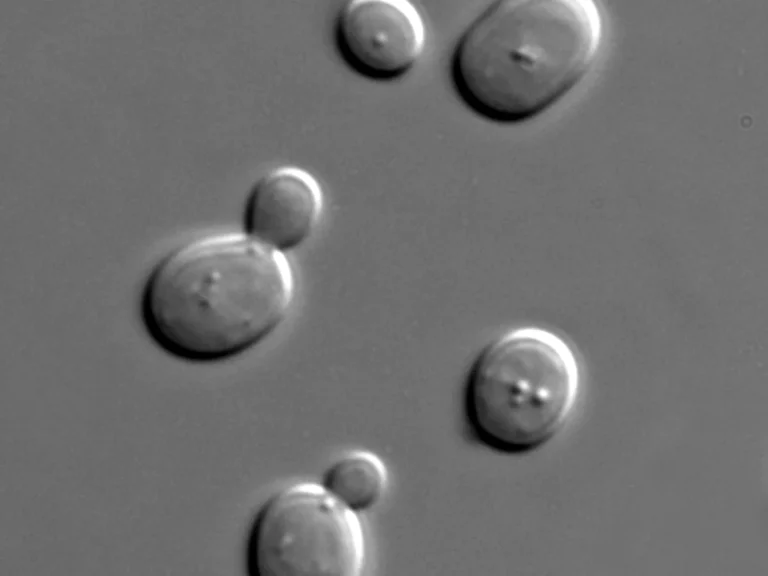
In a healthy human gastrointestinal tract, a thriving ecosystem of trillions of commensal bacterial species maintains strict homeostasis, outcompeting opportunist fungi. However, broad-spectrum antibiotic regimens or extensive gastrointestinal surgeries can decimate protective bacteria. In this disrupted environment, opportunistic fungal colonizers—most notably brewer’s yeast Saccharomyces cerevisiae and various Candida species (Candida albicans, Candida glabrata, Candida tropicalis)—flourish unchecked.
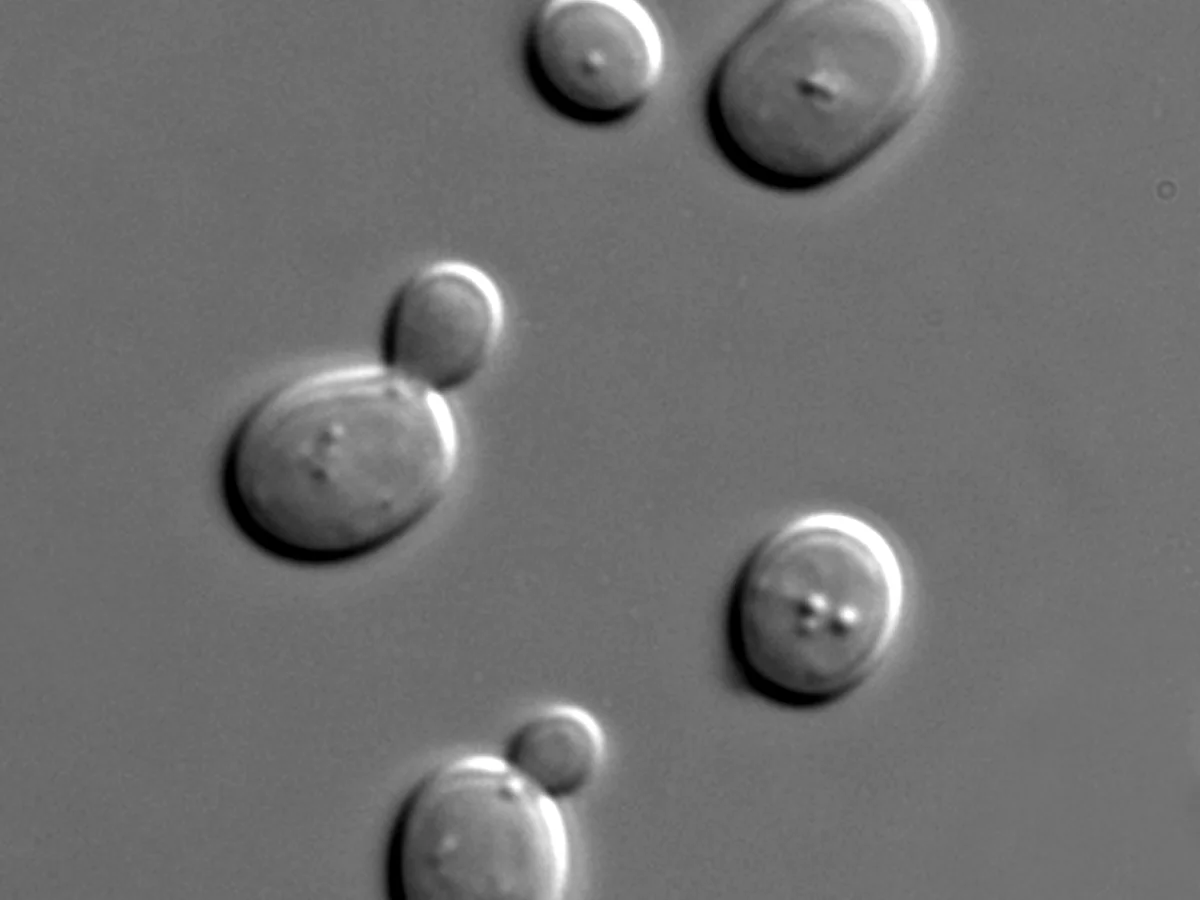
When fed dietary carbohydrates, these fungal colonies initiate anaerobic glycolysis. Utilizing the enzyme pyruvate decarboxylase, the yeasts convert pyruvate into acetaldehyde, which is subsequently reduced by alcohol dehydrogenase into pure ethanol. An afflicted patient’s small intestine can generate between 50 and 80 grams of pure ethanol in twenty-four hours—equivalent to consuming an entire bottle of spirits.
Transiting through the hepatic portal vein, this surging bolus of endogenous ethanol rapidly overwhelms hepatic metabolic enzymes (CYP2E1 and hepatic alcohol dehydrogenase), flooding the systemic bloodstream and triggering acute neurotoxicity in an individual who has consumed zero alcohol.
This biological disruption highlights the sensitivity of human metabolic pathways: as detailed in our analysis of the bioengineered ECHO implant regulating glycemic control, subtle shifts in carbohydrate handling provoke systemic physiological consequences across the entire body.
The Legal Nightmare: Wrongful DUI Arrests and the Presumption of Guilt
The most devastating consequence for patients suffering from auto-brewery syndrome is pervasive societal and legal disbelief. Global jurisprudence records numerous cases where sober drivers were pulled over following minor traffic infractions, only for law enforcement breathalyzers to detect Blood Alcohol Concentrations (BAC) between 0.20% and 0.38%—levels normally indicative of severe intoxication or alcoholic stupor.
Police officers, prosecutors, and magistrates routinely rejected defendant assertions of sobriety as absurd fabrications. Patients faced driver’s license revocations, felony DUI convictions, professional termination, and mandatory enrollment in substance-abuse rehabilitation. Within families, domestic crises erupted as spouses accused bewildered patients of clandestine binge drinking and concealing liquor bottles throughout the home.
A major legal breakthrough in the United States arrived through the clinical advocacy of Dr. Barbara Cordell, an authority on auto-brewery syndrome pathophysiology. Suspected individuals were sequestered inside hospital isolation rooms under continuous video surveillance with zero external visitors. Following standardized carbohydrate meals, their blood alcohol levels spiked dramatically before medical witnesses, compelling courts to issue landmark legal acquittals.
«The most destructive aspect of auto-brewery syndrome is the total societal and medical disbelief. Patients lose their careers, their families, and their dignity because clinicians dismiss them as secret alcoholics, completely failing to recognize that their own intestines have turned into an unlicensed distillery.»
Dr. Barbara Cordell, Lead Researcher and Author on Auto-Brewery Syndrome
Systemic Clinical Manifestations: From Steatohepatitis to Severe Brain Fog
Enduring persistent endogenous drunkenness exacts a severe physiological and cognitive toll. Sufferers describe a debilitating state of chronic ‘brain fog,’ severe disorientation, slurred speech, vestibular ataxia, recurrent gastrointestinal distress, and debilitating morning hangovers following completely alcohol-free evenings.
Critically, continual endogenous alcohol exposure induces the exact somatic organ pathologies seen in chronic alcoholism: non-alcoholic steatohepatitis (NASH), hepatic fibrosis, and progressive liver cirrhosis in lifelong non-drinkers. Furthermore, repeated alcohol-mediated mucosal breakdown triggers intestinal permeability (‘leaky gut’), allowing bacterial endotoxins to seep into circulation.
Recently, microbiologists at Capital Medical University in Beijing identified an even more widespread bacterial etiology: strains of Klebsiella pneumoniae capable of producing massive quantities of ethanol in individuals lacking fungal colonization, broadening the clinical understanding of the syndrome.
Saccharomyces cerevisiae and Candida yeasts ferment dietary carbohydrates into ethanol directly inside the small intestine.
Sober motorists registering BAC levels of 0.20% to 0.40% after eating ordinary meals, sparking forensic crises.
Persistent endogenous alcohol production causes steatohepatitis, liver cirrhosis, and chronic brain fog in non-drinkers.
Restoring commensal bacterial diversity through FMT permanently displaces fermenting yeast and resolves the syndrome.
Diagnostic Protocols: Confirming Endogenous Fermentation Under Clinical Supervision
Establishing an objective diagnosis of auto-brewery syndrome demands an exhaustive multidisciplinary protocol. Clinicians must first rigorously rule out surreptitious alcohol consumption through psychological evaluations and longitudinal testing of urinary ethyl glucuronide (EtG) and hair biomarkers.
The definitive diagnostic gold standard is the Oral Glucose Challenge Test. Following an overnight fast, the patient ingests a standardized solution of 100 to 200 grams of pure glucose under controlled medical supervision. Venous blood alcohol and breathalyzer measurements are obtained at 30-to-60-minute intervals over a 24-hour observation window. A concurrent rise in blood ethanol corresponding with carbohydrate metabolism confirms endogenous fermentation.
Simultaneously, upper gastrointestinal endoscopy is performed to aspirate secretions from the duodenum and jejunum for fungal culture and PCR sequencing to isolate specific yeast strains and map their antifungal susceptibility profiles.
- Primary etiology frequently traces back to extended broad-spectrum antibiotic courses that destroy bacterial flora.
- An in-clinic oral glucose challenge test reliably documents endogenous ethanol spikes without alcohol intake.
- Strict low-carbohydrate ketogenic diets starve yeast colonies of essential fermentation substrates.
- Fecal Microbiota Transplantation (FMT) represents a curative frontier for pharmacologically refractory patients.
Therapeutic Strategies: Antifungal Regimens, Ketogenic Diets, and Microbiota Transplants
Successfully managing auto-brewery syndrome requires an aggressive multi-phase clinical intervention. The acute phase involves targeted systemic antifungal pharmacology (fluconazole, nystatin, or intravenous echinocandins) administered over four to eight weeks until fungal stool cultures are completely eradicated.
Concurrently, medical nutrition therapy is mandatory: patients transition to a strict ketogenic or ultra-low-carbohydrate nutritional protocol. Starving the intestinal fungal colonies of their primary fermentable substrates halts ethanol synthesis at the enzymatic level.
In refractory cases where fungal colonies repeatedly re-emerge, Fecal Microbiota Transplantation (FMT) has delivered definitive cures. Introducing an entire diverse community of healthy donor commensal bacteria re-establishes ecological competitive exclusion in the gut lumen, permanently suppressing yeast populations and returning patients to healthy, sober lives.