

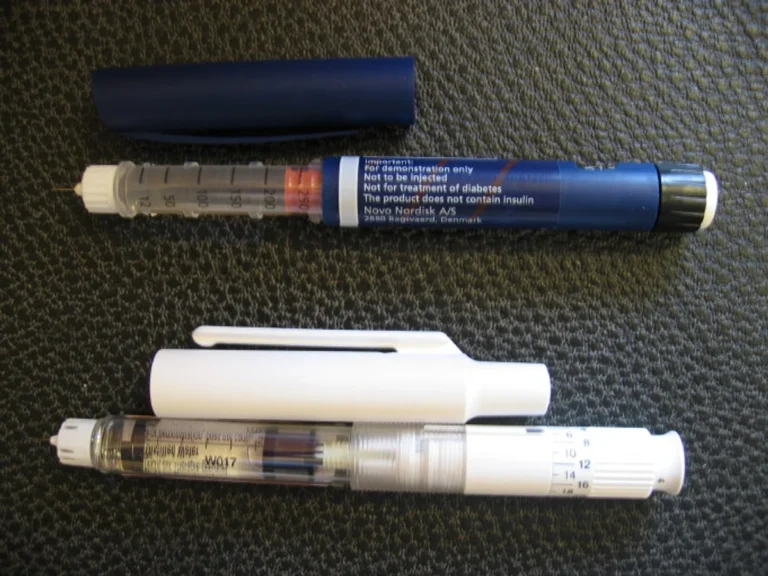

The meteoric ascent of GLP-1 drugs and semaglutide (marketed worldwide as Ozempic and Wegovy) represents the most transformative milestone in contemporary clinical medicine since the introduction of statins and penicillin. Originally engineered exclusively for glycemic management in type 2 diabetes mellitus, glucagon-like peptide-1 receptor agonists have fundamentally outgrown the confines of endocrinology and weight management. Landmark international randomized trials have demonstrated that semaglutide exerts direct cardiovascular protection, halts renal failure progression, quells central neuroinflammation, and suppresses compulsive addictive behaviors.
The SELECT Trial Landmark: Cardiovascular Protection Decoupled from Weight Loss
The definitive inflection point confirming GLP-1 pharmacology as an essential cardiovascular cornerstone arrived with the publication of the SELECT trial in The New England Journal of Medicine (NEJM). Led by Professor A. Michael Lincoff of the Cleveland Clinic, the landmark trial followed 17,604 participants across 41 countries with pre-existing cardiovascular disease and elevated body mass index, but deliberately excluding diabetic patients.
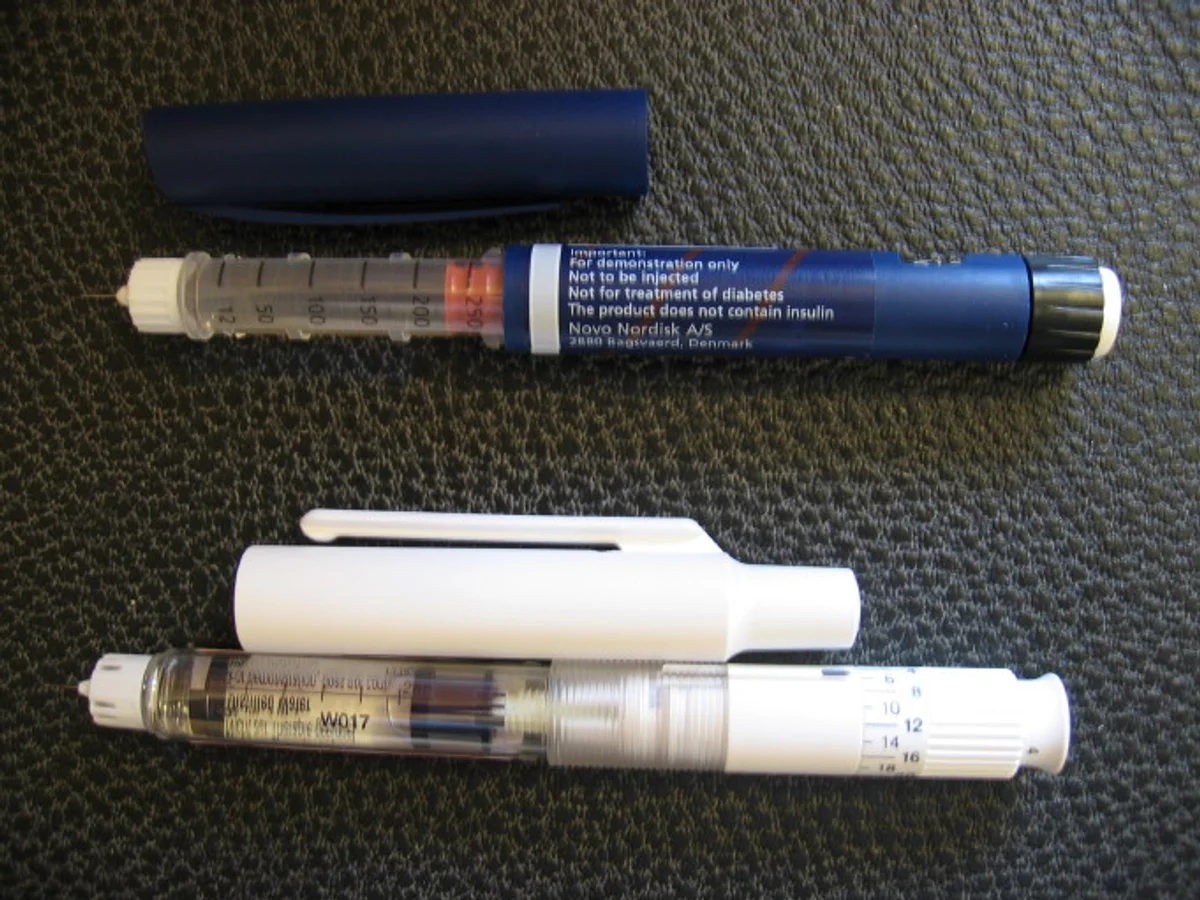
Over a median 40-month observation period, weekly 2.4 mg subcutaneous semaglutide reduced the composite primary endpoint of Major Adverse Cardiovascular Events (MACE)—cardiovascular death, non-fatal myocardial infarction, and non-fatal stroke—by an astonishing 20%. Non-fatal heart attacks alone plummeted by 28%, and all-cause cardiovascular mortality declined by 15%.
The most remarkable mechanistic insight was that the survival curves began diverging within weeks of treatment initiation, far before meaningful adipose mass loss occurred. This empirical observation proved that GLP-1 receptor agonists exert direct pleiotropic anti-inflammatory actions on vascular endothelium, pacifying vulnerable atherosclerotic plaque and driving down high-sensitivity C-reactive protein (hs-CRP).
These protective dynamics align with groundbreaking bioengineering research: as analyzed in our study on the bioengineered electrical ECHO implant for diabetes therapy, precise modulation of carbohydrate metabolism establishes profound systemic protection across the entire human organism.
Renal Rescue: Early Termination of the Landmark FLOW Trial
A second monumental milestone occurred with the conclusion of the FLOW trial, published in The Lancet. Led by Professor Vlado Perkovic of the University of New South Wales, the investigation assessed semaglutide’s impact on diabetic kidney disease in 3,533 participants across international clinical centers.
The independent Data Monitoring Committee took the extraordinary step of halting the trial nearly a year ahead of schedule due to overwhelming pre-specified efficacy criteria. Semaglutide preserved estimated glomerular filtration rate (eGFR) and reduced the composite risk of kidney failure, dialysis initiation, kidney transplantation, and renal death by 24%.
Mechanistically, GLP-1 agonism attenuates intrarenal inflammation, reduces mesangial matrix expansion, and normalizes intraglomerular hydrostatic pressure. This establishes a powerful therapeutic firewall against end-stage renal disease, saving millions from dialysis dependence.
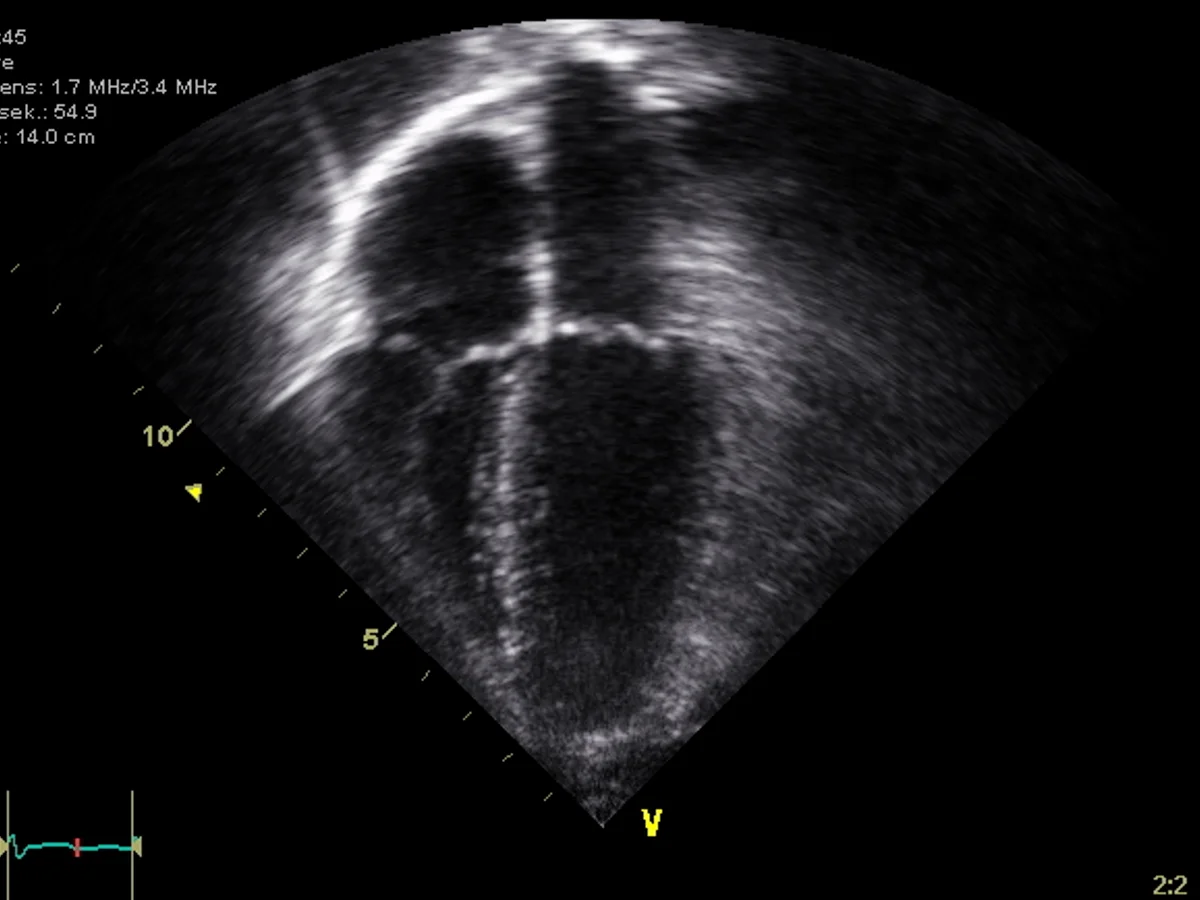
«We are witnessing a fundamental paradigm shift in how we understand metabolic disease. GLP-1 medicines are not cosmetic weight-loss interventions; they are universal systemic modifiers of vascular, renal, and neurological inflammation at the deepest cellular level.»
Dr. Daniel Drucker, Pioneer of GLP-1 Biology and Professor at the University of Toronto
Neural Circuitry and Neuroinflammation: Quelling Alcohol and Nicotine Cravings
Perhaps the most unexpected domain of GLP-1 biology resides within the central nervous system. GLP-1 receptors are densely expressed not only within hypothalamic energy-balance nuclei, but throughout the ventral tegmental area (VTA) and the nucleus accumbens—the foundational architecture of the human mesolimbic dopamine reward pathway.
Clinicians globally began cataloging a striking anecdotal phenomenon: patients receiving semaglutide or tirzepatide reported spontaneous cessation of alcohol consumption, spontaneous smoking cessation, the disappearance of compulsive skin-picking or nail-biting, and the alleviation of gambling urges. The medication dampens anticipatory dopamine spikes, restoring prefrontal executive control.
Simultaneously, extensive Phase III trials are investigating semaglutide for Alzheimer’s and Parkinson’s diseases. By suppressing microglial neuroinflammation, enhancing mitochondrial biogenesis, and protecting synaptic integrity, GLP-1 receptor agonists offer genuine hope for attenuating neurodegenerative cognitive decline.
The landmark SELECT trial in NEJM verified direct arterial protection independent of total weight reduction.
A 24% reduction in major kidney failure events and dialysis requirement prompted early study termination for efficacy.
Dampening dopamine reward circuitry in the ventral tegmental area suppresses alcohol, nicotine, and compulsive cravings.
Next-generation multi-receptor co-agonists delivering up to 28% weight loss and complete fatty liver resolution.
Macroeconomic Disruption: Novo Nordisk’s Ascent and the Fast-Food Retraction
The commercial reverberations of GLP-1 therapeutics have altered global economic topography. Danish pharmaceutical pioneer Novo Nordisk, the manufacturer of Ozempic and Wegovy, ascended to become Europe’s most valuable corporate entity with a market capitalization exceeding $550 billion, surpassing the entire annual GDP of its home nation of Denmark.
Simultaneously, American competitor Eli Lilly approached an $800 billion valuation fueled by the explosive adoption of tirzepatide (Zepbound / Mounjaro)—a dual GIP/GLP-1 co-agonist achieving unprecedented 22% to 25% total body weight reductions in late-stage cohorts.
Conversely, multinational food conglomerates marketing ultra-processed snacks and carbonated sodas face systemic valuation pressure. Commercial airlines are factoring in multi-million-dollar jet-fuel savings due to lighter average passenger weights, while consumer grocery receipt data registers an unmistakable rotation toward whole proteins, leafy vegetables, and functional hydration.
- The SELECT trial established semaglutide as a primary cardioprotective agent for non-diabetic vascular disease.
- The FLOW trial in The Lancet cemented GLP-1 receptor agonists as essential nephroprotective therapy.
- Central dopamine pathway modulation opened unexpected frontiers in treating chemical and behavioral addictions.
- The imminent arrival of daily oral tablets and triple agonists will expand global therapeutic accessibility.
The Next Generation: Oral Peptides and Triple Agonists (Retatrutide)
Despite contemporary commercial success, biopharmaceutical pipelines are preparing the next therapeutic evolution to dismantle administration friction and muscle catabolism.
Within the 2026–2027 window, commercial availability of high-bioavailability oral daily tablets of semaglutide and orforglipron will eliminate the psychological hurdle of subcutaneous needle injections, democratizing access across broad patient populations.
Concurrently, pivotal Phase III data is maturing for retatrutide—Eli Lilly’s triple co-agonist targeting GLP-1, GIP, and glucagon receptors. Retatrutide not only suppresses satiety pathways, but actively elevates basal metabolic rate via brown adipose tissue thermogenesis, delivering historic weight reductions approaching 28% alongside complete reversal of hepatic steatosis. Medicine is entering a definitive golden age against metabolic pathology.