



The unprecedented surge in depressive symptoms and panic disorders among Generation Z and young adults has sparked fierce cultural and clinical debate: while sceptics often dismiss the crisis as mere destigmatization and semantic overreporting, sociologists blame smartphones, academic hyper-competition, and macro-crises. Now, a definitive meta-analysis published in JAMA Psychiatry spanning over 35,000 college students has uncovered the true cognitive engine of the epidemic: soaring youth anxiety is driven by a profound collapse in tolerance for ambiguity, with the rate of increase tripling after 2012.
Decoding the Construct: What Is Intolerance of Uncertainty (IU)?
In cognitive-behavioural psychopathology, «Intolerance of Uncertainty» (IU) is classified not as an isolated psychiatric diagnosis, but as a foundational transdiagnostic vulnerability factor. An individual exhibiting elevated IU processes ambiguous, unresolved, or unpredictable future events not as benign life probabilities, but as intolerable, acute threats to their psychological integrity.

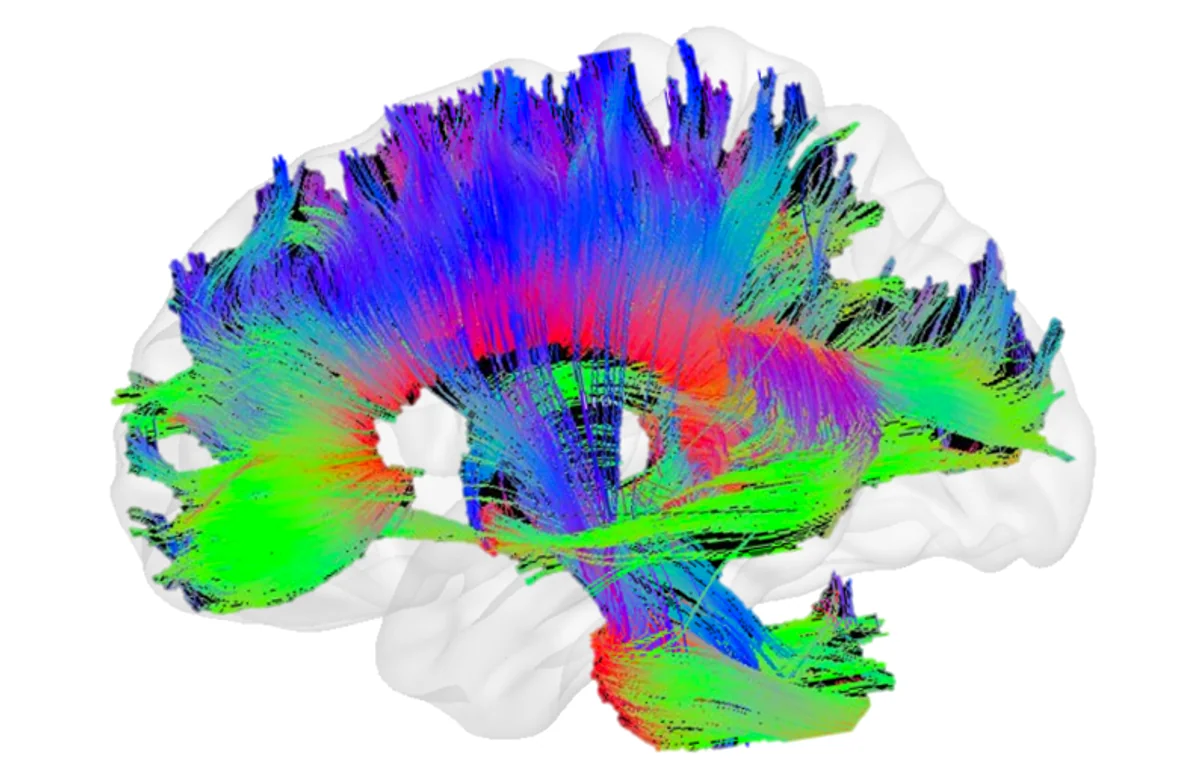
When confronting everyday indeterminacy — such as an unanswered job application, ambiguous feedback from an advisor, waiting for medical lab tests, or walking into a social gathering without an explicit agenda, — the high-IU brain fires full neurobiological alarm cascades. This reflects how neural networks and the visual cortex process cognitive stimuli under pressure.
To alleviate this agonizing emotional state, individuals deploy exhaustive, maladaptive coping rituals: obsessive doom-scrolling, compulsive rumination over worst-case scenarios, ceaseless reassurance-seeking from peers, hyper-scheduling every waking hour, or complete behavioural avoidance of unfamiliar environments.
The JAMA Psychiatry Meta-Analysis: The Critical Inflection Point in 2012
Led by epidemiological researchers from Columbia University Mailman School of Public Health and Boston University School of Public Health, the landmark study synthesized findings from 138 peer-reviewed psychological investigations conducted between 1992 and 2023, encompassing 35,296 undergraduate students across the United States and Canada.
The historical trajectory revealed a staggering divergence. From 1992 through 2012, baseline IU scores exhibited a modest, gradual upward trend. However, post-2012, the growth trajectory accelerated dramatically: the annual rate of increase tripled. This steep escalation occurred simultaneously across both distinct sub-dimensions of the construct — prospective anxiety (cognitive fear of future ambiguity) and inhibitory anxiety (paralysis of action when facing uncertainty).
Crucially, this structural inflection decisively disproves the dismissive assertion that young people are merely more willing to complain about standard developmental angst. Instead, the data confirms an objective, generational shift in the psychological baseline of cognitive resilience, leaving millions stripped of the capacity to tolerate ambiguity.
«Anxiety thrives on our desperate attempt to control the uncontrollable. Genuine peace is achieved not by eliminating uncertainty from our lives, but by learning to tolerate not knowing and moving forward anyway.»
Dr. Olivia Remes, Mental Health Researcher at the University of Cambridge
The Smartphone Paradox: How Instant Certainty Eroded Resilience
The question of why the inflection point solidified specifically in 2012 points to an extraordinary technological transformation. Around 2012, smartphone penetration among adolescents in North America crossed the decisive 50% threshold, while algorithmically driven social media ecosystems (Instagram, Twitter/X) permanently displaced unstructured, offline adolescent socialization.
Mobile devices established a seductive, historically unprecedented illusion of total omniscient control. Any factual query is answered in milliseconds; transit routes are optimized down to the second via GPS; food delivery is monitored in real time; and text messages trigger instantaneous read receipts with double blue checkmarks. The human mind rapidly acclimates to frictionless certainty.
Yet the fundamental realities of adult existence — romantic relationships, geopolitical upheaval, economic markets, and career trajectories — remain stubbornly non-algorithmic and unpredictable. When confronted with this irreducible ambiguity, a brain conditioned on digital immediacy experiences catastrophic sensory overload, manifesting as chronic worry cycles, debilitating exhaustion, and panic disorders.
Intolerance of uncertainty acts as the primary cognitive accelerator driving generalized anxiety, obsessive-compulsive loops, and depressive burnout.
The tripling of annual IU rates coincided precisely with ubiquitous smartphone adoption and the shift to algorithm-curated social interaction.
Constant digital reassurance conditioned modern minds to expect immediate clarity, making organic ambiguity feel biologically hazardous.
Clinical evidence demonstrates that practicing deliberate micro-exposures to uncertainty successfully retrains neural tolerance pathways.
Neurobiology of Threat: Why the Amygdala Demands Instant Closure
From an evolutionary neuroscience perspective, the human brain operates as an intricate prediction machine. Subcortical structures, particularly the amygdala, continuously scan sensory input against stored memory schemas. When critical predictive information is absent, the amygdala defaults to threat mode, initiating sympathetic nervous system arousal.
Under healthy cognitive functioning, the prefrontal cortex intervenes to down-regulate this alarm, contextualizing that ambiguity does not equate to peril. However, in individuals with chronically elevated IU, functional connectivity between prefrontal inhibitory circuits and the amygdala is substantially attenuated. Unresolved future outcomes trigger sustained secretions of adrenaline and cortisol, maintaining the body in chronic hypervigilance.
This dynamic establishes a vicious neurochemical loop: compulsive checking and reassurance-seeking provide transient relief, but reinforce the brain’s mistaken belief that uncertainty was indeed lethal. Consequently, the psychological muscle of distress tolerance steadily atrophies over time.
- Robust Epidemiological Scale: Synthesis of 138 studies tracking 35,296 undergraduate students across North America over three decades.
- Dual-Dimension Crisis: Dramatic rises in both prospective anxiety (dread of future ambiguity) and inhibitory anxiety (decision paralysis).
- Digital Amplification Trap: Using mobile feeds for immediate reassurance provides fleeting comfort while systematically worsening baseline anxiety.
- Restoring Cognitive Resilience: Modern mental health requires shifting cultural paradigms from hyper-protection to cultivating discomfort tolerance.
Rebuilding Cognitive Flexibility: Clinical Strategies to Confront the Unknown
Leading practitioners of Cognitive Behavioural Therapy (CBT) and Acceptance and Commitment Therapy (ACT) stress that attempting to eradicate anxiety through compulsive information gathering or hyper-control is a self-defeating trap that only entrenches the neurosis.
Authentic recovery requires deliberate, structured conditioning of psychological flexibility. Clinicians recommend «behavioural exposure to uncertainty»: taking measured, conscious micro-risks without prior research (visiting a new restaurant without reading Yelp reviews, taking an unfamiliar route home without navigation, or leaving one’s smartphone disconnected for an entire afternoon).
Young people must be re-taught that uncertainty is not a malignant threat requiring preemptive neutralization, but the indispensable domain where discovery, creativity, and genuine maturation occur. Cultivating the internal conviction that «I cannot predict how this unfolds, but I possess the resources to manage the outcome» represents the ultimate mental health antidote for our age.