

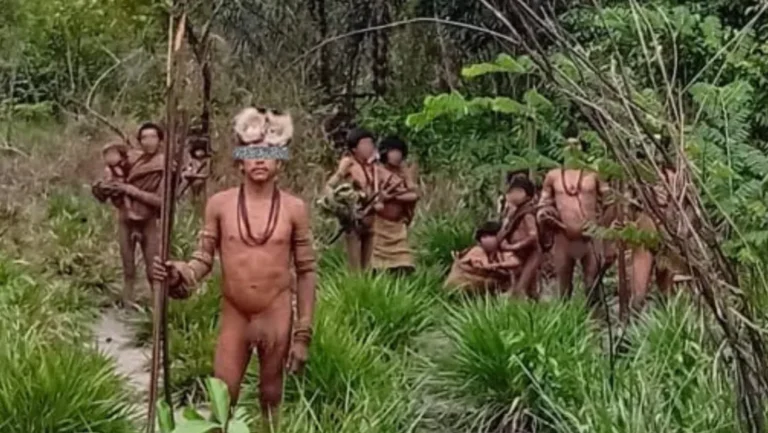

In the deep tropical canopies of the Brazilian Amazon, a rare and deeply consequential event has unfolded: members of the uncontacted tribes belonging to the nomadic Awá people have made voluntary contact with the outside world. Approximately twenty indigenous hunters, women, and children emerged at the edge of the forest in the Arariboia Indigenous Territory in Maranhão state, signaling extreme distress and pleading for food from the neighboring sedentary Guajajara community and official environmental teams.
Desperation in the Canopy: Why Nomadic Hunters Are Seeking Outside Help
The sudden appearance of the isolated Awá group has sent shockwaves through the global anthropological and human rights community, prompting urgent alerts from organizations such as Survival International. Observers noted that several individuals, particularly young children and the elderly, displayed symptoms of physical exhaustion and severe malnutrition. Communicating through gestures, they asked for yams and cassava before retreating into the protective shelter of the jungle.
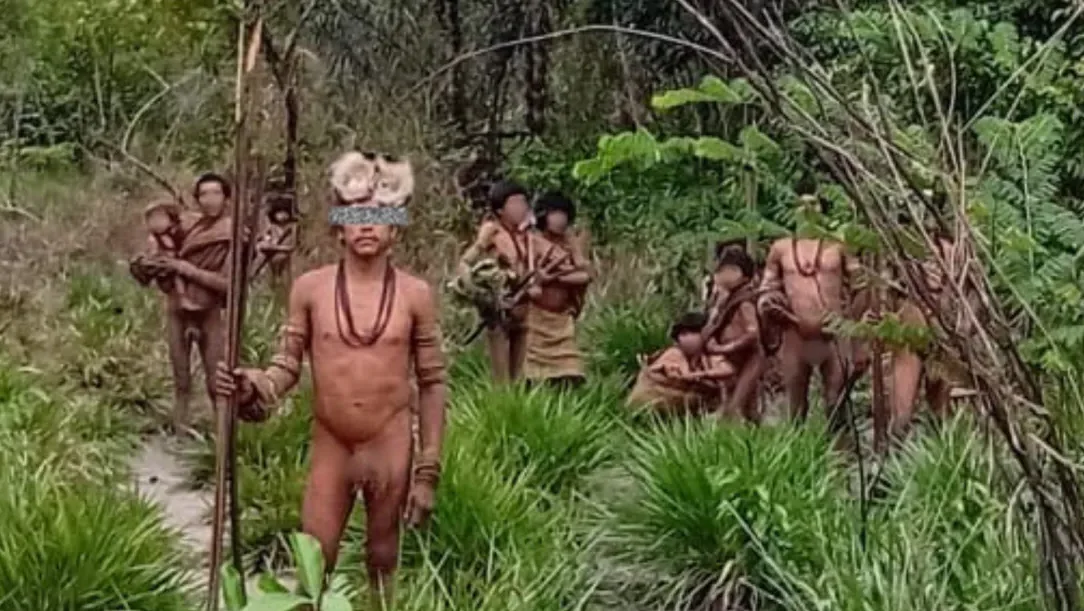
The Awá are widely recognized as one of the last truly nomadic hunter-gatherer societies remaining on the South American continent. For countless generations, they have navigated the dense jungle without settled villages, sleeping in temporary shelters crafted from babassu palm fronds and hunting game with bows exceeding two meters in length. Their lifestyle is intricately intertwined with the undisturbed primary forest, which provides wild honey, game, nuts, and clean water.
Zoologist and science journalist Rachael Funnell reports that recent surges in illegal logging, gold mining, and cattle ranching have pushed the borders of the Arariboia territory to a breaking point. Heavy industrial logging machinery rips through sacred old-growth stands, polluting watercourses and scaring away the wildlife upon which the nomadic Awá depend for daily survival.
Immunological Catastrophe: Why the Common Cold Poses an Existential Threat
The most harrowing dimension of this rare encounter lies not in armed confrontation, but in microscopic biology. Uncontacted tribes have lived isolated from the global pathogen pool for centuries, leaving their immune systems completely devoid of antibodies against common external respiratory illnesses. Pathogens as routine as influenza, the common cold, measles, or respiratory syncytial virus can trigger devastating epidemics capable of wiping out up to half of an isolated population within weeks.
Historical records in the Amazon basin are marred by tragedy: during the rapid road-building projects of the 1970s and 1980s under Brazil’s military regime, unsanctioned contact frequently resulted in horrific disease outbreaks that decimated indigenous communities. Consequently, modern policy by Brazil’s National Indian Foundation FUNAI (Fundação Nacional dos Povos Indígenas) adheres strictly to the principle of «voluntary isolation», making contact illegal unless driven by unavoidable humanitarian catastrophe.
Fiona Watson, Research and Advocacy Director at Survival International, emphasizes that authorities must implement a rigorous sanitary buffer zone without invasive physical interference. Medical personnel must maintain remote epidemiological surveillance to protect the Awá from introduced contagion, ensuring this historic encounter does not spiral into an irreversible demographic extinction.
«We already know how to protect this territory from intruders. Those at the forefront of defending the forest just need the proper government and legal support.»
Olímpio Guajajara, Coordinator of the Forest Guardians
The Forest Guardians: Indigenous Guajajara Defending Ancestral Lands at Great Cost
While the 413,000-hectare Arariboia territory is legally designated as protected indigenous land, actual enforcement on the ground has fallen largely upon the shoulders of local indigenous volunteers known as the «Forest Guardians» (Guardiões da Floresta), organized by the Guajajara under coordinator Olímpio Guajajara.
Armed with resolve and basic field equipment, these brave guardians patrol the frontiers of the reserve, tracking heavily armed timber mafias, shutting down illegal roads, and impounding logging trucks. Their heroism has come at an immense human toll: over the past decade, organized timber syndicates have assassinated at least six leading guardians, including prominent environmental activist Paulo Paulino Guajajara, who was ambushed and murdered in 2019.
The Guardians repeatedly assert that their vigilance is essential not only for their own villages, but as the sole shield preserving the nomadic sanctuary of their uncontacted Awá kin. Protecting this canopy is equally vital for global climate stability, mirroring research on how human hunting communities adapt to vulnerable ecosystems throughout deep time.
The Awá survive strictly as nomadic hunter-gatherers, living without permanent dwellings in total symbiosis with undisturbed forest canopies.
A lack of acquired antibodies makes external viral infections extraordinarily lethal, demanding strict remote sanitary management.
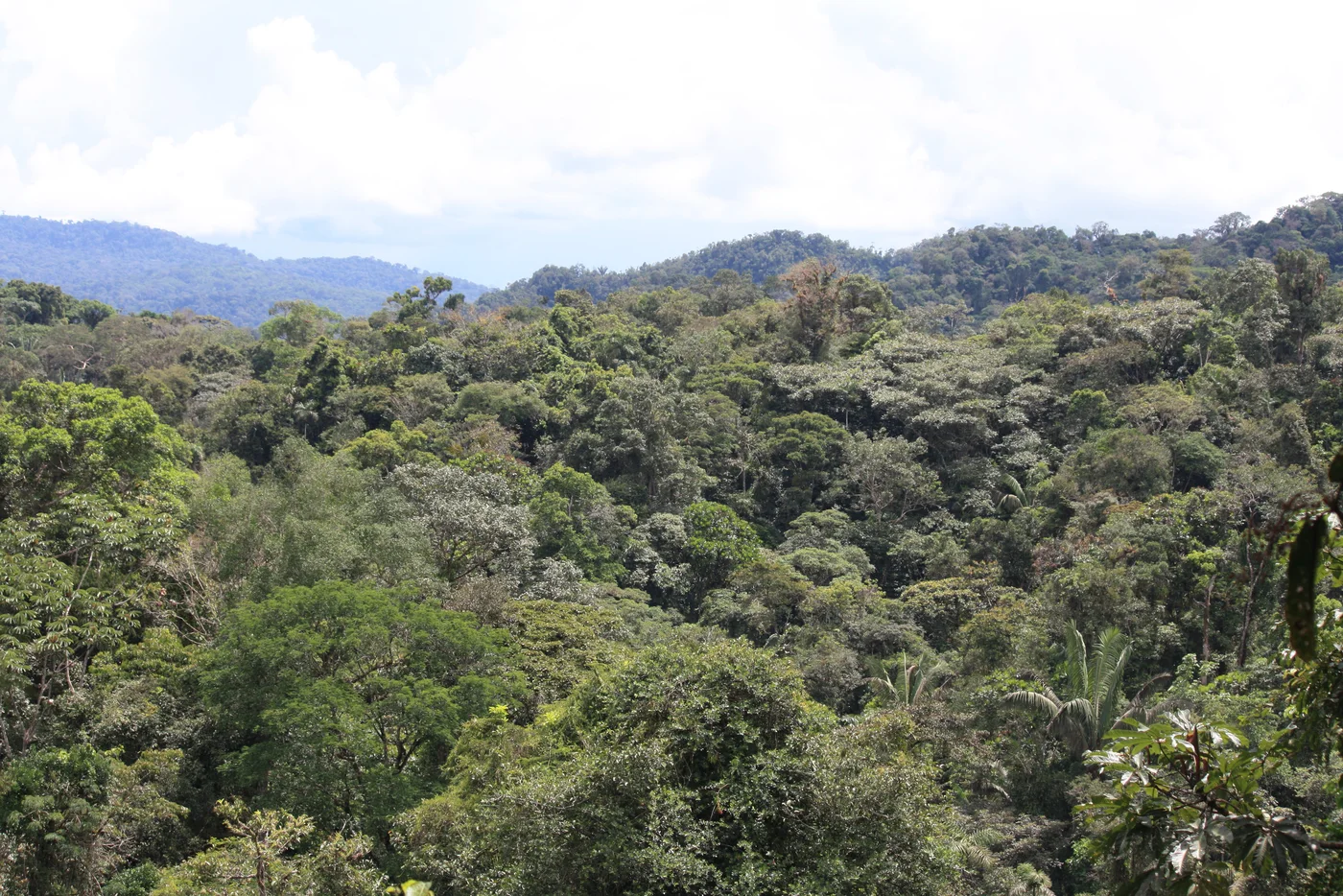
The Arariboia reserve represents the last surviving bastion of primary rainforest in Maranhão, surrounded by predatory agricultural expansion.
UN indigenous conventions and FUNAI protocols mandate non-contact policies to protect sovereign native self-determination.
Global Repercussions and Urgent Demands on the Brazilian Government
The crisis in Arariboia has prompted Brazil’s Ministry of Indigenous Peoples, led by Sônia Guajajara, to coordinate urgent multi-agency federal police operations in the region. However, international advocacy groups demand permanent structural safeguards rather than temporary policing.
Action items include completely dismantling illegal sawmills in adjacent municipal border towns, permanently seizing logging infrastructure, and establishing permanently staffed military and police checkpoints along primary transit corridors into the reserve. Constitutional protections established in Brazil’s 1988 Constitution guarantee indigenous peoples permanent rights to their ancestral lands, but those guarantees require tangible enforcement.
The emergence of the Awá is not a desire to join consumer civilization; it is a desperate plea for survival from a people being choked out of their homeland. Whether the international community and Brazilian authorities rise to this historic challenge will serve as a definitive test of our collective humanity.
- The Awá are considered the most threatened indigenous group on Earth due to their small population and extreme territory loss.
- The Arariboia reserve is the final surviving primary forest tract in Maranhão state, where over 75% of native canopy has been destroyed.
- The Guajajara Forest Guardians volunteer on the front lines to protect uncontacted kin, repeatedly facing violent retaliation from cartels.
- Under Brazil’s 1988 Constitution, indigenous communities possess inalienable rights to the exclusive possession of their ancestral lands.