

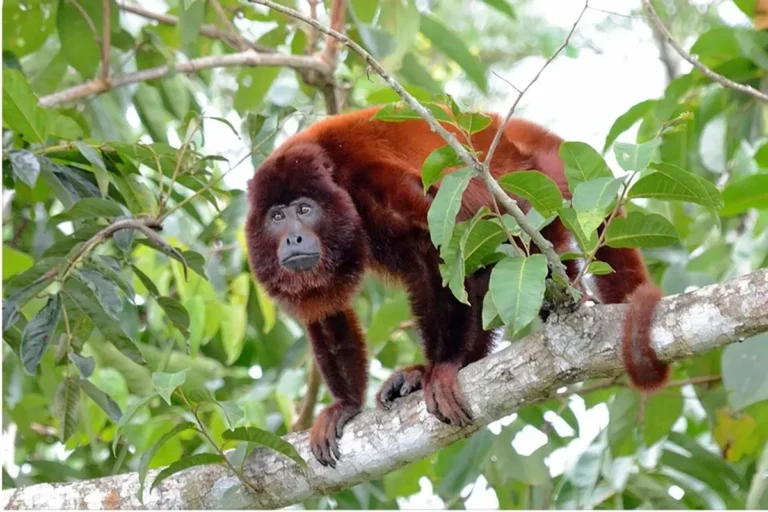

In a landmark milestone for primatology and evolutionary genetics, an international team of scientists has identified and formally described new howler monkey species amazon for the first time in eighty-five years. By analyzing whole-genome and mitochondrial datasets from historic natural history collections alongside modern wild populations, researchers distinguished Alouatta iroi and Alouatta matogrossensis, shedding unprecedented light on the dynamic speciation mechanisms of South America’s most vocal primates.
Historical Background: Why Alouatta Classification Remained Unchanged Since 1941
Howler monkeys (genus Alouatta) are among the most famous and ecologically significant mammals inhabiting Neotropical rainforests. Known across the globe for their cavernous guttural calls—amplified by an enlarged hyoid bone that acts as a natural acoustic resonating chamber carrying sound up to five kilometers across the forest—these canopy dwellers have nonetheless puzzled taxonomists for generations. The last time researchers officially described a new living howler monkey species was back in 1941. The prolonged delay was largely driven by pronounced morphological conservatism: distinct evolutionary lineages looked nearly indistinguishable to the naked eye.
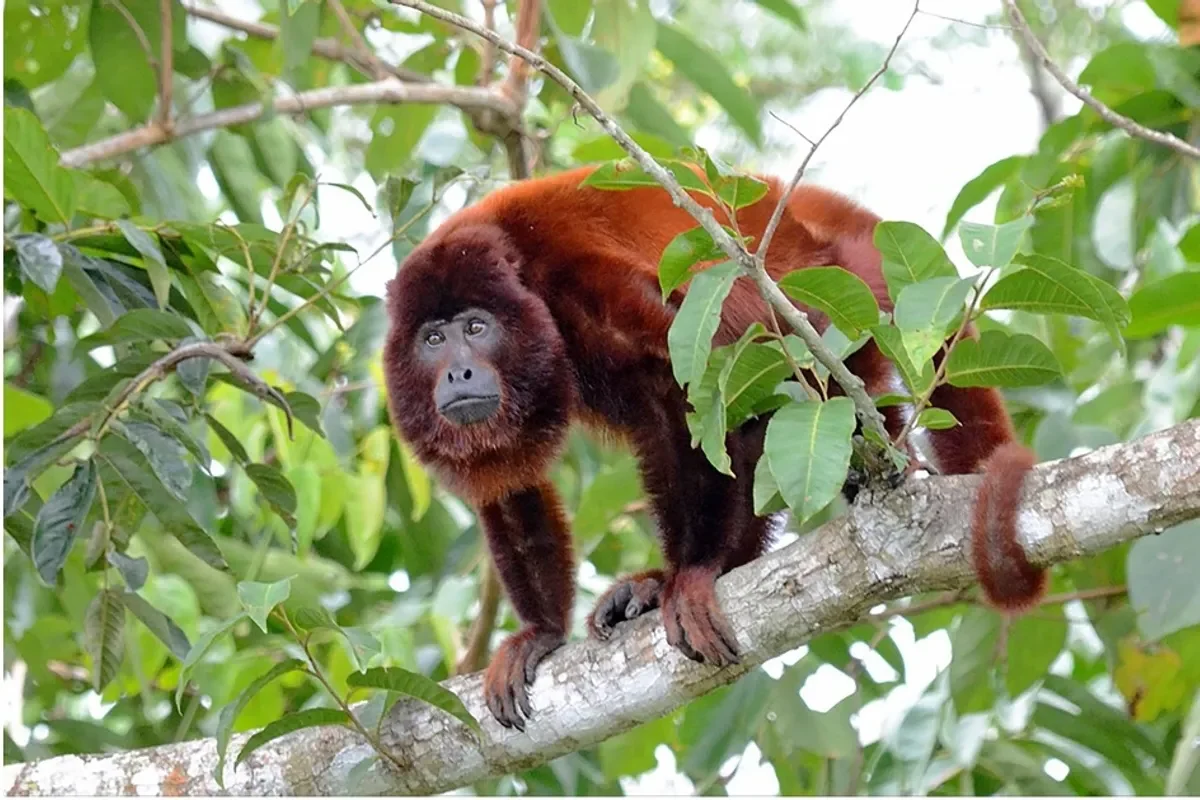
Historically, field biologists had to rely on pelage coloration, general morphology, and cranial measurements of museum specimens, which frequently obscured cryptic diversity and reproductive isolation among disjunct populations. The impasse was broken only with modern high-throughput Next-Generation Sequencing (NGS) technologies, capable of extracting pristine genomic markers from decades-old desiccated skin tissue stored within historical museum archives.
Led by evolutionary biologist Dr. Romina Batista from the University of Gothenburg in Sweden and the University of Salford in the UK, alongside Brazilian researchers from the National Institute of Amazonian Research (INPA), the team cracked open this evolutionary mystery. Much like how modern scientific studies on vocal communication and social learning in higher primates illuminate the cognitive roots of hominid language, this comprehensive genomic mapping resolved longstanding questions in primate diversification.
Genomic Methodology: How Historic Museum Specimens Revolutionized Taxonomy
Published in the peer-reviewed journal Communications Biology, the investigation evaluated genomes from 11 recognized howler monkey species distributed across Central and South America. Researchers targeted thousands of ultra-conserved nuclear elements (UCEs) and complete mitochondrial genomes, integrating fresh tissue biopsies with natural history collections spanning Brazil, Europe, and the United States.
Calibrated molecular clock analysis indicated that the genus Alouatta originally diverged from its closest platyrrhine relatives during the Miocene, approximately 19 to 13.5 million years ago. However, the prolific diversification within the Amazon basin accelerated markedly during the Pleistocene epoch. Shifting climatic regimes and the formation of South America’s immense river drainage networks established powerful barriers to gene flow.
Major Amazonian rivers—including the Amazon, Rio Negro, Xingu, Rio Branco, and Madeira—served as unyielding biogeographical boundaries. While howler monkeys can swim across narrow creeks or traverse contiguous tree canopies, vast river channels kilometers wide proved insurmountable barriers. Over hundreds of thousands of years, vicariant isolation on opposing riverbanks drove profound genetic divergence and speciation.
«Our study shows that the Amazon still holds remarkable biological secrets, even among well-known animals such as howler monkeys. This discovery comes at a critical time, as increasing deforestation and habitat fragmentation threaten many Amazonian species before they are fully understood by science.»
Dr. Romina Batista, Lead Author, University of Salford and University of Gothenburg
Morphological Profiles: Alouatta iroi and Alouatta matogrossensis
The first newly established species is Alouatta iroi, commonly designated the Pantepui red howler. Inhabiting northwestern Amazonia between the Rio Branco and Rio Cauaburi rivers across northern Brazil, Venezuela, and Guyana, this primate is distinguished by its vivid yellowish-brown to golden coat and a distinctly sculpted beard framing its resonating hyoid bone.
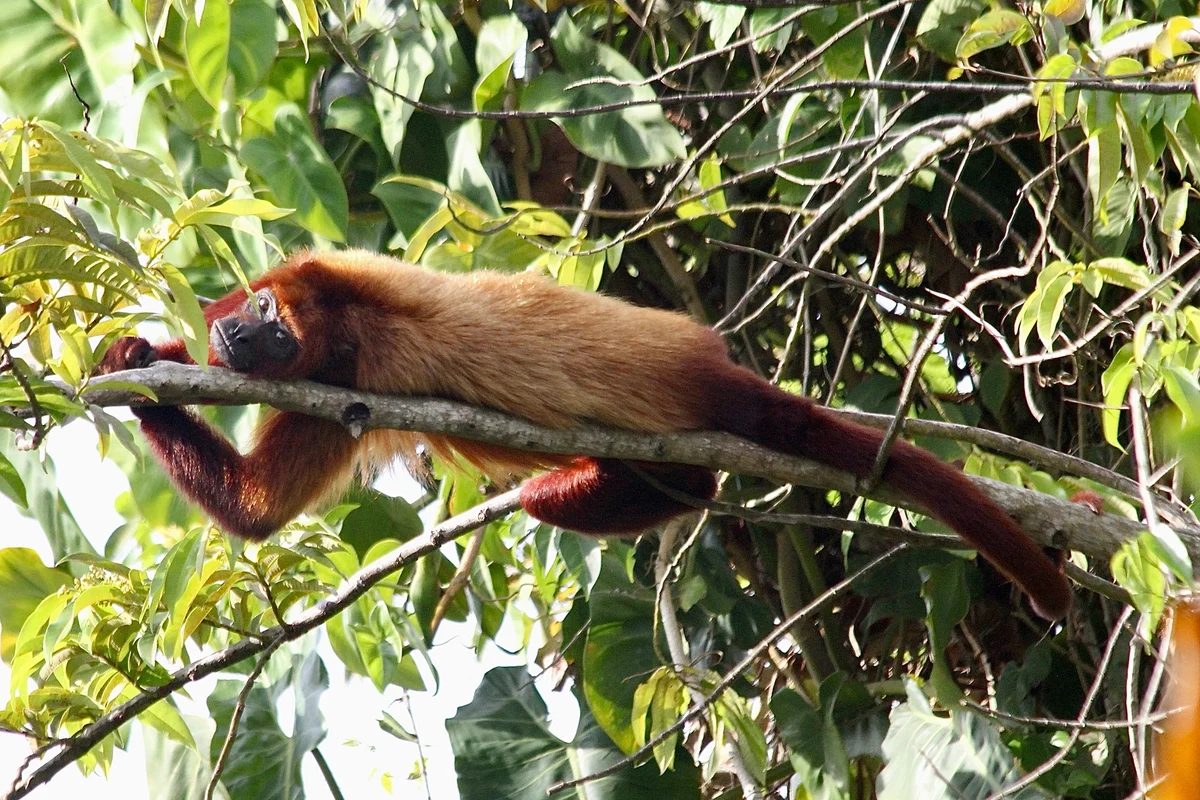
The second discovery, Alouatta matogrossensis (the Mato Grosso red howler), occupies southern Amazonia in the Brazilian state of Mato Grosso, strictly delineated between the Madeira and Teles Pires river basins. Characterized by a rich, dark reddish-copper pelt, a robust build, and distinct diagnostic mutations within the mitochondrial cytochrome b gene, this species represents a previously unrecognized branch of the red howler lineage.
In addition to unveiling these two species, the genomic analysis restructured the wider howler monkey phylogenetic tree. Notably, the Trinidad howler (Alouatta insulanus), historically relegated to a mere subspecies status, demonstrated clear genomic divergence warranting its recognition as a full, distinct species, while the Amazonian black howler (Alouatta nigerrima) was shown to have diverged much earlier than previously hypothesized.
Ultra-conserved DNA sequencing identified cryptic species that morphological skull measurements masked.
Expansive Amazonian river networks acted as physical speciation barriers across hundreds of millennia.
An adapted, cavernous hyoid bone amplifies territorial roars, carrying male vocalizations over 5 kilometers.
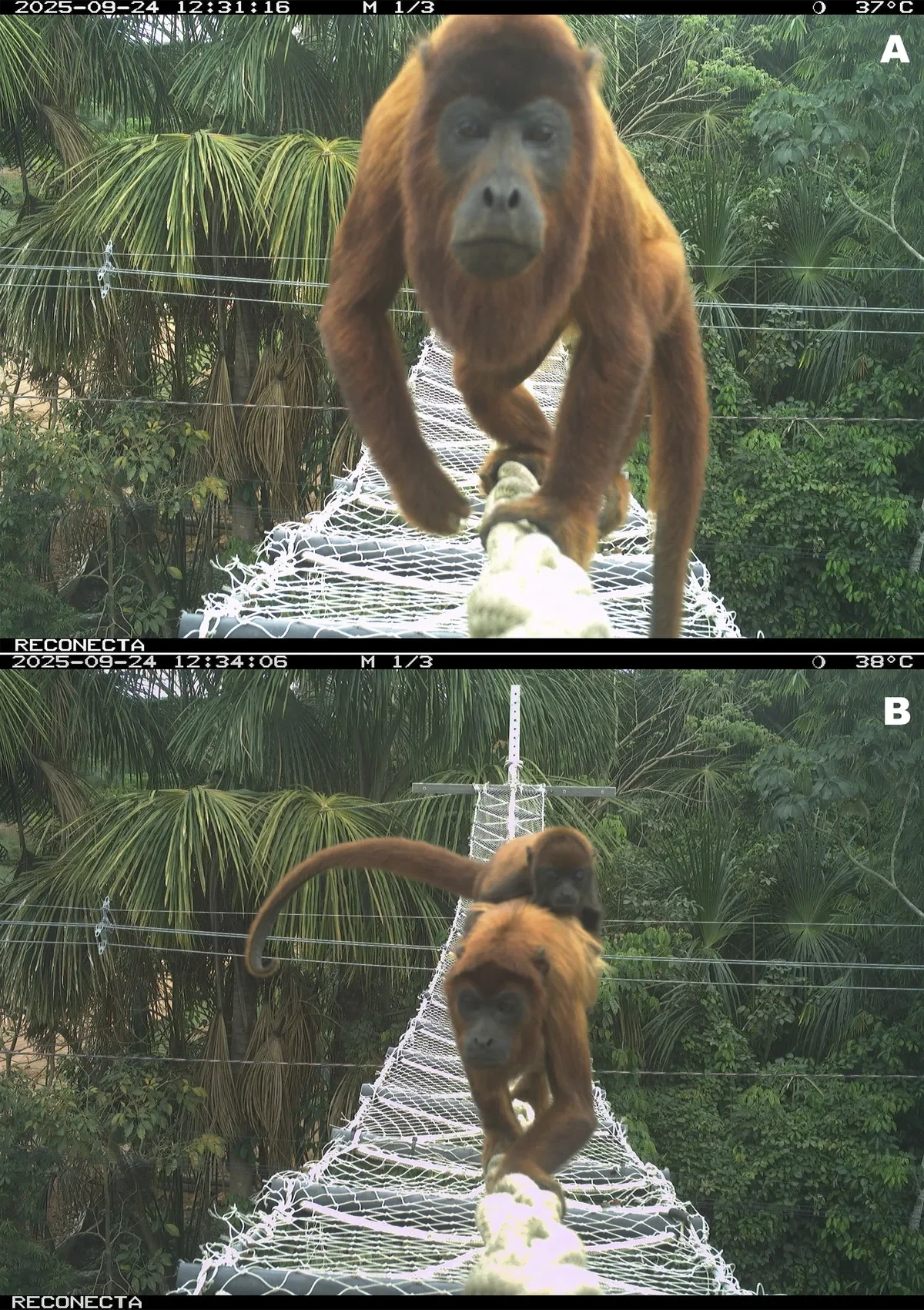
Ecologists install aerial rope bridges above highways to protect migrating females and nursing infants.
Immediate Extinction Threats in the Arc of Deforestation
One of the most alarming revelations of the study is that both species are already in grave peril at the very moment of their scientific recognition. The habitat of Alouatta matogrossensis lies directly within the notorious “Arc of Deforestation” across the southern rim of the Brazilian Amazon. Intensive industrial agriculture, cattle ranching, and unchecked logging roads have carved once-continuous rainforests into fractured, isolated fragments.
Forced to descend from the canopy to cross cleared pastures and highways, howler monkeys face catastrophic mortality from vehicular collisions, dog attacks, and opportunistic poaching. In response, conservationists with the Projeto Reconecta initiative have begun erecting artificial canopy rope bridges above major roads, allowing females carrying young to safely traverse severed forest corridors.
Meanwhile, Alouatta iroi in northern Amazonia confronts the destruction of seasonally flooded várzea forests due to planned hydroelectric dams along the Rio Branco. Flooding of critical riverbanks threatens to drown essential foraging trees—including native wild figs and legumes—on which these specialized folivorous primates depend.
- Marks the first formal description of a living howler monkey species in 85 years (since 1941).
- Raises the total number of recognized howler monkey species in the genus Alouatta from 14 to 16.
- Elevates the island-endemic Trinidad howler Alouatta insulanus to full distinct species status.
- Urgent protection is needed to preserve habitat corridors within the southern Arc of Deforestation.
Implications for Amazonian Conservation and Global Biodiversity
This discovery serves as a powerful reminder of how much remains unknown about Earth’s biodiversity. If conspicuous, large-bodied mammals capable of vocalizing across miles can remain unnoticed by science for nearly a century, the hidden wealth of invertebrate, fungal, and botanical life in the Amazon remains vastly underestimated.
The authors urge the International Union for Conservation of Nature (IUCN) to swiftly classify Alouatta matogrossensis as Endangered. Formal conservation listing is vital to establishing legally protected biological corridors, enforcing deforestation bans, and securing international funding to safeguard these remarkable primates before their habitats vanish entirely.