

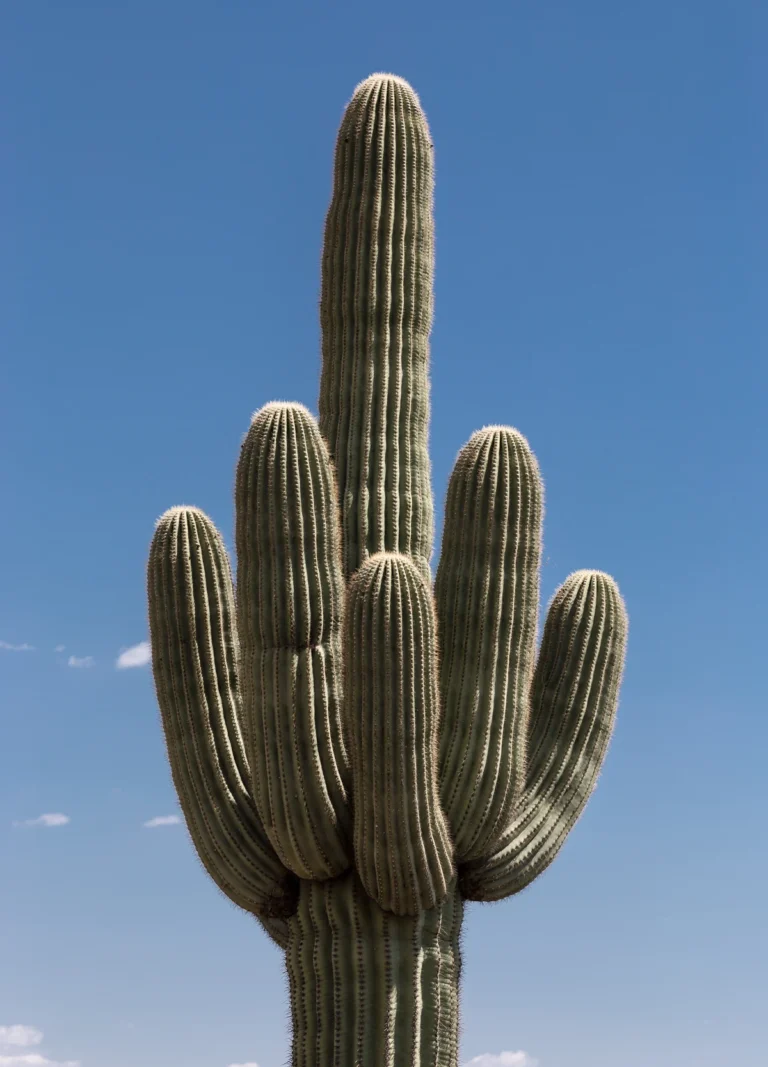

Millions of years of rigorous evolutionary refinement forged cacti into the ultimate champions of desert survival, yet accelerating anthropogenic global heating has breached their physiological thresholds: even cacti are dying off in unprecedented numbers across Earth’s arid zones. A landmark global assessment published in the premier scientific journal Nature delivered a sobering wake-up call to the conservation community. Led by researchers from the University of Arizona, the University of South Florida, and the IUCN Species Survival Commission, the study revealed that conventional bioclimatic models severely underestimated the compound devastation of multi-year droughts and soaring nighttime temperatures, placing over a third of all cactus species at immediate risk of extinction by 2100.
Masterpieces of Arid Evolution: Why Cacti Were Deemed Invincible
Comprising nearly 1,500 documented species, the cactus family (Cactaceae) represents one of evolutionary biology’s most extraordinary triumphs. To endure prolonged precipitation deficits and relentless ultraviolet radiation across the Americas, ancient ancestral cacti abandoned broad leaves, transmuting them into defensive, moisture-conserving spines.
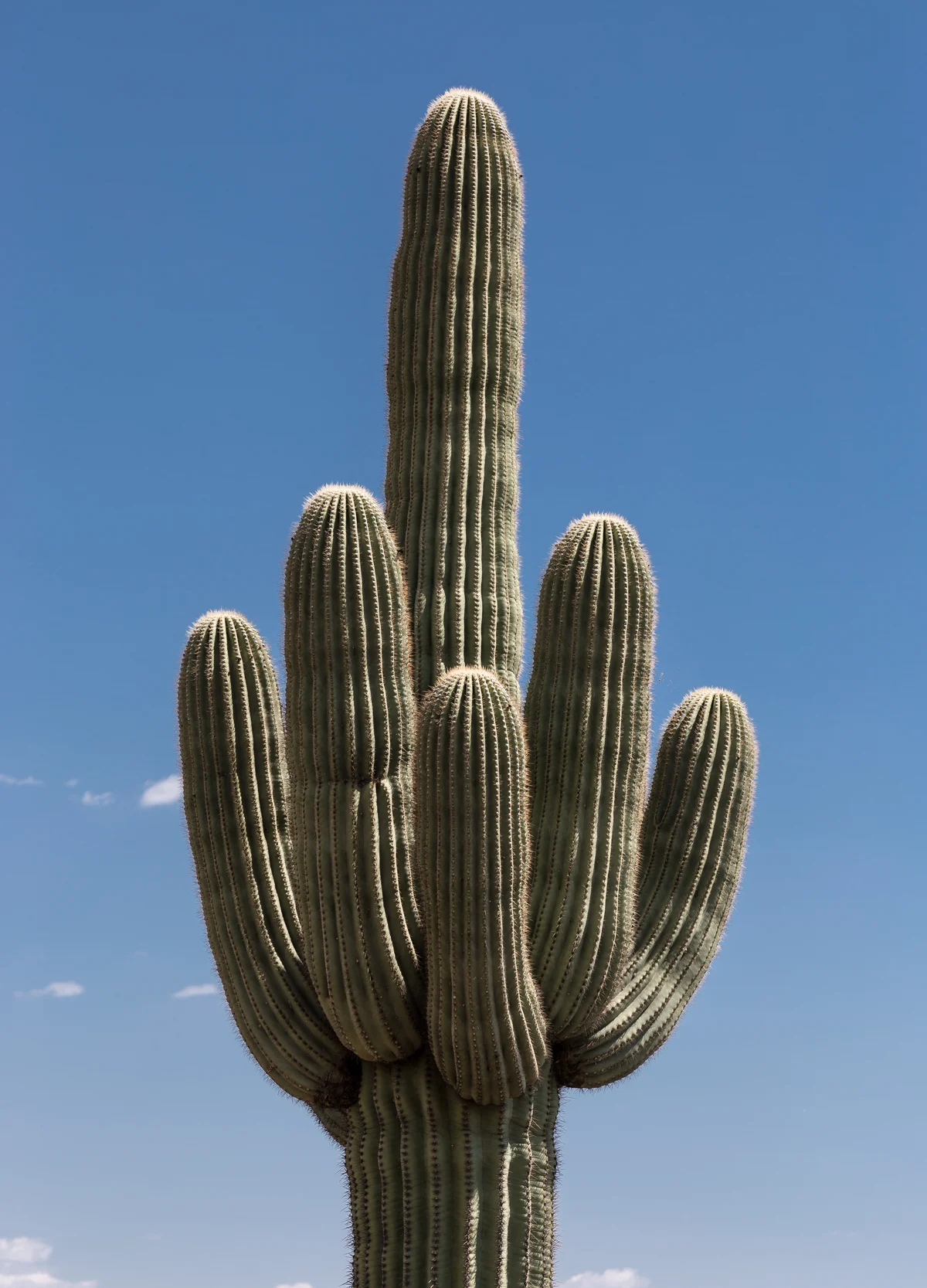
Their accordion-pleated succulent stems serve as sophisticated hydraulic reservoirs. Directly beneath a thick, waxy cuticle lies specialized water-storage parenchyma. Following torrential desert flash floods, the expansive, shallow root system of an iconic saguaro (Carnegiea gigantea)—spreading tens of meters just below the soil surface—can absorb and store several tons of water within a few days, sustaining the giant through arid spells.
Crucially, their survival is anchored in Crassulacean Acid Metabolism (CAM photosynthesis). Unlike standard C3 or C4 flora that respire during daylight, cacti seal their stomata throughout the scorching day to minimize evaporative transpiration. Under the nocturnal sky, they open their pores, capturing atmospheric carbon dioxide and converting it into malic acid (malate). During the subsequent day, malate is enzymatically decarboxylated to fuel the Calvin cycle.
Yet this physiological adaptation relies on an indispensable environmental prerequisite: cool nighttime ambient temperatures. Previously, we analyzed how global greenhouse emissions alter planetary thermal equilibrium, eroding the diurnal cooling cycles essential for desert flora.
The CAM Metabolism Collapse: When Nights Never Cool Down
In their groundbreaking Nature investigation, lead author Michiel Pillet, alongside macroecologists Brian Maitner and Brian Enquist, modeled the spatial distributions of nearly 1,000 cactus species against high-resolution climate projections of compound extreme heat events.
Their findings exposed a critical blind spot in previous conservation assessments. Conventional bioclimatic forecasting relied on long-term mean annual temperatures, falsely implying that heat-adapted succulents would effortlessly withstand moderate warming. The empirical reality proved far darker: extreme summer heatwaves across the American Southwest, Mexico, and South America increasingly keep nighttime temperatures above 32–35°C (90–95°F).
Under these stifling conditions, CAM photosynthesis breaks down. High nocturnal heat drastically reduces the affinity of the phosphoenolpyruvate carboxylase enzyme for CO2, while mitochondrial dark respiration accelerates, burning stored carbohydrates faster than they can be synthesized. Opening stomata into hot nocturnal air precipitates fatal moisture loss.
When consecutive years of extreme drought deplete internal water reserves without winter rainfall replenishment, internal turgor pressure collapses. The water-storage parenchyma deteriorates, stems shrink, and monumental century-old saguaros snap under their own mass or desiccate from within, leaving behind bleached wooden ribs.
«Cacti are remarkably drought-tolerant, but they are not invincible. When night temperatures stay scorching, their specialized respiratory machinery suffocates under chronic heat stress.»
Michiel Pillet, Lead Ecologist at the University of Arizona and the University of South Florida
Alarming Projections in Nature: Over a Third of Species Facing Extinction
The quantitative projections published in Nature (Pillet et al., 2026) paint a devastating ecological trajectory. Over 70% of all examined cactus species will experience severe geographic range contractions by the close of the twenty-first century.
Most catastrophically, between 25% and 35% of cactus species are projected to lose more than 80% of their bioclimatically suitable habitat. Under the standardized criteria of the International Union for Conservation of Nature (IUCN Red List), an 80% habitat loss qualifies a taxon for Critically Endangered status, the final step before outright extinction.
This elevates cacti alongside tropical coral reefs and montane amphibians as one of the planet’s most imperiled taxonomic assemblages. Unlike mobile animals, long-lived, slow-growing cacti cannot migrate across fragmented landscapes rapidly enough to track shifting bioclimatic envelopes.
Seven out of ten cactus species face significant geographic range contractions by the end of this century.
Between 25% and 35% of cactus species risk losing over 80% of suitable habitat, qualifying as Critically Endangered.
When nocturnal temperatures exceed 32°C, respiratory mechanisms collapse, causing lethal desiccation.
The loss of cacti deprives bats, birds, and desert mammals of indispensable nectar, fruit, and nesting shelter.
Global Extinction Epicenters: From Atacama to the Sonoran Desert
The study delineated key global hotspots where succulent biodiversity is eroding at catastrophic velocity:
In the Atacama Desert of Chile and coastal southern Peru, hyper-specialized endemic genera like Copiapoa and Eriosyce have relied for millennia on coastal advection fogs (camanchaca). Marine warming and altered atmospheric circulation have shifted the fog inversion layer, causing widespread desiccation of centuries-old succulent colonies.
In northeastern Brazil’s Caatinga drylands, intense heatwaves combined with xerophytic forest clearance for cattle ranching threaten over 25% of regional succulent species richness.
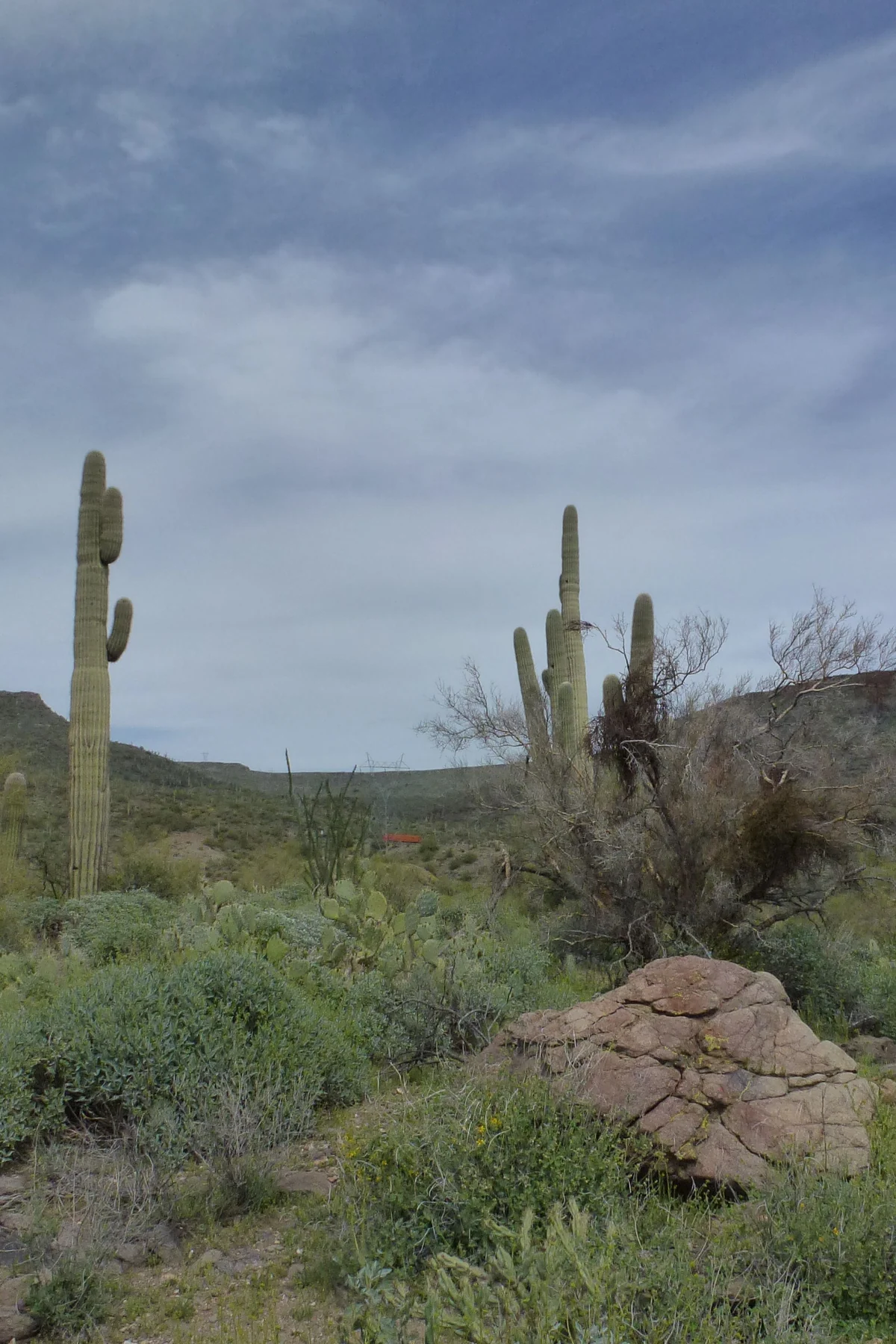
In the Sonoran Desert spanning Arizona and northwestern Mexico, back-to-back record-breaking summer heat domes in 2023 through 2025 triggered mass die-offs of mature saguaros, with specimens standing for 150 to 200 years collapsing in protected national parks.
- Conventional models systematically underestimated arid risks by ignoring compound multi-year droughts.
- Over 70% of cactus species face range contractions, with up to 35% at imminent risk of total extinction.
- Nocturnal heatwaves break the thermodynamic limits of CAM photosynthesis, preventing respiratory recovery.
- Scientists urge the IUCN to update extinction risk classifications to reflect extreme thermal event frequency.
Ecological Cascades and the Urgent Call for Conservation Action
The decimation of cacti triggers profound trophic cascades across arid ecosystems. Cacti operate as irreplaceable keystone species: their nocturnal flowers provide critical nectar for endangered long-nosed bats and hummingbirds, their juicy fruits sustain desert tortoises, peccaries, and jackrabbits, while Gila woodpeckers and elf owls excavate safe nesting cavities inside their trunks.
The loss of cactus canopy leads to accelerated soil desertification, dune mobility, and the unraveling of fragile desert food webs. The authors call on international conservation bodies to integrate compound drought metrics into IUCN status assessments immediately.
The Nature study serves as an undeniable warning: when even Earth’s most resilient, drought-tempered organisms succumb to atmospheric heating, humanity must recognize that the planetary climate crisis has breached desert frontiers far sooner than anticipated.