

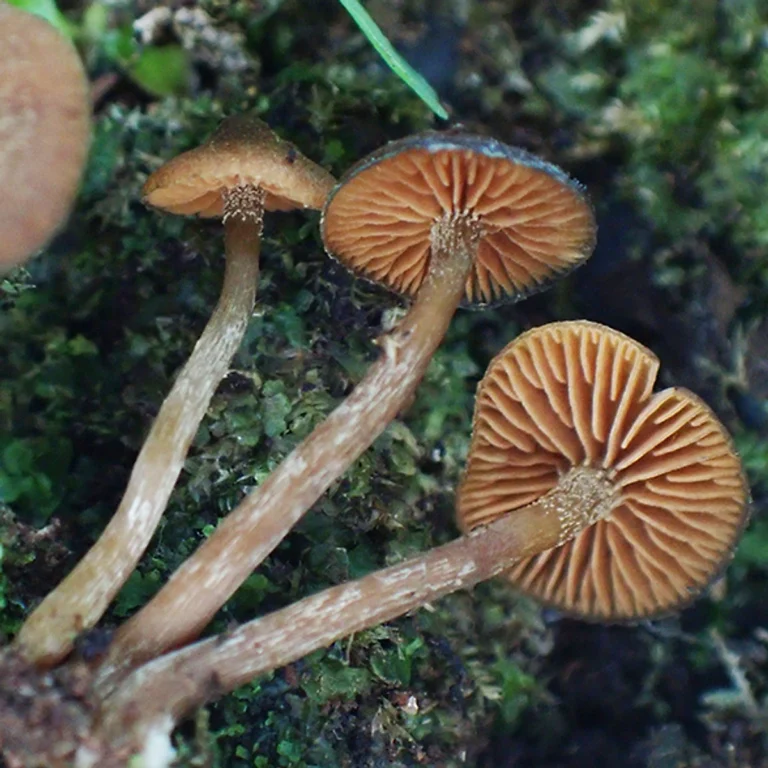

In the natural history of the fungal kingdom, an unwritten dogma long guided foragers and scientists alike: mushrooms were either psychedelic or lethally poisonous, yet a stunning discovery in the Florida wetlands has shattered that assumption forever: researchers have uncovered Galerina indica, colloquially dubbed the dark magic mushroom. In an unassuming brown cap no larger than a fingernail, evolution has fused the mind-altering alkaloid psilocybin with the liver-destroying amatoxins of the infamous death cap. The hallmark blue bruising that foragers have relied on for generations to identify safe magic mushrooms now conceals a fatal chemical trap, prompting emergency medical alerts across toxicology networks.
The Florida Wetland Discovery: How the Dark Magic Mushroom Was Found
The discovery unfolded during intensive fungal biodiversity surveys at the University of Florida Institute of Food and Agricultural Sciences (UF/IFAS) Ordway-Swisher Biological Station in Putnam County, Florida. Undergraduate student researcher Andrew Kunik (Andrew Kunik), working in the specialized laboratory of Professor Matthew E. Smith (Matthew E. Smith), was cataloging woodland fungi within the humid cypress margins of Mill Creek Swamp.
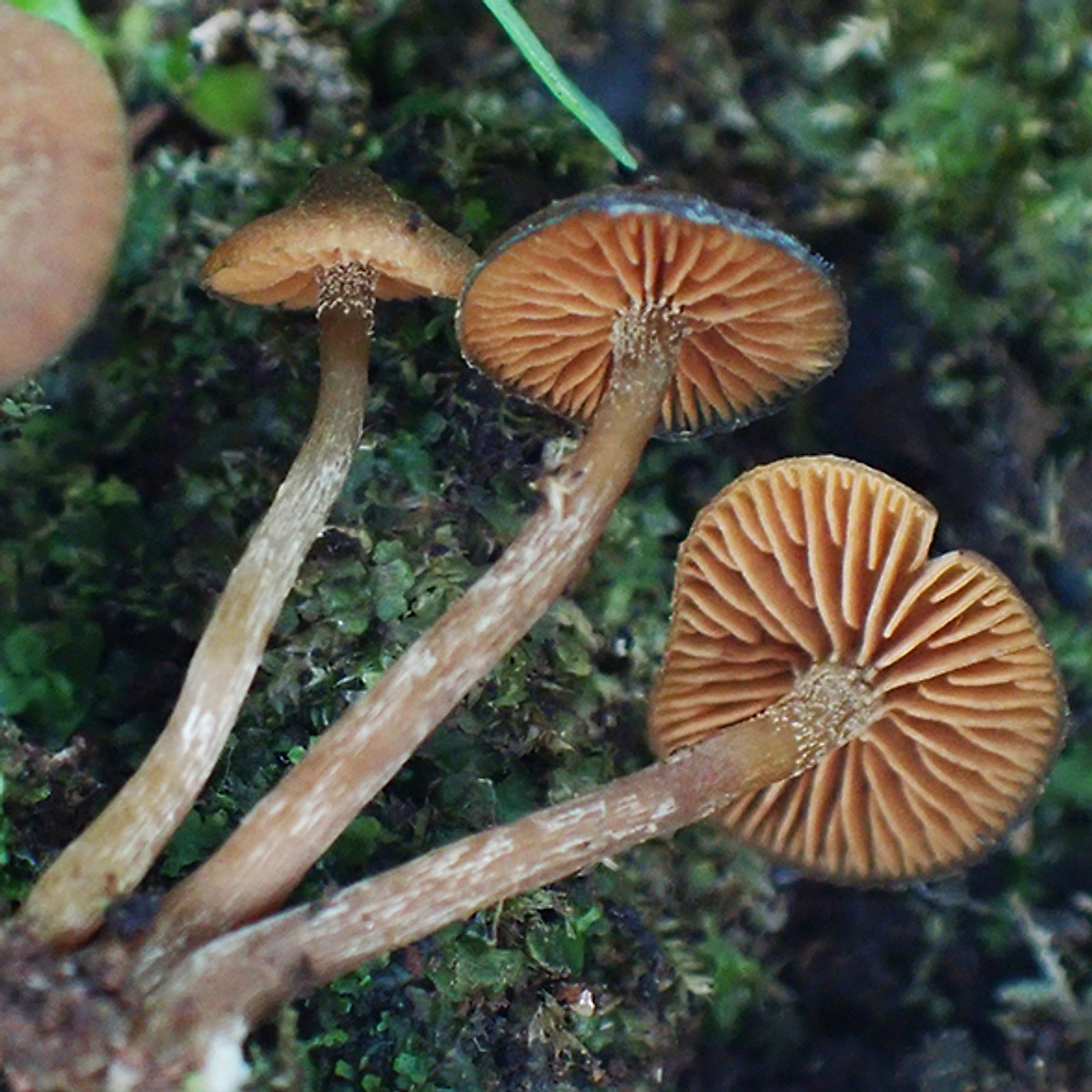
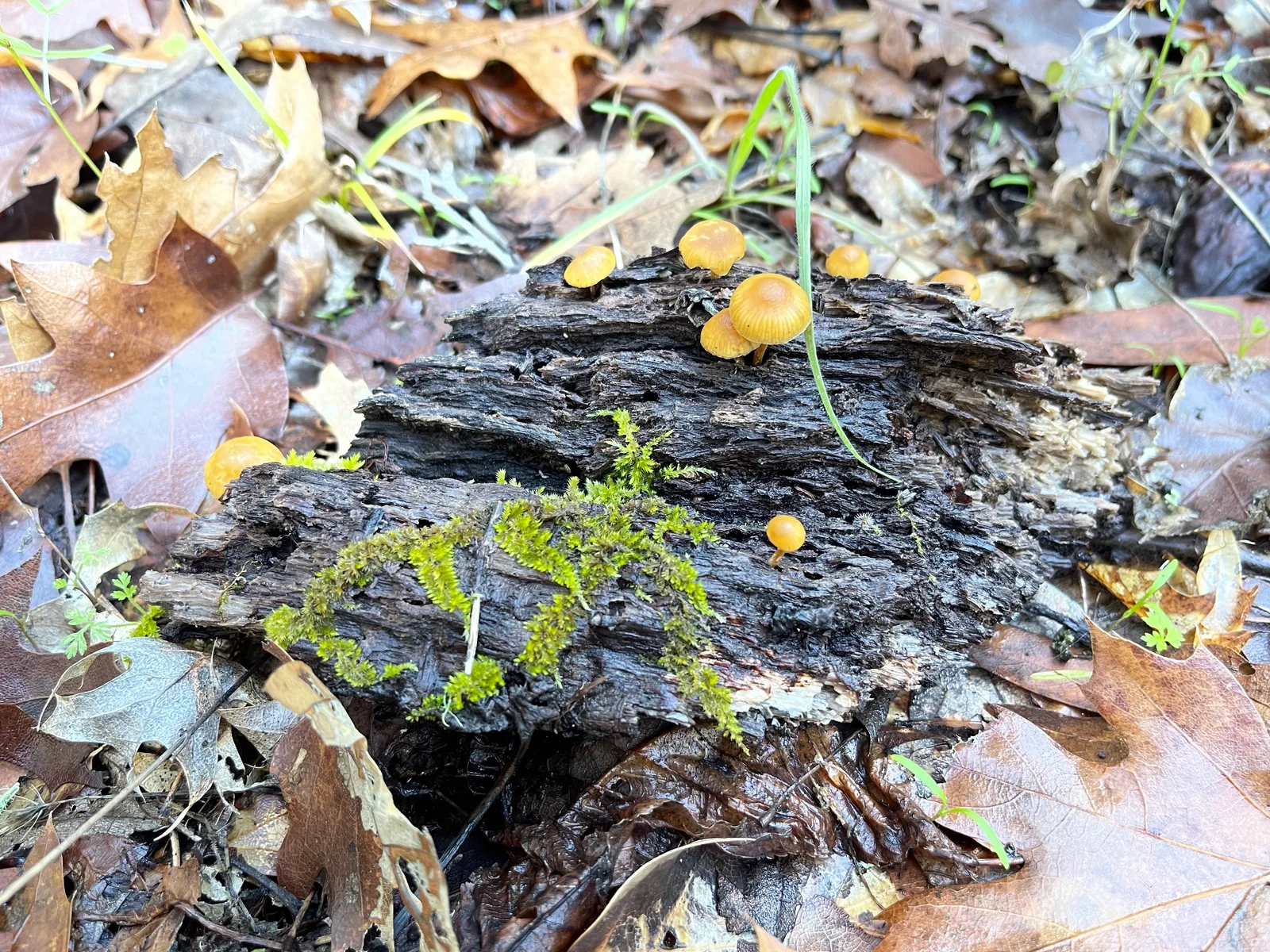
Clustered upon the moss-carpeted trunk of a native cabbage palm (Sabal palmetto), Kunik spotted a colony of tiny, nondescript brown mushrooms whose caps measured just 5 to 12 millimeters across. In professional mycology, such organisms belong to the frustrating category known as LBMs (‘Little Brown Mushrooms’) — hundreds of species that appear nearly identical to the naked eye. Previously, we examined how research into the impact of complex biochemical metabolites illuminates cellular receptor dynamics in living organisms.
When Kunik handled the specimens to create herbarium vouchers, an astonishing chemical reaction occurred: the bruised stems and cap margins rapidly stained an intense cobalt-blue hue. In field foraging lore, blue bruising has long served as the universal badge of psilocybin oxidation. Yet microscopic examination placed the specimen firmly in the genus Galerina — a lineage infamous for producing deadly amatoxins.
A Lethal Dual Cocktail: Mass Spectrometry Confirms Unprecedented Chemistry
To rigorously test the paradoxical specimen, the team collaborated with analytical chemists Michael Christopher (Michael Christopher) and Timothy Garrett (Timothy Garrett) from the University of Florida Department of Chemistry. Using high-resolution liquid chromatography-tandem mass spectrometry (LC-MS/MS), they mapped the molecular fingerprint of the fungal tissue.
The analytical data confirmed a biological first: Galerina indica co-produces both major metabolite classes in significant concentrations. The analysis verified the presence of phosphorylated psilocybin and free psilocin, whose enzymatic breakdown produces the blue pigment. Simultaneously, the tissue revealed lethal concentrations of cyclic octapeptide amatoxins, dominated by alpha-amanitin (α-amanitin) — the exact cytotoxic poison responsible for the lethality of the death cap (Amanita phalloides).
Never before in recorded science had an organism been documented synthesizing both hallucinogenic tryptamines and fatal hepatic toxins. For additional perspective on how potent evolutionary toxins and biological defenses shaped prehistoric ecosystems, review our historical survival analyses.
«I regularly consult with Florida Poison Control, emergency room physicians, and veterinarians treating people or pets who consumed wild mushrooms. Discovering a mushroom that bruises blue from psilocybin yet packs lethal amatoxins presents an unprecedented clinical diagnostic dilemma.»
Matthew E. Smith (Matthew E. Smith), Professor of Plant Pathology at UF/IFAS and Florida State Mycologist
Horizontal Gene Transfer: How Evolution Engineered a Fungal Chimera
To explain this biochemical anomaly, Andrew Kunik sequenced the entire nuclear genome of Galerina indica alongside fungal evolutionary geneticists Bryn Dentinger (Bryn Dentinger) of the University of Utah and Jason Slot (Jason Slot) of Ohio State University. Their phylogenomic analysis uncovered definitive evidence of horizontal gene transfer (HGT).
Phylogenetic reconstruction indicated that the ancestral Galerina lineage already possessed the ancient MSDIN gene cluster and POPB prolyl oligopeptidase machinery required to manufacture amatoxins. However, through millions of years of ecological co-habitation in rotting wood substrates alongside hallucinogenic species of Psilocybe or Panaeolus, an ancestor acquired an intact four-gene cluster: psiD (decarboxylase), psiK (kinase), psiM (methyltransferase), and psiH (cytochrome P450).
This foreign cluster successfully integrated into the Galerina chromosome, remaining transcriptionally active and fully functional. The resulting chimera wields a two-pronged biochemical arsenal: amatoxins that inflict fatal damage on vertebrate foragers, and tryptamines that alter insect behavior or modulate 5-HT₂A receptor signaling in forest invertebrates.
The first documented mushroom species combining mind-altering psilocybin with fatal death-cap amatoxins.
Blue bruising upon contact masks lethal liver-destroying poisons beneath a visual trait historically linked to safe foraging.
Whole-genome sequencing proved the mushroom acquired an intact four-gene psilocybin cluster from other fungal lineages.
Poison control centers and veterinary clinics have issued alerts overturning previous diagnostic guidelines.
The Biphasic Lethality Trap: Clinical Toxicology of Amatoxin Poisoning
The profound danger of the dark magic mushroom lies in the mismatched kinetics of its active compounds. If an unsuspecting recreational forager ingests these mushrooms expecting a psychedelic experience, psilocybin induces its characteristic altered perception, sensory enhancement, and euphoria within 20 to 45 minutes.
Yet alongside the psychedelic high, alpha-amanitin quietly enters the bloodstream. Amatoxins are heat-stable toxins completely immune to cooking, boiling, or stomach acid. Transported via the portal vein directly into liver cells, amanitin molecules bind irreversibly to RNA polymerase II, the essential enzyme responsible for synthesizing messenger RNA (mRNA).
Inhibiting RNA polymerase II abruptly halts cellular protein synthesis, triggering massive centrilobular liver necrosis. The insidious danger is the prolonged asymptomatic period: after the psilocybin high fades, patients feel entirely normal for 6 to 24 hours. Only then does the catastrophic second phase strike with severe gastrointestinal collapse, hypovolemic dehydration, and rapid fulminant hepatic failure carrying a 30% to 50% mortality rate without an emergency liver transplant.
- Shattering the long-standing ecological belief that psychedelic and lethal fungal traits are mutually exclusive.
- Compelling physical evidence of functional horizontal gene transfer shaping fungal biochemical evolution.
- Urgent diagnostic revisions required for poison control networks, hospital ERs, and veterinary practices.
- Unlocking potential biomanufacturing platforms through selective gene-knockout strategies for medicine.
Medical Alerts and Fungal Biotechnology Frontiers
The formal study published in the peer-reviewed journal Current Biology (Kunik et al., 2026) immediately alerted clinical toxicology centers worldwide. Emergency physicians can no longer rely on patient reports of blue-staining mushrooms as evidence that an ingestion is free from lethal hepatotoxins.
State veterinary authorities have similarly warned pet owners. Curious dogs foraging through humid Florida leaf litter frequently ingest small brown mushrooms; for a canine weighing 10 to 20 pounds, consuming just two or three caps of Galerina indica delivers a fatal dose of amatoxin that destroys liver function within hours.
Conversely, for biotechnology researchers, Galerina indica presents an unprecedented platform. By using CRISPR gene editing to knock out the amatoxin pathway while preserving the psilocybin cluster, scientists hope to develop robust alternative expression hosts for the biomanufacturing of therapeutic psilocybin, currently demonstrating remarkable success in clinical trials for treatment-resistant depression.