



For most mothers, nursing an infant is heralded as a serene, oxytocin-rich bonding experience. Yet for thousands of women worldwide, every single nursing session begins with a sudden, overwhelming wave of profound sorrow, panic, and inexplicable self-loathing. Unraveling why breastfeeding triggers despair, medical science has identified a distinct physiological syndrome known as Dysphoric Milk Ejection Reflex (D-MER). This condition is fundamentally distinct from postpartum depression: its biological root lies in an abrupt neurochemical plunge in dopamine within the tuberoinfundibular pathway of the hypothalamus precisely as lactation is initiated.
A Two-Minute Onset of Dread: The Clinical Presentation of D-MER
This perplexing clinical presentation was first comprehensively cataloged by American lactation consultant Alia Macrina Heise. Two weeks after giving birth, she began experiencing acute negative feelings with every feeding. Symptoms emerged predictably 30 to 90 seconds prior to the milk ejection reflex—the physiological moment when milk moves through lactiferous ducts toward the nipple. She described an instantaneous sensation of doom, hollow homesickness, worthlessness, and profound aversion.

Yet within minutes of milk flowing, the emotional storm vanished without a trace. She felt calm, loving, and deeply bonded with her newborn. This cycle repeated five to six times daily for eighteen months. Outside of milk release, she demonstrated zero baseline depression or generalized anxiety.
In 2011, Heise teamed up with lactation specialist Diane Wiessinger to publish the first peer-reviewed case study in the International Breastfeeding Journal, formally establishing the clinical taxonomy of Dysphoric Milk Ejection Reflex (D-MER). Prior to this landmark report, countless women suffered in silence, terrified that voicing these visceral reactions would lead to misdiagnoses of postpartum psychosis or accusations of maternal failure.
Such intricate neuroendocrine feedback loops mirror other extraordinary frontiers in neonatal biology, such as investigations into early infant neurodevelopment and neurochemical adaptations.
Heise established D-MER.org in 2007 as a vital clearinghouse for lactating parents. Thousands of testimonials from across the globe converged on an identical clinical trajectory: a wave of visceral doom, emotional hollow feeling, restlessness, and an urgent impulse to unlatch, followed by complete emotional resolution within 60 to 90 seconds.
Prior to Heise’s documentation, medical professionals routinely pathologized these fleeting sensations, mislabeling them as postpartum anxiety or early maternal detachment. This clinical vacuum drove many mothers into unnecessary isolation and early cessation of breastfeeding.
The Neuroendocrine Plunge: Dopamine, Oxytocin, and Prolactin Crosstalk
Deciphering D-MER requires examining the neuroendocrine cascade of human lactation. Milk secretion depends on two pituitary hormones: oxytocin, which contracts myoepithelial cells surrounding mammary alveoli, and prolactin, which governs milk synthesis. The central biological brake on prolactin secretion is dopamine, synthesized within the hypothalamus.
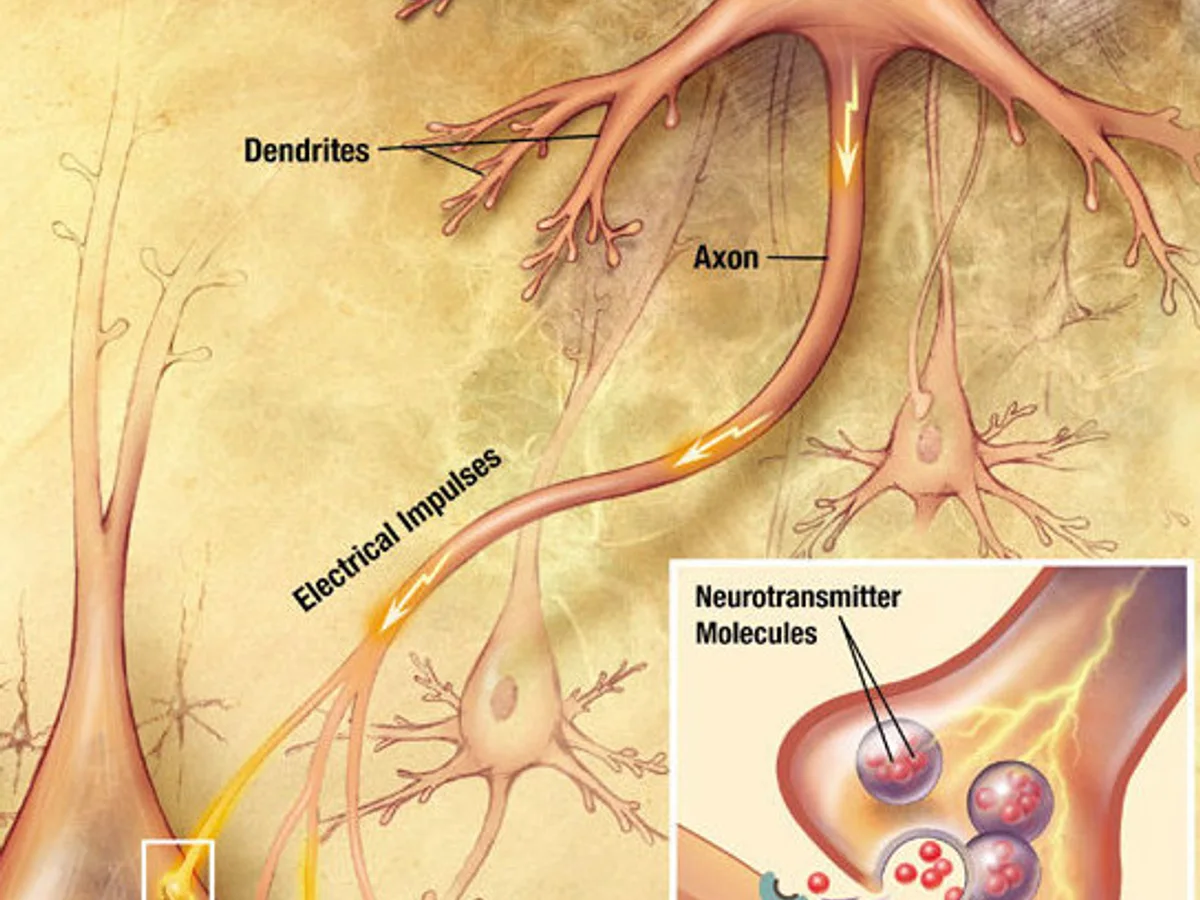
When an infant latches or tactile stimulation occurs, afferent neural pathways signal the brain. To liberate prolactin into systemic circulation, hypothalamic dopaminergic neurons must abruptly suppress dopamine release. In most lactating parents, this drop is smooth and imperceptible, masked by the calming flood of oxytocin.
However, in individuals susceptible to D-MER, dopamine levels fall precipitously. Because dopamine modulates emotional equilibrium, motivation, and feelings of safety in the limbic system, this instantaneous deficit provokes a transient neurochemical depression lasting until synaptic balance is restored.
In human neuroendocrinology, dopamine functions as the primary Prolactin-Inhibiting Factor (PIF). Dopaminergic neurons in the hypothalamic tuberoinfundibular pathway continuously tonically secrete dopamine into the hypophyseal portal circulation, binding to D2 receptors on anterior pituitary lactotrophs to arrest milk production. To permit prolactin secretion during suckling, hypothalamic dopamine tone must be momentarily silenced.
The clinical anomaly in D-MER appears to be a hyper-reactive or unbuffered drop in synaptic dopamine. While neurotypical lactating parents experience a controlled, localized reduction buffered by euphoric oxytocin release, mothers with D-MER experience an acute dopamine plunge that spills into mesolimbic mood centers, inducing acute, transient anhedonia.
«Mothers experiencing D-MER are not psychologically rejecting their child—they are experiencing a raw biochemical drop. Seconds before milk letdown, dopamine plunges so rapidly that the brain is thrown into an acute, fleeting dysphoria. Realizing that this is somatic neurobiology rather than maternal inadequacy brings immense validation.»
Alia Macrina Heise, IBCLC, pioneer and discoverer of Dysphoric Milk Ejection Reflex
Crucial Differentiation: Why D-MER Is Fundamentally Different from Postpartum Depression
Accurate differential diagnosis is paramount. Postpartum depression (PPD) and postpartum anxiety (PPA) represent persistent psychiatric conditions characterized by chronic hopelessness, emotional detachment, and sleep disruption lasting weeks.
By contrast, D-MER is an acute somatic reflex tied strictly to the milk ejection timeline. A mother with D-MER retains full maternal affection and emotional clarity between nursing sessions.
Standard SSRI antidepressants like sertraline target serotonin rather than dopamine and frequently fail to resolve D-MER. Targeted neurochemical interventions reflect the broader trajectory of modern molecular medicine, as exemplified by cutting-edge advancements in targeted clinical biochemistry and immunotherapy.
Differential diagnosis rests on three cardinal markers: transient duration (under three minutes), strict synchronization with the milk let-down reflex, and absolute absence of persistent anhedonia between nursing sessions. Postpartum depression manifests continuously regardless of lactation, whereas D-MER is entirely self-limiting to the hormonal trigger.
Dysphoric waves strike strictly before milk letdown and evaporate as soon as nursing is underway.
Prolactin release requires dopamine inhibition; in D-MER, this drop is abnormally steep and distressing.
A 2025 European study shows 1 in 7 nursing parents experiences D-MER, with 1 in 6 weaning prematurely.
D-MER is a transient neuroendocrine reflex that leaves genuine maternal bonding and joy completely intact.
One in Seven Lactating Mothers: Epidemiological Prevalence of D-MER
Once considered vanishingly rare, recent epidemiological data reveal D-MER is widespread. A 2025 cohort study published in the European Journal of Obstetrics & Gynecology and Reproductive Biology concluded that roughly 14.2% of lactating parents experience D-MER symptoms.
Tragically, due to clinical under-recognition, 1 in 6 affected mothers prematurely abandons breastfeeding, burdened by unwarranted shame.
Comparable transient dysphoria has even been reported in non-lactating women and men upon tactile nipple stimulation (colloquially called ‘sad nipple syndrome’), proving that this neuroreflex exists across general human neuroanatomy.
The related phenomenon of ‘sad nipple syndrome’ underscores the somatic universality of this reflex. Anecdotally observed in non-lactating females, nulliparous women, and males upon tactile nipple contact, it demonstrates an evolutionary neurovascular wiring connecting thoracic mechanoreceptors to dopaminergic emotional pathways.
- Physiological trigger: Tactile nipple stimulation and spontaneous oxytocin surges (let-down reflex).
- Symptom spectrum: Sudden dread, visceral anxiety, hollow sorrow, and transient emotional despair.
- Biochemical pathway: Acute dopamine suppression within the hypothalamic tuberoinfundibular tract.
- Clinical support: Psychological validation, breathing techniques, adaptogens, or dopaminergic agents.
Clinical Management: Pharmacotherapy, Adaptogens, and Mindful Validation
In severe cases where D-MER threatens lactation, clinicians have utilized bupropion (Wellbutrin), a norepinephrine-dopamine reuptake inhibitor that elevates synaptic dopamine and relieves dysphoria within days.
For mild-to-moderate cases, adaptogenic botanicals like Rhodiola rosea can support catecholamine stability.
Ultimately, patient education remains the most potent therapy. Validating that D-MER is a legitimate physiological reflex rather than a moral defect dramatically alleviates distress, empowering parents to achieve their breastfeeding goals.
Behavioral interventions emphasize vagal nerve stimulation through paced diaphragmatic breathing immediately prior to latching, as well as nutritional supplementation with L-tyrosine precursors found in protein-rich foods, dark chocolate, and bananas to sustain healthy catecholamine synthesis.