

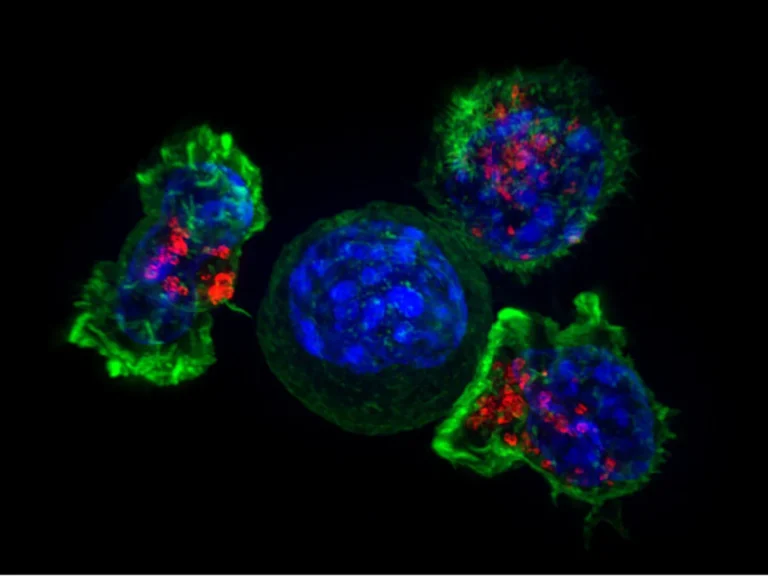

Pancreatic ductal adenocarcinoma has long represented one of oncology’s most devastating challenges, with five-year patient survival rates remaining stagnant near 10–12%. However, landmark Phase 2 clinical trial data published in the prestigious journal Nature Medicine has delivered an unprecedented breakthrough. A novel investigational pancreatic cancer vaccine KRAS mutations therapy successfully trains the human immune system to detect and eradicate malignant cells harboring mutations in the KRAS oncoprotein, the primary driver fueling more than 90% of pancreatic tumors.
The Oncogenic Switch: Why Pancreatic Cancer Vaccine KRAS Mutations Are Transformative
In healthy human cells, the KRAS gene synthesizes a critical signaling GTPase that operates as a biological on-off switch. When bound to guanosine triphosphate (GTP), the protein transmits instructions down the cell interior to stimulate growth, before rapidly hydrolyzing GTP into GDP to deactivate itself. This enzymatic regulation maintains tissue homeostasis in pancreatic ductal epithelium.
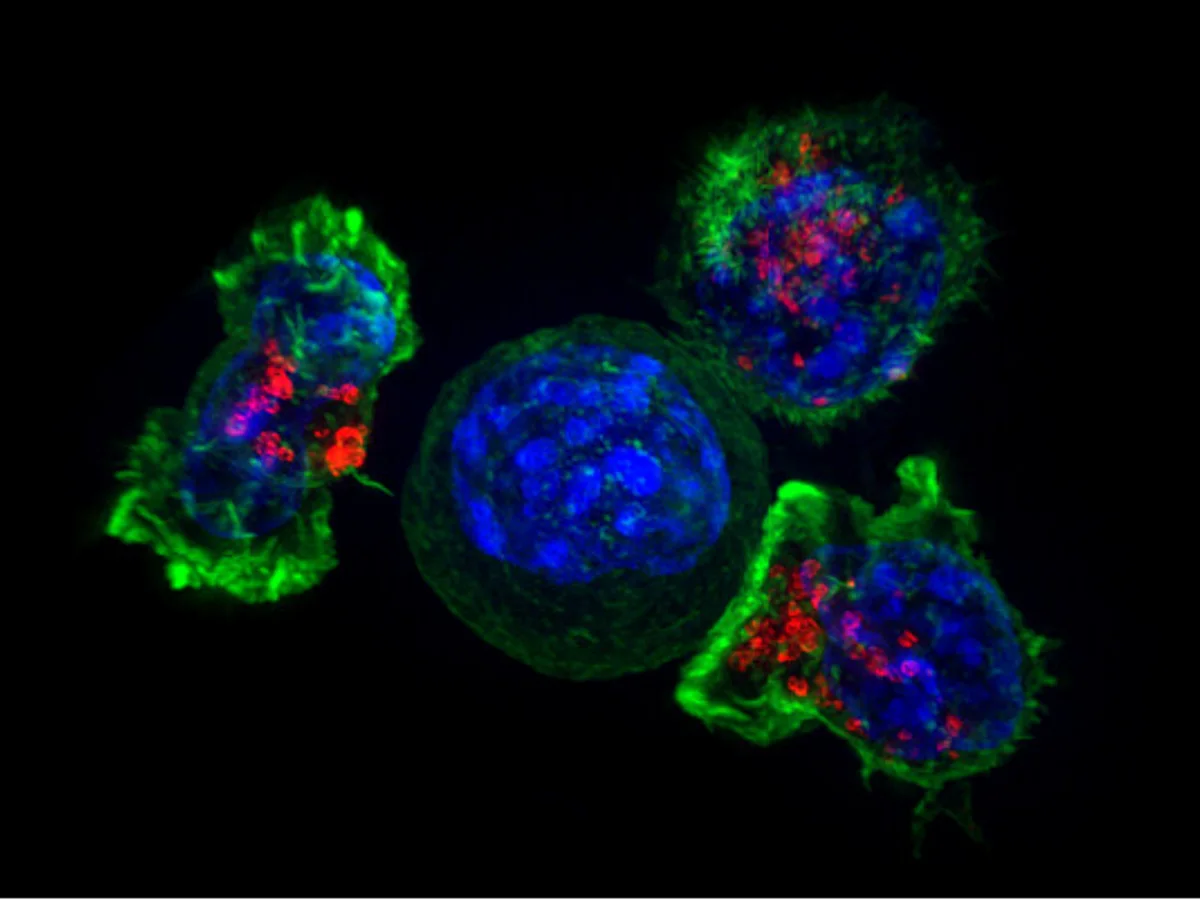
In pancreatic ductal adenocarcinoma (PDAC), point somatic mutations—most frequently amino acid substitutions at positions G12D, G12V, or G12R—paralyze this intrinsic hydrolytic mechanism. Locked permanently into the active state, mutant KRAS relentlessly fires downstream signaling through the MAPK and PI3K-AKT pathways, causing relentless malignant cell division.
Treating pancreatic cancer is compounded by its dense desmoplastic stroma—a dense matrix of collagen and activated stellate cells that compresses blood vessels, thwarts traditional chemotherapy delivery, and creates an immune-desert microenvironment.
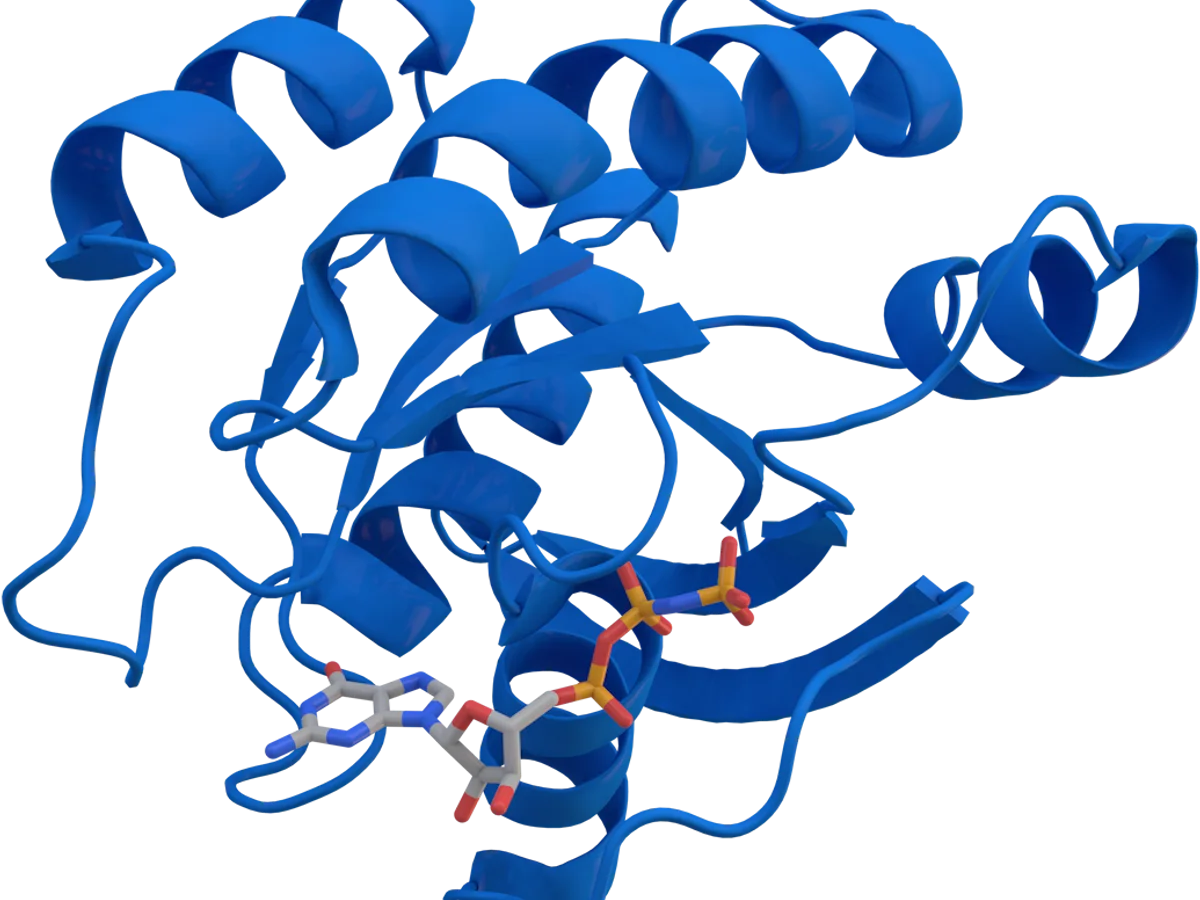
Structurally, the 21-kDa KRAS oncoprotein centers around two highly conserved flexible regions: the Switch I (residues 30–40) and Switch II (residues 60–76) loops. Under physiological conditions, Gln61 and Gly12 precisely orient a coordinating water molecule to catalyze GTP hydrolysis. Missense mutations substituting Gly12 with aspartate (G12D) or valine (G12V) project bulky side chains into the catalytic pocket, disabling GTPase-activating proteins (GAPs) and locking the enzyme into persistent signaling.
Consequently, pancreatic adenocarcinoma cells undergo metabolic rewiring, activating intense macropinocytosis to engulf extracellular proteins while relying on aerobic glycolysis (the Warburg effect). This metabolic flexibility fuels malignant proliferation even under the severe hypoxia and nutrient starvation imposed by the dense desmoplastic microenvironment.
Amphiphile Delivery Platform: Routing Antigens Directly to Lymph Nodes
Known in clinical protocols as ELI-002 (incorporating the camupepimut peptide formulation), the therapy represents an “off-the-shelf” vaccine engineered using an innovative amphiphile technology developed by bioengineers at the Massachusetts Institute of Technology (MIT).
Conventional peptide vaccines diffuse indiscriminately into circulation after subcutaneous injection, where they suffer rapid enzymatic degradation before stimulating immune cells. In contrast, ELI-002 molecules feature a specialized lipophilic lipid tail that binds with high affinity to circulating albumin in interstitial fluids. Albumin naturally chauffeurs the vaccine payload directly into draining lymph nodes.
Within the lymph nodes, dendritic cells internalize the KRAS peptides alongside an attached TLR9 agonist adjuvant. This primes both CD4+ helper and CD8+ cytotoxic T lymphocytes, generating a specialized army of immune cells programmed to traverse physical stroma and destroy cancer cells expressing the mutant KRAS neoantigen.
Incorporating an endosomal TLR9-agonist CpG oligonucleotide adjuvant into the amphiphile payload induces robust upregulation of CD80 and CD86 costimulatory molecules on dendritic cells. This eliminates T-cell anergy and ensures that primed cytotoxic lymphocytes acquire chemokine receptors tailored for homing through the fibrotic stroma directly into pancreatic tissue.
«For four decades, KRAS was considered an undruggable cancer target due to its smooth globular structure, which lacks deep pharmacological binding pockets. By mobilizing cytotoxic T cells against mutant peptide fragments, we turn this hidden oncoprotein into an exposed target for complete immunological clearance.»
Zahid Shaheen, Lead Clinical Oncology Investigator at the Mayo Clinic
Phase 2 Clinical Milestones: 99% Immune Induction and Recurrence Interception
The clinical trial evaluated surgically resected pancreatic and colorectal cancer patients who exhibited high risk of relapse due to detectable circulating tumor DNA (ctDNA) or elevated CA19-9 biomarker levels in their bloodstreams.
Immunological profiling demonstrated that 99% of evaluated patients mounted robust, de novo T-cell responses against the mutated KRAS variants. Crucially, 84% demonstrated polyfunctional T-cell activity, simultaneously producing tumor-fighting cytokines including interferon-gamma (IFN-γ) and tumor necrosis factor (TNF-α).
Patients exhibiting above-median T-cell responses achieved significant improvements in relapse-free survival (RFS) compared to historical patient cohorts, confirming the therapy’s clinical potency in eradicating microscopic residual disease.
Longitudinal liquid biopsy monitoring demonstrated sustained ctDNA clearance below detection limits in vaccinated patients. This confirms that cellular immunotherapy effectively achieves micro-metastatic interception, clearing dormant disseminated tumor cells before they establish fatal macroscopic recurrences.
Engineered to strike the oncogenic G12D and G12V mutations driving malignant proliferation in 90% of pancreatic cancers.
Amphiphile lipid design harnesses circulating albumin to ferry tumor antigens directly into immune lymph nodes.
Phase 2 trial data confirmed powerful, polyfunctional CD4+ and CD8+ T-cell expansion in almost all treated patients.
Manufactured as a standardized therapeutic formulation, eliminating weeks of bespoke neoantigen synthesis delays.
Genomic Resilience and Immune Interception: Lessons from Radiobiology
Investigating cellular responses to heavy mutational loads offers compelling cross-disciplinary parallels in genetics. As demonstrated by recent genomic analyses of how adaptive genomic selection shapes survival under chronic radioactive stress, biological defenses can adapt to counter genetic damage.
Conversely, severe physical stressors can induce irreversible microvascular fibrosis, paralleling findings regarding how deep-space radiation accelerates persistent tissue scarring.
By generating memory T-cell populations, the ELI-002 vaccine establishes sustained biological surveillance, preventing solitary dormant micrometastases from establishing secondary colonies in the liver or lungs.
- Conquers the traditional “undruggable” nature of KRAS oncoproteins via targeted cellular immunotherapy.
- Demonstrates substantial prolongation of recurrence-free survival in high-risk post-surgical patients.
- Displays low systemic toxicity compared to conventional cytotoxic chemotherapeutic regimens.
- Holds broad therapeutic promise for colorectal and non-small cell lung cancers harboring KRAS mutations.
Off-the-Shelf Availability: The Path to Phase 3 Trials and Combination Therapies
The remarkable Phase 2 outcomes have paved the way for randomized Phase 3 trials across major international cancer centers. Clinicians are also investigating combination regimens pairing ELI-002 with immune checkpoint inhibitors (anti-PD-1 antibodies) to overcome tumor-induced T-cell exhaustion.
Unlike bespoke personalized neoantigen vaccines that necessitate weeks of genetic sequencing and customized manufacturing for every individual patient, ELI-002 is a standardized, “off-the-shelf” vaccine. This allows clinicians to administer treatment immediately following routine tumor genomic typing.
The complete peer-reviewed study and clinical data are accessible in Nature Medicine’s landmark publication led by the Amphiphile Research Collaborative.