

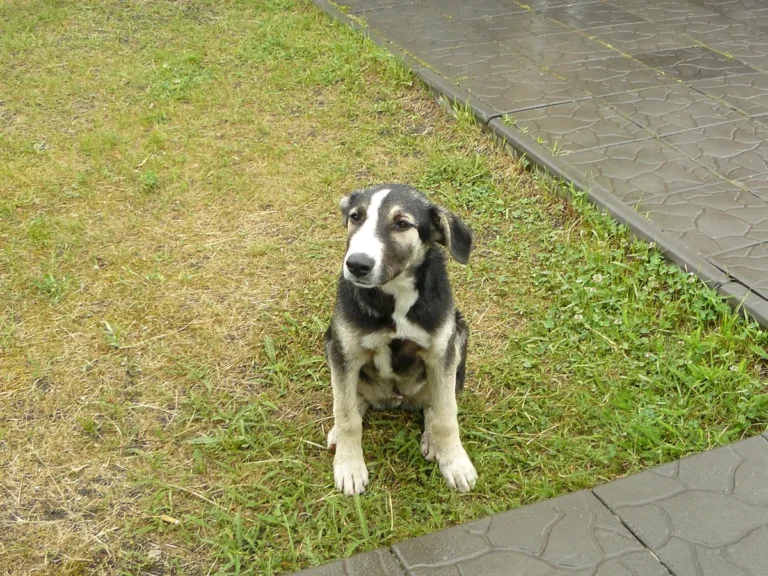

Population geneticists have demystified the origin of the exclusion zone’s canine lineages: the genetically unique Chornobyl dogs evolved distinct genomes not through radiation-induced DNA scrambling, but via classic directional natural selection acting across thirty generations.
The Evolutionary Paradox of the Exclusion Zone: Demystifying Radiation Myths
When the Chornobyl Nuclear Power Plant exploded on April 26, 1986, evacuees from Pripyat and surrounding villages were forced to abandon their family pets. Despite subsequent extermination campaigns by Soviet liquidation crews, hundreds of abandoned dogs survived in the irradiated forests, concrete tunnels, and abandoned industrial complexes. Over nearly four decades, their descendants have thrived as free-roaming semi-feral packs.
Pop culture and early speculative accounts frequently claimed that environmental radioactive contamination would turn local fauna into genetically scrambled mutants. However, a rigorous genomic investigation led by Megan Dillon and Professor Matthew Breen from North Carolina State University, published in the peer-reviewed journal Genes, has comprehensively overturned that assumption.
By analyzing comprehensive genomic data from hundreds of dogs, the research team discovered that the distinct genetic profiles of Chornobyl dogs are not the product of chaotic radiation-induced mutagenesis. Instead, they reflect classical directional natural selection and genetic drift, proving that nature’s evolutionary resilience filters out vulnerable lineages in extreme environments.
The deposition of radiological contaminants across the Chornobyl Polissya region following the 1986 explosion produced a highly heterogeneous landscape of toxicity. Radionuclides including cesium-137, strontium-90, and americium-241 settled in patchy, hyper-radioactive hotspots. Canines traversing the boundaries of the Red Forest and industrial cooling ponds absorbed chronic external gamma exposure combined with internal alpha and beta particulate ingestion from local water and foraging.
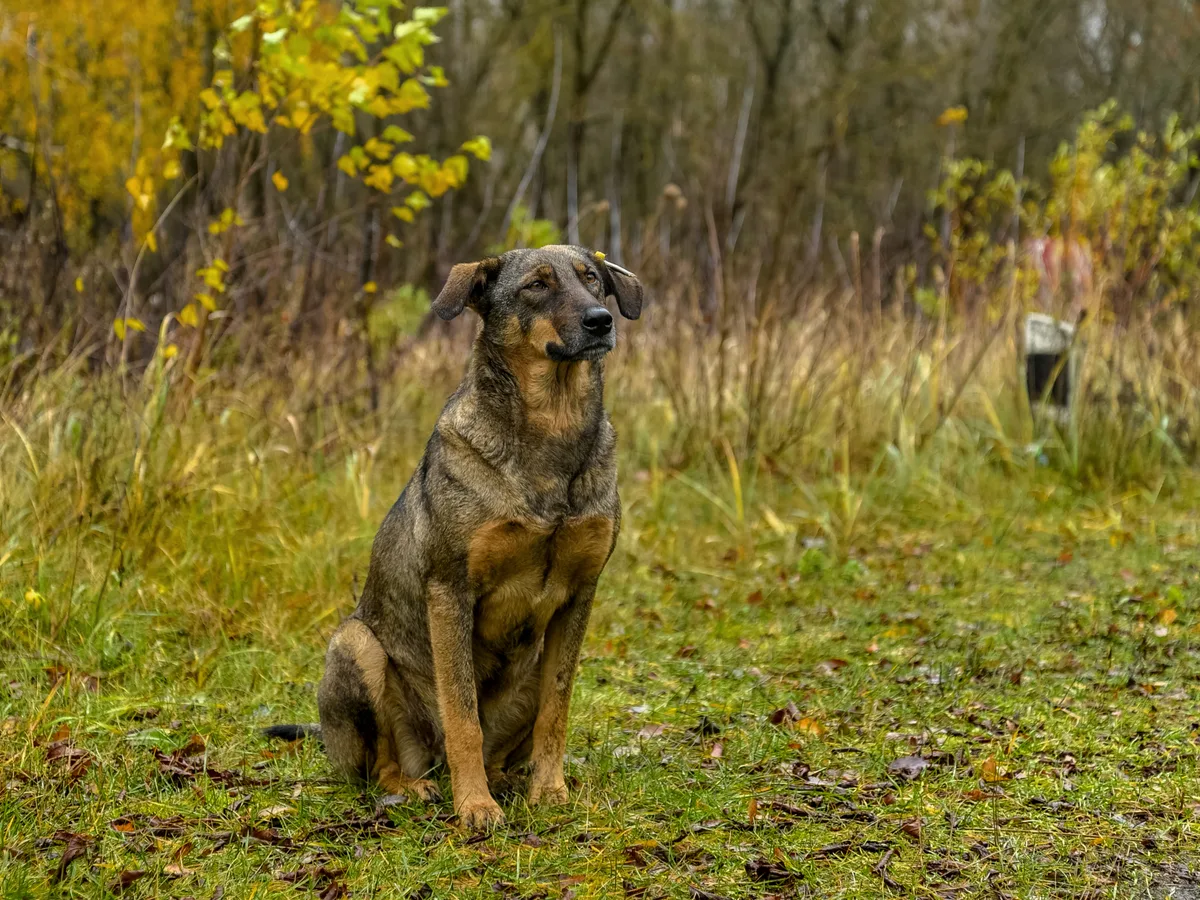
Population Genomics: Nuclear Plant Packs vs. Chornobyl City Lineages
The scientific foundation for this discovery was laid in 2023, when a collaborative team led by Elaine Ostrander at the National Human Genome Research Institute (NHGRI, NIH) published a pioneering study in Science Advances. That study profiled single nucleotide polymorphisms (SNPs) across 302 dogs sampled during veterinary clinics hosted by the Clean Futures Fund.
The findings uncovered striking population substructure: dogs inhabiting the immediate vicinity of the destroyed Reactor 4 and the Semikhody railway station form a closed, genetically distinct subpopulation from dogs residing in Chornobyl City, just 15 kilometers to the southeast. Despite their geographic proximity, gene flow between the two groups has been remarkably minimal.
In their follow-up research, Dillon and Breen investigated whether this genetic differentiation was caused by a hyper-elevated mutation rate from lingering radioisotopes like cesium-137 and strontium-90. Whole-genome sequencing confirmed no statistically significant surge in de novo germline mutations. The dogs’ DNA was not fractured into bizarre anomalies; rather, it bore the unmistakable fingerprints of targeted selective pressure.
Veterinary records compiled by the Clean Futures Fund indicate that exclusion zone canines benefit from stable food subsidies provided by decommissioning workers and security personnel at checkpoint outposts. This dependable caloric source localized individual packs around specific reactor infrastructure, severely constricting gene flow between the power plant and Chornobyl City and catalyzing population divergence via genetic drift.
«Rather than finding an onslaught of radiation-induced mutations scrambling the germline DNA, whole-genome scans revealed distinct signatures of directional natural selection. Only the bloodlines possessing physiological resilience survived thirty generations in this brutal landscape.»
Megan Dillon, Population Geneticist at North Carolina State University
Molecular Signatures of Survival: Genes Under Selective Pressure
To understand how these canines adapted to survive where human habitation remains restricted, geneticists conducted whole-genome scans for signatures of selection. The analysis identified candidate chromosomal loci showing marked divergence and directional selection in the power plant cohort.
The selected loci included key genes involved in innate immune signaling, inflammatory modulation, DNA damage response pathways, and cellular respiration. In an ecosystem contaminated with radioactive particles and heavy metals, dogs inheriting superior antioxidant and cellular maintenance machinery enjoyed decisive reproductive advantages.
Survival in the zone required overcoming far more than radiation. Feral canines faced bitter Ukrainian winters, severe caloric restriction, apex predators such as Eurasian wolves and lynx, and untreated infections. The exclusion zone acted as a brutal crucible, allowing only the physiologically robust to pass on their genetic material.
Bioinformatics scans highlighted targeted enrichment in genes governing glutathione metabolic pathways and superoxide dismutase enzymatic regulation. Canines surviving at the reactor site demonstrate enhanced endogenous scavenging of reactive oxygen species (ROS) triggered by the radiolysis of intracellular water, preserving mitochondrial membrane potential and thwarting widespread apoptosis.
Whole-genome sequencing of exclusion zone dogs showed no elevated rate of de novo germline mutations, refuting the popular mutant myth.
Genomic scans revealed intense directional selection on genes regulating immune response, DNA repair mechanisms, and heavy metal detoxification.
Over 38 years since the 1986 disaster, more than 30 canine generations established genetically segregated clusters between the power plant and Chornobyl City.
Adaptive molecular pathways identified in Chornobyl dogs provide vital clues for shielding healthy human tissue during clinical cancer radiotherapy.
Implications for Human Oncology and Deep Space Exploration
The discovery of natural selection in Chornobyl’s canine population carries profound ramifications for clinical medicine and space travel. Understanding how mammalian genomes preserve genomic integrity under chronic low-dose environmental radiation could transform radiation oncology.
By mapping the protective biochemical pathways active in these dogs, biomedical scientists hope to develop radioprotective therapeutics that shield healthy human tissues during intensive cancer radiation therapy. Furthermore, these genomic adaptations offer vital insights for long-duration interplanetary spaceflight to the Moon and Mars, where astronauts will face constant cosmic radiation.
Similar evolutionary adaptations have been documented in other Chornobyl wildlife. Eastern tree frogs (Hyla orientalis) in the zone have evolved dramatically darker melanin-rich pigmentation to absorb radiation, while local bank voles exhibit enhanced resistance to oxidative cellular damage.
These findings mirror discoveries among Chornobyl’s apex predators: genetic evaluations of the zone’s gray wolves by Princeton University evolutionary biologists revealed that local wolves endure radiation doses six times higher than mammalian safety thresholds without displaying elevated cancer mortality. Natural selection has acted as a relentless biofilter, forging radio-resilient phenotypes across multiple trophic levels.
- Genetic divergence between the nuclear power plant dog population and Chornobyl City dogs (15 km away) is driven by reproductive isolation, drift, and selection rather than ambient gamma dose.
- The extreme exclusion zone habitat acted as an intense multi-factorial sieve combining radiation, harsh winters, food scarcity, and industrial toxicants.
- Published in the peer-reviewed journal Genes, the findings solidify the Chornobyl Exclusion Zone as a premier natural laboratory for mammalian adaptive evolution.
Future Horizons in Chornobyl Evolutionary Research
Ongoing veterinary and genomic monitoring programs continue to track the health, genetics, and movement patterns of Chornobyl’s free-roaming dogs. Wearable sensor collars and regular blood sampling allow researchers to correlate individual radiation exposures with epigenetic modifications.
Future studies will focus on transcriptomics and DNA methylation patterns to evaluate how gene expression adapts in real time to chronic environmental stress. The dogs of Chornobyl stand not as victims of genetic decay, but as living testaments to the power of natural selection and biological perseverance.