


Scientists have discovered that the brains of individuals diagnosed with post-traumatic stress disorder bear distinctive molecular modifications fundamentally distinct from conditions such as major depression. Researchers identified that unique PTSD epigenetic marks arise from DNA methylation within key cognitive regions, fundamentally altering neural circuits without altering underlying genetic codes.
The Molecular Switch of Trauma: Understanding PTSD Epigenetic Marks
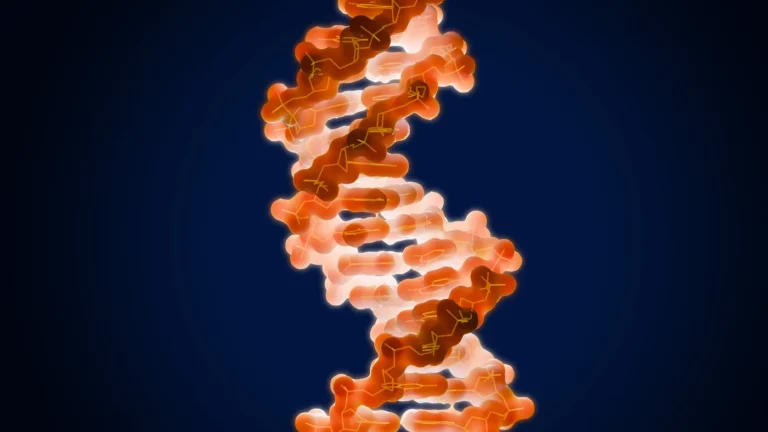
Environmental stressors and severe traumatic life events exert a direct influence on how genes operate within human cells, dictating which genetic pathways are activated and which remain suppressed. Rather than inducing permanent mutations in the DNA nucleotide sequence, life experiences trigger epigenetic modifications. Chief among these mechanisms is DNA methylation — the biochemical addition of tiny methyl chemical groups (-CH3) to cytosine bases in DNA.
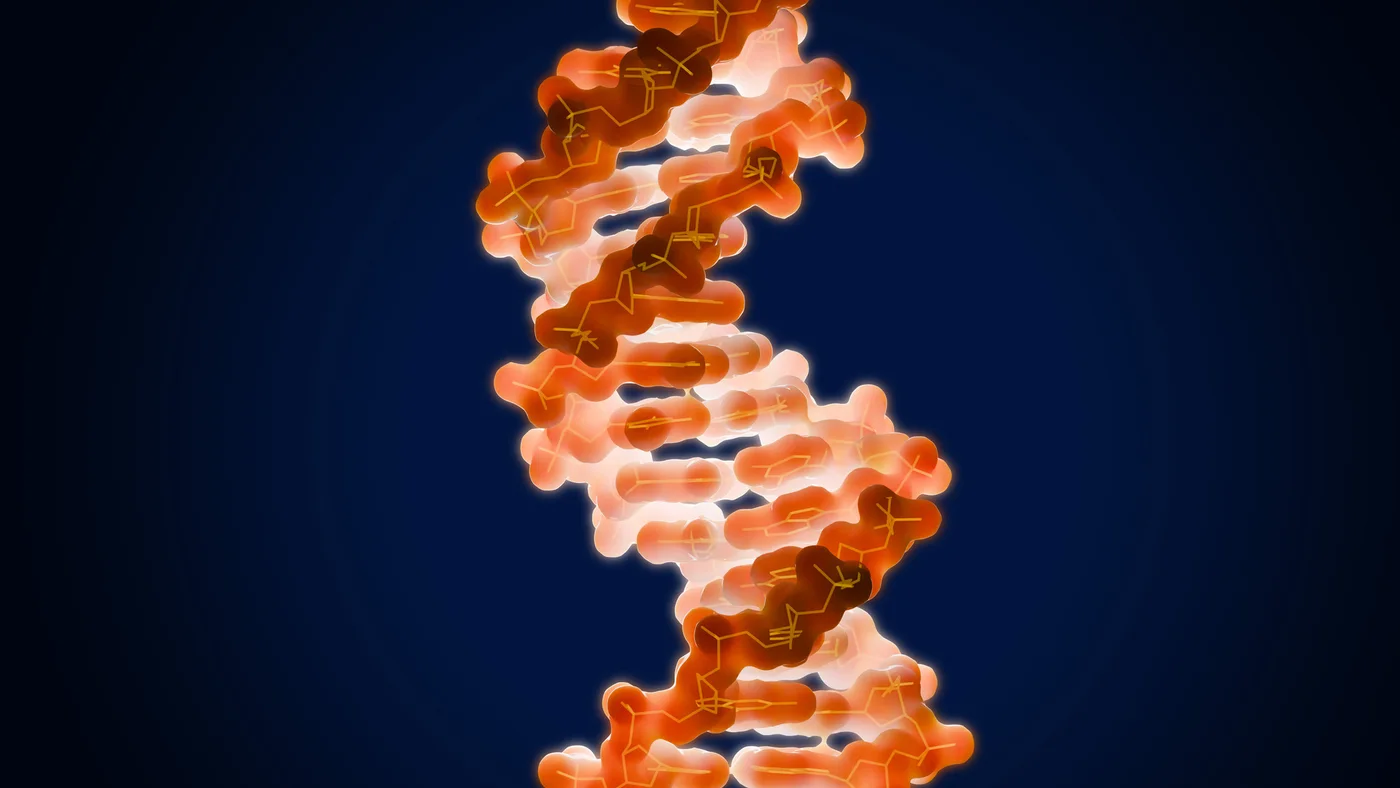
DNA methylation operates like a cellular dimmer switch, dialing down the expression of specific stress-regulating genes or blocking their activation entirely by RNA polymerases. In a landmark study published in the peer-reviewed journal Cell Reports (Wylie et al., 2026), an international consortium mapped these precise epigenetic signatures within human brain tissue.
The research team analyzed DNA methylation across 302 postmortem human brains donated to science. The cohort encompassed 101 brains from individuals clinically diagnosed with PTSD, 101 from individuals with major depressive disorder (MDD), and 100 neurotypical controls without any documented psychiatric diagnoses.
Understanding how extreme experiences reshape neural biology is a major frontier in neuroscience, paralleling findings in other life transitions: How Motherhood Profoundly Transforms Female Brain Architecture. The new findings demonstrate that psychological trauma carves an equally indelible biochemical signature.
DNA methyltransferase enzymes (such as DNMT1 and DNMT3A) act as epigenetic sculptors, methylating promoter regions and silencing genes vital for synaptic resilience, such as brain-derived neurotrophic factor (BDNF).
Prefrontal Cortex vs. Amygdala: Mapping the Neuroanatomical Impact
Investigators zeroed in on three vital brain structures governing emotion, cognition, and memory: the prefrontal cortex, the amygdala, and the hippocampus. The prefrontal cortex orchestrates executive functions, future planning, and cognitive inhibition of fear. The amygdala functions as the central hub for threat appraisal and acute alarm, while the hippocampus encodes episodic memory and context.
Comparative analyses revealed profound divergence between conditions. In individuals with PTSD, altered DNA methylation patterns were concentrated primarily in the prefrontal cortex — the very region responsible for dampening excessive fear responses and checking amygdalar hyperarousal. In contrast, in major depressive disorder, the amygdala emerged as the focal point of distinct methylation.
Furthermore, depression exhibited consistent methylation across broad gene sets throughout multiple brain regions. In PTSD, by contrast, epigenetic modifications were far more heterogeneous, correlating significantly with patient biological sex, ancestral background, and the developmental age at which trauma occurred.
Substantial dysregulation was identified in glucocorticoid receptor pathways, notably the NR3C1 and FKBP5 genes, which impair negative feedback regulation across the hypothalamic-pituitary-adrenal (HPA) stress axis.

«These epigenetic features of the brain are important for shaping the way the brain functions. This can give us some insight into why individuals with PTSD develop PTSD, or how their brains are different from a healthy brain or someone with depression.»
Frances Champagne, study co-author and professor of psychology at the University of Texas at Austin
Blood-Based Epigenetic Biomarkers: The Dawn of Objective Psychiatric Diagnostics
Presently, diagnosing PTSD relies entirely on clinical evaluations, symptom surveys, and subjective diagnostic manuals such as the DSM-5 and CAPS-5. This often results in diagnostic delays or confusion between PTSD, generalized anxiety, and treatment-resistant depression.
The identification of discrete methylation signatures in the prefrontal cortex opens a viable pathway toward objective clinical testing. If scientists can establish robust correlations between postmortem brain methylation and corresponding marks in peripheral blood leukocytes, medicine may soon possess the first objective blood test for PTSD.
A reliable epigenetic blood biomarker would revolutionize trauma care, offering validation for military veterans and trauma survivors while providing clinicians with an objective metric to track therapeutic efficacy.
As highlighted by investigator Seyma Katrinli of the Grady Trauma Project at Emory University School of Medicine, developing validated peripheral epigenetic markers could allow clinicians to identify individuals at elevated vulnerability for chronic PTSD before symptoms fully manifest.
Chemical tags attach to DNA and dial down gene expression without modifying the underlying genetic sequence.
Unlike depression which centers in the amygdala, PTSD disrupts the cognitive brain regions that regulate fear.
Epigenetic correlates in peripheral blood could yield the first objective psychiatric laboratory test for PTSD.
Because methylation marks can be biologically erased, targeted therapies may one day reverse trauma scars.
Methodological Nuances and Confounding Variables
The study authors candidly highlight necessary caveats. Because the investigation examined postmortem tissue, researchers relied on retrospective medical charts rather than longitudinal direct assessments of living patients.
Additionally, both PTSD and major depression exhibit strong clinical comorbidity with substance use, alcohol dependency, and chronic antidepressant regimens, each of which can independently influence DNA methylation. Disentangling these overlapping influences remains an essential objective for subsequent cohorts.
A fundamental scientific question also remains unanswered: are the observed methylation changes a predisposing vulnerability factor, a direct causal driver of PTSD, or a downstream consequence of chronic neuroendocrine stress.
Future research trajectories will explore epigenetic clocks to determine whether persistent trauma-induced methylation accelerates cellular biological aging within neural circuits.
- Analysis of 302 postmortem brains identified distinct DNA methylation marks unique to post-traumatic stress disorder.
- PTSD epigenetic alterations are concentrated in the prefrontal cortex, in contrast to the amygdalar changes seen in depression.
- Methylation profiles in PTSD correlate with patient biological sex and developmental age at trauma exposure.
- Paves the way toward objective peripheral blood biomarkers for psychiatric trauma evaluation.
- Published in Cell Reports by an international research team led by the University of Texas at Austin.
Therapeutic Implications: Reversing Epigenetic Scars
Unlike fixed genetic mutations, epigenetic marks are inherently malleable. In molecular laboratories, methyl groups can be cleaved by demethylase enzymes, suggesting that the molecular scars of trauma may not be permanent.
Future pharmacological agents designed to target specific epigenetic enzymes in the prefrontal cortex could potentially reset dysregulated stress pathways, offering transformative therapeutic hope for individuals trapped by trauma.
Combining targeted epigenetic therapeutics with evidence-based psychotherapy could accelerate synaptogenesis and permanently disarm intrusive traumatic memories.