

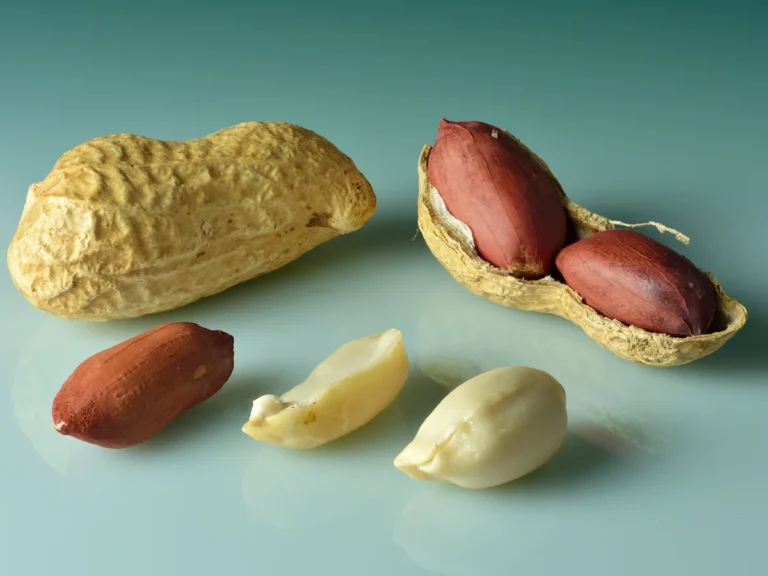

An infant peanut allergy diagnosis is often received by parents as a lifelong sentence: strict dietary vigilance, intense anxiety over accidental contamination, and the burden of carrying emergency epinephrine auto-injectors everywhere. However, an expansive multicenter clinical investigation has demonstrated that peanut allergy diagnosis in babies overdiagnosis is significantly more widespread than medical consensus assumed. More than one-third of infants diagnosed based on standard skin-prick testing and serum antibodies can safely tolerate peanut protein without displaying allergic symptoms.
The Multicenter Evaluation: How Pediatric Allergists Re-Tested 1,275 Infants
Published in the prestigious medical journal The Journal of Allergy and Clinical Immunology: In Practice (JACI: In Practice, 2026), the study retrospectively tracked 1,275 infants across Australian public pediatric allergy clinics who exhibited adverse reactions to peanuts before their first birthday.
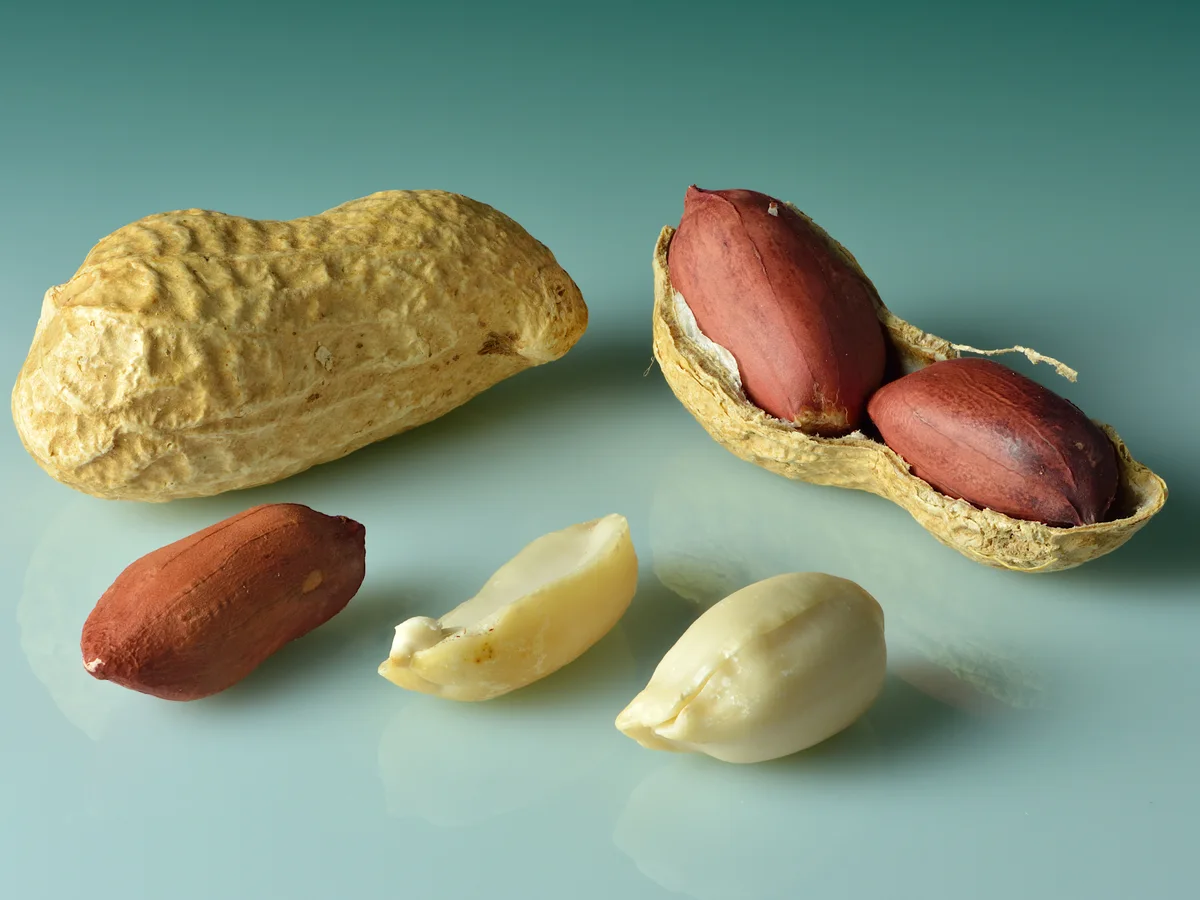
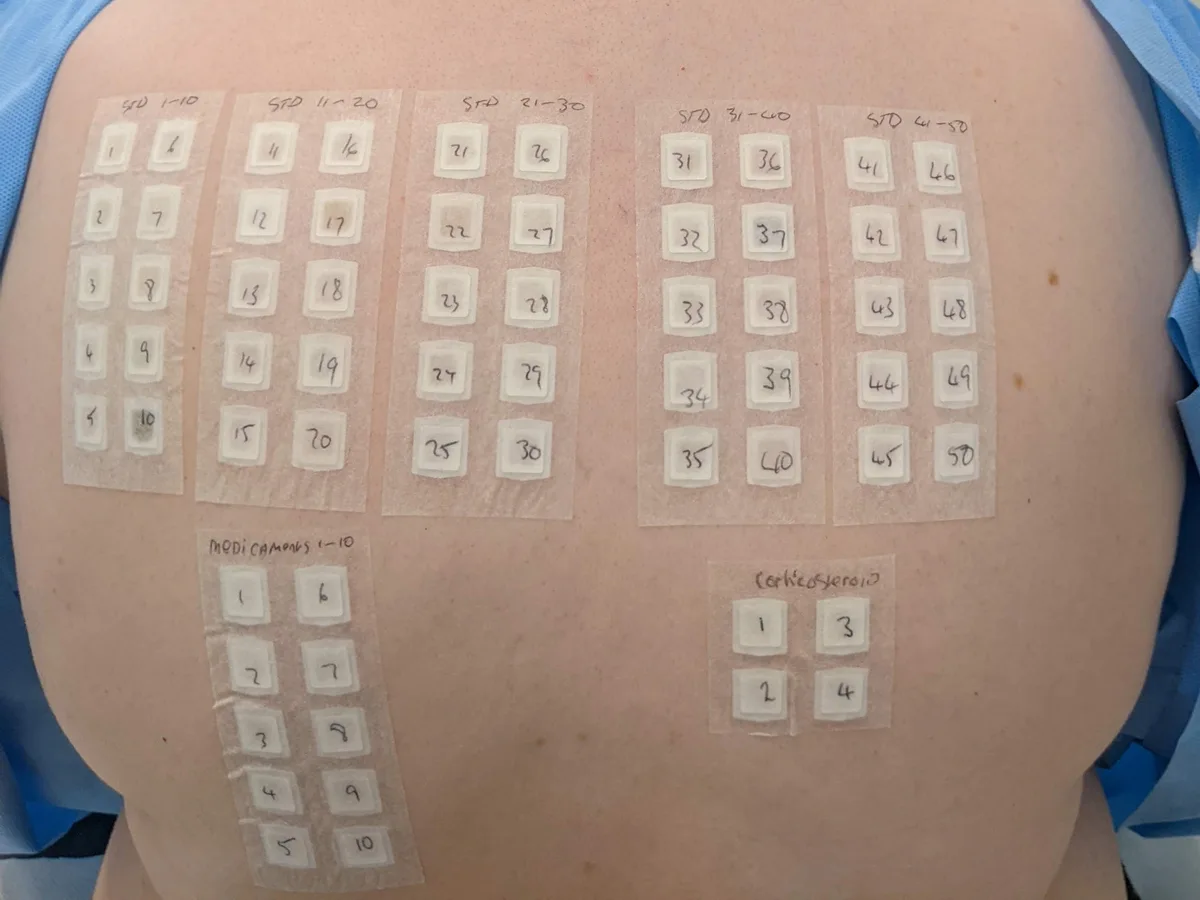
Initial diagnoses relied on conventional clinical standards: a documented history of reactivity coupled with positive sensitization tests. These encompassed skin-prick tests (where allergen extract is introduced into the epidermis) and serological blood assays measuring specific immunoglobulin E (IgE) antibodies against storage proteins Ara h 1, Ara h 2, and Ara h 3. The median age at baseline assessment was 10 months.
Approximately six months after their initial reaction, 778 infants (median age 13 months) underwent a formal supervised oral food challenge (OFC). Medical teams administered up to seven incrementally escalating doses of peanut protein, ranging from 15 to 1,300 milligrams, spaced at 15-minute intervals. The outcome was startling: 271 children (34.8%) fully tolerated the challenge without manifesting allergic symptoms.
The clinical titration protocol employed in oral food challenges is strictly standardized. The initial provocation dose comprises merely 15 to 30 milligrams of peanut flour (a microscopic speck of protein). In the absence of cutaneous flushing, pruritus, or respiratory distress, doses are escalated incrementally every 15 to 20 minutes toward a cumulative threshold of 1,300 to 2,000 milligrams of protein (the equivalent of 6 to 8 whole peanuts).
This rigorous threshold titration enables clinicians to pinpoint the precise eliciting dose while intervening therapeutically at the earliest sign of localized symptoms before systemic cardiovascular or pulmonary compromise develops.
The Immunology of Infancy: Why Sensitization Tests Yield False Positives
The mechanistic driver behind this widespread misdiagnosis lies in the extraordinary developmental plasticity of the infant immune system. As observed by Dr. Alexandra Santos (Alexandra Santos), professor of pediatric allergy at King’s College London, immune profiles under 12 months of age are in rapid flux.
A wheal on a skin-prick test or elevated serum IgE signifies immunological sensitization — the presence of mast cells coated with peanut-specific antibodies. Sensitization, however, does not equate to clinical food allergy. In many infants, parallel production of blocking IgG4 antibodies and the activation of regulatory T-cells prevent mast cell degranulation.
Within a six-month window, roughly one in three infants spontaneously establishes natural oral tolerance, shedding clinical reactivity entirely, complementing insights in modern biomedical engineering and next-generation clinical therapeutic technologies.
Modern molecular allergy diagnostics rely increasingly on Component-Resolved Diagnostics (CRD) to differentiate genuine allergy from benign sensitization. True clinical peanut allergy is predominantly mediated by high-affinity IgE directed against thermal- and digestively-stable 2S albumins and seed storage globulins (Ara h 1, Ara h 2, and Ara h 6).
In contrast, young infants frequently demonstrate transient, low-affinity cross-reactivity driven by birch-pollen homologous proteins (Ara h 8) or broad polyclonal B-cell activation that does not trigger mast cell degranulation. Standard whole-extract skin-prick reagents cannot differentiate these molecular nuances, frequently generating false-positive wheals.
«This clearance rate is substantially higher than our most optimistic expectations. Nearly 35% of infants referred to hospital clinics with suspected peanut allergy completed an oral food challenge without reacting. This highlights the absolute necessity of supervised oral food challenges before committing children to years of avoidance.»
Dr. Timothy Brettig (Timothy Brettig), pediatric allergist at the National Allergy Centre of Excellence in Australia
The Harm of False Diagnoses: Why Precautionary Avoidance Backfires
The central irony of modern pediatric allergy is that misdiagnosis and subsequent strict peanut avoidance inflict tangible harm. Seminal landmark trials such as the LEAP (Learning Early About Peanut Allergy) study established that developing immune systems require consistent oral exposure during an early ‘critical window’ to solidify tolerance.
When families rigidly exclude peanuts based on an unverified skin test, they inadvertently deprive the infant of the antigen stimulation needed to suppress allergic sensitization. Consequently, transient reactivity transforms into an intractable, permanent IgE-mediated condition.
Moreover, families face profound psychosocial distress, inflated grocery expenditures on allergen-free staples, and premature enrollment in intensive oral immunotherapy (OIT), highlighting the importance of understanding hormonal and regulatory systems as demonstrated in neuroendocrine investigations into complex bodily physiological reactions and cellular signaling.
Pediatric allergy organizations emphasize the imperative to dismantle outdated recommendations favoring proactive allergen avoidance. Depriving an infant’s gut-associated lymphoid tissue (GALT) of dietary antigen exposure fails to prevent atopy and directly elevates the incidence of chronic, severe food allergies.
Contemporary global guidelines established by the World Allergy Organization (WAO) strongly advocate for the early introduction of age-appropriate, smooth peanut products (such as peanut butter thinned with water or infant cereal) between 4 and 6 months of age across all infant cohorts.
Over one-third of infants diagnosed with peanut allergy safely tolerated escalating doses during clinical food challenges.
Positive skin prick and IgE blood tests demonstrate immunological recognition, not confirmed clinical reactivity.
Strict peanut avoidance in early infancy disrupts natural immune tolerance development, worsening long-term outcomes.
Supervised hospital challenges are mandatory: 61 infants in the cohort developed acute anaphylaxis requiring epinephrine.
Clinical Rigor: Why Food Challenges Must Never Be Attempted at Home
Medical authorities emphatically caution caregivers against administering diagnostic challenges independently at home. An oral food challenge is an intensive medical intervention that carries severe physiological risks.
In the Australian study, out of 507 infants who reacted during testing, 61 experienced acute anaphylaxis — a severe systemic reaction characterized by bronchospasm and hypotension requiring immediate intramuscular epinephrine administration and respiratory support.
Dr. Drew Bird (Drew Bird), a leading pediatric allergist at UT Southwestern Medical Center, underscores that oral challenges should only occur within dedicated hospital allergy suites staffed by experienced resuscitation teams equipped with continuous monitoring.
- The JACI: In Practice study evaluated 1,275 infants referred to public hospital allergy centers across Australia.
- The oral food challenge protocol administered 7 incremental peanut protein doses ranging from 15 mg to 1,300 mg.
- Approximately 35% of infants outgrow initial sensitization within six months through natural immune maturation.
- Global guidelines recommend introducing peanut products between 4 to 6 months of age to foster lifelong tolerance.
Updating Clinical Practice: Prioritizing Oral Challenges in Infant Care
The findings by Brettig and colleagues provide compelling impetus for international pediatric societies (such as the AAAAI and EAACI) to modernize diagnostic guidelines. Specialists urge that infants exhibiting low-to-moderate IgE titers or small skin wheals should not be labeled allergic without undergoing an oral challenge.
Expanding clinical infrastructure to accommodate timely food challenges will liberate thousands of children from unnecessary dietary restrictions, reducing burdens on healthcare systems.
The infant immune system possesses remarkable adaptive resilience. By verifying suspected allergies through rigorous oral challenges, medicine can empower developing bodies to maintain natural oral tolerance.