

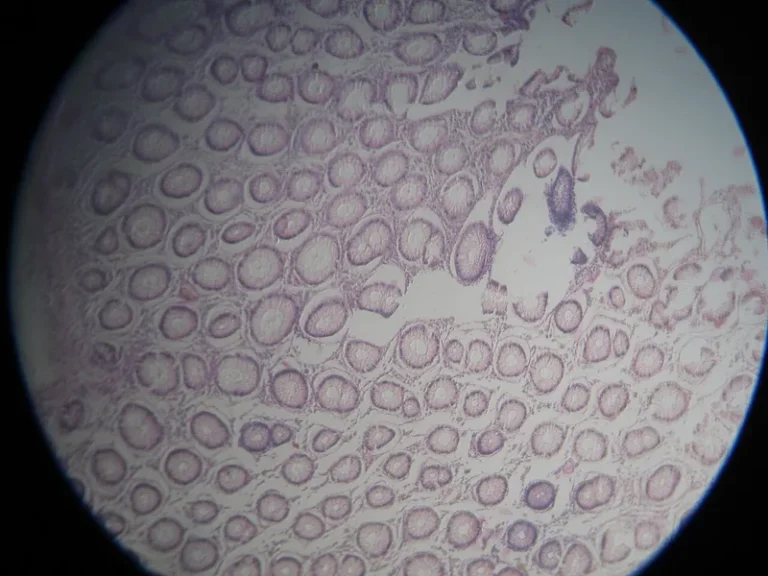

For generations, colorectal cancer was viewed almost exclusively as a disease of the elderly, leading screening guidelines to concentrate on adults over fifty. However, modern epidemiological surveillance has revealed a deeply troubling clinical trend: colorectal cancer in kids rising at an unprecedented rate, with diagnosis rates surging sixfold among children and young adolescents over the past two decades. A landmark analysis presented by Dr. Erica Arnold and colleagues from Nationwide Children’s Hospital has catalyzed urgent medical investigations into potential drivers, ranging from antibiotic-induced microbiome disruption to the ubiquity of ultra-processed foods.
Disturbing Trends: A Geriatric Disease Infiltrates Pediatric Wards
Colorectal cancer (CRC) has long been considered a hallmark of biological aging, resulting from cumulative genetic damage and decades of lifestyle exposures. Consequently, public health guidelines historically mandated routine screening only beginning at age 50. While widespread colonoscopies have successfully lowered CRC incidence among older demographics, epidemiological curves for youth have moved in the opposite direction.
Analysis of federal surveillance records from the CDC WONDER database between 1999 and 2020 revealed an alarming surge. Incidence rates of colorectal cancer among children aged 10 to 14 rose by roughly 500%—a sixfold increase over two decades. Among older teens aged 15 to 19, incidence climbed by more than 300%.
While absolute numbers remain modest relative to adult cancer burdens, the relative rate of increase is unprecedented in modern pediatric oncology. What was once considered an exceptional rarity in medical literature is now presenting routinely in tertiary pediatric surgical centers.
Diagnostic Delays and the Trap of Benign Presentations
A major factor contributing to poor pediatric outcomes is diagnostic delay. Because primary care physicians rarely suspect gastrointestinal malignancies in school-age children, classic warning symptoms are routinely attributed to benign pediatric ailments.
Complaints such as abdominal cramps, persistent constipation, alternating diarrhea, rectal bleeding, and unexplained fatigue are almost universally diagnosed as irritable bowel syndrome, constipation, hemorrhoids, or food intolerances. On average, pediatric patients experience diagnostic delays of six to twelve months before undergoing definitive endoscopy.
As a consequence, over 70% of children with colorectal cancer present with Stage III or Stage IV disease characterized by regional lymph node involvement or distant peritoneal and liver metastases. Furthermore, pediatric tumors display high rates of aggressive histologies, including mucinous adenocarcinomas and signet-ring cell carcinomas that respond poorly to standard fluoropyrimidine-based chemotherapy.
Between 1999 and 2020, colorectal cancer rates among children aged 10–14 climbed by more than 500% in national health registries.
Over 70% of pediatric and adolescent patients are diagnosed at advanced metastatic stages due to low index of suspicion among clinicians.
Widespread, repeated infant antibiotic exposures disrupt protective gut microbial consortia, triggering long-term barrier compromise.
Heavy consumption of dietary emulsifiers, high-fructose sweeteners, and chemical additives induces sustained low-grade gut inflammation.
Investigating the Causes: Microbiome Disruption, Processed Foods, and Plastics
Because a sixfold increase across two decades occurred too rapidly to be explained by genetic drift, oncologists are intensely investigating environmental and lifestyle changes affecting modern youth.
Foremost among hypothesized mechanisms is early-life disruption of the gut microbiome. Children raised over the past twenty years experienced unprecedented rates of early-childhood broad-spectrum antibiotic exposure. This depletion of beneficial commensal bacteria allows pro-inflammatory clades, such as colibactin-producing Escherichia coli and Fusobacterium nucleatum, to colonize the epithelium and generate DNA-damaging genotoxins.
Concurrently, modern pediatric nutrition has shifted toward ultra-processed foods (UPFs) loaded with industrial emulsifiers (carboxymethylcellulose, polysorbates), high-fructose corn syrup, and refined seed oils. These compounds break down the protective mucosal layer, promoting chronic epithelial inflammation and accelerated cell turnover.
Emerging research also implicates ubiquitous microplastic and nanoplastic ingestion from food containers and water bottles, which causes cellular oxidative stress and physical abrasion in the juvenile colon.
«When colorectal cancer presents in children and adolescents, the vast majority are diagnosed at Stage III or IV. We see a distinctly more aggressive tumor biology—often mucinous or signet-ring cell adenocarcinomas that masquerade as benign pediatric complaints.»
Dr. Erica Arnold, Pediatric Surgery Research Fellow at Nationwide Children’s Hospital
Heightening Clinical Suspicion and Leveraging Targeted Immunotherapies
Reversing this alarming trajectory requires an immediate elevation in clinical awareness. Pediatricians must maintain a low threshold for recommending specialized gastrointestinal evaluation when children present with rectal bleeding, persistent abdominal pain, or unexplained iron-deficiency anemia.
Therapeutically, the distinct molecular biology of pediatric colorectal cancer offers promising avenues for precision oncology. A significant proportion of young-onset tumors exhibit high microsatellite instability (MSI-High) and deficient mismatch repair (dMMR), rendering them remarkably responsive to immune checkpoint inhibitors.
Halting the rise of pediatric colorectal cancer will require multi-pronged societal initiatives, including stricter pediatric antibiotic stewardship, reducing ultra-processed foods in school nutrition, and fostering prompt diagnostic investigation of juvenile gastrointestinal symptoms.
- Synthesized multi-decade data from the CDC WONDER database and nationwide pediatric surgical registries.
- Pediatric tumors exhibit unique molecular signatures, including higher rates of mismatch repair deficiency (dMMR/MSI-H).
- Red-flag warning signs include hematochezia (rectal bleeding), unexplained iron deficiency anemia, abdominal cramping, and weight loss.
- Clinical leaders call for lower thresholds for diagnostic colonoscopy in children with refractory gastrointestinal complaints.
Molecular Profiles: Microsatellite Instability and Mutational Signatures
Comprehensive genomic sequencing of pediatric colorectal tumors reveals a divergent mutational landscape compared to late-onset disease. Youth-onset malignancies display significantly higher frequencies of DNA mismatch repair deficiency (dMMR), manifesting as high microsatellite instability (MSI-High) and elevated tumor mutational burden.
While this hypermutated phenotype drives aggressive initial proliferation and mucinous invasion, it concurrently creates profound therapeutic vulnerability. Abundant neoantigen generation renders these juvenile tumors exquisitely responsive to PD-1/PD-L1 immune checkpoint inhibition, offering durable complete remissions in clinical trials.
Preventive Pediatric Frameworks and Mucosal Shielding
Curbing the early-onset colorectal cancer surge necessitates systemic pediatric public health interventions. Pediatric antibiotic stewardship must strictly eliminate empirical prescribing for viral upper respiratory tract infections to safeguard developing infant microbiomes.
Simultaneously, dietary interventions emphasizing dietary fiber, prebiotic polysaccharides, and the elimination of industrial food emulsifiers provide essential mucosal shielding, preventing the chronic microinflammation that preconditions the juvenile bowel for early oncogenesis.
Psychosocial Rehabilitation and Survivorship in Pediatric Oncology
Navigating colorectal cancer during adolescence presents profound psychosocial hurdles. In addition to high-intensity chemotherapy and invasive surgical resections, young patients must manage developmental disruptions, body-image distress from potential ostomies, and academic interruptions.
Comprehensive young-onset oncology programs integrate dedicated adolescent mental health specialists, fertility preservation counseling, and adaptive survivorship care plans, ensuring holistic recovery and successful reintegration into school and community life.