

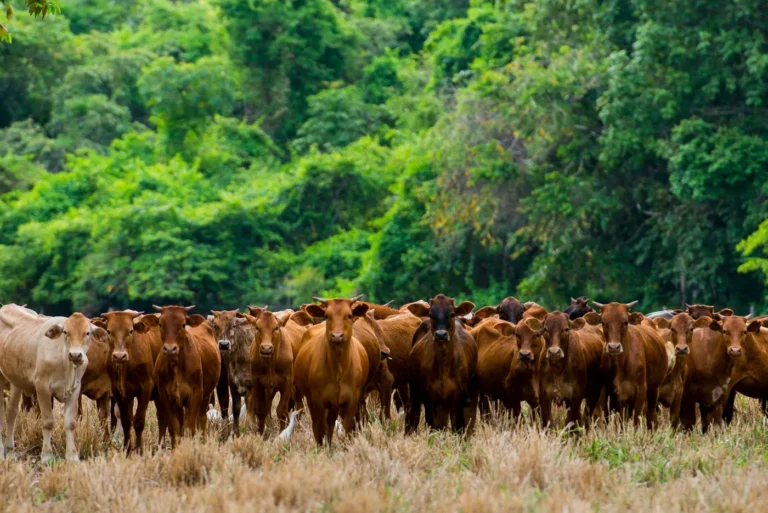

In contemporary media and popular climate discourse, cows are routinely portrayed as atmospheric villains whose flatulence drives planetary warming; however, comparative digestive physiology reveals that cattle barely pass gas at all, while the true champions of animal flatulence possess an entirely different anatomical architecture.
The Anatomical Paradox: Why Cattle Belch Methane Instead of Passing Gas
Whenever global climate summits debate agricultural greenhouse gas emissions, editorial cartoons invariably illustrate dairy cows releasing luminous green clouds from their posteriors. This persistent cultural trope has become so entrenched that policymakers have occasionally debated taxation schemes targeting “bovine flatulence.” Yet comparative animal physiologists emphasize that this characterization is biologically erroneous.
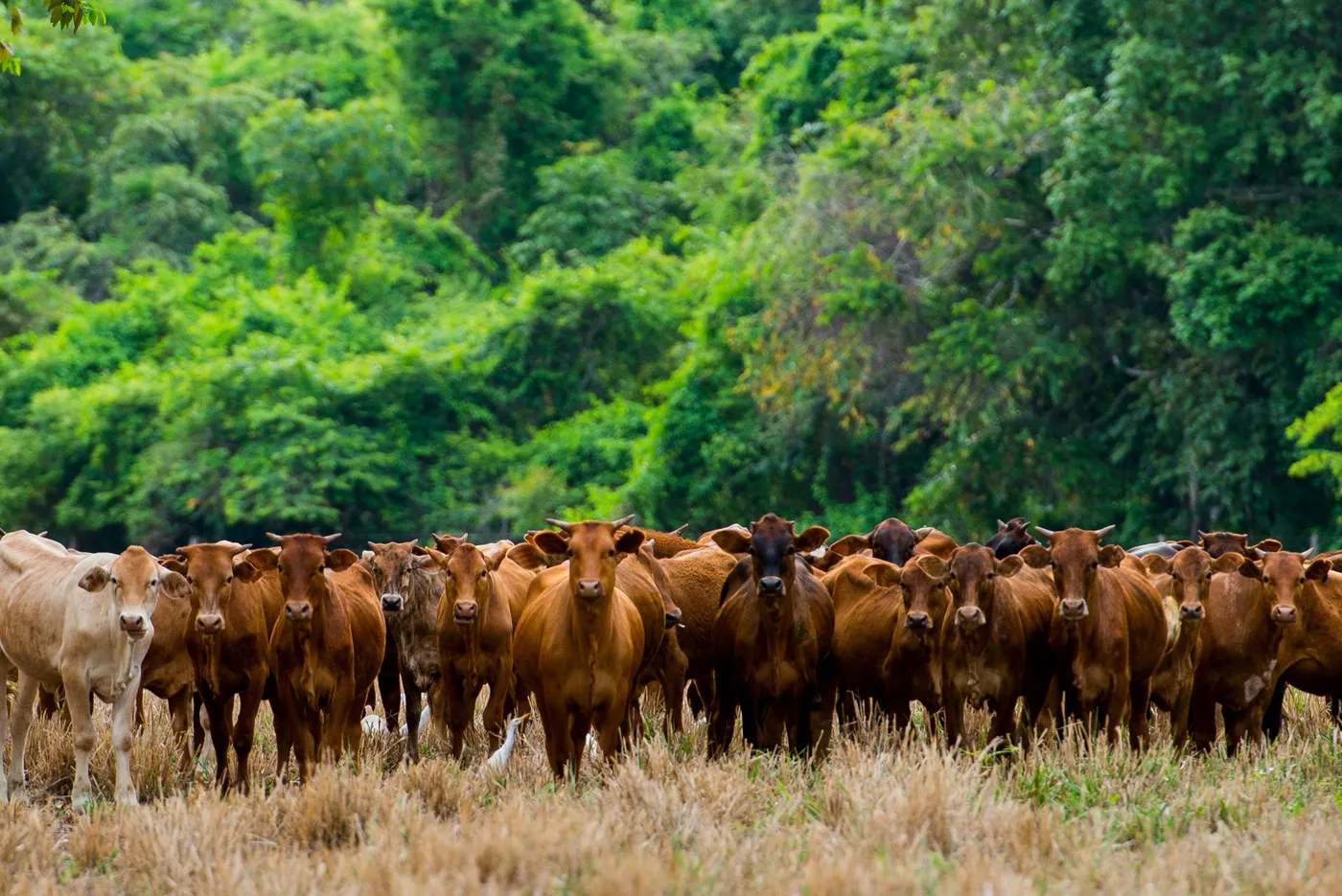
Cattle, sheep, goats, and deer are ruminants belonging to the evolutionary classification of foregut fermenters. Their complex four-chambered digestive tract is anchored by the rumen—a gargantuan biological fermentation vat holding 150 to 200 liters of churning plant slurry colonized by billions of specialized anaerobic methanogenic archaea, ciliate protozoa, and symbiotic bacteria. Cellulosic fibrous grasses are broken down here long before ever entering the stomach or intestines.
During enteric microbial fermentation, enormous volumes of carbon dioxide (CO₂) and methane (CH₄) accumulate rapidly. Because the rumen sits anatomically adjacent to the esophagus at the very beginning of the gastrointestinal canal, gas pressure is continuously relieved upwards through involuntary contractions, producing frequent eructation (belching). Less than 5% of total enteric gas generated by a cow ever reaches the lower bowel to be expelled as flatus.
The Hindgut Champions: Who Actually Passes the Most Gas in the Animal Kingdom
If foregut ruminants release their digestive gases orally, which herbivores reign supreme as the true producers of intestinal flatulence? Wildlife physiologists point decisively toward hindgut fermenters.
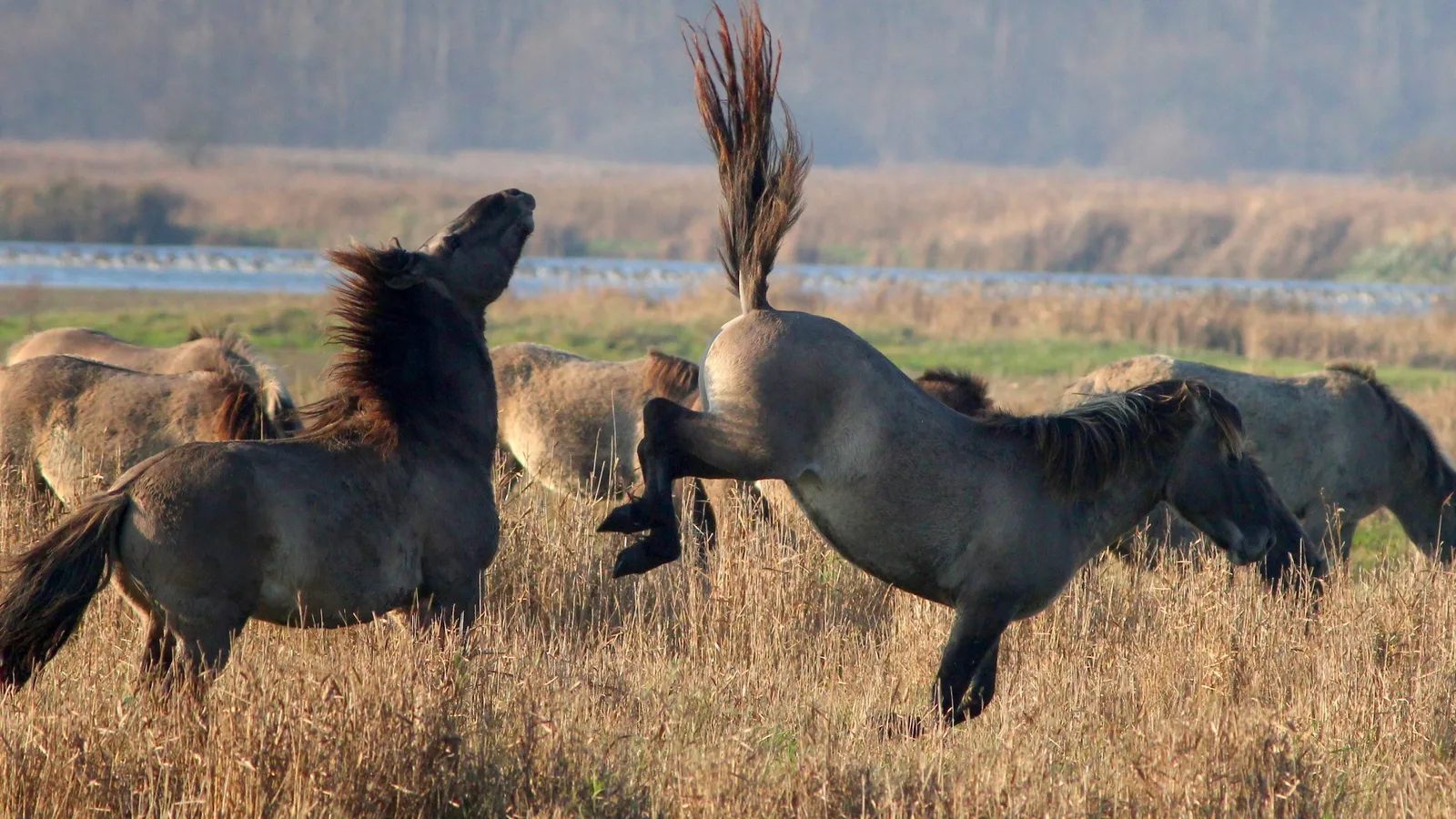
This evolutionary guild comprises odd-toed ungulates (perissodactyls) such as horses, zebras, and donkeys, alongside megaherbivores including elephants, tapirs, and rhinoceroses. Unlike ruminants, an equine possesses a simple, monogastric stomach. Instead, the primary enzymatic and microbial breakdown of coarse fibrous forage occurs far down the gastrointestinal tract—within a massive cecum and elongated large colon.
Due to an exceptionally powerful one-way muscular cardiac sphincter at the esophageal junction, horses are anatomically incapable of vomiting or belching. Any gas produced downstream in the cecum cannot travel backward without precipitating lethal gastric rupture. Consequently, hundreds of liters of fermentation gases must travel the entire length of the lower digestive tract. University of Zurich comparative physiology studies indicate that a mature horse releases 18 to 20 kilograms of methane annually almost entirely through vigorous flatulence.
These digestive dynamics provide valuable perspective on broader biogeochemical cycles. Discover more in our investigative report on why complex fluctuations in global emissions require rigorous scientific scrutiny.
| Animal / Taxonomic Group | Digestive Anatomy Type | Primary Gas Expulsion Pathway | Annual Output & Ecological Impact |
|---|---|---|---|
| Domestic Cow (Bos taurus) | Ruminant foregut fermenter (rumen) | Oral eructation (95%), lower flatulence (<5%) | 70–120 kg CH₄/yr per cow (major livestock footprint) |
| Domestic Horse (Equus caballus) | Perissodactyl hindgut fermenter (cecum/colon) | Intestinal flatulence (95%), incapable of belching | 18–20 kg CH₄/yr per horse (top individual flatulence) |
| Termites (Isoptera) | Wood-feeding insect hindgut paunch | Continuous anal flatulence via posterior cuticle | Up to 20 million metric tons CH₄/yr globally (1–3%) |
| Domestic Dog (Canis familiaris) | Monogastric carnivore digestive tract | Periodic anal flatulence | Low volume, high hydrogen sulfide (H₂S) concentration |
«For decades, the public has repeated the trope that cow farts are warming the globe. Yet from a biochemical perspective, 90 to 95 percent of bovine enteric methane is expelled from the front end as eructation (belching). If you want the real masters of flatulence, look at horses and termites.»
Prof. Ermias Kebreab, Director of the World Food Center at the University of California, Davis
The Microscopic Titans: Why Global Termite Swarms Emit Millions of Tons of Methane
When evaluating intestinal gas volume not on an individual per-animal basis, but across the total collective biomass of a taxonomic group, the indisputable heavyweight champions of the biosphere are not large mammals, but eusocial insects: termites (Isoptera).
Termites have evolved the extraordinary capability to digest lignocellulose from raw dead wood through specialized, high-density microbiomes housed within their specialized hindgut paunch. Gram for gram of body mass, a termite synthesizes orders of magnitude more flatus than any mammalian herbivore on Earth.
Because global termite populations number in the hundreds of trillions—with their collective biomass surpassing that of all wild terrestrial birds and mammals combined—the aggregate flatulence of subterranean and mound-building termites generates between 1% and 3% of the entire planet’s natural annual methane emissions, releasing up to 20 million metric tons of CH₄ into the atmosphere every year.
Ruminants vent gases from the anterior rumen via oral eructation, whereas hindgut herbivores vent all enteric fermentation methane posteriorly via flatulence.
Trillions of microscopic termites digesting raw cellulose through gut archaea generate up to 3% of all atmospheric methane on Earth.
Methane and carbon dioxide are odorless gases; offensive odors stem from trace sulfurous compounds produced by meat protein catabolism.
Adding red seaweed (Asparagopsis taxiformis) to cattle feed disrupts ruminal archaea enzymes, reducing enteric methane output by up to 80%.
Comparative Zoology: Who Farts, Who Doesn’t, and the Biochemistry of Flatulence
In their authoritative biological census “Does It Fart?”, ecologists Nick Caruso and Dani Rabaiotti documented the gastrointestinal mechanics of hundreds of animal species, revealing vast divergence across taxonomic classes.
Carnivorous mammals such as domestic dogs, wolves, and felids produce relatively modest volumes of gas compared to fibrous herbivores; however, the digestive catabolism of animal proteins dense in sulfur-bearing amino acids (methionine and cysteine) produces high concentrations of hydrogen sulfide (H₂S) and volatile mercaptans, creating notoriously pungent odor profiles.
Conversely, certain creatures are biologically incapable of passing gas. Marine birds and avian species in general harbor minimal methanogenic gut flora, possessing rapid gut transit times (often under an hour) that prevent expansive fermentation pockets from accumulating. Sloths also avoid flatulence: their exceptionally sluggish metabolisms allow methane to be reabsorbed directly through the gut wall into the bloodstream and expired passively via respiration.
- Over 90% of cattle methane is expelled through oral belching during rumination, not through anal flatulence.
- Horses possess a one-way muscular cardiac sphincter that prevents belching or vomiting, channeling all gas through the rectum.
- Birds and sloths rarely if ever pass gas: birds digest food too rapidly, while sloths expire gut gases through respiration.
- Blue whales produce the largest recorded individual underwater gas bubbles when digesting massive swarms of Antarctic krill.