

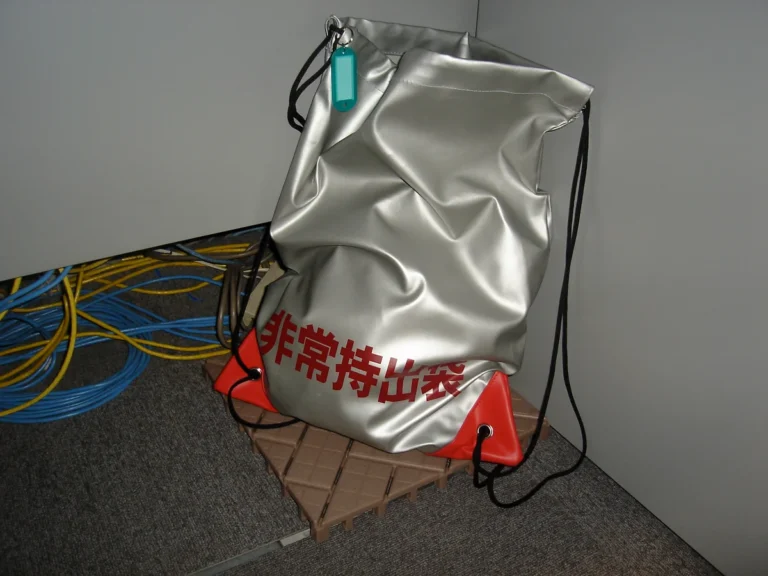

In recent months, the concept of stockpiling essential provisions for unexpected crises has undergone a dramatic cultural transformation, migrating from fringe subcultures directly onto government agendas and international headlines. While the supermarket runs during the early days of COVID-19 were driven by spontaneous consumer panic, today authorities across the UK, Germany, Sweden, and the United States are actively advising households to maintain a self-sufficient three-day supply of essentials. Amid cascading global uncertainties, emergency preparedness stockpiling has emerged as a mainstream civic responsibility, making it vital to distinguish pragmatic resilience from senseless consumer hoarding.
A Cultural Paradigm Shift: From Fringe Preppers to Official State Policy
A decade ago, the archetype of an individual systematically accumulating bulk canned goods, freeze-dried rations, camping stoves, and crates of batteries was largely relegated to sensationalist television series like ‘Doomsday Preppers’ or survivalist subcultures bracing for societal collapse. Citizens in affluent developed economies, accustomed to precision ‘just-in-time’ supply chains, 24-hour retail megastores, and smartphone grocery deliveries arriving in under twenty minutes, operated under the assumption that domestic food reserves were an obsolete relic of agrarian history.
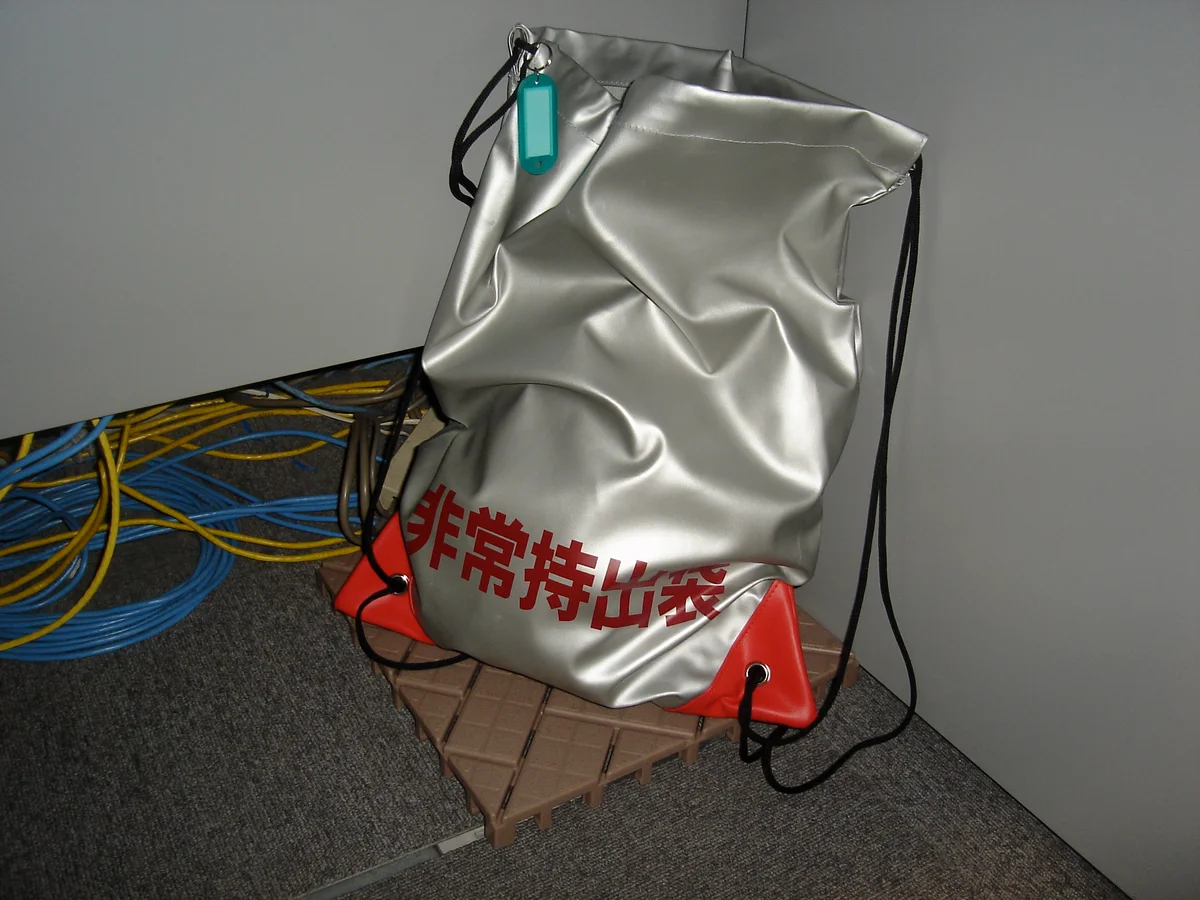
However, a relentless series of systemic shocks over the past few years—from pandemic shutdowns and shipping bottlenecks in the Suez Canal to escalating geopolitical instability and unprecedented climate extremes—has shattered this illusion of perpetual logistical invulnerability. Today, maintaining a pragmatic home emergency buffer is no longer viewed as eccentric paranoia; it is formally recognized by premier national governments as an indispensable pillar of collective civil defense.
In the United Kingdom, the Cabinet Office recently unveiled its nationwide ‘Prepare’ initiative, urging every British household to assemble a self-sufficient disaster kit capable of weathering sudden power failures or widespread flash floods. In Sweden, the Civil Contingencies Agency (MSB) mailed an updated edition of its comprehensive preparedness handbook, ‘Om krisen eller kriget kommer’ (‘If Crisis or War Comes’), directly to over five million homes. Meanwhile, Germany’s Federal Office of Civil Protection (BBK) maintains rigorous nutritional checklists for urban populations, and disaster readiness curricula have long been woven into the fabric of Japanese civic life.
This sweeping reassessment reflects growing awareness of systemic vulnerabilities across critical food and energy supply chains driven by climate change and ecological pressures. When metropolitan centers depend entirely on continuous daily replenishment, even a temporary disruption to power grids or road networks can empty grocery shelves within forty-eight hours.
The ‘Choose Your Own Apocalypse’ Dilemma: Deconstructing Modern Anxiety
Despite the well-intentioned motives behind institutional preparedness initiatives, government messaging can inadvertently trigger severe psychological friction: a phenomenon science writer Rachael Funnell aptly describes as the ‘choose your own apocalypse’ dilemma. During the height of the Cold War, civil defense literature was undeniably grim, yet it was strictly defined: citizens were taught specific physical principles regarding nuclear fallout, fallout shelter construction, radiation decontamination, and designated evacuation corridors.
In contrast, contemporary advisories are deliberately open-ended: ‘Prepare for unexpected disruptions.’ But disruptions of what variety? Is the threat an intense atmospheric river that knocks down regional power pylons? A sophisticated state-sponsored cyberattack on regional water purification facilities? A sudden global health emergency? Or an escalation of international military hostilities? When the catalyst is left completely undefined, the human imagination invariably fills the vacuum with catastrophic worst-case scenarios.
This ambiguity drives two destructive consumer extremes. On one end lies chaotic panic-buying—exemplified by the worldwide run on toilet paper in early 2020, where purchasing bulky paper goods provided an immediate, albeit irrational, illusion of regaining personal control over terrifying uncertainty. On the opposing extreme lies commercial disaster fetishism, wherein anxious individuals squander thousands of dollars on military-grade tactical gear, 25-year freeze-dried banquet buckets, and complex off-grid solar arrays that are utterly impractical for an average high-rise apartment.
Disaster management experts emphasize that genuine resilience requires trading apocalyptic fantasies for probabilistic thinking. For over 99% of modern urbanites, the most statistically probable emergency is not a Hollywood-style collapse of civilization, but a localized utility outage: a loss of grid electricity, municipal tap water, or heating lasting anywhere from 24 to 72 hours due to severe winter storms, flash flooding, or mechanical substation failure.

«The peculiar modern challenge of civil readiness boils down to a ‘choose your own apocalypse’ dilemma: while authorities strongly advise households to maintain a 72-hour buffer, the sheer spectrum of potential disruptions—from extreme weather to cyberattacks on utility grids—is so vast that people often experience decision paralysis or impulse-buy useless gear.»
Rachael Funnell, Senior Science Journalist at IFLScience
The Golden 72-Hour Rule: What Belongs in a Rational Emergency Kit
Why have international emergency management agencies—including FEMA in the United States, the International Federation of Red Cross and Red Crescent Societies, and European civil protection ministries—standardized their core recommendations around 72 hours (three full days)? In the wake of a significant natural disaster or severe infrastructure failure, emergency responders, medical personnel, and utility repair crews require roughly 48 to 72 hours to clear primary arterial roadways, evaluate structural hazards, stage relief centers, and restore vital transmission lines.
During this critical initial window, households must be capable of surviving autonomously, ensuring that overwhelmed emergency dispatch lines remain accessible to those facing immediate life-threatening danger. Building an effective kit requires adhering strictly to the biological hierarchy of human survival needs.
The absolute and indisputable primary priority is potable water. While a human body can endure several weeks without caloric intake, severe dehydration in high-stress environments can trigger acute kidney failure, cognitive disorientation, and lethal heat-exhaustion within just 72 hours. Standard civil defense benchmarks recommend a minimum allocation of 3 to 4 liters (approximately one gallon) per adult per day—split evenly between direct hydration and minimal sanitation or food rehydration. For a family of three, an adequate three-day buffer equates to roughly 30 to 36 liters of commercially sealed still water, stored in a dark, climate-controlled space away from direct sunlight.
The secondary foundation is non-perishable sustenance. The paramount guideline here is practicality: chosen items must not require cooking, boiling water, or refrigeration. Excellent staples include canned poultry, tuna, salmon, and beans featuring integrated pull-tab lids, high-density peanut or almond butter, dried fruits, whole-grain crackers, vacuum-sealed nuts, and nutrient-dense meal replacement bars rich in complex carbohydrates and protein. Critically, ensure your kit includes at least one sturdy manual can opener—attempting to breach metal tins with chef knives in low-light conditions is a frequent source of severe emergency-room lacerations.
At least 9–12 liters per person for 3 days stored in airtight food-grade containers, supplemented with water purification tablets.
Nutrient-dense calories requiring no cooking or refrigeration: canned meats, fish, beans, nut butters, dried fruit, and high-protein bars.
High-lumen LED headlamps, heavy-duty power banks, and an AM/FM hand-crank emergency radio for vital broadcasts during cellular outages.
A 7-to-14-day supply of critical prescription medications, trauma bandages, antiseptic agents, personal hygiene supplies, and dust masks.
Energy, Communications, and Medicine: Escaping the Information Vacuum
The third pillar of a pragmatic emergency cache encompasses backup illumination and off-grid power solutions. A sudden, unexpected plunge into pitch-black darkness induces immediate psychological stress and dramatically multiplies the risk of domestic slip-and-fall injuries. Every household kit should contain dependable LED flashlights and hands-free headlamps (which liberate both hands for household tasks or attending to children), an ample supply of fresh alkaline batteries, and several pre-charged power banks boasting a combined storage capacity of at least 20,000 to 30,000 mAh.
However, during widespread blackouts, conventional cellular telecommunications frequently degrade within hours: cellular tower backup batteries deplete quickly, and remaining frequencies become paralyzed by millions of simultaneous voice calls. Consequently, disaster management specialists universally advocate keeping a compact, battery-operated or hand-crank AM/FM emergency radio on hand. Longwave and mediumwave terrestrial radio broadcasts feature tremendous geographic propagation and remain the single most resilient channel for civil authorities to disseminate critical safety updates and evacuation advisories.
The fourth vital module is a tailored first-aid and medical reserve. Standard automotive first-aid kits generally contain little more than adhesive strips and gauze, which prove woefully insufficient during substantive emergencies. A robust household medical kit should feature pressure bandages, sterile hemostatic dressings, modern antiseptics (such as chlorhexidine or povidone-iodine), oral rehydration salts, pain relievers, and broad-spectrum antihistamines. Most crucially, households must establish a rolling 7-to-14-day supply of essential daily prescription medications (such as insulin, cardiac treatments, or asthma inhalers) that family members cannot safely skip.
Physical and mental endurance in high-stress environments is inextricably linked with building practical physical and psychological resilience for crises. Maintaining foundational physical fitness, practicing intentional stress-regulation techniques, and cultivating mental composure allow individuals to navigate acute domestic disruptions without succumbing to debilitating panic.
- The international 72-hour rule addresses the critical window emergency responders require to clear roads and restore essential logistics.
- Clean drinking water is the non-negotiable priority: baseline requirements mandate 3 to 4 liters per person per day for hydration and basic hygiene.
- Modern systemic risks are diverse and cascading, ranging from severe weather events and blackouts to supply-chain logjams and cyber disruptions.
- An effective survival cache is compact, cost-efficient, and systematically rotated through regular household consumption every six months.
The Strategy of Rational Sufficiency: Preparedness Without Paranoia or Waste
Assembling a dependable 72-hour family survival cache does not necessitate a sudden drain on household finances, nor does it require acquiring specialized military hardware. The most sustainable and cost-effective methodology is the gradual ‘one extra item’ grocery rotation strategy. During standard weekly visits to the supermarket, simply acquire one additional can of tuna, an extra bag of almonds, a supplemental jug of drinking water, or a fresh pack of batteries from among the brands and products your family already consumes on a regular basis.
Store these provisions in a sturdy, sealed plastic tote bin or dedicated durable backpack in an accessible, cool, and dry location. Every six months, conduct a brief audit: transfer items approaching their expiration dates into your regular kitchen pantry for immediate consumption, replacing them with freshly purchased goods. Under this rolling rotation system, no food or water is ever wasted, and the financial investment is diffused so gradually that it remains virtually unnoticeable in your monthly budget.
Special attention must also be paid to physical identity documents and hard currency reserves. When power grids fail, electronic card readers, ATMs, and digital banking platforms immediately go dark. Maintaining a modest reserve of physical cash in small denominations ensures you can purchase emergency supplies from local merchants when digital systems collapse. High-resolution photocopies of passports, insurance policies, property deeds, and immunization records should be sealed inside heavy-duty waterproof zip pouches alongside your emergency gear.
Ultimately, pragmatic disaster preparedness is not an admission of fear or fatalism; it is the hallmark of thoughtful, mature civic stewardship. A household equipped with three days of water, food, power, and medical essentials is insulated against immediate panic, avoids overwhelming overburdened public relief workers during the initial hours of a crisis, and confronts unforeseen challenges with calm confidence, clarity, and steadfast resilience.