

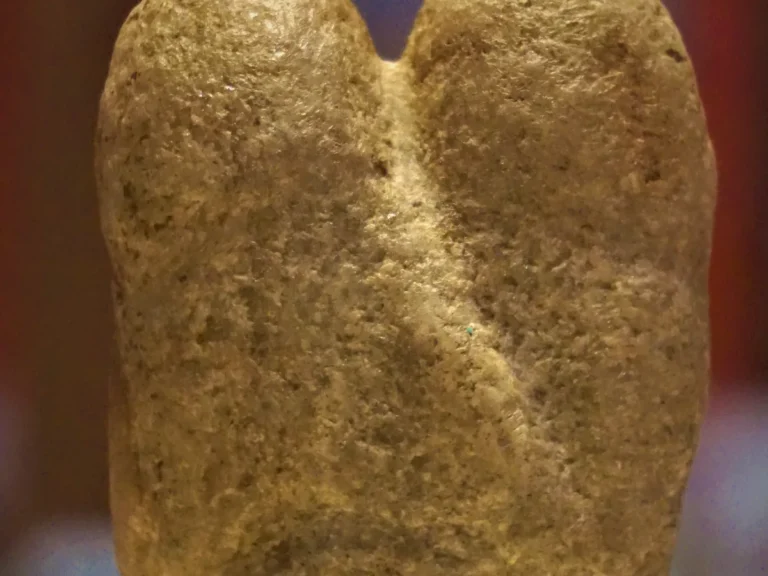

In a groundbreaking discovery that transforms our understanding of prehistoric education and human cognition, international archaeologists have revealed that ancient Natufian clay figurines dating back 15,000 years bear the distinct fingerprints of children under ten years of age. Published in a peer-reviewed study, the microscopic evidence demonstrates that millennia before the invention of the pottery wheel or the dawn of agriculture, hunter-gatherer societies used unfired clay modeling as an interactive tool for learning animal anatomy, intergenerational mentorship, and cultural transmission.
The Pre-Agricultural Symbol Revolution: How Natufian Clay Figurines Shatter Historic Paradigms
For nearly a century, textbook archaeology maintained that plastic clay modeling and three-dimensional artistic representation emerged strictly alongside the Neolithic agricultural revolution around 10,000 to 8,000 years ago. Conventional theory dictated that only when permanent agrarian communities required ceramic vessels for grain storage and boiling did humans begin fashioning clay into symbols and idols. Late Upper Paleolithic hunter-gatherers were celebrated for cave paintings and portable bone carvings, but never for clay sculpture.
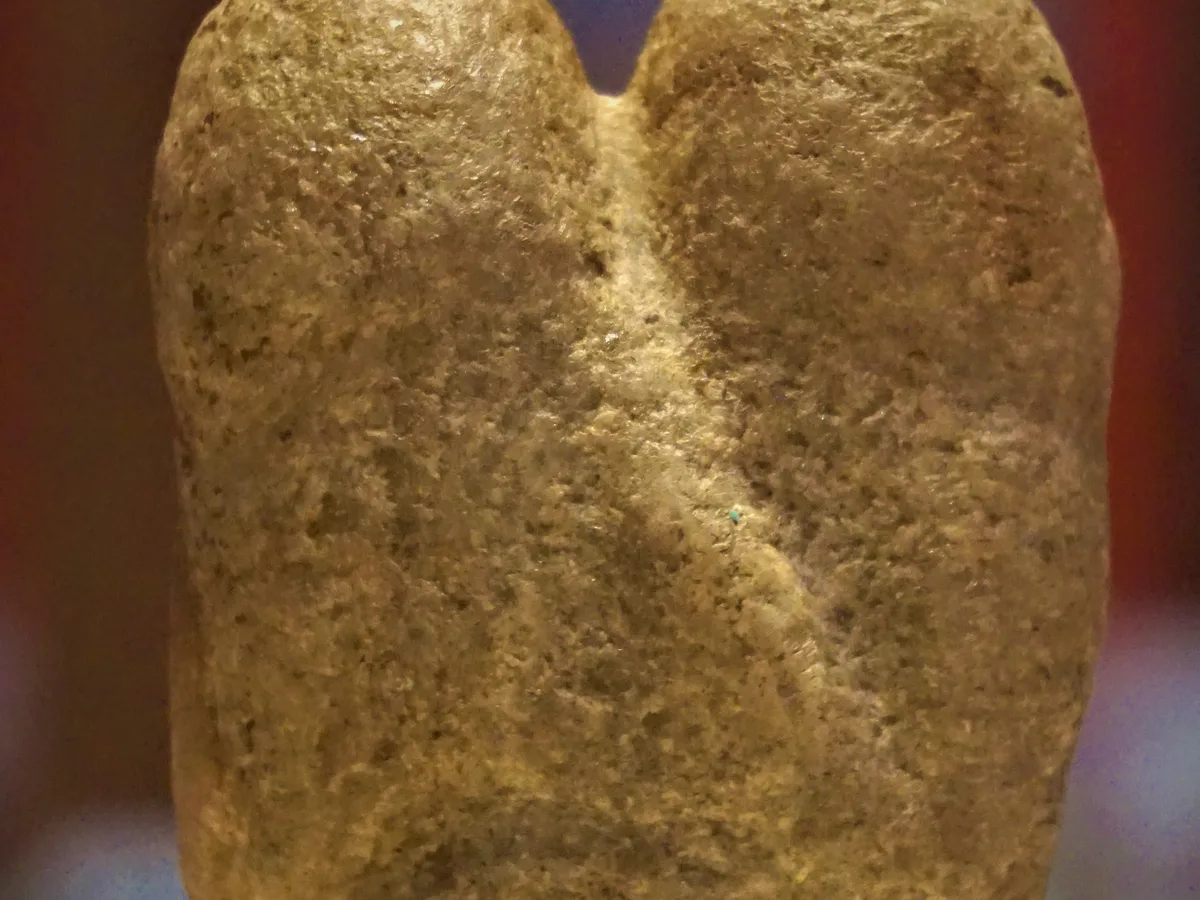
However, a landmark investigation led by Dr. Laurent Davin of the Hebrew University of Jerusalem and published in the study published in PLOS ONE has thoroughly overturned this long-held paradigm. Researchers conducted advanced multispectral and microscopic analyses on a curated assemblage of over 150 clay artifacts and figurines excavated from classic Epipaleolithic Natufian sites in the Levant, including Eynan-Mallaha in the Hula Basin, Hayonim Terrace, and el-Wad Cave.
Radiocarbon and stratigraphic records date these objects between 15,000 and 11,500 years ago—an era when semi-sedentary hunter-gatherers established the world’s first base camps. Just as ongoing archaeological studies of ancient cultures have upended entrenched assumptions about prehistoric social organization, this forensic analysis of micro-impressions on Levant clay has unlocked an unprecedented window into the lived experience of prehistoric childhood.
Deep-Time Dermatoglyphics: Forensic Ridge Analysis Uncovers Young Artisans
The pivotal scientific breakthrough came from applying forensic epidermal dermatoglyphics and high-resolution 3D surface scanning. Because Natufian miniature figures were dried naturally under ambient heat or beside hearths rather than vitrified in high-temperature kilns, the delicate wet-clay matrix preserved the friction ridges of human skin with forensic precision.
By calculating Mean Ridge Breadth (MRB) formulas calibrated against comprehensive human biological datasets, the scientific team established that more than a quarter of the preserved prints belonged to juvenile hands—specifically children between six and ten years of age, alongside adolescents. Furthermore, several artifacts displayed a critical stratigraphic overlap: narrow children’s dermal ridges superimposed directly across broader adult epidermal lines.
A remarkable 15-millimeter anthropomorphic torso figurine from Eynan-Mallaha encapsulates this discovery. The primary clay body reveals the decisive, broad thumb compressions of an experienced adult mentor, over which finer, tentative juvenile ridge patterns were pressed into the clay. This provides direct physical testimony of hands-on apprenticeship: an adult hunter-gatherer shaping the core figure while a seated child touched and manipulated the wet earth under watchful guidance.
«For the first time, we hold tangible physical proof of how children learned about their environment 15,000 years ago. The layered prints of child and adult on a single figurine capture an enduring moment of ancient mentorship frozen in time.»
Dr. Laurent Davin, Lead Study Author, Hebrew University of Jerusalem
From Waterfowl to Gazelles: Clay Sculpting as an Environmental Field Guide
Morphological examination of the identifiable zoomorphic figurines demonstrated a focused taxonomy centered on two vital wild groups: wetland avian species (including waterfowl, ducks, and raptors) and ungulates (primarily mountain gazelles and wild cattle). Traces of vibrant mineral pigments, particularly red and orange ochre, remain embedded in carved grooves representing eyes, beaks, and wings.
In an oral culture devoid of written manuals or formal schooling, the tactile manipulation of soft clay functioned as an active learning mechanism for children. By physically sculpting a gazelle’s hoof or a duck’s bill, youth internalized the precise biometric markers, postures, and skeletal proportions of game species critical for collective hunting survival.
From an evolutionary biology standpoint, this mirrors research on the social transmission of learned behaviors to younger generations observed among primates. Yet human hunter-gatherers elevated play into structured cognitive scaffolding: clay modeling bridged motor skill development with ecological taxonomy, encoding cultural knowledge directly into malleable earth.
Mean ridge breadth analysis verified that juvenile hands under 10 years old shaped the malleable wet clay.
Depictions of waterfowl and gazelles align with high-yield game species hunted around ancient Lake Hula.
Overlapping juvenile ridges on adult thumbprints demonstrate direct physical mentoring and apprenticeship.
Mineral ochre detailing highlights the sophisticated development of prehistoric color symbolism.
Ice Age Pedagogy: Ephemeral Play, Ritual Storytelling, and Social Cohesion
Notably, these miniature figurines were not enshrined in specialized ritual sanctuaries. Instead, they were recovered primarily from ash pits, hearth waste, and domestic floor deposits within semi-subterranean stone huts. This distribution proves that the value of the artifacts resided in the act of fabrication rather than permanent monumental veneration; they were fashioned spontaneously as toys or visual aids during hearthside storytelling before being discarded.
Moreover, collaborative crafting fostered vital intergenerational bonds during an era of acute ecological stress. The transition between the temperate Bølling-Allerød interstadial and the harsh cold aridity of the Younger Dryas forced Natufian bands into denser sedentary aggregations. Rapidly integrating youth into technical and symbolic community traditions was vital for resilience.
This discovery confirms that experiential tactile learning, visual modeling, and juvenile curiosity have formed the backbone of human intelligence for over 15,000 years. Mud and clay were the earliest interactive screens of our species, capturing children’s creative exploration across millennia.
- Clay sculpting emerged more than 5,000 years before pottery vessels and agricultural villages in Southwest Asia.
- Over 25% of analyzed figurines from Eynan-Mallaha and Hayonim feature authentic juvenile fingerprints.
- Tactile modeling served as an experiential educational tool for teaching juvenile hunters game anatomy.
- The findings emphasize the evolutionary primacy of childhood play in transmitting technological traditions.
Eynan-Mallaha Excavations and the Hula Basin Wetland Oasis
The pristine preservation of unfired clay artifacts at Eynan-Mallaha is directly linked to the unique paleo-environmental setting of the ancient Hula Lake basin in northern Israel. Initially excavated by French archaeologist Jean Perrot in the 1950s and extensively explored by François Valla and Hamoudi Khalaily, the site benefited from continuous freshwater karstic springs that maintained favorable anaerobic conditions.
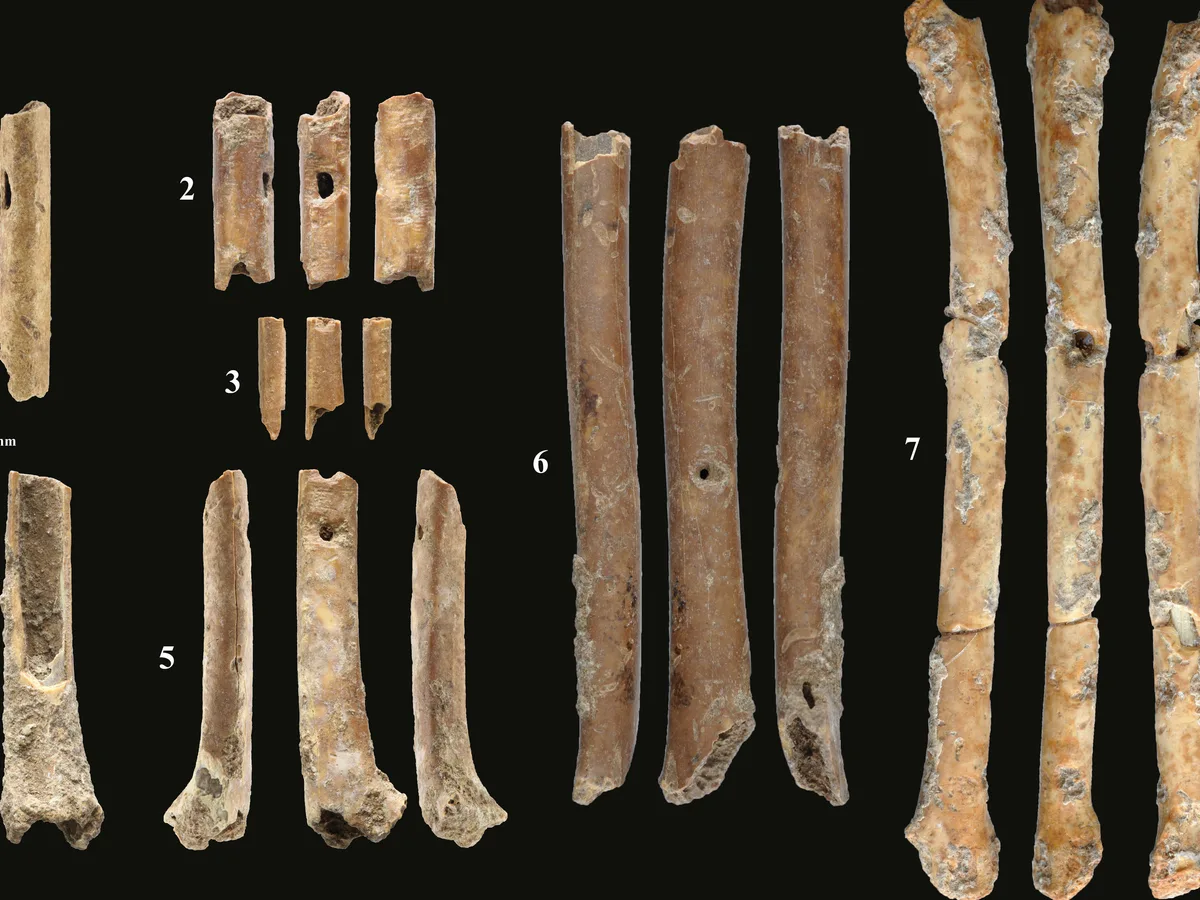
The Natufians constructed semi-circular dry-stone dwellings up to nine meters across, paved with basalt slabs and centered around stone-lined hearths. Eynan-Mallaha has yielded some of the world’s most astonishing prehistoric artifacts, including the oldest aerophone bird-bone flutes crafted to imitate avian predator calls, as well as the famous burial of an elderly woman cradling a domestic puppy—the earliest physical proof of human-canine domestication.
The emergence of hundreds of modeled clay figurines completes this rich anthropological mosaic. Long before agriculture, these hunter-gatherers engineered a sophisticated semi-sedentary civilization characterized by music, decorative shell beadworks, organized community life, and a dedicated culture of childhood learning that forever transformed how humans interact with raw earth.