


In the ultimate evolutionary battle of natural chemical warfare — mushrooms vs plants, toxicologists evaluate whether the silent molecular devastation of fungal amatoxins outweighs the terrifying multi-vector arsenal of poisonous trees and alkaloids.
The Toxic Kingdoms: Evolutionary Arms Race of Fungi and Flora
Over hundreds of millions of years of natural selection, organisms incapable of locomotion developed sophisticated chemical weapons to survive. When biologists analyze the debate of mushrooms vs plants, they encounter two fundamentally distinct evolutionary survival paradigms.
As primary autotrophic producers, plants constantly face heavy predation pressure from herbivores ranging from microscopic insects to massive grazing mammals. In response, flora evolved an astonishingly diverse chemical armory of secondary metabolites, including cardiac glycosides, neurotoxic alkaloids, and violent contact irritants. Fungi, on the other hand, spend the majority of their lifecycles hidden underground or deep within decomposing timber as filamentous mycelium, sending up fruiting bodies only briefly to disperse reproductive spores.
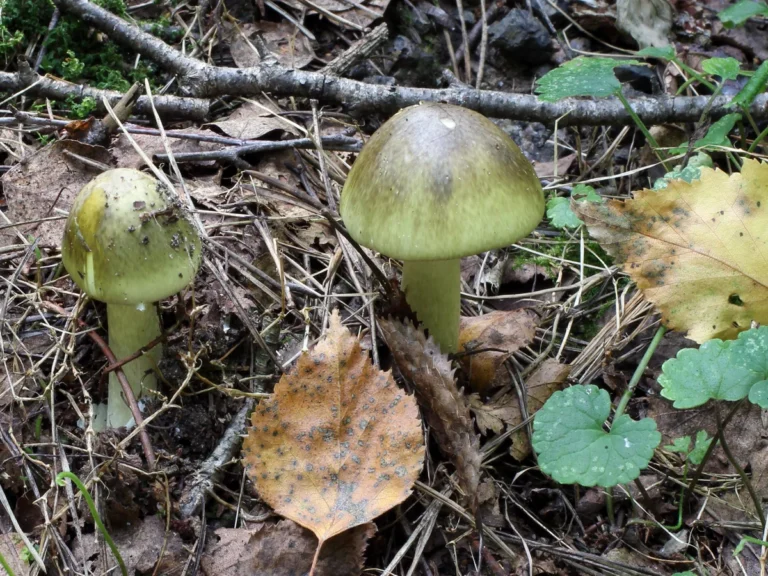
Nevertheless, it is during this short reproductive window that the fungal kingdom exhibits terrifying biochemical potency. A comprehensive scientific overview published by IFLScience highlights that when comparing the probability of a fatal outcome from an accidental taste in the wild, fungi produced the world’s most efficient standalone killer: the Death Cap mushroom (Amanita phalloides).
The Death Cap and Amatoxins: Silent Cellular Destruction
Amanita phalloides accounts for approximately 90 percent of all fatal mushroom ingestions globally. The profound danger of the death cap resides in its cyclic octapeptides known collectively as amatoxins, primarily alpha-amanitin.
Unlike many poisonous botanical species that taste intensely bitter or burning, the death cap presents no sensory warning. Survivors of accidental poisonings routinely report that the mushroom had a pleasant, mild, and savory culinary flavor. Upon ingestion, amatoxins do not provoke immediate nausea or emesis, allowing them to pass undetected into the small intestine and enter the portal bloodstream.
Once inside human hepatocytes and renal tubules, alpha-amanitin binds with high affinity to RNA polymerase II, the fundamental enzyme responsible for transcribing messenger RNA. By freezing this enzymatic engine, amatoxins completely halt protein biosynthesis. Deprived of essential cellular proteins, hepatocytes undergo massive necrosis. Because this devastation unfolds during an asymptomatic latent phase lasting 6 to 24 hours, patients frequently present to emergency departments only after irreversible hepatic destruction has already taken place.
«Amatoxins act as an inescapable molecular vice, binding irreversibly to RNA polymerase II and freezing protein synthesis while the victim feels entirely fine for hours.»
Michael Beug, Professor Emeritus of Biochemistry and Mushroom Toxicology
The Manchineel Tree: The Deadly Beach Apple of the Caribbean
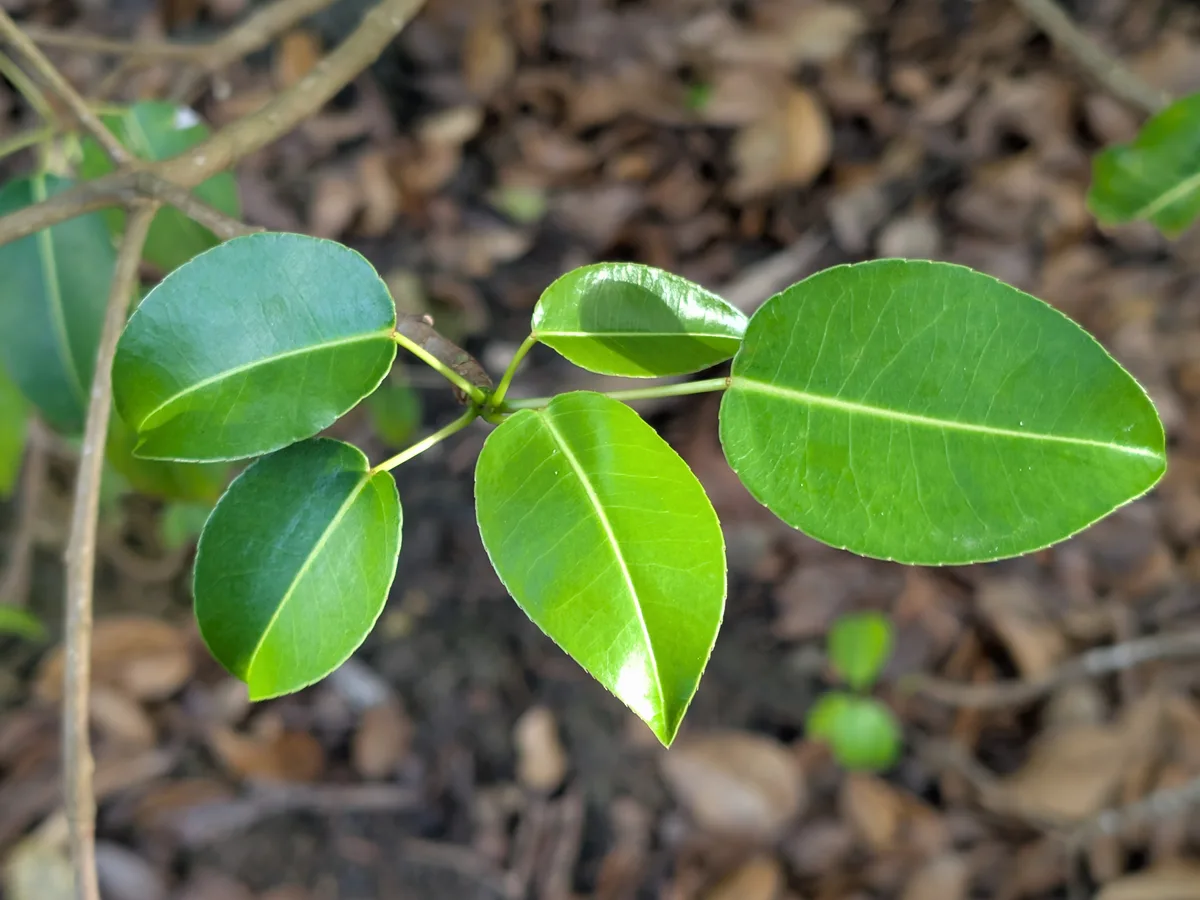
Representing the plant kingdom’s most formidable hazard is the infamous manchineel tree (Hippomane mancinella), native to coastal beaches and mangroves of the Caribbean basin, Florida, and Central America. Certified by the Guinness Book of World Records as the most dangerous tree in the world, Spanish conquistadors aptly christened it «manzanilla de la muerte» — the little apple of death.
Unlike a poisonous mushroom, which must be chewed and swallowed to inflict harm, the manchineel acts as an ambient biohazard zone. Every part of the tree exfiltrates a thick, milky sap enriched with complex diterpenes, including phorbol and its lipophilic esters.
Phorbol induces acute, severe dermatitis and extensive chemical blistering upon simple contact. Taking shelter beneath a manchineel canopy during a coastal thunderstorm can result in agony: rainwater washing over the leaves picks up dissolved sap, inflicting second-degree burns across exposed human skin. Burning manchineel wood produces dense, acrid smoke capable of causing temporary blindness and severe respiratory tract edema.
Beyond devastating dermal burns, the sap of Hippomane mancinella is notorious for corroding organic cotton fabrics and blistering automobile paint parked beneath coastal groves. Caribbean conservation agencies systematically stencil prominent red bands and multilingual biohazard warning placards on trunks to alert unsuspecting tourists.
The death cap mushroom delays symptoms for 6 to 24 hours, quietly ravaging hepatic tissue while the patient remains completely oblivious.
The manchineel tree discharges caustic phorbol esters; standing beneath it in tropical rain causes severe skin blistering and chemical burns.
Alpha-amanitin specifically disables eukaryotic RNA polymerase II, halting transcription and triggering catastrophic hepatocyte apoptosis.
Flora synthesizes secondary metabolites to deter persistent herbivores, whereas fungi deploy mycotoxins to safeguard ephemeral fruiting bodies.
Botanical Lethality Beyond the Beach: From Wolfsbane to Ricin
The manchineel is far from the only lethal botanical threat. Plants have engineered an array of rapid-acting system toxins. A prominent example is monkshood or wolfsbane (Aconitum), which produces aconitine — a potent alkaloid that keeps voltage-gated sodium channels persistently open, leading to fatal ventricular arrhythmias within minutes of ingestion.
Equally infamous is the castor bean plant (Ricinus communis), the source of ricin. Ricin is a ribosome-inactivating protein that halts cellular protein translation by cleaving an adenine residue from 28S ribosomal RNA. Biochemically, ricin is far more lethal per microgram than cobra venom, though human poisoning is often mitigated if seeds are swallowed whole without breaking their resilient outer hull.
Deciphering the toxicological mechanisms of natural compounds has proven vital to pharmacologists developing targeted therapies, paralleling insights gained from breakthrough biological research on environmental resilience and adaptation. Studying these molecular structures continues to guide the creation of novel cancer treatments and molecular antidotes.
- In terms of single-exposure lethality via ingestion, mushrooms win decisively: a single cap of Amanita phalloides contains a fatal dose for an adult human.
- In terms of environmental threat vectors, plants dominate: the manchineel tree can blind through sap vapors, burn via rainwater runoff, and asphyxiate upon tasting.
- Investigating fungal and botanical toxins provides crucial insights into molecular cell biology and targeted cancer therapies.
Scientific Verdict: Which Kingdom Takes the Deadly Crown?
When evaluating the showdown of mushrooms vs plants, modern toxicology concludes that the answer depends on how lethality is defined.
If judging by sheer potency and the inevitability of death resulting from a single accidental meal, mushrooms take the crown. The death cap’s pleasant taste, prolonged asymptomatic incubation period, and targeted molecular annihilation of hepatic RNA transcription make it the deadliest individual organism to ingest in nature without prompt organ transplantation.
Conversely, if judging by environmental prevalence and the breadth of exposure pathways, plants are far more perilous. Botanical toxins threaten through touch, rainwater runoff, aerosolized smoke, and ingestion, creating a much broader landscape of everyday hazards for hikers and foragers worldwide.