

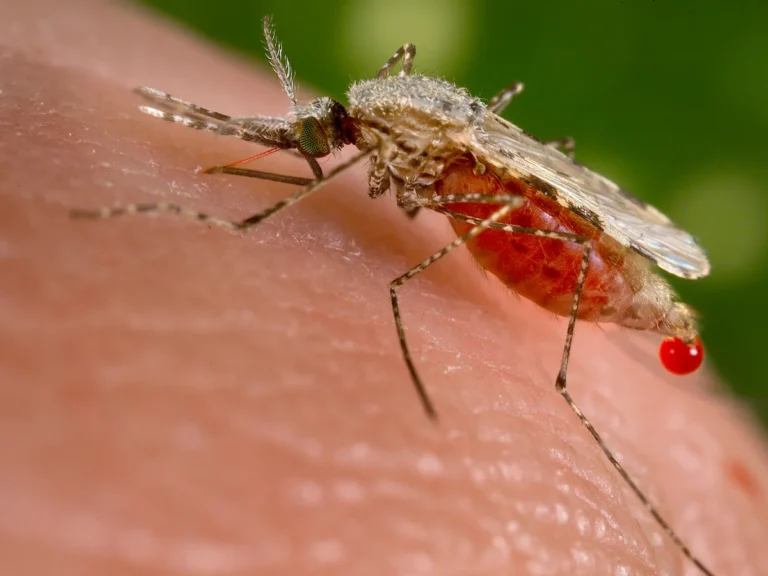

Malaria continues to claim over 600,000 lives annually, with young African children bearing the heaviest burden. Now, an international team of vaccinologists and geneticists has achieved a historic milestone: the creation of a next-generation hybrid malaria parasite vaccine built upon the AV27 strain of Plasmodium falciparum, naturally bred through sexual recombination inside the gut of an Anopheles mosquito.
The Impasse of the 1979 Legacy Strain: Why Past Whole-Parasite Vaccines Struggled
For more than four decades, the frontier of whole-parasite malaria vaccine development relied almost exclusively on a single ancestral laboratory isolate of Plasmodium falciparum known as NF54. Originally isolated in 1979 from a patient at Amsterdam’s Schiphol Airport, this historic strain possessed a crucial industrial virtue: it yielded massive, predictable oocyst counts in laboratory-reared Anopheles stephensi mosquitoes, allowing biotechnology pioneer Sanaria to harvest millions of purified sporozoites for its PfSPZ vaccine pipeline.
However, across 45 years of evolutionary divergence, wild African malaria parasites moved far ahead. The lab-adapted NF54 strain exhibited underwhelming hepatocyte infectivity in human liver tissue, requiring massive sporozoite doses to trigger protective CD8+ T-cell responses. Crucially, the antigenic repertoire of a single 1970s Dutch airport isolate offered incomplete cross-protection against contemporary, hyper-diverse field strains circulating across sub-Saharan Africa.
Attempts to replace NF54 with virulent, modern wild African clinical isolates repeatedly collapsed during manufacturing scale-up: wild strains produced negligible oocyst yields in lab mosquitoes. Vaccinologists found themselves trapped between a manufacturing-friendly but immunogenically mediocre strain and potent wild strains that could not be manufactured. Overcoming such biological trade-offs frequently demands novel investigative frameworks, as explored in our research examining how biological pathways mediate clinical transitions under complex physiological states.
Mating in the Mosquito Gut: The hybrid malaria parasite vaccine and AV27 selection
To break this four-decade deadlock, an investigative team from the Center for Global Infectious Disease Research at Seattle Children’s Research Institute, led by Dr. Stefan Kappe (Stefan Kappe), joined forces with Sanaria Inc. under Dr. Stephen Hoffman (Stephen Hoffman). Rather than resorting to synthetic recombinant gene insertion, the scientists leveraged the parasite’s natural sexual cycle.
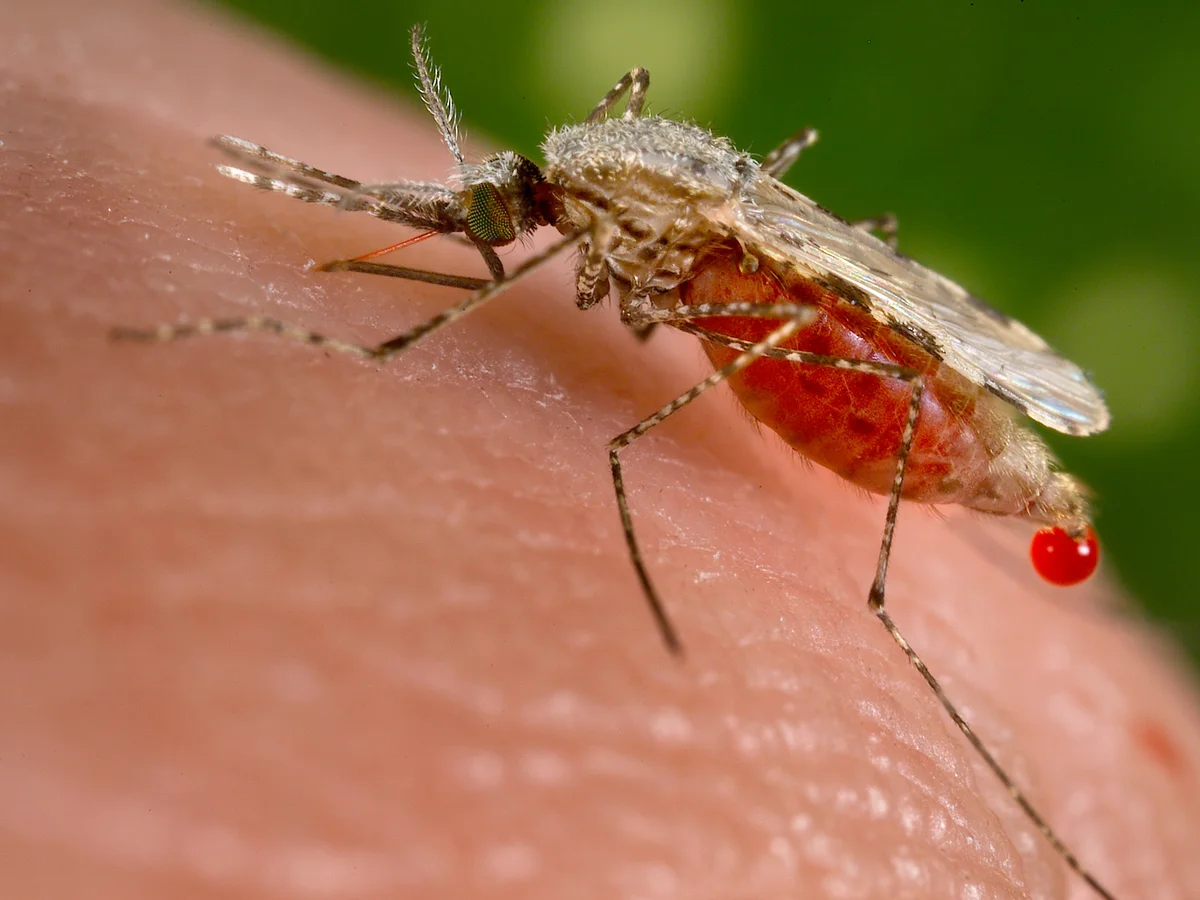
Plasmodium falciparum undergoes obligate sexual reproduction exclusively within the vector: male microgametes and female macrogametes fuse to form mobile ookinetes inside the mosquito midgut. The researchers co-fed mosquitoes with blood containing gametocytes of the prolific NF54 strain alongside a highly infectious clinical isolate from East Africa. Within the insect’s midgut, hundreds of chromosomes naturally recombined via meiotic cross-over.
From hundreds of resultant hybrid oocysts, the team isolated a single clonal progeny dubbed AV27. Whole-genome sequencing confirmed that AV27 inherited NF54’s genetic capacity for high-density mosquito sporogony alongside the East African parent’s specialized machinery for rapid liver cell invasion and enhanced expression of protective circumsporozoite protein (CSP) and thrombospondin-related anonymous protein (TRAP).
«By crossing the industrial productivity of NF54 with the high liver-stage infectivity of modern East African parasites, we created AV27. This hybrid provides the ideal foundation for whole-parasite vaccines capable of delivering true sterile immunity.»
Dr. Stefan Kappe (Stefan Kappe), PhD, Professor at the Center for Global Infectious Disease Research, Seattle Children’s Research Institute
The Silent Liver Stage: Unlocking Sterile Protective Immunity
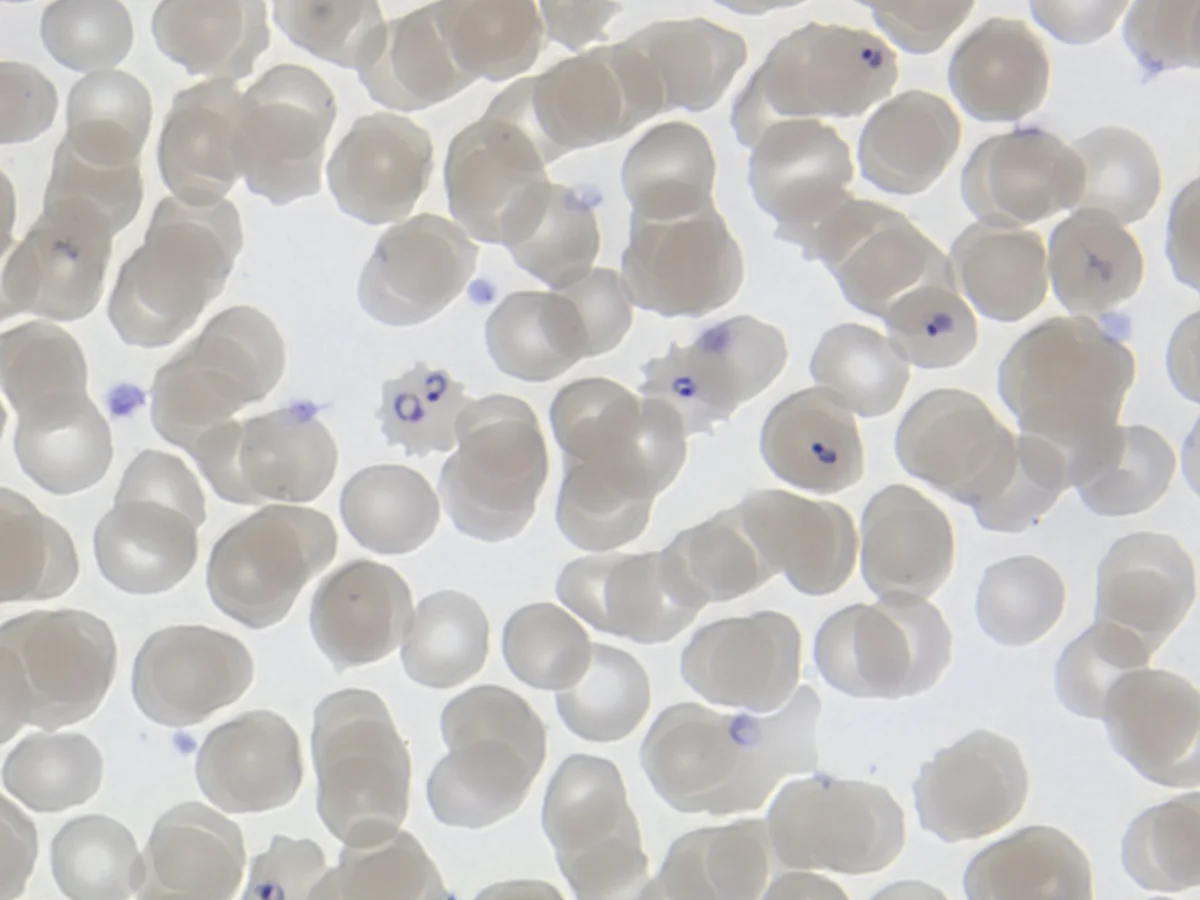
The clinical potency of AV27 became evident during preclinical evaluations in humanized liver-chimeric mouse models. Following transmission via mosquito bite, malaria sporozoites migrate through the bloodstream to home into hepatocytes. This hepatic stage lasts 6 to 7 days and is entirely asymptomatic: patients suffer no clinical fever or anemia until the parasite ruptures into red blood cells.
Inside an infected hepatocyte, a single AV27 sporozoite replicates through schizogony into 30,000 to 40,000 daughter merozoites. Strikingly, AV27 invades human hepatocytes at 3 to 5 times the efficiency of its NF54 parent, developing into exceptionally large, metabolically active liver-stage schizonts. This enhanced liver development exposes a massive array of parasite antigens on host cell surfaces via MHC Class I presentation.
This antigenic flood primes a robust, durable population of cytotoxic CD8+ T lymphocytes and liver-resident tissue memory cells (TRM). When a vaccinated host is subsequently bitten by an infectious wild mosquito in malaria-endemic regions, these sentinel memory T cells detect and eliminate infected hepatocytes within hours, establishing sterile immunity that aborts the infection before blood-stage disease can begin.
A breakthrough Plasmodium falciparum clone marrying NF54’s manufacturing yield with wild African infectivity.
Zero synthetic genes were engineered; strains recombined naturally during sexual reproduction inside the mosquito gut.
AV27 forms dense schizonts in human hepatocytes, triggering massive CD8+ tissue-resident memory T-cell responses.
PfSPZ-LARC2 arrests during liver replication, eliminating the parasite before it can ever infect red blood cells.
Traversing the Sinusoidal Wall: Kupffer Cell Bypassing and Antigenic Priming
To successfully establish liver-stage residence, malaria sporozoites must breach the specialized sinusoidal endothelial barrier, where liver-resident macrophages—Kupffer cells—actively eliminate foreign pathogens. Traditional lab isolates frequently trigger Kupffer cell activation, resulting in premature phagocytic clearance before productive hepatocyte infection can occur.
The AV27 hybrid demonstrates superior gliding motility and membrane-disruption capabilities mediated by optimized SPECT1 and perforin-like proteins. This enables sporozoites to swiftly traverse Kupffer cells and non-parenchymal sinusoidal cells without being trapped, rapidly entering final hepatocyte targets.
Once safely encased within its hepatocyte parasitophorous vacuolar membrane, AV27 initiates robust protein expression across hundreds of late-liver genes. This extensive developmental timeline ensures broad presentation of both conserved pre-erythrocytic and early blood-stage antigens, preparing host memory T cells to neutralize diverse wild field isolates.
- Natural mosquito cross-breeding solved a 45-year manufacturing bottleneck with the archival NF54 strain.
- All genetic alleles already circulate naturally in Africa, ensuring regulatory compliance and broad cross-protection.
- The vaccine arrests development in the liver, aborting infection prior to clinical symptoms and transmission.
- Presenting over 1,000 whole-parasite antigens prevents malaria parasites from developing single-point escape mutations.
The PfSPZ-LARC2 Platform and the Horizon of Global Eradication
Armed with the AV27 hybrid, researchers have engineered the next-generation PfSPZ-LARC2 (Late Arresting Replication-Competent) vaccine candidate. Unlike older radiation-attenuated sporozoites that died within hours of hepatocyte entry, AV27-based LARC2 parasites undergo extensive, near-complete liver-stage replication before a targeted genetic deletion permanently prevents erythrocyte invasion.
Existing WHO-approved subunit vaccines—RTS,S/Mosquirix and R21/Matrix-M—rely on recombinant fragments of a single surface protein (CSP), providing modest 30% to 75% efficacy that wanes steeply after 12 to 18 months. By contrast, a whole-parasite vaccine built on AV27 presents more than 1,000 distinct protein targets, constructing an evolutionary barrier that parasites cannot easily mutate around.
Because every single gene within AV27 already circulates naturally in wild African parasite populations, the strain complies with rigorous regulatory safety standards. Set to enter Phase I human clinical trials, AV27 represents the most formidable immunological weapon yet conceived in humanity’s multi-millennial war against malaria.