

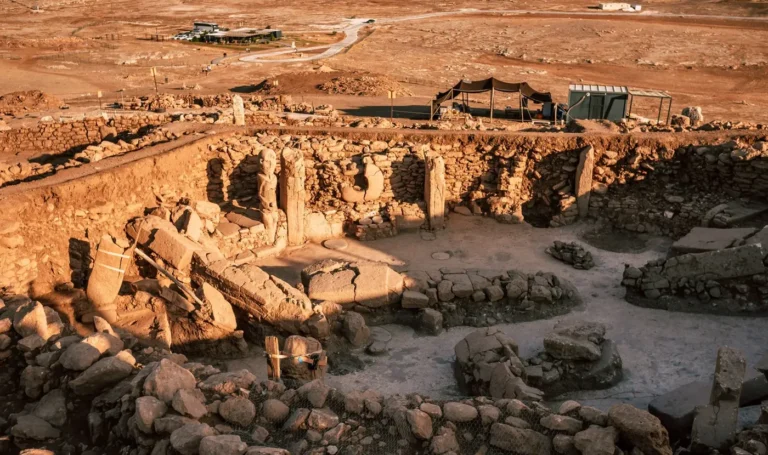

While archaeologists celebrate discoveries at southeastern Turkey’s famous sanctuary in Şanlıurfa, researchers are raising the alarm over an endangered northern counterpart: an 11,500-year-old Gobekli Tepe twin known as Kâhin Tepe (often compared with Karahan Tepe) that risks disappearing beneath dam waters unless urgent action is taken.
What Is the Gobekli Tepe Twin in Northern Turkey?
Göbekli Tepe revolutionized prehistory by proving that hunter-gatherers built monumental stone sanctuaries thousands of years before settled agriculture became widespread. Yet in the Araç district of Kastamonu province in northern Turkey, archaeologists uncovered Kâhin Tepe—a Pre-Pottery Neolithic complex so similar in scale and symbolism that scholars dub it the “Göbekli Tepe of the Black Sea.”
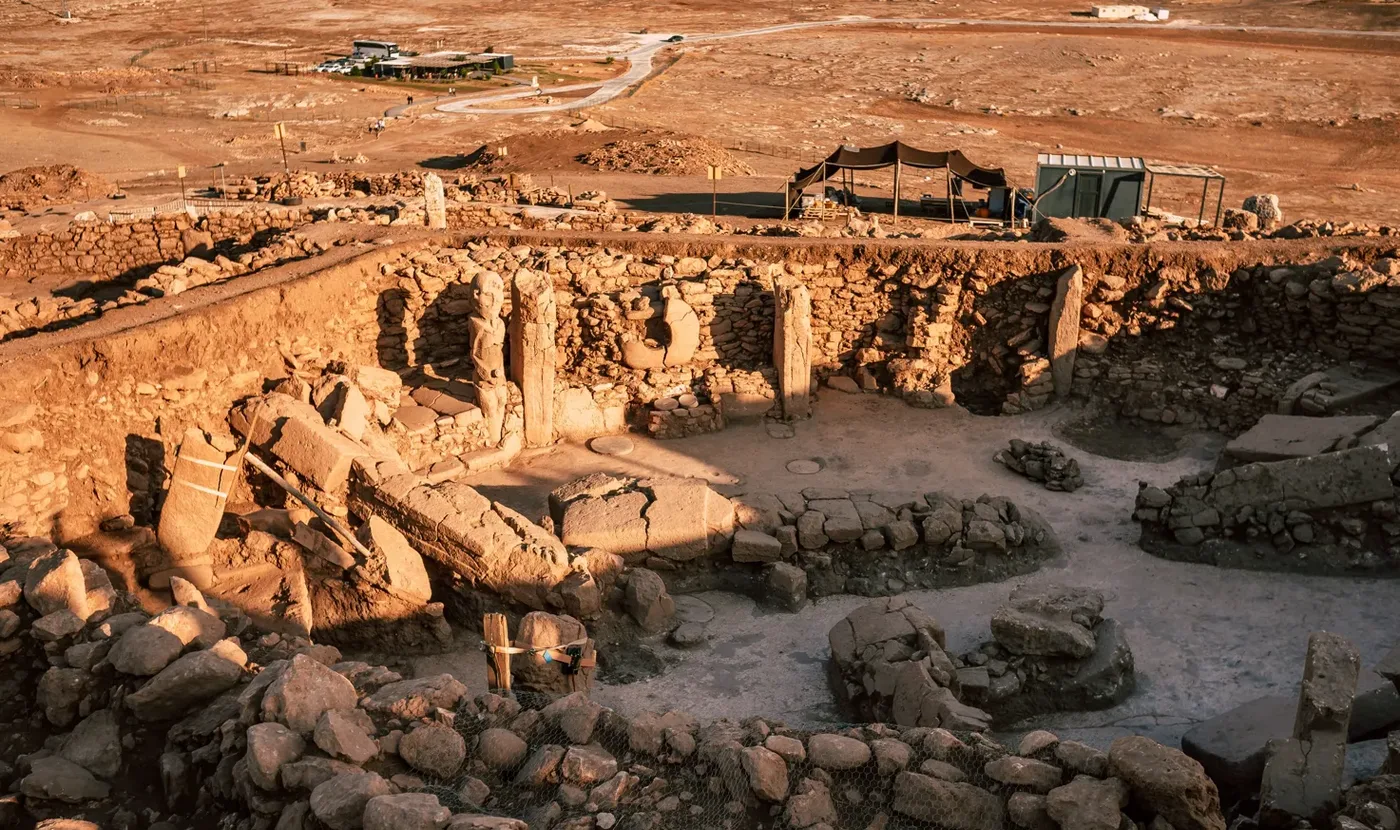
First identified in 1997, the site received third-degree archaeological protection in 2013 before later being upgraded to first-degree status—the highest legal safeguard in Turkey—after excavations directed scientifically by Dr. Nurperi Ayengin revealed its monumental character. Despite that designation, IFLScience reports that the site now faces an existential threat.
Dating back roughly 11,500 years—within the broader Pre-Pottery Neolithic span of 12,000 to 7,000 BCE—the complex emerged around the same era when the earliest stone enclosures at Göbekli Tepe and Karahan Tepe were carved.
Why Excavations Halted Amid the Filyos Araç Dam Dispute
Although Kâhin Tepe holds first-degree heritage protection, fieldwork at the site has been frozen since May 2022. The halt stems from a dispute over the construction of the Filyos Araç Dam, whose planned reservoir could submerge the archaeological zone according to a document referenced from Turkey’s Ministry of Culture and Tourism.
Hikmet Haberal, a lecturer at Kastamonu University, has publicly urged authorities to resume excavations and intervene before it is too late. He warned that vast sections of the site remain unexcavated and undocumented beneath the soil.
As Arkeonews notes, the clash between hydroelectric infrastructure and prehistoric heritage has painful precedents in Turkey, where the Ilısu Dam flooded parts of historic Hasankeyf—giving Haberal’s warning added urgency.
«History, once submerged under water, cannot be brought back. Much of this site remains unexcavated and urgently requires protection.»
Hikmet Haberal, Lecturer at Kastamonu University
274 Architectural Finds and 266 Carved Stone Pillars
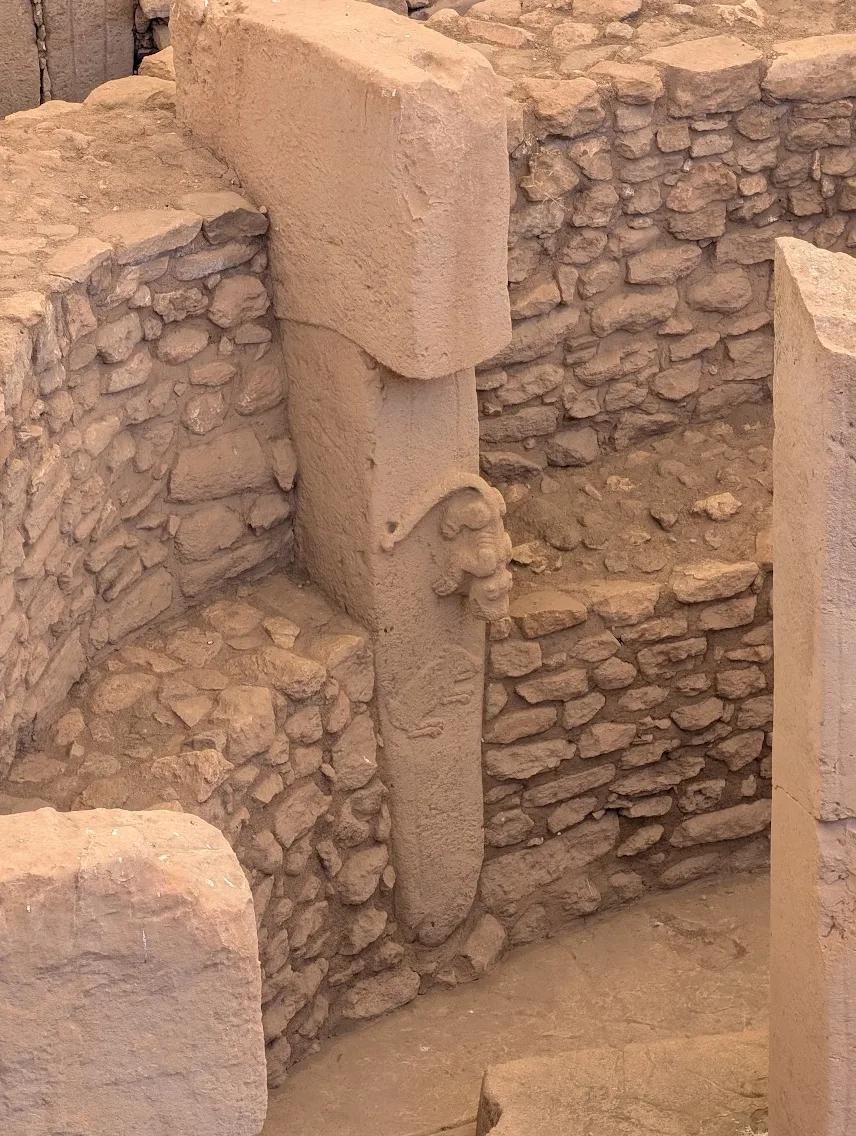
Even in the brief excavation seasons conducted between 2018 and 2022, archaeologists documented 274 major architectural finds, including 266 stone pillars and obelisks. Many bear intricate reliefs of snakes, human faces, and animals—iconography strikingly reminiscent of the T-pillars at Göbekli Tepe.
Alongside the pillars, teams uncovered circular workshops, ritual pits, and stone tools crafted by early Neolithic communities. Crucially, Kâhin Tepe is the first and only monumental site of its kind discovered in Turkey’s Black Sea region, demonstrating that complex Neolithic ritual architecture reached far beyond southeastern Anatolia.
Careful preservation of buried heritage often reveals unexpected chapters of human history, much like the chance discovery explored in our feature on how a lost farm hammer led to the greatest Roman treasure in Britain.
Dates to the Pre-Pottery Neolithic, alongside the earliest enclosures at Göbekli Tepe.
Features carved reliefs of snakes, human faces, animals, and circular workshops.
Archaeological work stopped amid a standoff over the Filyos Araç Dam project.
Despite holding Turkey’s highest heritage tier, reservoir waters threaten the valley.
How Kâhin Tepe Compares with Karahan Tepe and Taş Tepeler
In international coverage, this Gobekli Tepe twin is frequently discussed alongside Karahan Tepe, another 11,500-year-old sister site located 45 kilometers (27 miles) east of Göbekli Tepe in Şanlıurfa. Both share sunken stone chambers, obelisks, and dramatic 3D carvings from the dawn of settled human society.
However, while Karahan Tepe enjoys protective canopy roofs and major state backing under the Taş Tepeler (“Stone Hills”) project, the northern Black Sea complex in Kastamonu remains vulnerable to rising reservoir waters.
Losing Kâhin Tepe before full excavation would erase an irreplaceable bridge between early Neolithic populations in southeastern Anatolia and northern Turkey, leaving critical questions about prehistoric migration and cultural exchange unanswered.
Furthermore, the Araç River valley preserves rare sediment records capturing how mobile foraging bands transitioned toward semi-sedentary life in forested mountain terrain. Once submerged under silt and reservoir water, ancient pollen grains, botanical micro-remains, and Ice Age faunal bones locked in deeper strata would become virtually impossible for future archaeologists to recover or date.
Equally urgent is the likelihood that unexcavated trenches at Kâhin Tepe still conceal intact ritual chambers, carved stone benches, and early symbolic artifacts capable of illuminating the spiritual worldview of Anatolia’s earliest monument builders.
- Kâhin Tepe is the only known monumental Pre-Pottery Neolithic complex of its kind in Turkey’s Black Sea region.
- Scholars are calling for immediate rescue excavations and 3D documentation before dam filling begins.
- Submerging the site would destroy vital evidence of how early Neolithic culture spread across Anatolia.
Can This 11,500-Year-Old Heritage Site Still Be Saved?
Conservationists emphasize that practical options still exist before the reservoir is filled. Engineers and heritage officials could adjust maximum water levels, build a protective embankment around the mound, or fund intensive multi-season rescue excavations with full 3D laser scanning and relocation of vulnerable reliefs.
Until authorities commit to a rescue plan, researchers warn that a monument older than Stonehenge and the Egyptian pyramids by millennia hangs in the balance.
Every unexcavated layer from the Pre-Pottery Neolithic holds irreplaceable clues about early human diet, ritual life, climate adaptation, and stone-carving traditions. Finding snake reliefs and anthropomorphic pillars in northern Anatolia proves that sophisticated symbolic architecture spread across river valleys hundreds of kilometers apart long before writing, pottery, or metalworking ever emerged.