

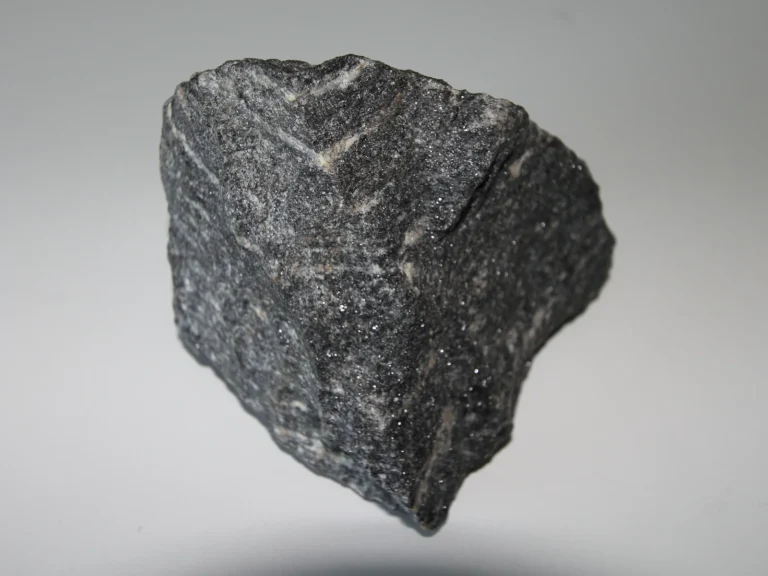

Geoscientists have reached a transformative milestone in deciphering the enigmatic infancy of our planet: in northern China, researchers have unearthed some of Earth’s oldest terrestrial rocks, radiometrically dated to 3.95 billion years ago, which preserve the earliest geochemical fingerprints of plate subduction ever recorded. The peer-reviewed study, led by researchers from the Chinese Academy of Geological Sciences and published in the journal Nature, bridges a long-standing half-billion-year knowledge gap concerning how Earth transitioned from a molten Hadean hellscape into an active tectonic world. The discovery of pristine trondhjemitic gneiss in the Shimen Complex of Hebei Province represents only the second confirmed outcrop of intact crust from this ancient era on the planet, standing alongside Canada’s famous Acasta Gneiss.
The Enigma of the Hadean Eon: Why Rocks Older than 3.8 Billion Years Are Vanishingly Rare
Earth coalesced approximately 4.54 billion years ago, but its opening 500 million years — an eon aptly named the Hadean after Hades, the mythological underworld — have long remained an impenetrable enigma. Intense asteroidal bombardment, radioactive decay, and vigorous mantle convection destroyed almost all primordial crustal rocks, recycling them back into the mantle. Until recently, the only physical relics surviving from Earth’s first few hundred million years were microscopic detrital zircon grains preserved within the Jack Hills sandstones of Western Australia, whose original host rocks were eroded billions of years ago.
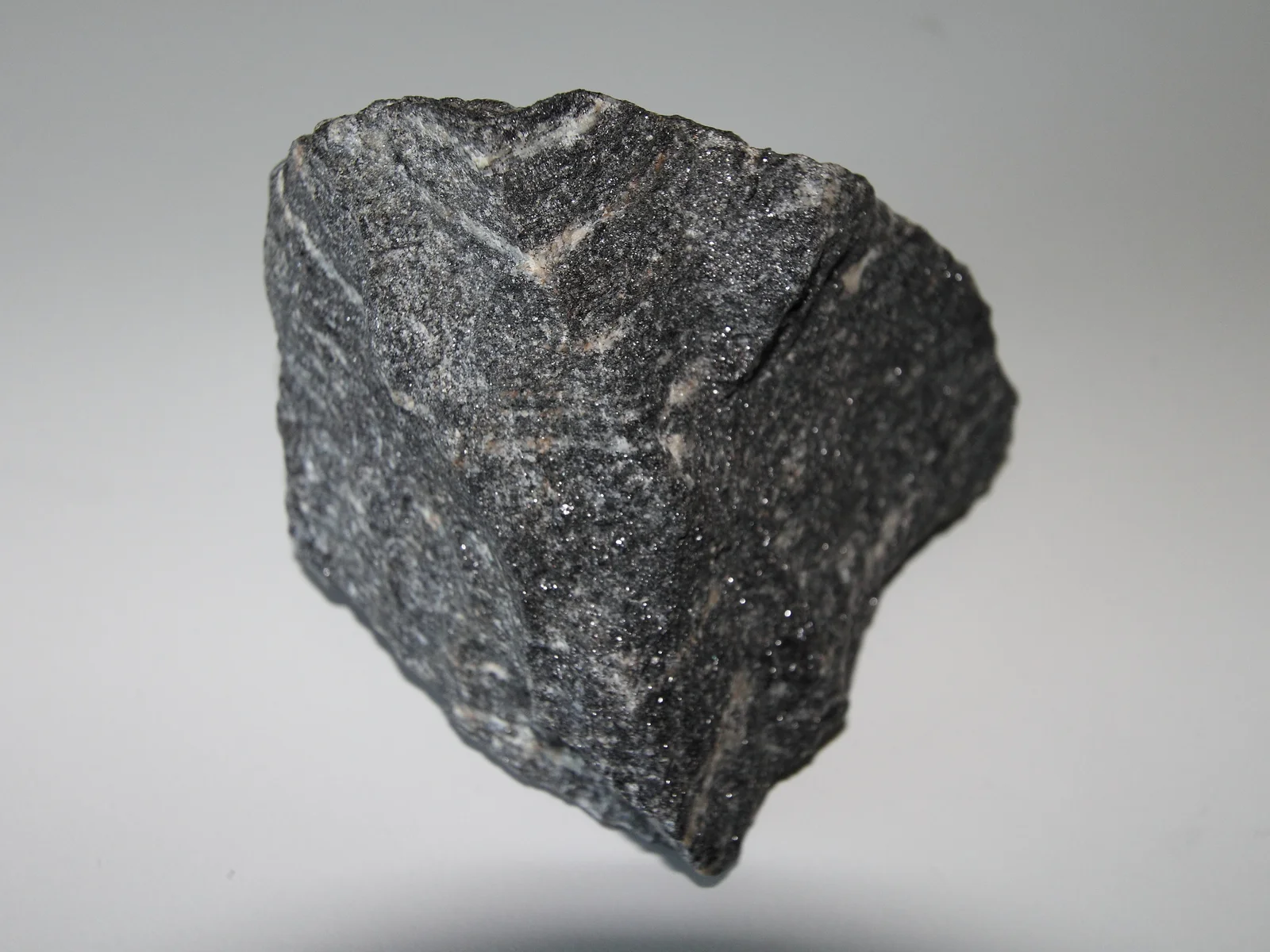
Finding an intact, coherent outcrop of crystalline rock that has withstood tectonic shearing and metamorphism for 3.95 billion years is an extraordinary scientific breakthrough. Such formations represent the only direct records capable of answering whether early Earth possessed stable oceans, how its internal heat engine functioned, and when the very first continental landmasses formed.
Previously, we examined how historical scientific debates on the age of the Earth shaped modern thermodynamic and geochronological sciences. This discovery in China marks the next major leap in our understanding of planetary differentiation.
The detailed investigation of the Shimen Complex in the North China Craton, published in Nature (doi:10.1038/s41586-026-11280-2), confirms that ancient continental nuclei formed far earlier than conventional geodynamic models previously allowed.
Unlocking the Shimen Complex: Discovery of 3.95-Gyr Trondhjemitic Gneiss in Hebei
The North China Craton has long been recognized for its Archean metamorphic basements, though previous dates in areas like Caozhuang peaked around 3.8 billion years. A research team spearheaded by Hangqiang Xie and Yusheng Wan of the Chinese Academy of Geological Sciences (CAGS) conducted extensive field mapping and high-resolution sampling across the Shimen Complex near Tangshan in eastern Hebei Province.
Within the banded metamorphic sequences, researchers identified trondhjemitic gneiss — a distinct quartz- and sodic plagioclase-rich rock belonging to the Archean TTG (tonalite-trondhjemite-granodiorite) suite. TTGs constitute the bulk of ancient continental shields and differ dramatically from modern potassic granites in their geochemical and mineralogical profiles.
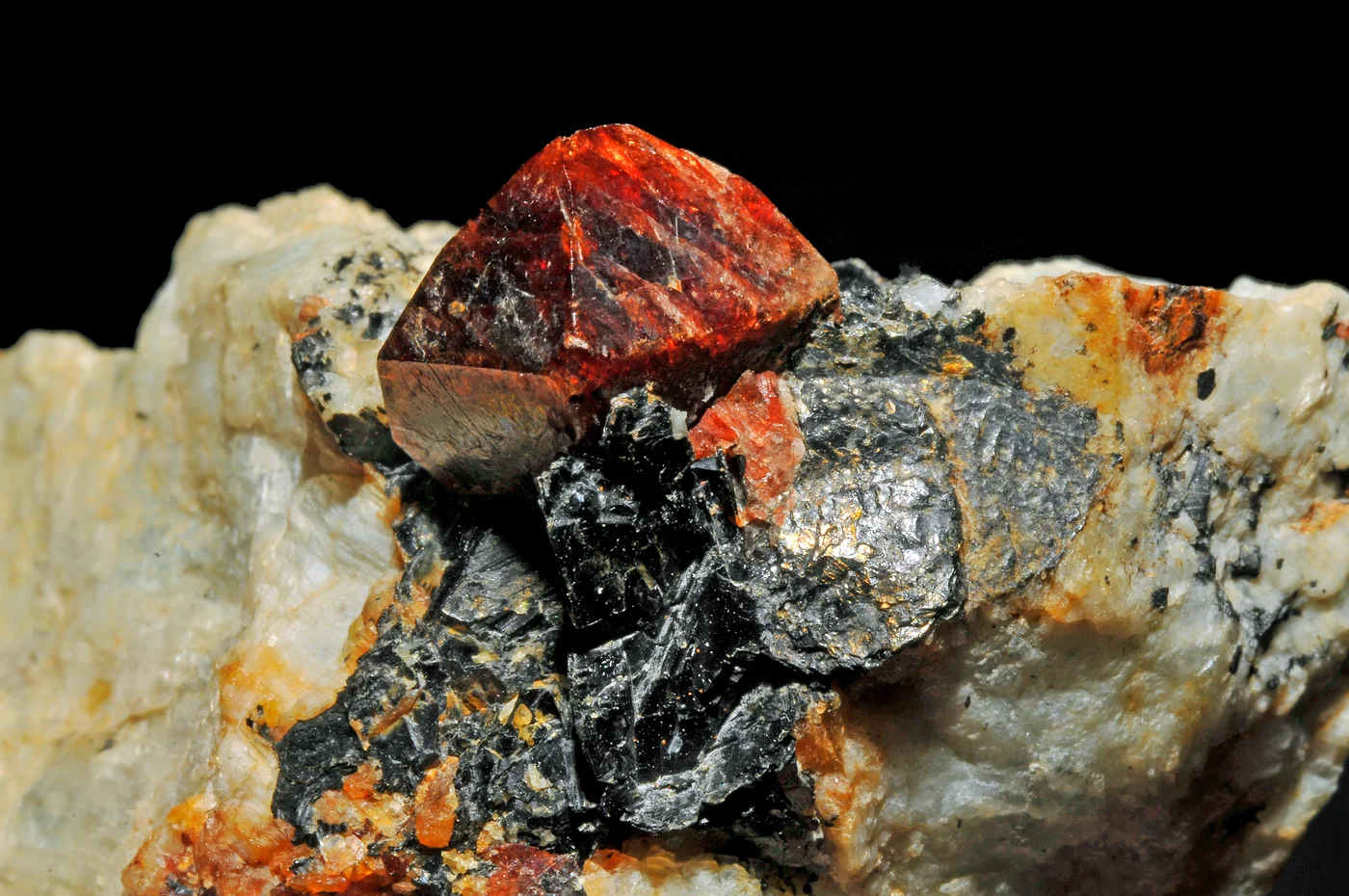
Embedded within the rock’s fabric were pristine micro-crystals of zircon (ZrSiO4). Zircon is celebrated as Earth’s ultimate geologic time capsule: chemically ultra-durable, resistant to temperatures exceeding 1,000 °C, and capable of incorporating uranium while strictly excluding lead during crystallization.
Utilizing the high-precision SHRIMP (Sensitive High Resolution Ion Microprobe) facility, the scientists analyzed the magmatic cores of the zircons. Uranium-lead (U-Pb) radiometric dating established a definitive crystallization age of 3.951 ± 0.012 billion years, confirming the presence of continental crust during the Eoarchean-Hadean transition.
«Our geochemical and isotopic data demonstrate that water-altered crust was actively subducted to depths exceeding 50 kilometers and melted in the mantle as early as 3.95 billion years ago, initiating the birth of stable continents.»
Hangqiang Xie, lead researcher at the Institute of Geology, Chinese Academy of Geological Sciences
Hafnium and Oxygen Isotopes: Unequivocal Proof of 50-Kilometer Deep Subduction
Pinpointing the rock’s antiquity was only the first part of the puzzle. The central debate dividing geologists for decades has been whether early Earth operated under a stagnant-lid regime (where heat escaped through vertical plumes without mobile plates) or whether horizontal plate tectonics was already driving crustal recycling.
Micro-beam isotopic analyses of hafnium (176Hf/177Hf) and oxygen (δ18O) within the dated zircon crystals provided unambiguous answers. The measured epsilon-hafnium εHf(t) values were distinctly positive, reaching up to +4.4. In isotope geochemistry, this is unequivocal proof that the magma arose from a depleted mantle reservoir that had already experienced basalt extraction during the Hadean Eon.
Crucially, the oxygen isotope ratios (δ18O) exhibited clear deviations from typical pristine mantle values. Such geochemical signatures can only develop when the precursor basaltic crust resides at the planetary surface, reacting extensively with low-temperature liquid water in early oceans.
Thermobarometric petrological modeling confirmed that for this hydrated surface basalt to melt and produce the characteristic heavy rare-earth-depleted TTG magma (indicative of residual garnet), it had to be pushed down into the mantle to depths greater than 50 kilometers under pressures exceeding 1.5 GPa. The only plausible geodynamic mechanism capable of transporting water-altered surface crust to such extreme depths is subduction along tectonic plate boundaries.
SHRIMP ion microprobe isotopic measurements of magmatic zircon cores pinpointed magma crystallization precisely at 3.951 billion years ago with exceptional confidence.
Strongly positive epsilon-hafnium values confirmed that the parental melts originated from a depleted mantle reservoir that separated during the Hadean Eon.
Deviations in zircon delta-18O values confirmed prolonged hydrothermal surface interaction with liquid oceans before the protolith plunged into deep mantle depths.
Trondhjemite-tonalite-granodiorite suites form continental cratonic keels, requiring hydrous basalt melting at high pressures in excess of 50 km depth.
Comparative Analysis with Canada’s Acasta Gneiss and Greenland’s Isua Belt
Prior to this discovery, Canada’s 4.02–4.03 billion-year-old Acasta Gneiss stood as the lone intact bedrock formation older than 3.9 billion years. However, Acasta’s geodynamic origin has been fiercely contested: several studies argued that it formed via meteorite impact melting or plume stagnation rather than true plate subduction.
The Shimen Complex in Hebei presents distinctly modern-like arc subduction geochemical signatures. Its pronounced sodium enrichment, low yttrium levels, and fractionated rare earth patterns demonstrate an established tectonic cycle operating with remarkable maturity.
The Hebei discovery also substantially predates the celebrated 3.7–3.8 billion-year-old Isua Supracrustal Belt in Greenland and the Nain Complex in Labrador, establishing the North China Craton as an unrivaled window into Earth’s earliest lithosphere.
Much like contemporary breakthrough research from Chinese scientific academies expanding frontiers in experimental physics, this geological triumph redefines the timeline of Earth’s thermal and tectonic evolution.
- The Shimen Complex rocks represent the oldest documented geological formation in Asia and the second-oldest intact bedrock on Earth.
- Zircon geochemical arrays demonstrate that horizontal plate subduction operated nearly 4 billion years ago, pushing back plate tectonics timelines.
- The presence of pristine TTG assemblages indicates that continental crust stabilization began immediately following the Late Heavy Bombardment.
Implications for the Origins of Life and Exoplanet Habitability
Confirming that plate subduction was operational 3.95 billion years ago carries profound implications far beyond geology. Plate tectonics acts as Earth’s primary planetary thermostat: by recycling carbonates and regulating atmospheric carbon dioxide via volcanic outgassing, it prevents runaway greenhouse effects or permanent glaciation.
With tectonic subduction active nearly 4 billion years ago, stable shallow-marine continental margins rich in geochemical nutrients and geothermal energy existed far earlier than previously assumed. This dynamic environment provided ideal incubators for prebiotic chemical synthesis and the emergence of the first cellular organisms.
Furthermore, the findings provide vital benchmarks for astronomers characterizing rocky exoplanets with next-generation telescopes. The presence of mobile plate tectonics and early continental cratons is increasingly recognized as a vital prerequisite for sustaining temperate, life-supporting climates over geological timescales.