


A decade after world governments forged the historic Paris Agreement to cap global warming, an international consortium of leading scientists and healthcare professionals has issued a chilling warning: accelerating climate change has transcended environmental policy to become an existential global health emergency. Published by the renowned Lancet Countdown collaboration—bringing together 146 interdisciplinary experts from more than 100 premier academic institutions and the World Health Organization (WHO)—the landmark report reveals that vital health indicators across the planet are deteriorating at an unprecedented rate, while current governmental mitigation and adaptation measures remain dangerously inadequate.
A Decade Past Paris: Why Climate Inaction Is a Public Health Catastrophe
When international leaders convened in December 2015 to establish the landmark Paris Agreement, binding nations to pursue efforts limiting temperature increases to 1.5 °C above pre-industrial baselines, the world appeared to have found a unified compass. Ten years later, that optimism has collided with brutal epidemiological reality. The tenth annual monitor published by the Lancet Countdown demonstrates that climate change is accelerating, and its physiological toll on human populations is entering uncharted territory.
Rather than orchestrating a decisive reduction in greenhouse emissions, global industrial activities have propelled atmospheric concentrations of carbon dioxide and methane to historic highs. Planetary surface temperatures on land and in the oceans have repeatedly smashed records. Consequently, municipal healthcare systems across both developing and developed nations find themselves chronically overwhelmed by spikes in thermal exhaustion, cardiac arrest, and respiratory failure during extended summer heatwaves.
Medical analysts highlight a profound disconnect: the scientific insights, clean energy alternatives, and engineering blueprints required to stabilize the biosphere exist today. However, political inertia, fossil fuel lobbying, and catastrophic adaptation funding deficits continue to undermine progress. The price of delay is no longer counted in abstract metric tonnes of carbon, but in human casualties.

Thermal Extremes: The Biophysics of Heat and the Invisible Killer in Our Cities
Human physiology evolved to thrive within a remarkably narrow ambient temperature envelope. When atmospheric heat combined with relative humidity approaches skin temperature (35–37 °C), evaporative cooling via perspiration ceases to function effectively. The cardiovascular system is forced into overdrive, shunting immense volumes of blood toward cutaneous capillary networks in a desperate bid to radiate heat. This drives tachycardia, catastrophic drops in blood pressure, and severe dehydration.
According to empirical epidemiological modeling detailed in the report, extreme thermal exposure accounted for more than 710,000 fatalities in 2023 alone. Crucially, sophisticated attribution analyses demonstrate that over 70% of those deaths would never have occurred in the absence of anthropogenic atmospheric warming. Elderly citizens aged 65 and older, infants, diabetic patients, and outdoor manual laborers endure the brunt of this thermal siege.
Furthermore, the danger is amplified by the urban heat island effect, creating oppressive “tropical nights” where metropolitan centers fail to cool below 20–25 °C. Deprived of physiological recovery during sleep, the human body accumulates chronic systemic inflammation, dramatically elevating the risk of nocturnal cardiac events and cerebral strokes.
Average annual heat-related fatalities among vulnerable populations surged by more than a third compared to the pre-Paris Agreement decade.
Extreme thermal stress caused record global mortality, with over 70% of casualties directly attributable to human-induced global warming.
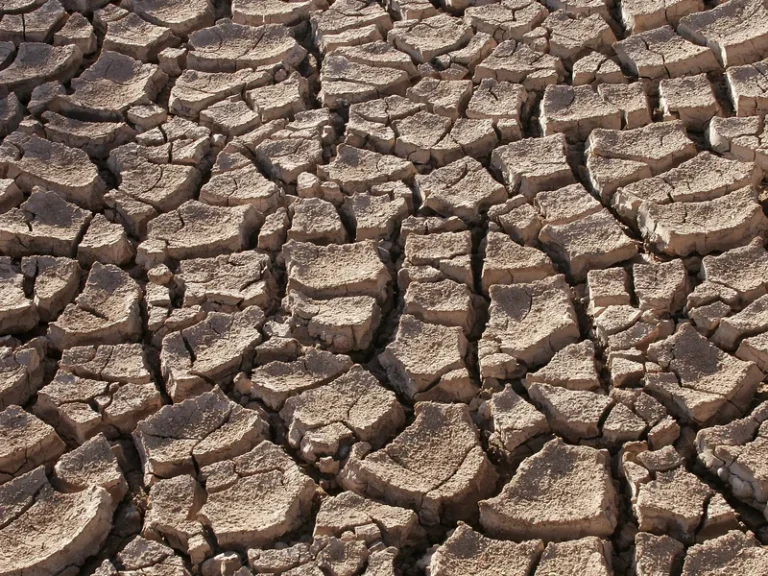
Over half of Earth’s land surface experienced at least one month of extreme drought in 2025, devastating crop yields and freshwater reserves.
Global clean energy investments hit historic highs in 2025, yet systemic decarbonization velocity still trails behind climate risks.
Food Supply Fragility and the Global March of Vector-Borne Diseases
The health impacts of a warming planet propagate like a cascading domino effect. One of the most alarming trajectories documented over the past five years is the unprecedented expansion of extreme drought. In 2025, severe water deficits gripped nearly 52% of the global terrestrial surface, paralyzing major breadbaskets across the Americas, Sub-Saharan Africa, and parts of Southern Asia.
Disrupted rainfall regimes, soil moisture depletion, and topsoil erosion have led to significant declines in the protein and micronutrient density of staple grains such as wheat, corn, and rice. Chronic malnutrition and micronutrient deficiencies among young children cause irreversible developmental delays and stunted growth, saddling developing economies with long-term disability burdens.
Simultaneously, shifting thermal zones are unlocking novel ecological frontiers for disease-carrying vectors. Tropical mosquito species such as Aedes aegypti and Aedes albopictus—capable of transmitting dengue fever, chikungunya, and Zika—are establishing stable breeding colonies in temperate zones across Southern and Central Europe. Healthcare providers in regions historically insulated from tropical vectors are confronting localized disease outbreaks for which diagnostic protocols remain underdeveloped.
«We can no longer frame global heating merely as an ecological abstraction or a deferred economic balance sheet. This is a visceral health emergency unfolding right now, overrunning hospital emergency rooms, degrading food systems, and claiming hundreds of thousands of human lives every year.»
Dr. Marina Romanello (Marina Romanello), Executive Director of the Lancet Countdown
The Economic Paradox: Clean Energy Milestones Confronting Fossil Fuel Subsidies
Despite alarming health trends, the Lancet Countdown highlights notable technological strides toward clean infrastructure. In 2025, global investment in renewable energy generation—anchored by massive expansions in solar photovoltaics, offshore wind farms, and utility-scale battery storage—soared to a record $2.1 trillion, comfortably surpassing upstream fossil fuel expenditures. Retiring polluting coal-fired power stations has already averted tens of thousands of deaths from fine particulate pollution in heavily populated urban corridors.
Yet this monumental progress is hobbled by persistent governmental fossil fuel subsidies. Nation states continue to funnel trillions of public dollars into artificially cheapening coal, oil, and gas extraction. Public health scientists describe this contradiction as fiscal insanity: governments are effectively deploying taxpayer revenues to subsidize the destruction of public respiratory and cardiovascular health.
Just as clinical research demonstrates how cellular equilibrium is destroyed when internal systems endure unrelenting chronic stress—as explored in recent scientific work examining how chronic sleep deprivation and systemic stress systematically unravel human health—the Earth’s biophysical life-support systems are breaking down under non-stop anthropogenic degradation.
- Epidemic surges in heat stroke, myocardial infarction, and acute kidney injury across urban centres;
- Geographic proliferation of Aedes aegypti and Aedes albopictus mosquitoes vectoring dengue, zika, and chikungunya;
- Severe nutritional insecurity and childhood stunting driven by drought-induced staple crop failures;
- Hazardous atmospheric PM2.5 particulate pollution generated by uncontrolled mega-wildfires and desert dust storms.
A Planetary Health Ultimatum: Placing Human Survival at the Core of Geopolitics
The ultimate conclusion reached by the international panel is unambiguous: global climate change must be formally designated as a Public Health Emergency of International Concern (PHEIC). Healthcare metrics, clinical outcomes, and the safeguarding of human life must form the central pillar of international climate summits like COP31, replacing purely transactional economic bargaining.
Every municipal zoning law, public transit initiative, dietary guideline, and fiscal carbon policy must be evaluated through the metric of saved human lives. Expanding urban tree canopies and restoring wetlands cools city temperatures by 2–4 °C; incentivizing plant-rich nutrition curbs cardiovascular disease and oncology rates while slashing agricultural emissions; phasing out internal combustion engines eradicates carcinogenic smog from residential neighborhoods.
The runway for proactive intervention is shrinking rapidly. The scientific community has provided indisputable diagnostic evidence, proven technological remedies, and economic frameworks to avert planetary destabilization. The question is whether humanity possesses the collective political courage to treat climate change for what it truly is: a fight for the biological survival of our species.