

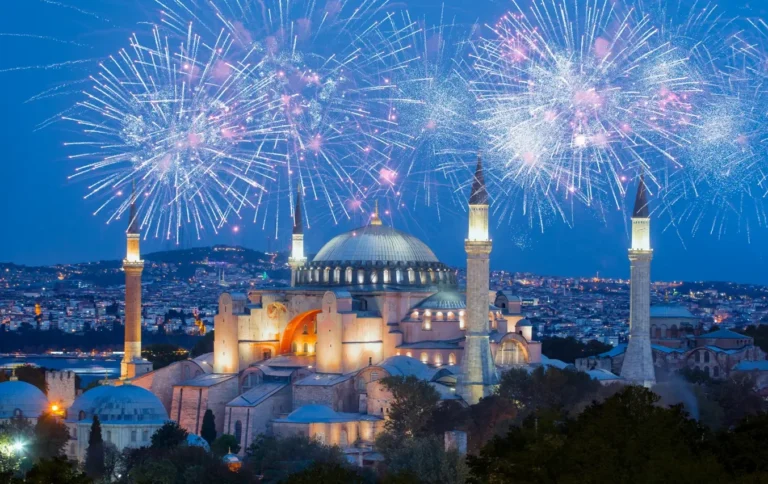

For centuries, travelers, novelists, and Istanbul residents whispered about secret catacombs, forgotten crypts, and flooded passages concealed beneath one of humanity’s greatest architectural monuments. Now, newly cleared tunnels under Hagia Sophia have moved those urban legends from folklore into verifiable archaeology, revealing a 420-meter subterranean route, six underground chambers, and pre-Justinian structures long buried beneath the historic peninsula.
Why the Tunnels Under Hagia Sophia Were Thought Lost for Nearly a Century
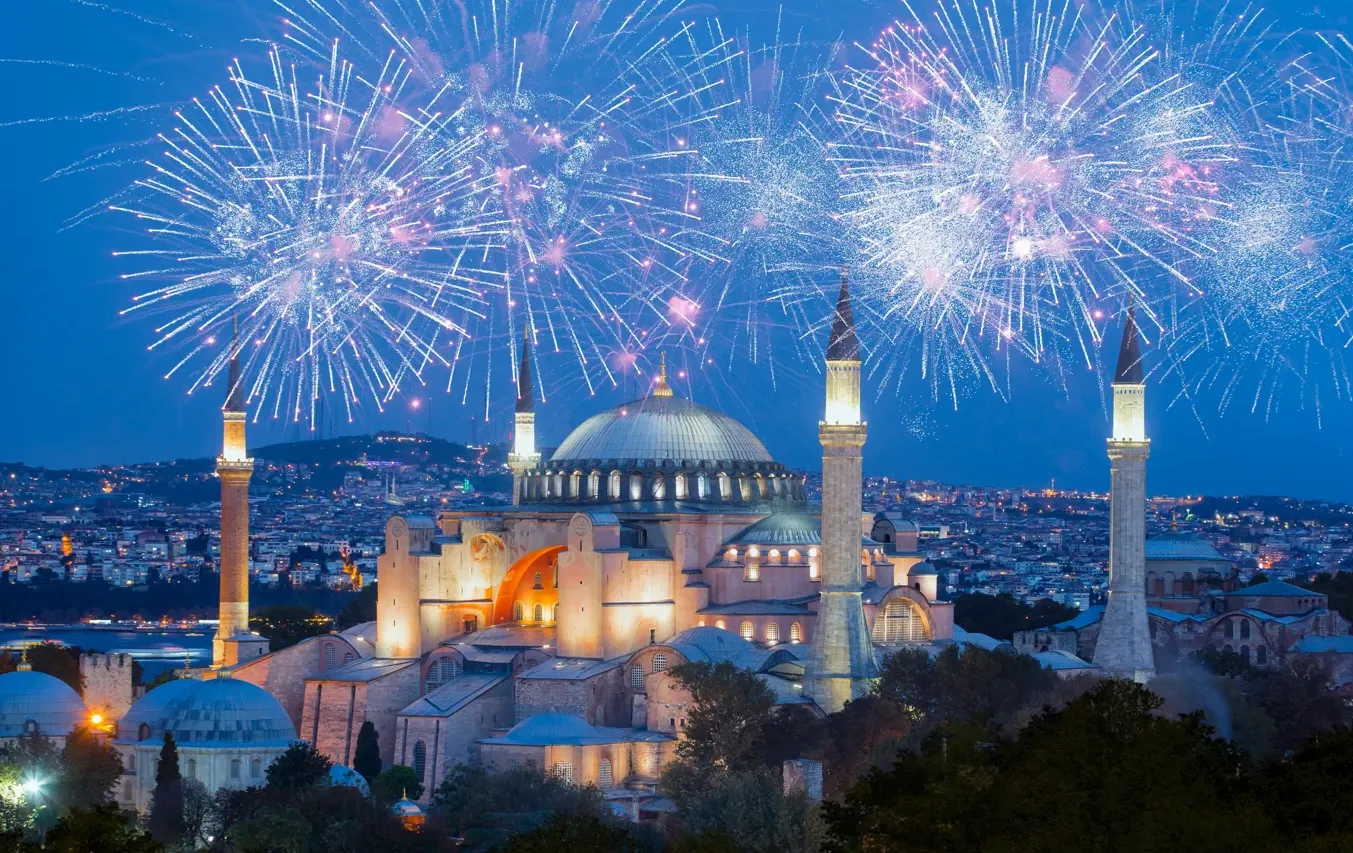
The sacred precinct where Hagia Sophia stands dates back to the 4th century CE, when the earliest monumental Christian basilica of Constantinople rose on the hill. Emperor Justinian I (Justinian I) commissioned the iconic domed church completed in 537 CE, and after the Ottoman conquest in 1453 CE it was transformed into a mosque. Across fifteen centuries, its marble galleries accumulated extraordinary historical layers—even including Viking runic graffiti carved roughly 1,000 years ago.
Yet what lay below the stone pavement remained largely shrouded in mystery. During the 1930s and 1940s, German archaeologist Alfons Maria Schneider (Alfons Maria Schneider) managed to document and map fragments of underground cavities and hydraulic conduits around the monument. Once his excavations ended, silt, soil, and rubble again sealed off access to most corridors, prompting later scholars to assume that many subterranean chambers had collapsed or been filled in during the 18th or 19th century.
That assumption was overturned starting in early 2025, when a landmark restoration and subsurface survey backed by Turkey’s Ministry of Culture and Tourism began systematically clearing the blocked passages. As reported by IFLScience and detailed in a peer-reviewed report in Open Archaeology, specialist miners painstakingly hauled out hundreds of tons of compacted earth to reopen the buried network.
Inside the 420-Meter Network: Chambers, Passages, and a Roman Hypogeum
The fieldwork is led by Prof. Dr. Hasan Fırat Diker (Hasan Fırat Diker), a member of the Hagia Sophia Scientific Board. According to the research report, specialist teams removed around 300 tons of soil and rubble directly from narrow sub-floor tunnels, while broader excavations across the Vizier’s Garden (Vezir Bahçesi) and Western Garden cleared roughly 3,000 tons of accumulated debris. The effort revealed a 420-meter (1,377-foot) subterranean circuit encompassing nine distinct tunnels and six underground chambers.
At the architectural core of the cleared system sit two large rectangular rooms arranged in an L-shape, from which at least four narrower horizontal corridors branch outward. Masonry transitions inside these vaults reflect centuries of remodeling: major sections align with Justinian’s 6th-century engineering campaign, while embedded structural remnants point to earlier Constantinian phases that predated the 537 CE dome.
Excavations in the Vizier’s Garden also uncovered a Roman hypogeum—a subterranean burial chamber containing architectural fragments older than the surviving Justinianic cathedral. The discovery confirms that Istanbul’s underground fabric evolved by building directly over classical tombs and early Byzantine foundations, echoing the multi-layered preservation seen at Turkey’s ancient Neolithic site of Kahin Tepe.
«The identification of the route of such a monumental substructure may ultimately bring the urban legends inspired by Istanbul’s subterranean world closer to reality than ever before.»
Archaeological field report led by Prof. Dr. Hasan Fırat Diker (Hasan Fırat Diker), Open Archaeology
Engineering Purpose: Drainage, Ventilation, and the Basilica Cistern
While popular fiction—most famously Dan Brown’s (Dan Brown) thrillers—portrays Istanbul’s subterranean corridors as secret escape routes for conspirators, the tunnels under Hagia Sophia served an essential civil-engineering function. Supporting a colossal masonry dome above perched groundwater and heavy seasonal rains required constant moisture control so the stone piers would not weaken or settle unevenly.
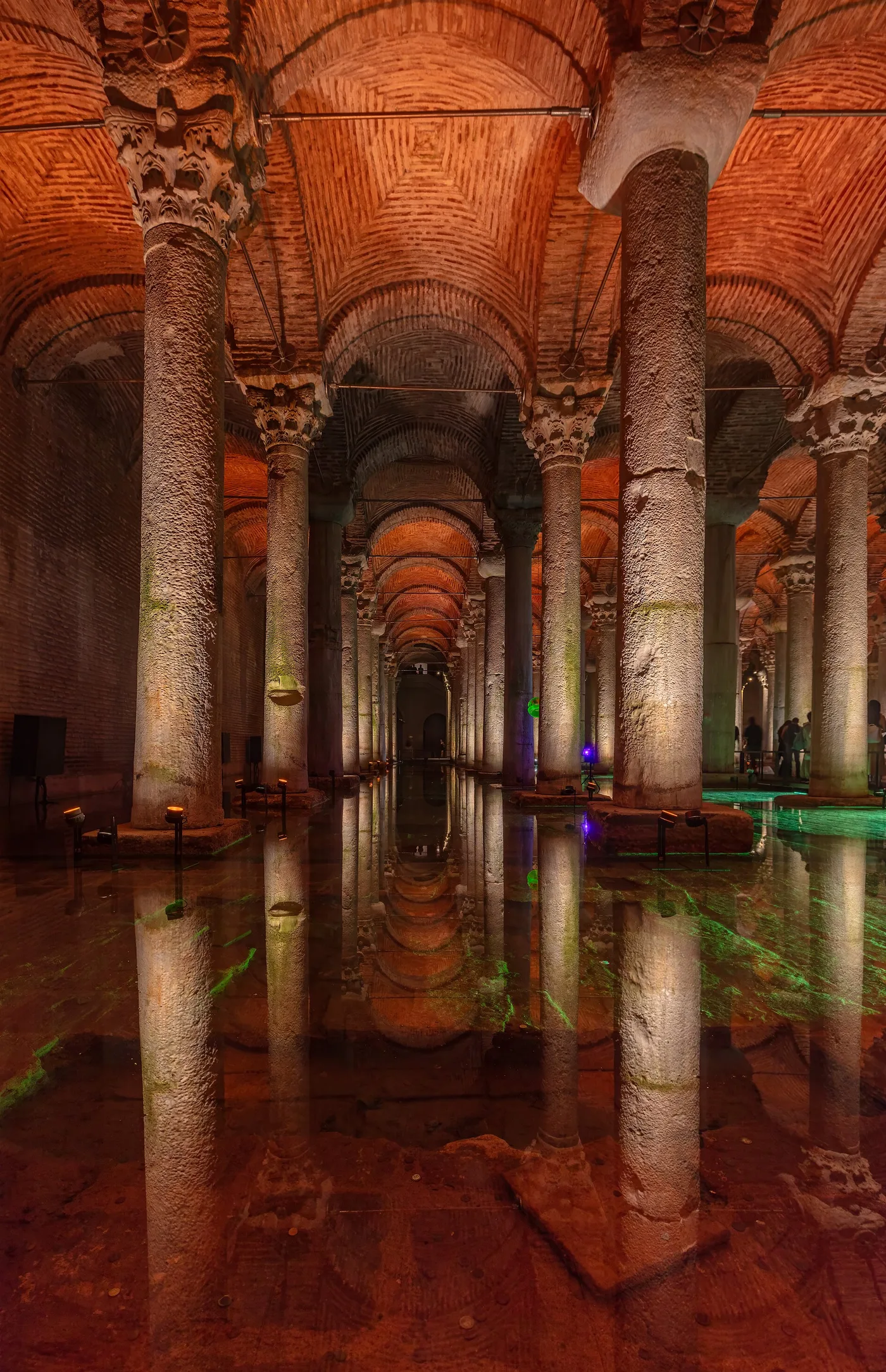
Consequently, most of the cleared galleries operated as sloped drainage channels, inspection wells, and passive ventilation shafts designed to keep the 1,500-year-old foundations dry. Flowing water is still present in several channels today, and one major sloping corridor heads southward directly toward the celebrated Basilica Cistern (Yerebatan Sarnıcı), constructed during Justinian’s reign to store the city’s water.
Still, Hasan Fırat Diker emphasizes strict scientific caution against romanticized exaggerations: although the tunnel’s gradient aligns with the wider hydraulic grid leading toward the Basilica Cistern—and other branches point toward Topkapı Palace and Sultanahmet Square—no walkable physical passageway linking Hagia Sophia directly to those landmarks has yet been confirmed.
Specialist miners and archaeologists cleared nine underground passages and six chambers long sealed by soil and rubble.
A sloping drainage conduit with flowing water runs south toward the Basilica Cistern, though no walkable connection is confirmed.
Excavations in the Vizier’s Garden revealed a Roman burial chamber and fragments predating Justinian’s 6th-century church.
Unblocking the buried channels restores passive ventilation and groundwater drainage vital to Hagia Sophia’s structural stability.
Official imagery shared by Turkey’s Ministry of Culture and Tourism showing the newly cleared underground passages below Hagia Sophia. Post: @ktbgovtr / Instagram
Future Mapping, Structural Preservation, and Possible Public Access
For historians and architectural engineers, the breakthrough offers the first chance to assemble an accurate three-dimensional map of the buried infrastructure ringing Hagia Sophia. As the Open Archaeology authors note, tracing the true route of such a monumental substructure brings the urban legends inspired by Istanbul’s subterranean world closer to documented reality than ever before.
Equally vital is the immediate conservation benefit. By clearing centuries of choked mud and debris from ancient vents and water conduits, engineers restore natural airflow and groundwater drainage beneath the monument—critical safeguards in the seismically active Marmara region.
Turkish cultural authorities and the scientific board are now evaluating long-term preservation plans and discussing whether stabilized sections of the underground chambers could eventually open to visitors. If realized, future guests may walk beneath the very arches that quietly protected Hagia Sophia’s foundations for fifteen centuries.
- Fieldwork beginning in early 2025 mapped 420 meters of underground corridors, two L-shaped rectangular halls, and at least four narrower branches.
- While passages slope toward the Basilica Cistern and orient toward Topkapı Palace and Sultanahmet Square, continuous human access between monuments remains unconfirmed.
- German archaeologist Alfons Maria Schneider (Alfons Maria Schneider) first charted parts of the substructure in the 1930s and 1940s before debris closed them again.
- Turkish authorities are studying conservation options that could eventually allow visitors inside stabilized sections of the underground complex.