

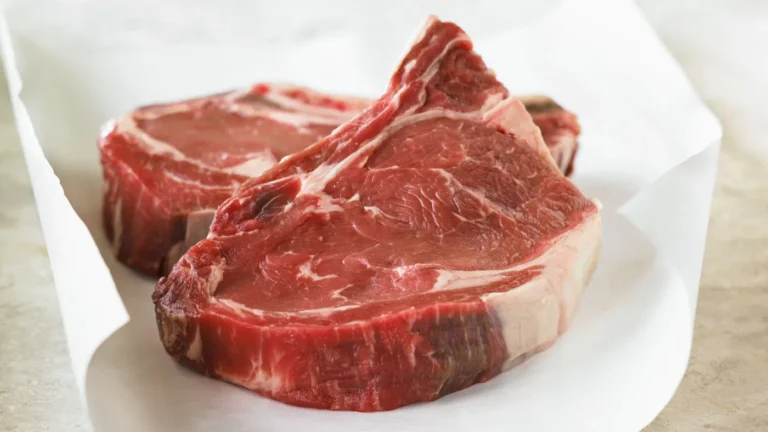

When Illinois nurse Sandra Tiguila ate a bison sausage breakfast sandwich and ordered a steak ten days later, she ended up in the emergency room with facial swelling and burning hives. Her diagnosis—alpha-gal syndrome, a red meat allergy triggered by tick bites—violates almost every textbook rule scientists thought governed food allergies.
A Rising Threat: How a Tick Bite Triggers a Red Meat Allergy
Sandra Tiguila’s experience in Carbondale, Illinois illustrates how easily alpha-gal syndrome escapes recognition, even among healthcare professionals. Bitten twice by ticks in June 2025, Tiguila developed an itchy, burning rash hours after eating bison sausage in August, followed by severe facial swelling after a steak dinner. Only an emergency room blood test revealed she had acquired a mammalian red meat allergy.
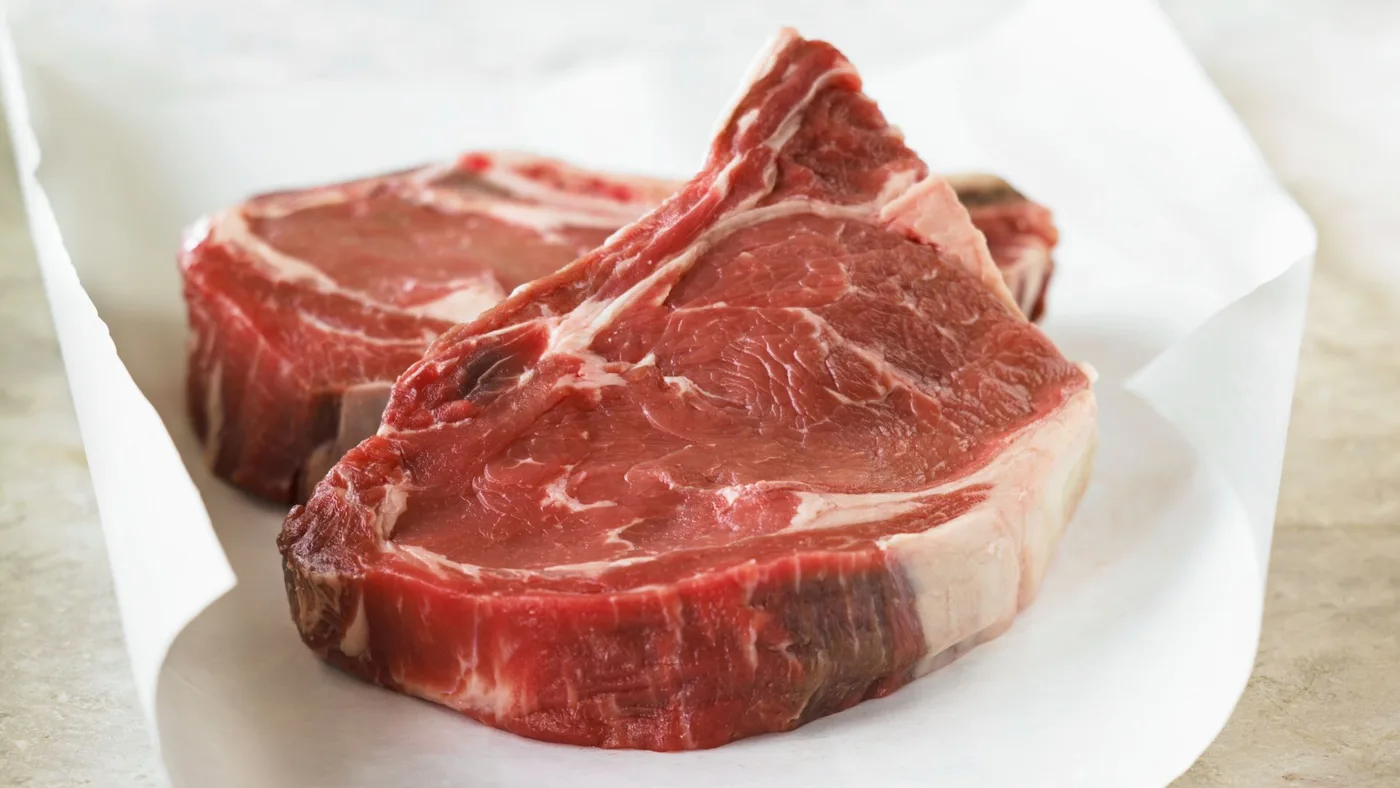
The condition occurs when the immune system mounts an allergic response against alpha-gal (galactose-alpha-1,3-galactose), a sugar molecule present in most non-primate mammals. According to the US Centers for Disease Control and Prevention (CDC) in its MMWR surveillance report, as many as 450,000 Americans may have been affected since 2010.
Reactions range from hives and gastrointestinal distress to fatal anaphylaxis—including the 2025 death of a previously healthy 47-year-old man. As allergist and immunologist Onyinye Iweala at the University of North Carolina at Chapel Hill notes, alpha-gal syndrome is rapidly emerging as one of the leading adult-onset food allergies.
Why Alpha-Gal Breaks Every Textbook Rule of Food Allergies
Classic food allergies—such as reactions to peanuts, eggs, or shellfish—are triggered by proteins, operate on an all-or-nothing basis, and strike within minutes of ingestion. Alpha-gal syndrome defies all three patterns, prompting Washington University in St. Louis allergist Maya Jerath to observe that it follows none of the rules taught in medical training.
First, the culprit is a carbohydrate sugar rather than a protein. Humans and certain primates do not synthesize alpha-gal, whereas cows, pigs, sheep, and deer do. Second, symptoms are famously delayed by several hours. Allergist Jeffrey Wilson at UVA Health suggests that because alpha-gal is often bound to meat fats rather than proteins, slower lipid digestion delays its arrival in the bloodstream.
Third, sensitivity varies wildly from person to person. Some patients react solely to red meat, while others cannot tolerate dairy, gelatin capsules, or collagen supplements. As Live Science highlights, some individuals carry high levels of alpha-gal IgE antibodies yet eat cheeseburgers without issue.

«Alpha-gal follows none of the rules that I was taught in training about how a food allergy behaves.»
Dr. Maya Jerath, Allergist & Immunologist, Washington University in St. Louis
From a Cancer Drug Mystery to the Lone Star Tick
Australian clinician Sheryl van Nunen first reported delayed meat reactions following tick bites in the early 2000s, though conference peers initially met her observations with skepticism. The full breakthrough came from two parallel investigations in the University of Virginia laboratory of Thomas Platts-Mills and Scott Commins.
The team was investigating why over 20 percent of patients in the Southeastern United States suffered severe allergic reactions to cetuximab, a colorectal cancer drug. In a landmark 2008 New England Journal of Medicine study, they discovered that mouse cell lines used to manufacture cetuximab attached alpha-gal sugars to the drug, triggering pre-existing IgE antibodies.
Soon after, the researchers linked the same IgE antibodies to patients with unexplained red meat sensitivity. When a colleague in their own study suffered a severe reaction after fresh tick bites—with his alpha-gal IgE spiking dramatically—the geographic overlap with the lone star tick (Amblyomma americanum) snapped into focus. Biologist Shahid Karim later found alpha-gal in lone star tick salivary glands, and a 2023 CDC-backed study confirmed patients were 11 times more likely to recall a tick bite. Understanding complex cellular and immune signaling is also driving new therapies elsewhere in medicine, such as AI-designed proteins that reactivate defective cellular receptors.
The CDC estimates up to 450,000 people in the US may have been affected since 2010.
Patients with alpha-gal syndrome are 11 times more likely to recall a recent tick bite.
Type B and AB blood carries structures similar to alpha-gal, lowering IgE sensitization risk.
Avoiding new tick bites allows IgE levels to drop, enabling supervised meat reintroduction.
Skin vs. Gut Exposure and the Blood Type Clue
Because alpha-gal is abundant in food and even produced by gut bacteria, most people tolerate it effortlessly. Scott Commins hypothesizes that route of exposure determines the immune outcome: encountering alpha-gal in the gut promotes tolerance, whereas a tick injecting it through skin alongside saliva primes an aggressive allergic IgE response.
Shahid Karim’s research also points to genetics and blood type as modifiers. People with type B or AB blood are significantly less likely to develop alpha-gal IgE antibodies because type B blood antigens closely resemble the alpha-gal sugar, training the immune system to ignore it.
As warming temperatures and booming deer populations expand tick habitats northward, the CDC has pledged $10 million to improve surveillance and clinician awareness. Early risk detection is transforming preventive medicine across fields, much like recent breakthroughs showing cardiovascular risk can be forecast 30 years in advance.
- Use picaridin on exposed skin and permethrin on outdoor clothing to prevent tick bites in wooded areas.
- Unexplained hives, swelling, or stomach pain hours after eating mammal meat warrant an alpha-gal IgE blood test.
- Watch for hidden mammalian ingredients such as gelatin capsules, collagen supplements, and dairy fats.
Treatment Options and the Path Back to Eating Meat
Currently, there is no targeted cure for alpha-gal syndrome. Management relies on avoiding mammalian products, carrying antihistamines and EpiPens, or using omalizumab (Xolair) to dampen severe reactions. Commins is exploring pharmaceutical partnerships to test treatments blocking IL-4, a key immune signaling molecule.
Encouragingly, the allergy does not always last forever. By preventing fresh tick bites with picaridin skin repellents and permethrin-treated clothing, IgE antibody levels can gradually fall. In August 2026, Tiguila’s blood test turned negative for alpha-gal IgE. Using a carefully monitored meat reintroduction protocol that succeeded for all 19 trial participants, she started with one ounce of lean filet mignon and returned to her normal diet by late September.