

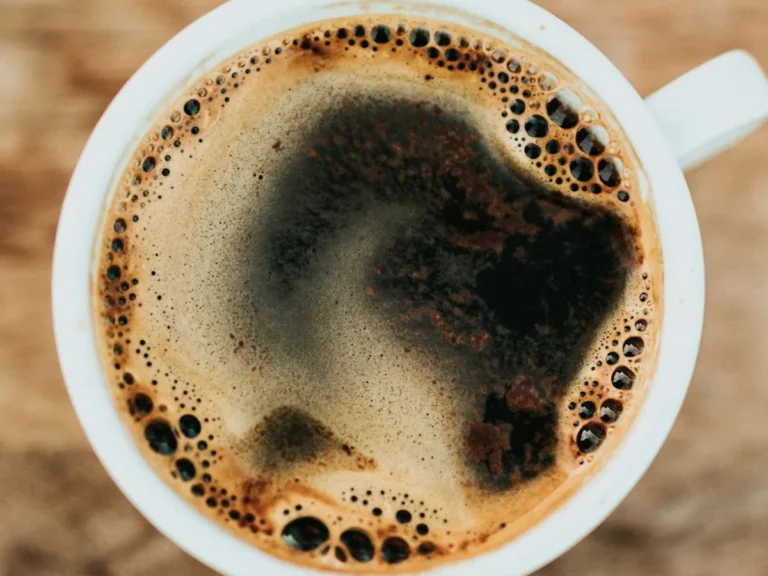

Every single morning, over two billion people worldwide start their day with a steaming mug of coffee, relishing its invigorating aroma and dependable cognitive boost. Yet the precise physiological mechanisms governing how coffee and gut microbiome interact inside the human digestive tract have long been clouded by misconceptions, folk wisdom, and outdated fears of stomach irritation. Now, an innovative clinical study led by gastrointestinal researchers at the University of Copenhagen has deployed the cutting-edge SmartPill ingestible sensor capsule to track coffee’s voyage in real time through every segment of the gut. Published in the prestigious journal Gut Microbiology, their findings reveal that coffee functions as a potent natural prebiotic and a master regulator of gastrointestinal motility.
The SmartPill Breakthrough: Tracking Coffee and Gut Microbiome Dynamics in Real Time
For decades, evaluating coffee’s impact on digestive organs was confined to either retrospective questionnaire surveys or ex-vivo fecal sample culturing, both of which miss the dynamic, transient physiological processes occurring in the stomach and small intestine. The University of Copenhagen research team, spearheaded by Professor Henrik Munch Roager and lead author Francesca Bucci, overcame these clinical obstacles by utilizing the SmartPill wireless motility capsule.
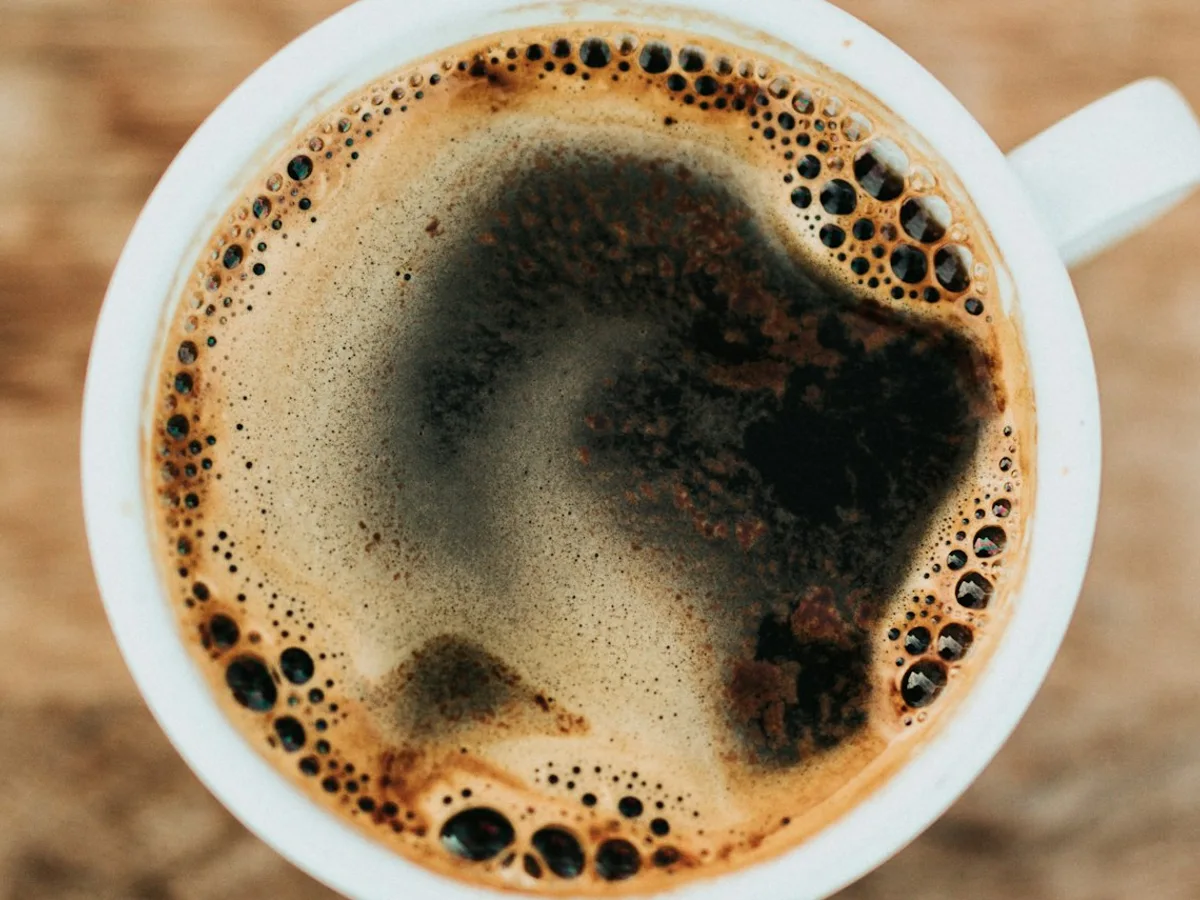
The SmartPill is an ingestible capsule roughly the size of a standard multivitamin, equipped with microelectronic telemetry sensors that measure pH (acidity), luminal pressure (muscular contractions), and temperature at one-second intervals. As the capsule naturally transits from the oral cavity through the stomach, duodenum, jejunum, ileum, and colon, it continuously transmits high-resolution physiological data to an external recorder worn on the participant’s belt. Paired with comprehensive blood metabolomics and 16S rRNA bacterial gene sequencing, the team captured an unprecedented real-time portrait of gut responses to coffee intake.
Just as we explored how conditions like auto-brewery syndrome in the gut underscore the profound influence of internal microbial biochemistry, this Danish study underscores the constructive, symbiotic relationship between dietary compounds and microbial ecology.
The SmartPill telemetry decisively refuted the assumption that coffee damages gastric lining in healthy individuals. Upon reaching the stomach, coffee triggers rapid gastrin hormone secretion from endocrine G-cells, prompting parietal cells to release hydrochloric acid. This controlled dip in gastric pH enhances the enzymatic activation of pepsin, expediting protein proteolysis and accelerating gastric emptying into the duodenum without mucosal injury.
The 4-Minute Urge: Unraveling the Gastrocolic Reflex and Colonic Motility
An estimated 30 to 40 percent of regular coffee drinkers report an unmistakable, urgent urge to defecate within minutes of finishing their first cup. Conventional wisdom routinely attributed this rapid laxative response exclusively to caffeine-induced central nervous system arousal. However, the Danish researchers designed a blinded crossover protocol comparing caffeinated filter coffee with decaffeinated brews to isolate the true pharmacological drivers.
Luminal pressure recordings from the SmartPill revealed a startling reality: decaffeinated coffee elicited virtually the exact same spike in rectosigmoid colonic motor activity as caffeinated coffee. Within four minutes of the initial sip, the longitudinal and circular smooth muscle layers of the descending and sigmoid colon exhibited intense peristaltic contractions. The magnitude of this muscular response was comparable to the gastrocolic stimulation triggered by a substantial 1,000-calorie balanced meal.
This rapid response is mediated by the gastrocolic reflex. Bioactive chlorogenic acids, melanoidins, and diterpenes stimulate chemical receptors in the gastric mucosa, provoking an immediate neuroendocrine surge of cholecystokinin (CCK) and gastrin. Transmitted through the vagus nerve and the enteric myenteric plexus, neural signals race downward to the large intestine long before the ingested coffee liquid physically exits the stomach pouch.
In a clinical climate where the new definition of obesity emphasizes gut hormone signaling, coffee’s natural activation of gut regulatory peptides represents a valuable non-pharmacological ally for metabolic and motility homeostasis.
«Coffee is far more than a morning stimulant. Physiologically speaking, it is an intricate polyphenol elixir that fuels specialized commensal bacteria, synchronizes colonic motility, and produces powerful anti-inflammatory metabolites across the entire gastrointestinal tract.»
Professor Henrik Munch Roager, Department of Nutrition, Exercise and Sports, University of Copenhagen
Feeding Lawsonibacter: How Coffee Polyphenols Act as Targeted Prebiotics
While coffee’s motility stimulation is impressive, its most profound long-term health dividend lies in the deep ecological reprogramming of the colon’s microbial community. Coffee beans boast an extraordinary chemical tapestry of over 1,000 phytochemicals, prominently featuring chlorogenic acids (a versatile class of polyphenols) and non-digestible soluble polysaccharides such as galactomannans and arabinogalactans.
Over 90 percent of coffee polyphenols escape absorption in the upper gastrointestinal tract, arriving intact in the cecum and ascending colon. There, they serve as specialized substrates for beneficial gut bacteria. High-throughput metagenomic sequencing revealed that regular coffee consumption drives an exponential enrichment in populations of Lawsonibacter asaccharolyticus.
This specialized microbe possesses the enzymatic machinery required to metabolize complex chlorogenic acid structures, converting them into bioactive short-chain fatty acids (SCFAs)—particularly butyrate and acetate—as well as bioavailable urolithins. These microbial metabolites reinforce tight junction proteins between intestinal epithelial cells, strengthening gut barrier integrity and suppressing systemic low-grade inflammation. Concurrently, the study documented marked blooms in beneficial Bifidobacterium spp., alongside reductions in potentially pathogenic clostridia.
Far from being an irritant, coffee operates as a sophisticated prebiotic cocktail, cultivating microbial biodiversity and shielding the gut lining against inflammatory insults.
Ingestible sensor capsule measures pH, muscular contraction pressure, and transit times in real time.
Gastrocolic motility is triggered within 4 minutes via neuroendocrine signaling, independent of caffeine content.
Polyphenols act as dedicated prebiotics, feeding unique bacteria that produce protective short-chain fatty acids.
Decaffeinated coffee retains up to 85% of gut benefits, stimulating motility and anti-inflammatory pathways alike.
Clinical Guidance: Best Practices for Maximizing Coffee’s Gastrointestinal Benefits
Grounded in direct physiological sensor metrics, the Danish investigators outlined actionable clinical guidance for coffee consumers seeking to optimize digestive health without experiencing unwanted side effects. The overarching takeaway: coffee is an exceptionally wholesome, gut-supportive beverage when consumed thoughtfully.
The optimal intake range for supporting microbial richness is 2 to 4 standard cups (approximately 300 to 600 ml) daily. Researchers advise selecting light-to-medium roasts prepared via paper filter methods. Light roasts retain significantly higher concentrations of intact chlorogenic acids and bioactive antioxidants compared to dark French roasts, where extreme thermal pyrolysis degrades delicate polyphenol structures.
For individuals vulnerable to gastroesophageal reflux disease (GERD) or gastritis, consuming strong black coffee on an entirely empty stomach immediately upon waking may aggravate lower esophageal sphincter tone. Pairing morning coffee with a balanced meal containing protein or dietary fiber neutralizes excess acidity while fully preserving colonic stimulation.
Finally, gastroenterologists emphasize beverage purity: drowning coffee in refined sugars, synthetic flavored syrups, and hydrogenated creamers sabotages its prebiotic efficacy. Excessive sugar fosters dysbiosis and feeds opportunistic yeasts, neutralizing the therapeutic anti-inflammatory cascade engineered by Lawsonibacter.
- Beyond Caffeine: Decaffeinated coffee stimulates colonic motility and microbiome diversity almost identically to regular brew.
- Lawsonibacter Ally: Rare commensal bacteria metabolize chlorogenic acid polyphenols into protective anti-inflammatory metabolites.
- The 4-Minute Reflex: The urge to defecate stems from an immediate neuroendocrine gastrocolic reflex, not liquid transit time.
- Optimal Dosage: 2 to 4 cups of filtered light-to-medium roast daily provides peak prebiotic benefits for the human microbiome.