

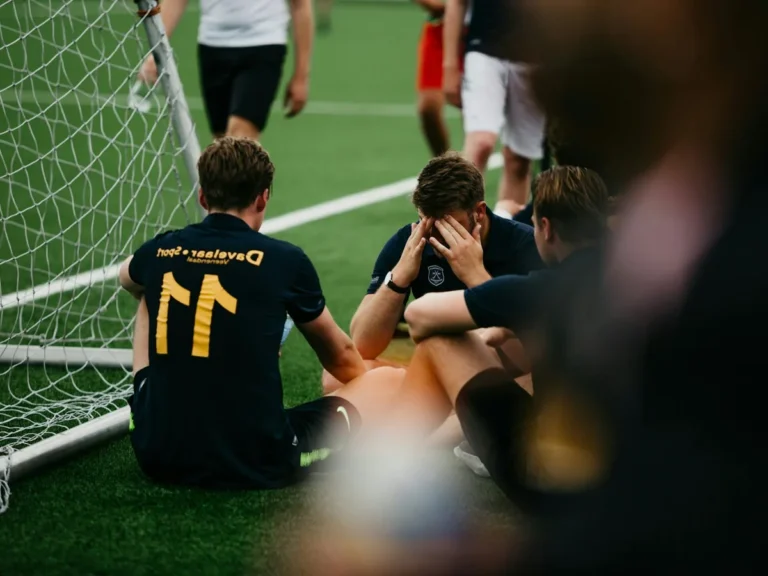

For generations, the global sporting arena cultivated the mythology of the bulletproof athlete — a physically flawless titan possessing unyielding mental fortitude, impervious to self-doubt, panic, or emotional exhaustion. Yet high-profile disclosures by elite superstars — from historic gymnastics champion Simone Biles and tennis prodigy Naomi Osaka to 23-time Olympic gold medalist Michael Phelps — decisively shattered this enduring illusion of psychological invincibility. Recognizing that immense performance demands expose competitors to severe emotional vulnerabilities, the International Olympic Committee (IOC) recently updated its global expert consensus statement, formally enshrining routine mental health screening in elite sports as an essential pillar of athlete care, on par with cardiovascular and musculoskeletal examinations.
The Myth of the Iron Mind: Unmasking Vulnerability Beneath Championship Gold
Throughout modern athletic history, sporting institutions have glorified the concept of ‘mental toughness’ as the defining prerequisite of athletic excellence. Spectators witness the glorious pinnacle: tears of joy upon the medal podium, national anthems echoing across stadiums, and celebratory press conferences. Yet behind this victorious veneer lies an unrelenting gauntlet of psychological stressors: grueling physical regimens pushed to the boundaries of human endurance, overtraining syndrome, chronic sleep deprivation, rigorous dietary policing, isolation from family networks, and unrelenting public scrutiny magnified by toxic social media abuse.
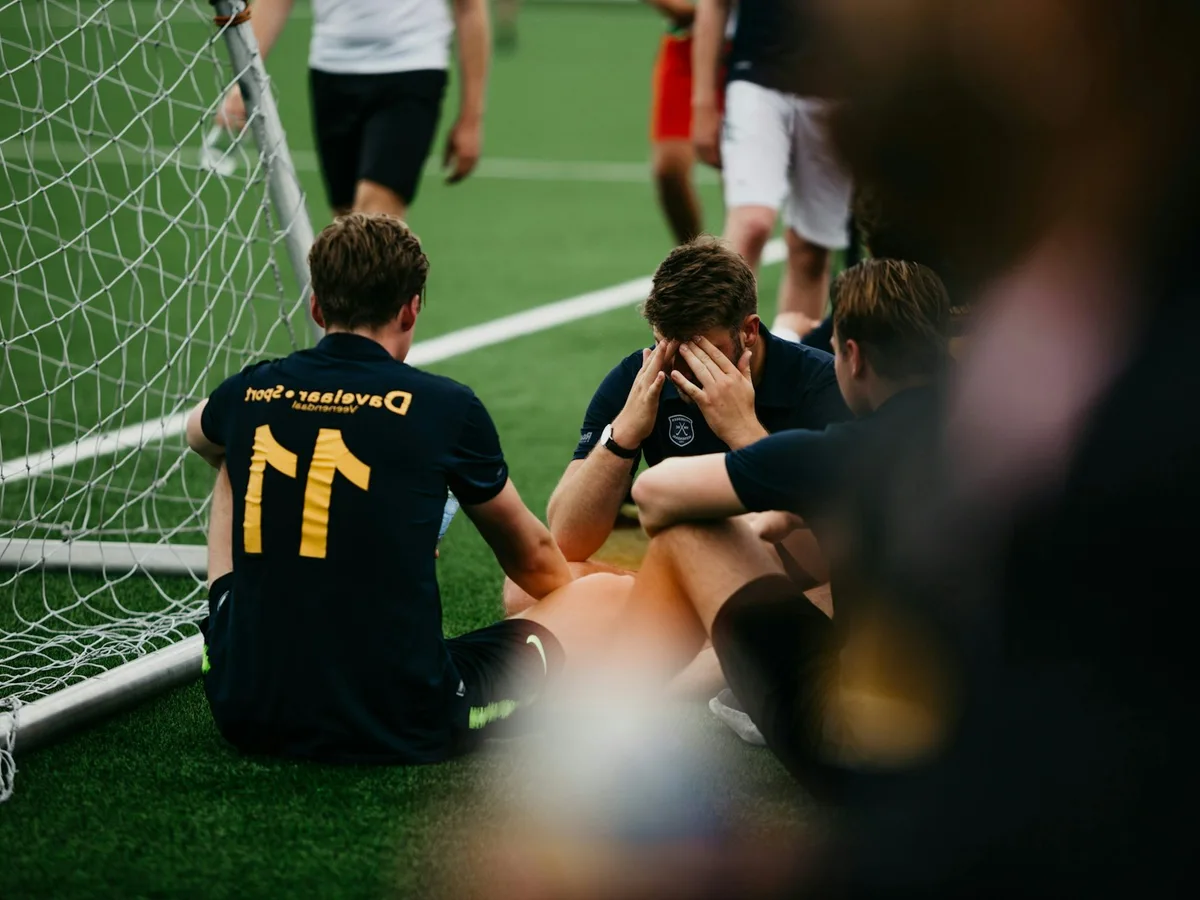
When global icon Simone Biles withdrew from multiple finals at the Tokyo Olympic Games citing the ‘twisties’ — a dangerous neurological dissociation where gymnasts lose proprioceptive awareness while performing multi-rotational aerial skills — the sports world received an unforgettable awakening. Shortly thereafter, four-time Grand Slam champion Naomi Osaka openly disclosed prolonged bouts of depression and social anxiety, refusing mandatory post-match press conferences to preserve her psychological well-being. It became undeniably evident that physical perfection provides no armor against psychiatric illness.
As Rosemary Purcell, Professorial Fellow at the Centre for Youth Mental Health at the University of Melbourne, explains, elite competitors navigate distinct sport-specific pressures rarely experienced in general life. The unbearable burden of carrying national expectations, the sudden devastation of a lifelong sponsorship contract evaporating over a split-second misstep, and the pervasive fear of perceived weakness force many competitors to suffer in silence, often leading to substance misuse, severe eating disorders, and catastrophic mental health crises.
The IOC Consensus Framework: What Clinical Mental Health Screening Looks Like in Practice
In response to this escalating mental health crisis, the International Olympic Committee assembled an international panel of leading academic researchers, psychiatrists, and sports medicine clinicians to update its landmark expert consensus statement. The centerpiece of this updated framework is proactive, systematic mental health screening. Rather than waiting for an acute psychological crisis to manifest, screening employs validated, brief clinical instruments (such as the Sport Mental Health Assessment Tool, or SMHAT-1) to evaluate an athlete’s mental equilibrium on a routine basis.
The overarching clinical goal is differential diagnosis: separating normal, transient competitive stress from emerging clinical psychopathology. Pre-competition tension and autonomic arousal are natural physiological adaptations that enhance physical performance. However, when an athlete reports persistent insomnia, anhedonia (an inability to derive joy from triumph), chronic self-loathing, or pathological eating behaviors, the screening tool identifies the warning signs immediately, triggering a confidential referral to a specialized practitioner.
This institutional shift aligns closely with contemporary cognitive neuroscience, demonstrating that long-term human resilience depends upon psychological coping mechanisms under sustained environmental pressure rather than suppression of emotional strain.

«Mental health screening in elite sport has several crucial aims, primarily detecting risks as early as possible so effective support can be provided in a timely way. It should never be used to screen-out athletes or determine they are unsuitable to compete based on a short tool — screening exists to help athletes access care, not harm their careers.»
Rosemary Purcell, Professorial Fellow at the Centre for Youth Mental Health, The University of Melbourne, and co-author of the updated IOC Consensus Statement
Four High-Risk Milestones: When Psychological Screening Is Most Crucial
Under the IOC guidelines, psychological screening is not designed as a sporadic or arbitrary event. Experts have delineated four specific temporal milestones throughout the competitive cycle where an athlete’s vulnerability peaks exponentially. The first milestone is the pre-season assessment, establishing a psychological baseline before the onset of heavy competitive travel and physical strain.
The second milestone occurs in the immediate aftermath of major multi-sport events, such as the Olympic Games or World Championships. In clinical sports psychology, this phenomenon is recognized as the ‘post-event blues.’ For years, an athlete’s cognitive bandwidth is consumed by a singular, obsessive objective. Once the closing ceremony concludes — regardless of whether they achieved historic gold or endured bitter defeat — a devastating dopamine crash ensues. The intense adrenaline surge vanishes, structured daily routines collapse, and the competitor confronts an acute existential void.
The third critical juncture involves periods following severe physical trauma, particularly concussions or orthopedic surgeries requiring prolonged rehabilitation. Forced disconnection from training groups and fears regarding career termination frequently induce reactive depression. Finally, the fourth milestone focuses on athletic retirement. Navigating involuntary delisting, age-related transition, and the sudden loss of athletic identity makes this phase one of the highest-risk intervals for depressive decline.
Embedding mental screenings into standard medical checks establishes psychological vulnerability as a legitimate performance variable.
Unmanaged psychological distress disrupts motor automation and aerial proprioception, precipitating life-threatening physical trauma.
Retirement and the sudden loss of athletic identity represent one of the most acute crisis windows for psychiatric distress.
Data cannot be weaponized to delist or disqualify athletes, strictly upholding medical ethics and athlete employment rights.
The Ethical Imperative: Why Screening Must Never Become a Tool for Elimination
The greatest obstacle to implementing effective mental health protocols is overcoming deep-seated skepticism among athletes themselves. Competitors frequently fear that honest disclosures regarding anxiety, burnout, or mood disturbances will be perceived by coaching staff as psychological weakness, resulting in dropped sponsorships, benching, or exclusion from Olympic selection. Under such coercive conditions, athletes predictably resort to ‘box-ticking’ — providing sanitized, socially desirable answers that mask authentic distress.
To safeguard against this outcome, the IOC consensus establishes an uncompromising ethical boundary: screening must never be utilized to ‘screen-out’ athletes or declare them ineligible for selection. Screenings must be conducted by independent clinical practitioners bound by rigorous medical confidentiality laws. Coaching hierarchies and athletic federations are strictly barred from accessing raw screening responses without the athlete’s explicit, informed consent.
Fostering an ethical, high-trust sporting culture directly reflects cognitive research on how emotional safety supports cognitive functioning and mental bandwidth during peak competitive strain, preventing burnout before it becomes irreversible.
- Early Detection via Validated Tools: Brief structured questionnaires differentiate routine pre-competition arousal from severe clinical depression, generalized anxiety, and eating disorders.
- Four Key Screening Milestones: Recommended at the start of a competitive season, after major pinnacle tournaments (Olympics, World Championships), following serious physical trauma (concussions, ligament tears), and during career retirement.
- Absolute Clinical Confidentiality: Testing must be administered solely by qualified sports psychologists or psychiatrists, ensuring results remain strictly confidential and shielded from coaching rosters.
- Combating Post-Olympic Depression: The post-event blues — a severe neurochemical and existential void occurring after years of single-minded focus — affects up to 40% of major tournament participants.
- Destigmatizing Psychological Care: Embedding routine mental health assessments directly alongside physical medical clearances normalizes help-seeking behavior among elite performers.
From the Olympic Podium to Grassroots Sport: Cultivating Sustainable Wellbeing
While elite national Olympic bodies possess the budgetary resources to retain multidisciplinary psychiatric teams, community and youth sports clubs operate under far tighter constraints. In the absence of specialized clinicians, administering structured screening tools can backfire, inadvertently generating stigma and shame among young participants.
Consequently, best-practice community guidelines co-authored by Professor Rosemary Purcell emphasize that grassroots organizations should prioritize mental health literacy. Coaches, administrators, and sporting parents are trained to recognize early indicators of behavioral distress, employ trauma-informed coaching methods, and establish clear, safe referral pathways to local community mental healthcare providers.
The IOC’s bold consensus reform represents a transformative milestone in the philosophy of global sport. The international sporting movement has officially conceded that physical records possess no meaning if achieved through the psychological destruction of the human beings who set them. Prioritizing mental health screening establishes a new, enlightened standard where human dignity stands equal with athletic greatness.