

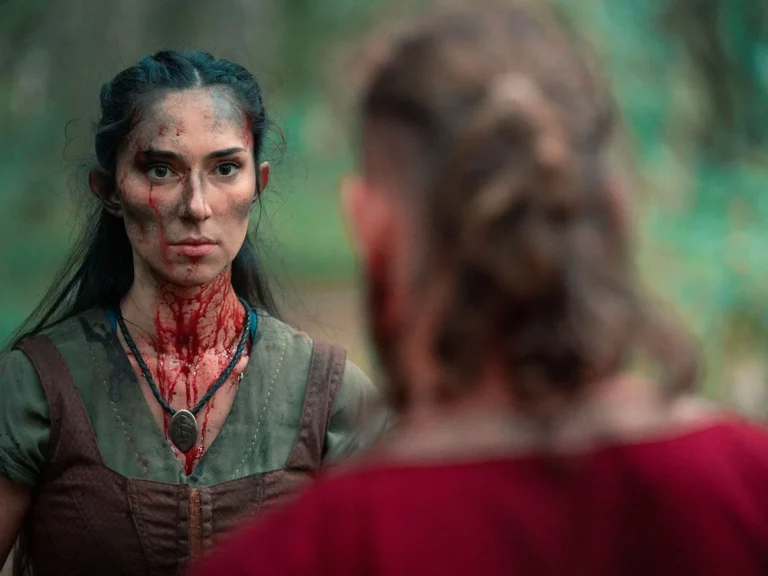

For centuries, the popular stereotype of the Norse raider conjured images of towering, bearded men descending upon foreign shores, yet groundbreaking archaeological discoveries and ancient genomics have fundamentally transformed our understanding of gender roles in the early Middle Ages. The definitive DNA identification of an elite warrior in Birka, Sweden, as biologically female reignited intense debates across the global academic community. While historical chronicles and burial goods provide compelling proof that females wielded deadly weapons, the critical historical question remains: exactly how often did viking women in battle actively clash on the front lines?
The Shieldmaiden Enigma: Mythological Legend or Real Battlefield Combatants
Throughout much of modern historiography, the Scandinavian society of the Viking Age (roughly 793 to 1066 AD) was portrayed through a strictly patriarchal and hyper-masculine lens. In conventional accounts, rugged men manned longships, raided coastal monasteries, and established overseas trading networks, while women were relegated entirely to domestic duties as weavers, homemakers, and mothers. The legendary tales of ferocious shieldmaidens (skjaldmær), celebrated across Icelandic sagas and Eddic poetry, were dismissed by many mid-20th-century scholars as literary embellishments, symbolic metaphors, or folklore inspired by mythological valkyries.
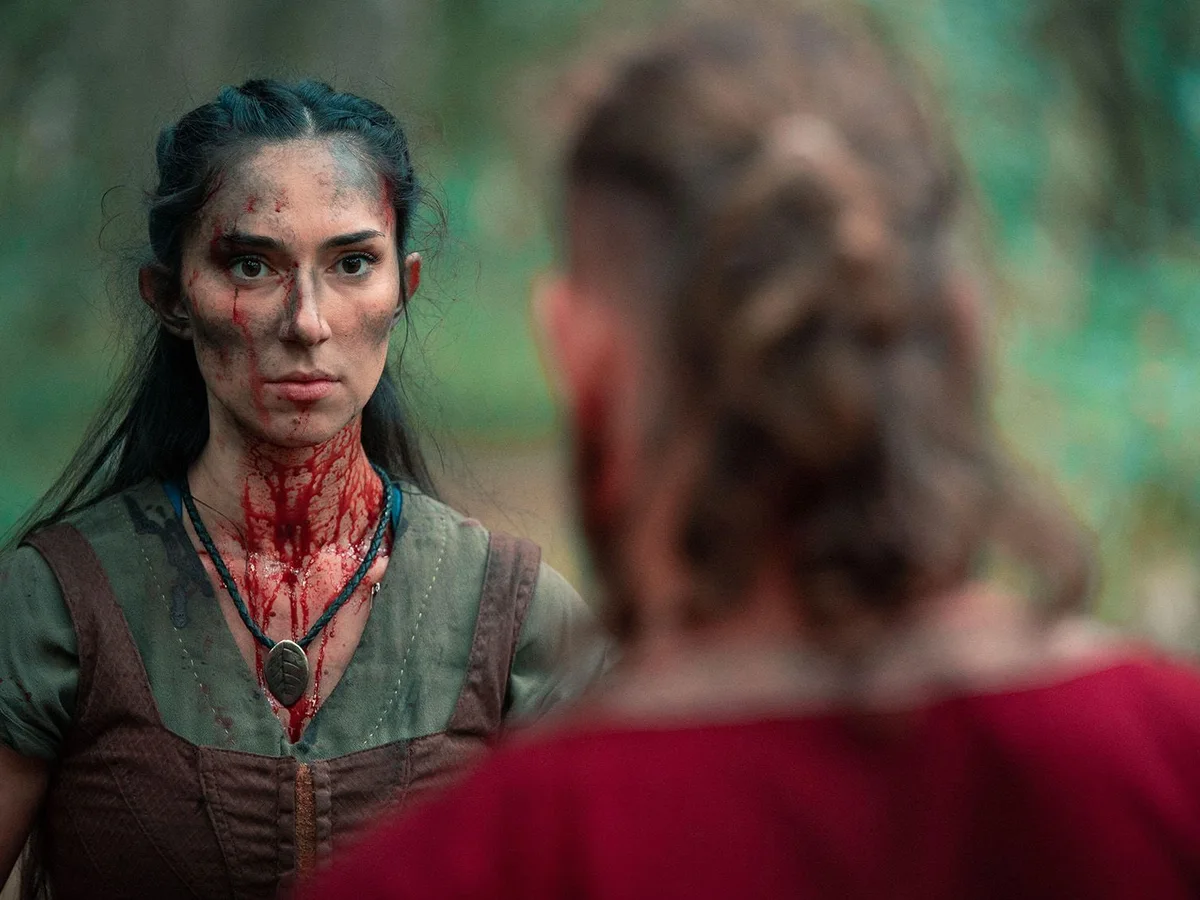
However, rigorous interdisciplinary research and modern excavations over recent decades have challenged these assumptions. Historians began re-examining contemporary medieval accounts written by foreign observers who had no incentive to romanticize Scandinavian lore. For instance, the 12th-century Danish theologian and historian Saxo Grammaticus recorded in ‘Gesta Danorum’ (History of the Danes) that ancient women in Denmark dressed as men, devoted their daily lives to cultivating combat skills, and sought the clash of arms over romantic embraces.
Equally compelling accounts come from Byzantine historian John Skylitzes. Chronicling the brutal Battle of Dorostolon in 971 AD between the forces of Prince Sviatoslav of Kyiv and the Byzantine army of Emperor John I Tzimiskes, Skylitzes noted that the victors discovered dead Scandinavian women dressed in battle armor with weapons alongside fallen Norsemen. These records demonstrate that female combat participation was not pure fiction, echoing similar discoveries showing how female leadership and military roles in antiquity shaped crucial geopolitical conflicts throughout ancient history.
The Birka Breakthrough: How Ancient Genomics Shattered Centurylong Prejudices
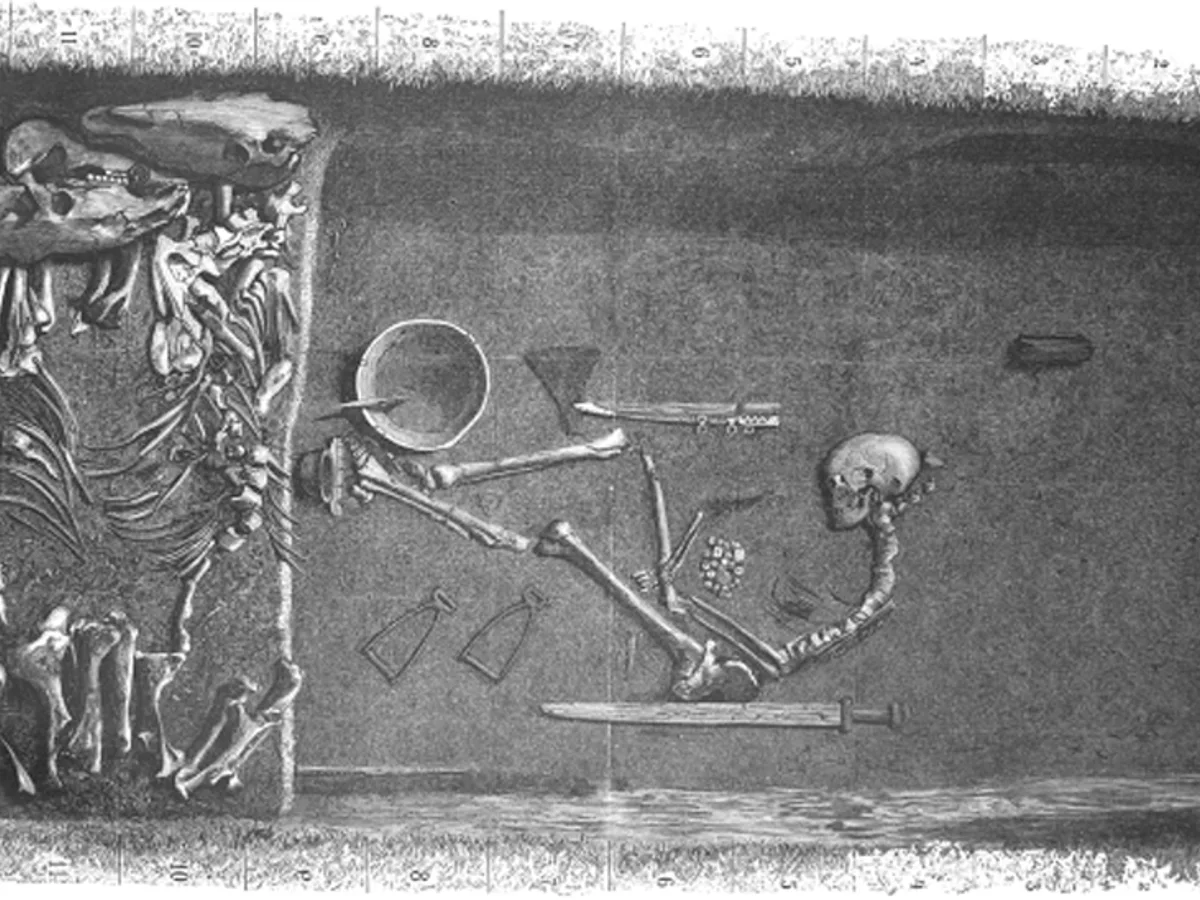
The turning point in modern scholarship arrived with the genetic re-evaluation of chamber grave Bj 581 in the renowned Viking Age trading hub of Birka, Sweden. First excavated in 1889 by Swedish archaeologist Hjalmar Stolpe, the burial was hailed as the textbook example of an elite Viking chieftain. It contained a formidable arsenal: a double-edged Carolingian sword, a large battle axe, spearheads, a fighting scramasax knife, 25 armor-piercing arrows, two round wooden shields, and the remains of two warhorses positioned beside an underground wooden chamber.
The paradigm shifted dramatically in 2017 when an international team led by osteologist Anna Kjellström and paleogeneticist Charlotte Hedenstierna-Jonson from Stockholm University conducted comprehensive ancient DNA (aDNA) and osteological sequencing on the remains. The genomic analysis, published in the American Journal of Physical Anthropology, revealed an XX karyotype with zero Y chromosomal DNA, definitively confirming that this supreme military figure was a biological female between 30 and 35 years old.
Furthermore, resting in the warrior’s lap was a complete hnefatafl gaming set—an ancient Norse tactical board game used to teach battlefield command, defensive positioning, and flanking maneuvers. As Uppsala University archaeologist Neil Price emphasized, the inclusion of strategy gaming pieces alongside horses and extensive weaponry indicates that this individual was not merely a fighter, but a senior tactician and military commander who made vital strategic decisions on the battlefield.
«The grave in Birka shows that weapons buried with an individual reflected their genuine social and martial status in life, rather than mere family ritual. Had this skeleton belonged to a male, no scholar in the world would have questioned for a single second that this was a high-ranking military commander.»
Charlotte Hedenstierna-Jonson, paleogeneticist and archaeologist at Stockholm University
Combat Frequency: Routine Infantry Ranks or Elite Situational Commanders
The Birka discovery immediately ignited a central question: was this female commander an isolated anomaly, or did Viking women regularly march to war? Extensive surveys of Scandinavian cemeteries from the 9th to 11th centuries reveal that the majority of female graves contain domestic and personal items: oval tortoise brooches, spindle whorls, glass beads, and iron keys symbolizing domestic authority over the homestead.
Yet grave Bj 581 does not stand entirely alone. In Solør, Norway, archaeologists uncovered a 10th-century female warrior burial containing an axe, spear, and sword, where skeletal analysis revealed a severe, healed cut mark on the frontal bone of her skull. The advanced bone remodeling proved the woman had survived a vicious blade strike in real hand-to-hand combat long before her death. Similar graves containing weapon-bearing female skeletons have been documented at Suontaka in Finland and in sites across Denmark.
Nevertheless, scientific consensus suggests that female fighters constituted a small percentage of overall combat forces, estimated between 1% and 5% of active warbands. As Judith Jesch, professor of medieval history at the University of Nottingham, points out, women in the Viking Age were not typical frontline levies. Their presence in combat was largely situational, tied to aristocratic lineage, the death of male leaders requiring dynastic protection of ancestral lands, or extraordinary individual martial aptitude.
A 2017 genomic analysis revealed two X chromosomes and no Y chromosome, definitively confirming the female biological sex of the Birka commander.
Male burials with a single spearhead are automatically cataloged as warriors, whereas female burials with full weapon arsenals faced decades of skepticism.
The 12th-century ‘Gesta Danorum’ chronicled Danish maidens who traded courtship for combat and cultivated sword fighting alongside men.
Strategic gaming pieces and warhorses indicate that elite Norse women served as officers and strategists planning battlefield maneuvers.
Methodological Bias and the Redefinition of Gender Roles in Archaeology
A major reason controversies surrounding female warriors persist stems from deeply entrenched historiographical biases. Prior to genomic testing, sex determination in archaeological contexts relied heavily on grave goods: any skeleton associated with weapons was automatically labeled male, while ornaments denoted females. When DNA analysis established the female sex of the Birka warrior, some skeptics argued the weapons might have been ‘heirlooms,’ ‘gifts,’ or ‘ritual symbols.’
Archaeologists counter that such speculative doubts are never applied to male burials. No one suggests a sword in a man’s grave was merely decorative tribute from his wife. Crucially, the landmark genomic study of the Birka warrior burial coupled with strontium isotope analysis confirmed high geographic mobility and a protein-rich diet matching elite warrior classes.
Re-examining existing museum collections using modern paleogenomic tools continues to identify armed female burials across Anglo-Saxon Britain, Ireland, and Eastern trade routes. These findings demonstrate that early medieval Scandinavian culture maintained far more flexible gender parameters than the Victorian era that produced modern popular Viking mythology.
- Chamber grave Bj 581 at Birka in Sweden contained the skeleton of a 30-to-35-year-old woman buried with a sword, axe, spear, 25 armor-piercing arrows, two shields, and two sacrificed warhorses.
- A complete hnefatafl gaming board with bone gaming pieces was found in the Birka grave, indicating a high-level military tactician who commanded troops.
- A 10th-century female burial in Solør, Norway, revealed an axe, weapons, and a distinct cranial slash from a battle sword that had healed during her lifetime.
- Byzantine chronicler John Skylitzes documented that armed Scandinavian women were discovered among fallen Varangian fighters after the Battle of Dorostolon in 971 AD.
- While female combat participation was not ubiquitous, Scandinavian law and social structures permitted martial leadership and active defense by women during crises.
Social Autonomy and Legacy: How Norse Women Shaped Medieval Northern Europe
Even when not bearing arms on foreign shores, Scandinavian women enjoyed legal autonomy that surpassed most regions of contemporary Europe. Ancient Icelandic legal codes, such as the Grágás, confirm that women could inherit property, divorce abusive or financially irresponsible husbands, and claim financial restitution (wergild) for insults and family harm.
During prolonged maritime expeditions when male kin sailed overseas for months, women managed entire agricultural estates, conducted diplomatic trade, and organized local defensive measures against rival raiders. In such an environment, familiarity with basic weaponry and martial strategy was a pragmatic necessity for community survival.
Modern historical science paints a nuanced and authentic portrait: Viking women were neither theatrical opera valkyries nor passive bystanders, but dynamic agents of history whose elite ranks included formidable tacticians, leaders, and battlefield commanders honored in both life and death.