

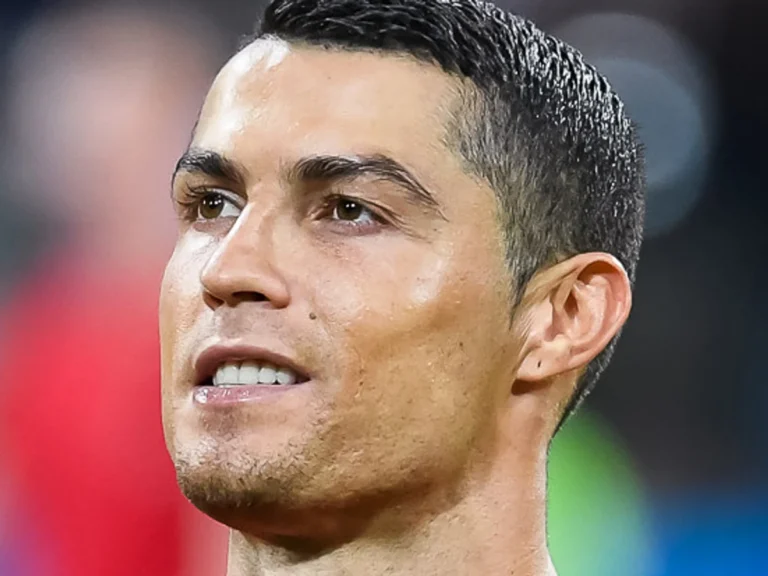

The annual comprehensive financial audits revealing the world’s highest-paid athletes published by Forbes demonstrate a watershed transformation across the global sporting landscape. The era when player earnings were strictly tethered to conventional team salary caps within European football or American sports leagues has ceased to exist. Massive multi-billion-dollar sovereign wealth deployments from the Middle East, unprecedented contract structures with deferred compensation, and direct revenue sharing with Silicon Valley streaming titans have elevated superstar remuneration to astronomical heights, led by Cristiano Ronaldo.
Cristiano Ronaldo’s Financial Supremacy: Saudi Millions and Brand CR7
Cristiano Ronaldo secured the top position on Forbes’ global annual sports rich list for the fourth time in his legendary career, establishing an all-time record for athletic compensation. His cumulative annual income surged to between $260 million and $285 million, eclipsing historic benchmarks previously set by boxing titans and Formula 1 champions.
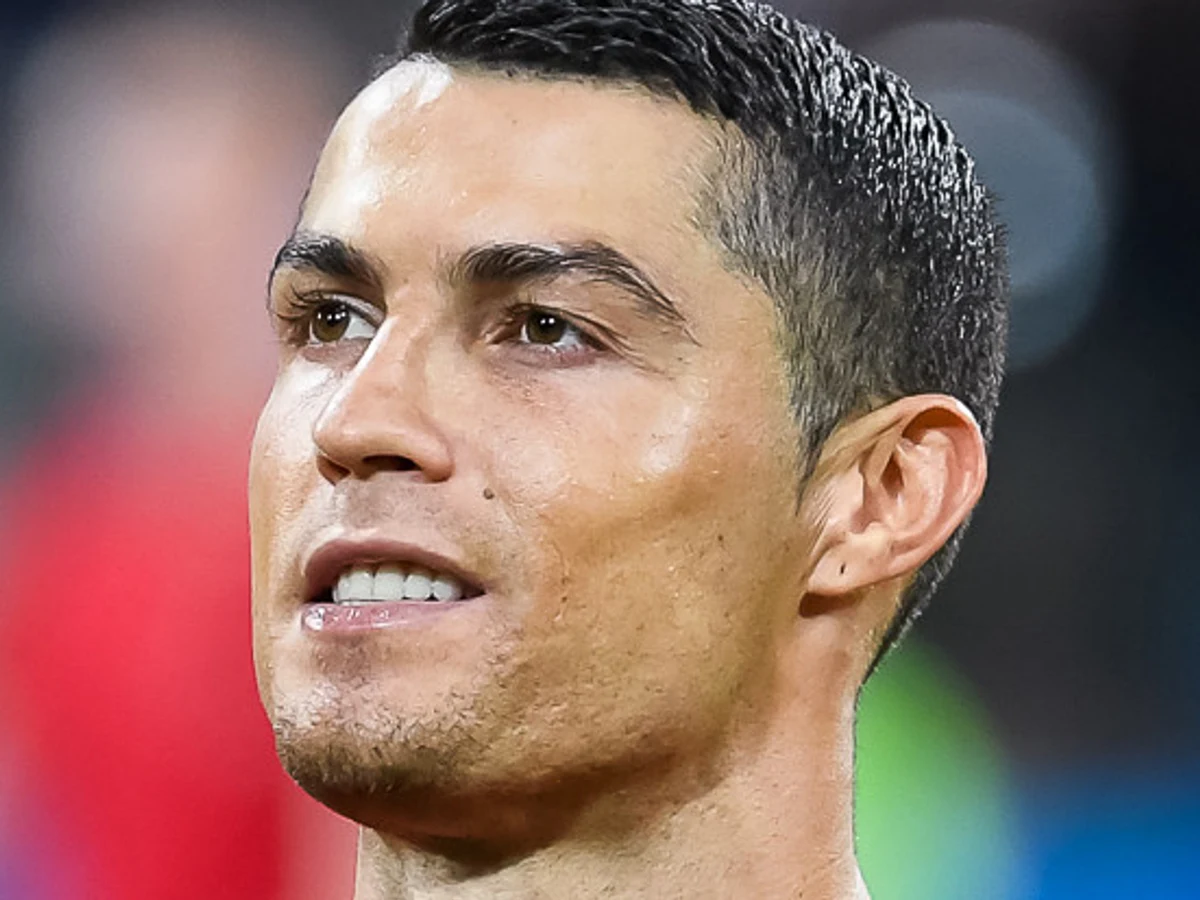
The cornerstone of the 40-year-old Portuguese icon’s revenue stream is his playing agreement with Riyadh-based Al-Nassr, which yields an estimated $200 million annual net salary. This contract is backed directly by Saudi Arabia’s Public Investment Fund (PIF), an entity managing nearly one trillion dollars in sovereign wealth deployed as part of the kingdom’s Vision 2030 geopolitical modernization campaign.
Beyond his on-pitch compensation, Ronaldo generates upwards of $60 million annually through off-field commercial partnerships: a lifetime relationship with Nike, global campaigns with cryptocurrency exchange Binance, biometric wearable pioneer Whoop, his bespoke Pestana CR7 lifestyle hotel chain, and a record-breaking Instagram following exceeding 640 million followers commanding over $3 million per sponsored post.
Operating under such intense commercial scrutiny requires monumental psychological fortitude: as analyzed in our study on the International Olympic Committee’s newly adopted mental health screening frameworks, multi-million-dollar athletic pressure demands rigorous medical and psychological protection.
The Shohei Ohtani Landmark: How a $700M Deal Rewrote Sports Economics
In December 2023, Japanese two-way baseball sensation Shohei Ohtani inked the most lucrative guaranteed contract in the history of North American professional sports: a 10-year, $700 million pact with the Los Angeles Dodgers. Yet the true engineering marvel lay within its contractual structure.
Ohtani voluntarily proposed deferring an astonishing $680 million of the total $700 million value. Throughout his 10-year playing tenure in Los Angeles, Ohtani receives a modest annual salary of just $2 million, with the remaining $680 million disbursed in equal $68 million installments between 2034 and 2043 without interest.
This ingenious structure lowered the Dodgers’ Competitive Balance Tax payroll burden from $70 million to approximately $46 million annually, freeing up payroll flexibility to sign elite pitching talent. Ohtani easily offsets his nominal playing wage through commercial endorsements: as the preeminent cultural hero in Japan, he earns over $65 million annually from corporate alliances with New Balance, Porsche, Seiko, and Mitsubishi, making him the most marketable player in Major League Baseball history.

«I did not come here merely to play football; I came to transform an entire culture and showcase the extraordinary potential of this region to the world. Records follow me; I do not follow records. A new economic era has arrived in world sports.»
Cristiano Ronaldo, Captain of Al-Nassr and Portugal National Team
The Saudi Wealth Expansion: Jon Rahm and the LIV Golf Seismic Shock
Claiming the second position on the global sports rich list, Spanish golfer Jon Rahm sent shockwaves through the athletic establishment by defecting from the PGA Tour to join the Saudi-financed LIV Golf league. Rahm’s multi-year contract package was valued between $300 million and $500 million, with first-year guaranteed disbursements totaling approximately $198 million.
Orchestrated by PIF Governor Yasir Al-Rumayyan, LIV Golf demonstrated that sovereign capital can systematically dismantle entrenched sporting monopolies in months. By offering guaranteed prize pools vastly superior to traditional major championships, LIV Golf compelled the PGA Tour to enter into historic framework merger negotiations.
Rahm’s staggering $218 million total annual earnings propelled him past household global icons like Lionel Messi and LeBron James, demonstrating the raw disruptive power of state-backed sports investing.
Historic all-time earnings high fueled by Saudi Arabia’s PIF and the global multi-channel CR7 brand empire.
Pioneering $700M Dodgers contract deferring 97% of compensation to circumvent MLB competitive luxury tax.
Seismic $500M Saudi-backed deal that triggered an institutional realignment across global professional golf.
Innovative revenue-share partnership tied directly to international MLS Season Pass streaming subscriber growth.
Lionel Messi’s Commercial Architecture: Apple TV Streaming Revenue Sharing
When eight-time Ballon d’Or victor Lionel Messi completed his transfer to David Beckham’s Inter Miami CF, he pioneered an entirely new paradigm of athletic compensation. Rather than accepting a standard fixed wage, Messi negotiated direct revenue-sharing agreements tied to international subscription growth for Apple TV’s MLS Season Pass streaming package.
The agreement also encompassed an equity profit-sharing partnership with German sportswear giant Adidas, alongside a formal contractual option to acquire an equity ownership stake in an MLS franchise upon retirement. Factoring in commercial endorsements, Messi’s annualized compensation consistently surpasses $135 million.
This fusion of professional athletics with Silicon Valley streaming architecture illustrates how modern athletes are transitioning from wage laborers into equity co-owners of global media rights.
- Sovereign wealth funds from the Middle East (PIF) have redefined the global ceiling for athletic remuneration.
- Cristiano Ronaldo set the highest single-year earnings record in professional athletic history.
- Shohei Ohtani established a contractual precedent of massive compensation deferral without inflation penalty.
- Tier-one athletes are transitioning from salary wage-earners to equity partners in Silicon Valley streaming ecosystems.
LeBron James and the Rise of the Athlete-Investor: Private Equity and Family Offices
Los Angeles Lakers superstar LeBron James—who became the first active NBA athlete to achieve certified billionaire status—embodies the zenith of athlete capital management. While commanding roughly $48 million in on-court salary, James generates over $80 million annually through his diversified business ecosystem.
His production house SpringHill Entertainment, an early equity stake in Blaze Pizza, and minority club holdings in Liverpool Football Club and the Pittsburgh Penguins via Fenway Sports Group offer a blueprint for contemporary athletes seeking generational wealth creation.
The athletic arena of 2026–2027 has fundamentally merged with private equity: elite sports figures now command multi-family offices, negotiate sovereign wealth co-investments, and dictate global entertainment commerce.