

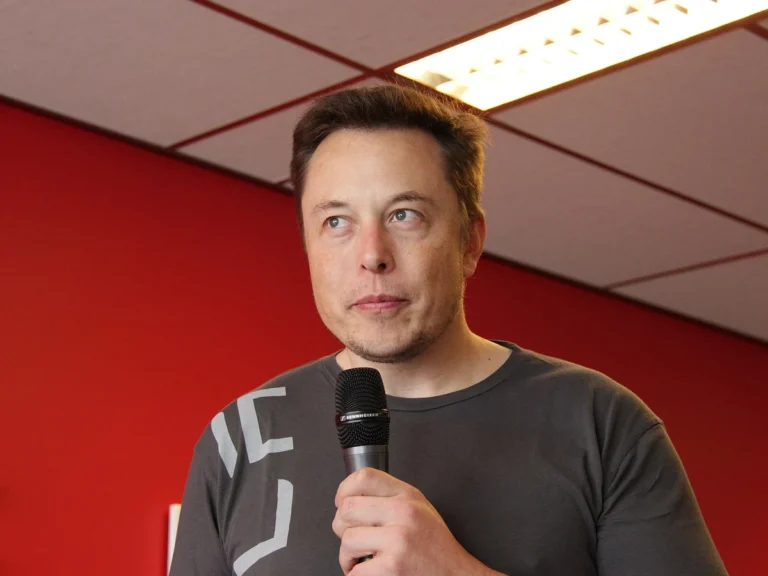

The newly released global wealth rankings indexing the world’s richest people 2025-2026 by Forbes signal the most profound structural realignment of private capital in modern history. The multi-decade supremacy of European luxury conglomerates and traditional retail magnates has unraveled. In their place, the architects of physical silicon, autonomous robotics, and foundational AI models have seized global supremacy, led by Elon Musk, whose soaring net worth is tracking directly toward the historic milestone of one trillion dollars.
The Trillionaire Trajectory: How Elon Musk Left Rivals Behind
Financial research firm Informa Connect Academy published a landmark analytical model corroborated by Forbes Real-Time data: Elon Musk is positioned to become humanity’s first official dollar trillionaire by late 2027, propelled by an unprecedented compound annual net-worth growth rate exceeding 110%. Unlike conventional billionaires tethered to single mature corporate vehicles, Musk’s capital conglomerate commands vital strategic nodes of the future real economy.
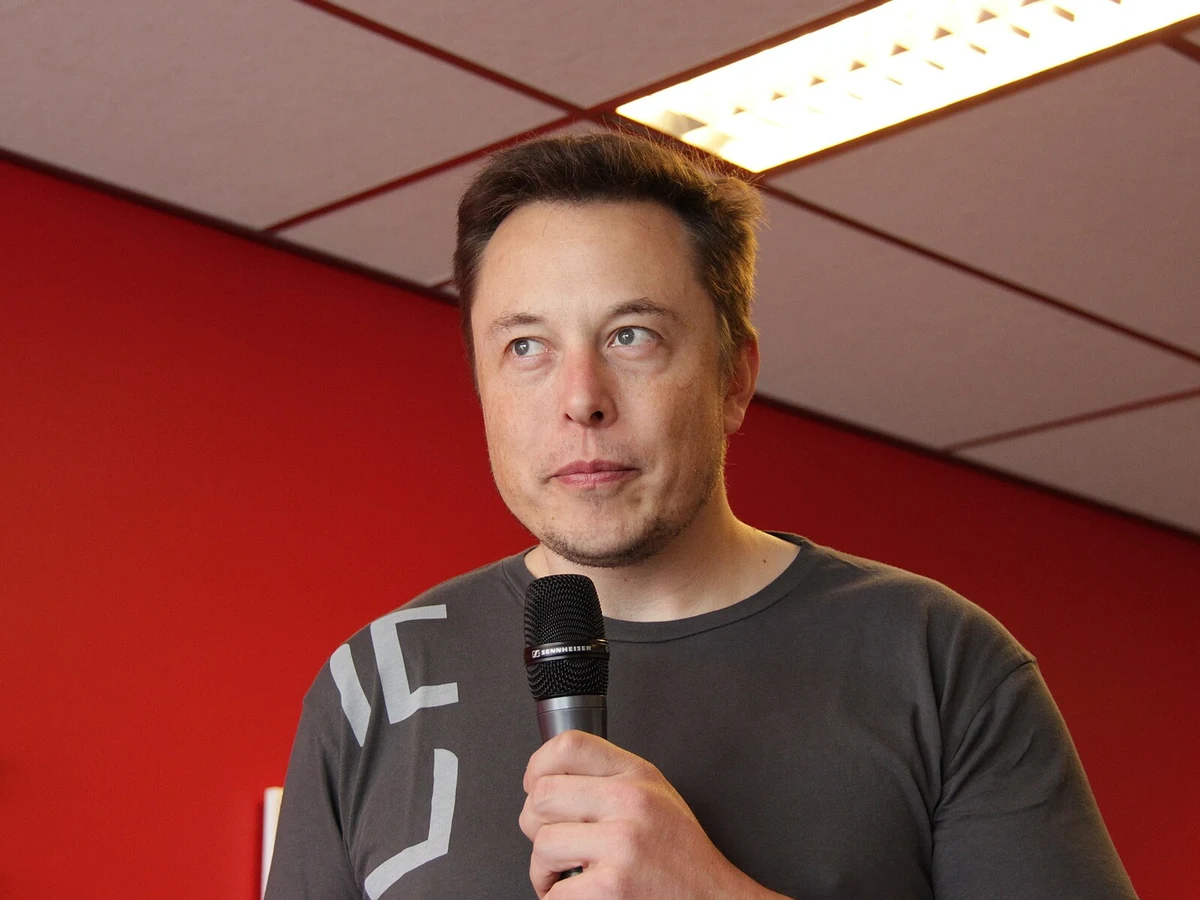
SpaceX serves as the principal foundation for this unprecedented wealth accumulation. With the Starship super-heavy launch architecture transitioning into regular operational cadence and Starlink Direct-to-Cell cellular constellation contracts deploying worldwide, secondary market valuations for SpaceX have breached $250 billion. Concurrently, Musk’s artificial intelligence venture, xAI, attained a $50 billion valuation following the rapid commissioning of its Colossus gigawatt training cluster in Memphis.
Tesla shares have simultaneously undergone an aggressive multiple re-rating: Wall Street analysts increasingly model Tesla not as an electric automaker, but as an embodied physical AI titan through the commercial deployment of unsupervised Full Self-Driving (FSD) and the production ramp of the Cybercab robotaxi platform.
This extraordinary wealth divergence confirms broader macro-trends: as documented in our examination of how modern wealth creation decouples from traditional aristocratic assets, ultimate capital concentration now belongs to those commanding foundational compute infrastructure.
The Silicon Hegemony: Jensen Huang’s Historic Ascent at Nvidia
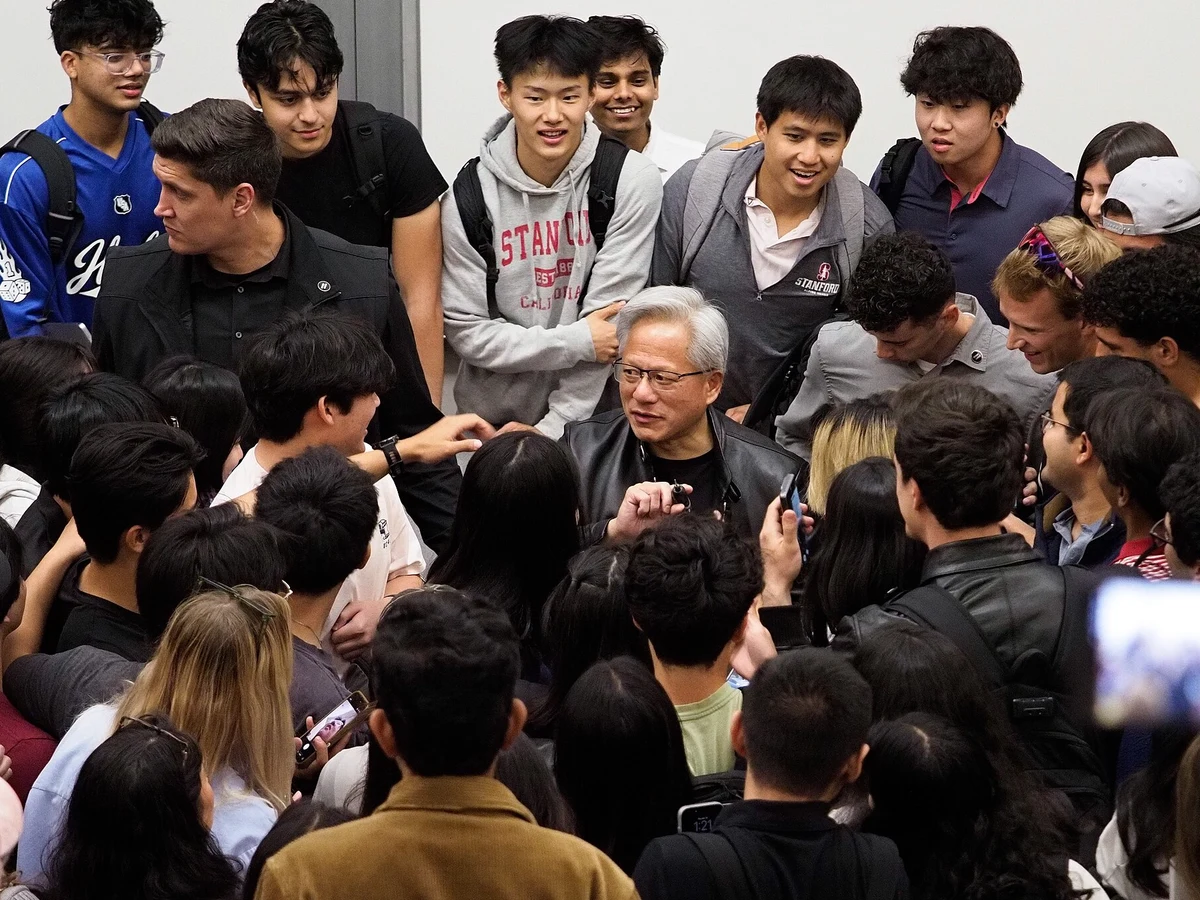
The most explosive personal balance-sheet expansion in contemporary financial history belongs to Nvidia co-founder and Chief Executive Officer Jensen Huang. Just five years ago, Huang commanded a modest net worth of approximately $4 billion. Today, his personal fortune has decisively eclipsed $150 billion, cementing the leather-jacket-clad engineer among the topmost echelons of global wealth.
Nvidia’s market capitalization, surpassing $3.5 trillion, briefly elevated it above Apple and Microsoft as the most valuable corporate entity in existence. Huang holds approximately 3.5% of Nvidia’s equity, yet his geopolitical influence dwarfs his direct shareholding: Nvidia commands an estimated 85% to 90% market share across accelerated computing hardware for frontier machine learning training.
The worldwide rollout of Nvidia’s Blackwell and Rubin architectures—featuring integrated liquid-cooling interconnects and extreme compute density—has secured multi-year sovereign and enterprise procurement backlogs, guaranteeing Huang’s status as the indispensable hardware gatekeeper of the cognitive era.
«Money has no inherent utility. In the final analysis, wealth is simply an information database for capital and resource allocation. If you prove that you can allocate societal capital more effectively than governments or bureaucratic institutions, society grants you custody over greater resources.»
Elon Musk, CEO of Tesla and SpaceX
The Cloud Renaissance: Larry Ellison and Mark Zuckerberg
An equally startling resurgence unfolded for 81-year-old Oracle founder Larry Ellison. Over the past twelve months, Ellison added more than $65 billion to his net worth, driven by Oracle Cloud Infrastructure’s (OCI) targeted reinvention as the premier low-latency compute substrate for artificial intelligence hyperscalers.
Massive multi-billion-dollar capacity agreements with OpenAI, Microsoft, and Google transformed Oracle into an essential escape valve for compute-constrained AI laboratories. Consequently, Oracle equity reached historic all-time highs, propelling Ellison to the number three position globally.
Concurrently, Meta Chief Executive Mark Zuckerberg executed a remarkable personal wealth turnaround. By prioritizing open-source AI leadership through the Llama model weights, deploying machine learning algorithms across Instagram advertising, and generating organic momentum with Ray-Ban Meta smart glasses, Zuckerberg expanded his personal net worth to $200 billion.
The convergence of SpaceX ($250B), Starship, xAI Colossus supercluster, and Tesla’s embodied AI robotaxi rollout.
Nvidia’s market cap surpassing $3.5T, granting near-monopoly control over accelerated Blackwell hardware.
Oracle Cloud Infrastructure transforming into the essential high-throughput backend for frontier AI labs.
Bernard Arnault’s LVMH empire experiencing multi-billion-dollar drawdowns as consumer capital shifts to tech.
The Luxury Retraction: Why Bernard Arnault Lost the Crown
The definitive casualty of this global wealth rebalancing has been French luxury titan Bernard Arnault, the controlling shareholder of LVMH Moët Hennessy Louis Vuitton. Having previously dominated the Forbes ranking with a peak net worth of $220 billion, Arnault experienced a dramatic drawdown approaching $40 billion, dropping him into the lower half of the global top ten.
The catalyst for this luxury contraction was a severe retrenchment across Chinese consumer markets alongside shifting aspirational habits among Gen Z and millennial demographics. High-net-worth capital is increasingly redirected toward spatial computing hardware, longevity biotechnology, and technological equity rather than $10,000 monogrammed leather accessories.
This changing of the guard decisively illustrates the triumph of the silicon and compute economy over European heritage luxury: sustainable wealth in the late 2020s is minted by micro-transistors and algorithmic weights, not luxury luggage.
- Elon Musk leads the world ranking by an unprecedented margin of over $150 billion above the runner-up.
- 8 out of the top 10 richest individuals globally derive their wealth directly from compute, AI, and cloud technology.
- Jensen Huang achieved the fastest wealth accumulation rate in recorded financial history (+85% in 12 months).
- Legacy European luxury and retail conglomerates have permanently relinquished global capital dominance.
The 2026–2027 Horizon: Frontiers Minting the Next 100-Billion-Dollar Fortunes
Financial strategists identify three emergent industries primed to forge the next wave of mega-billionaires over the coming two years. The foremost vertical is bipedal humanoid robotics: platforms developed by Figure AI and Tesla Robotics possess the potential to unlock a multi-trillion-dollar addressable market by automating manual industrial labor.
The second domain is private nuclear fission and fusion power, where founder-led startups are aggregating vast venture syndicates to construct autonomous behind-the-meter microreactors. The third pillar resides in longevity biotechnology and CRISPR precision gene therapeutics, promising unprecedented market capitalization by fundamentally extending healthy human lifespan.
The preeminent capitalists of tomorrow will not be Wall Street financial engineers, but visionary technical founders who successfully bridge deep physics, complex robotics, and global manufacturing supply chains.