



Millions of health enthusiasts worldwide have toyed with the idea of adopting morning ice baths or frigid rinses, yet the overwhelming majority abandon the ritual within days due to intense physical discomfort. But what genuinely happens inside human physiology when an individual pushes past the initial two-week barrier and commits to three continuous months? A landmark behavioral and physiological trial conducted by researchers at the University of Basel in Switzerland across more than 700 volunteers has confirmed that the cold showers benefits health experiment is no placebo: finishing daily showers with cold water cuts illness-related work absence by nearly a third, elevates baseline dopamine, and stimulates non-shivering thermogenesis.
Experimental Methodology: 12 Weeks of Controlled Thermal Exposure
Scientific inquiry into voluntary cold-water exposure has gained substantial rigor thanks to the doctoral dissertation research led by health psychologist Lena Glaser at the University of Basel. Synthesizing data from three coordinated randomized intervention trials involving 719 adult participants, Glaser evaluated the health and habit-formation kinetics of daily cold showering over a 12-week intervention window.
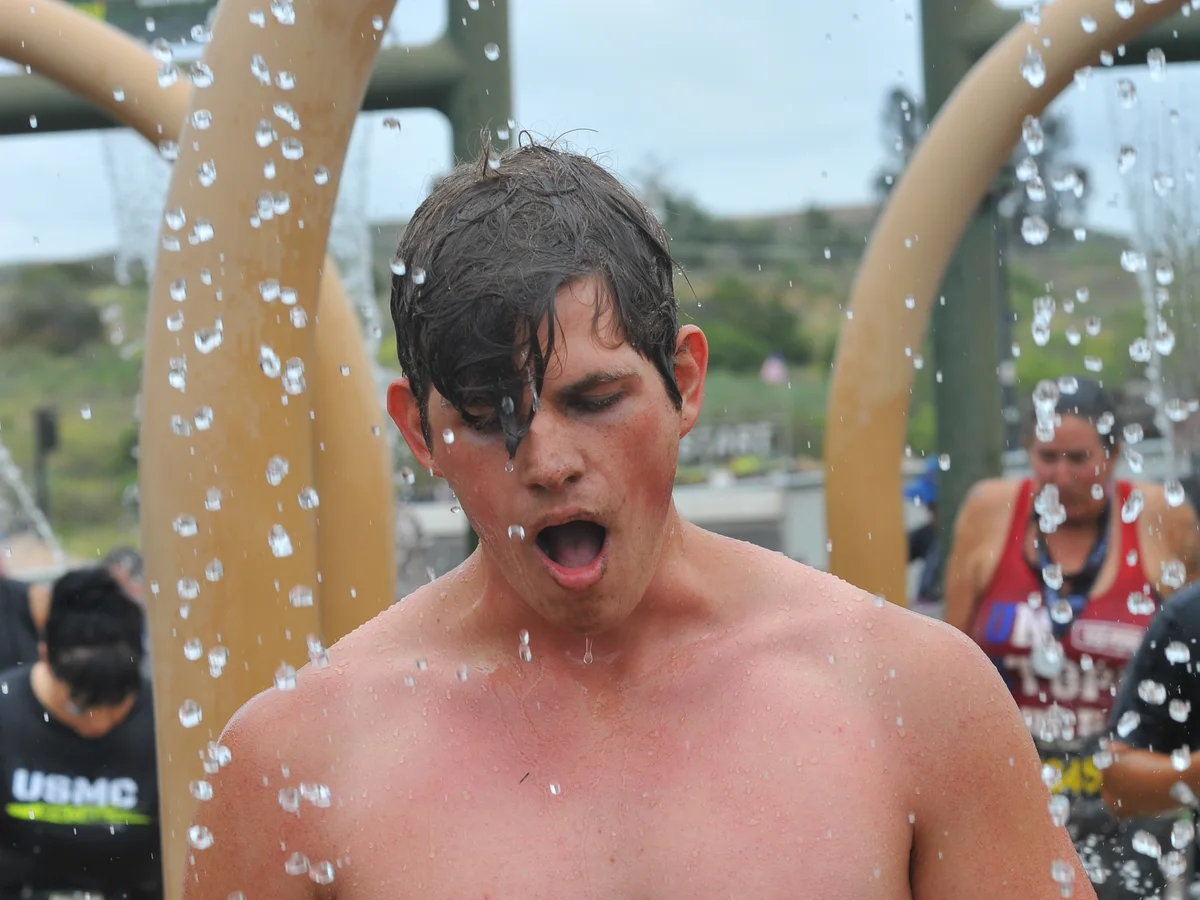
Volunteers were allocated into distinct protocols: a control cohort maintained their standard heated shower routines, while intervention cohorts completed their regular showers with a cold rinse (water temperature maintained between 10 °C and 12 °C) lasting between 30 and 90 seconds.
Over twelve consecutive weeks, investigators tracked daily symptom diaries, psychological stress scales, workplace absenteeism, and household utility metrics, reflecting principles established in vascular adaptation under physiological stressors.
The compiled dataset yielded compelling conclusions: individuals who routinely completed their showers with cold water reported 31% fewer days off work due to illness compared to warm-shower controls, alongside a 26% overall decrease in self-reported symptomatic illness days.
These findings reinforce and expand upon the seminal 2016 Dutch clinical trial conducted by Dr. Geert A. Buijze and colleagues, published in PLOS ONE (PLOS ONE, 2016), which observed a 29% reduction in sickness-related work absenteeism among 3,018 randomized participants.
Neurochemical Shock Cascade: Norepinephrine and Dopaminergic Elevation
The physiological cascade initiated the moment cold water strikes the skin is intense and rapid, known clinically as the cold shock response. Cutaneous thermoreceptors fire rapid-sequence action potentials to the preoptic area of the hypothalamus, instigating immediate sympathetic nervous system activation.
Peripheral cutaneous arterioles undergo pronounced vasoconstriction, shunting blood volume inward to preserve core visceral perfusion in the thoracic cavity. Concurrently, systemic blood pressure temporarily rises, respiratory frequency deepens, and the adrenal medulla releases a substantial bolus of catecholamines, principally adrenaline and norepinephrine.
However, the most profound psychological alteration involves dopamine—the central neuromodulator governing drive, focused attention, and executive motivation. Neurobiological studies reveal that cold exposure triggers an extraordinary, sustained elevation in circulating dopamine concentrations of approximately 250%.
Crucially, unlike pharmacological stimulants or refined sugars that precipitate transient dopaminergic spikes followed by depressive crashes below baseline, cold shock raises dopamine concentrations steadily, maintaining an elevated plateau for three to four hours. This sustained neurochemical state explains the prolonged mental clarity and invigoration directly linked to neurochemical surges in dopamine.
Norepinephrine concentrations, which can increase by over 300% to 500% during cold immersion, function as potent endogenous anti-inflammatory regulators, suppressing pro-inflammatory cytokines such as TNF-alpha and interleukin-6.
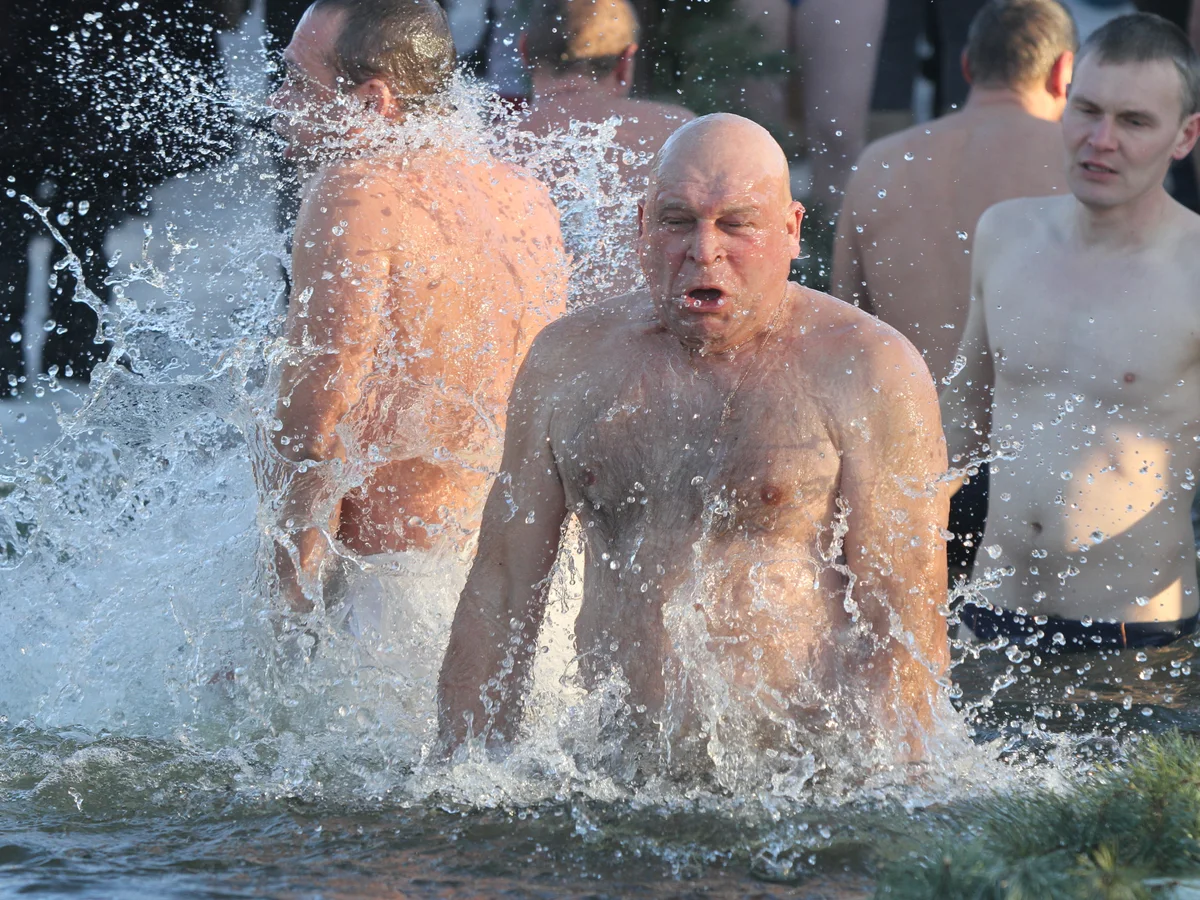
«Our longitudinal trials revealed a profound psychological threshold: the highest rate of attrition occurs strictly during the first fourteen days. However, participants who persisted past this two-week window underwent significant cellular and behavioral acclimation. They not only maintained compliance rates above 85%, but also exhibited a verified 31% reduction in absenteeism attributed to common respiratory illnesses.»
Dr. Lena Glaser, Health Psychologist and Lead Investigator at the University of Basel
Immunological Conditioning and Brown Adipose Tissue Thermogenesis
How does a 60-second burst of cold water translate into fewer respiratory infections? The biological explanation rests on the principle of hormesis: an adaptive biological response whereby sub-lethal, intermittent stressors condition cellular resilience against pathogenic insults.
Acute cold exposure stimulates the mobilization and proliferation of circulating leukocytes, granulocytes, and natural killer (NK) cells. Moreover, alternating cycles of rapid vasoconstriction and reactive post-shower vasodilation act as vascular calisthenics, enhancing microvascular compliance and lymphatic drainage.
Another fundamental metabolic consequence is the activation of brown adipose tissue (BAT). Unlike common white adipose tissue, which stores excess triglycerides, brown fat is densely packed with iron-rich mitochondria expressing uncoupling protein 1 (UCP1). UCP1 uncouples oxidative phosphorylation, dissipating proton gradients directly as metabolic heat.
In adult humans, residual depots of brown fat situated around the cervical spine and clavicles are stimulated by cold shock, promoting the browning of white adipocytes into metabolically active beige fat cells, thereby enhancing insulin sensitivity and baseline thermogenesis.
The 12-week trial demonstrated a statistically verified reduction in illness-related workplace absences from seasonal infections.
Acute cold water exposure generates a steady, long-lasting 2.5-fold elevation in dopamine without subsequent depressive crashes.
Thermal stress stimulates mitochondrial uncoupling protein 1 (UCP1), accelerating non-shivering caloric thermogenesis.
Psychological dread and dropout rates plummet after two weeks, cementing long-term adherence rates above 80%.
Habit Formation Dynamics: Overcoming the Critical 14-Day Plateau
Perhaps the most valuable behavioral contribution of Dr. Glaser’s dissertation lies in its granular analysis of habit retention. Adopting a lifestyle intervention that involves voluntary physical discomfort inevitably contends with substantial cognitive resistance.
Glaser observed that study attrition clustered almost entirely within the first fourteen days. During these initial two weeks, participants experienced acute psychological dread prior to stepping under the cold stream. However, past day 14, physiological thermal acclimation took hold: the cutaneous gasp reflex diminished, and sympathetic over-reactivity subsided.
From week 3 through week 12, adherence stabilized at an impressive 77% to 90% across cohorts. The human nervous system successfully rewired its perception of the cold stimulus, linking the brief physical shock with the inevitable, highly rewarding post-shower dopaminergic glow.
- A 12-week trial involving 719 participants documented a 26% to 31% reduction in self-reported illness days.
- Cold showers do not kill viruses directly, but enhance cellular immunocompetence and mitigate symptom severity.
- Dopamine and norepinephrine levels rise significantly, maintaining an elevated plateau for 3 to 4 hours post-exposure.
- Repeated exposure stimulates the conversion of white adipocytes into metabolically active beige fat tissue.
- Patients with uncontrolled cardiovascular conditions or cardiac arrhythmias must avoid sudden cold shock due to acute vasoconstriction.
Environmental Footprint and Household Financial Dividends
Beyond measurable clinical improvements, the University of Basel trial quantified the ancillary ecological benefits of curtailed domestic water heating. Domestic hot water production accounts for 15% to 25% of total residential energy consumption in developed nations, generating a major portion of domestic greenhouse gas emissions.
Shifting the final minute of every shower to cold water substantially decreases household gas and electricity consumption. Scaled across municipal populations, widespread adoption of cold-water rinses could eliminate megatons of carbon emissions annually while trimming residential utility expenditures.
Cold showering thus emerges as an exceptionally cost-effective health intervention: requiring zero financial capital or bespoke supplements, it invigorates immunological defenses, optimizes neurochemistry, enhances metabolic efficiency, and contributes meaningfully to environmental sustainability.