

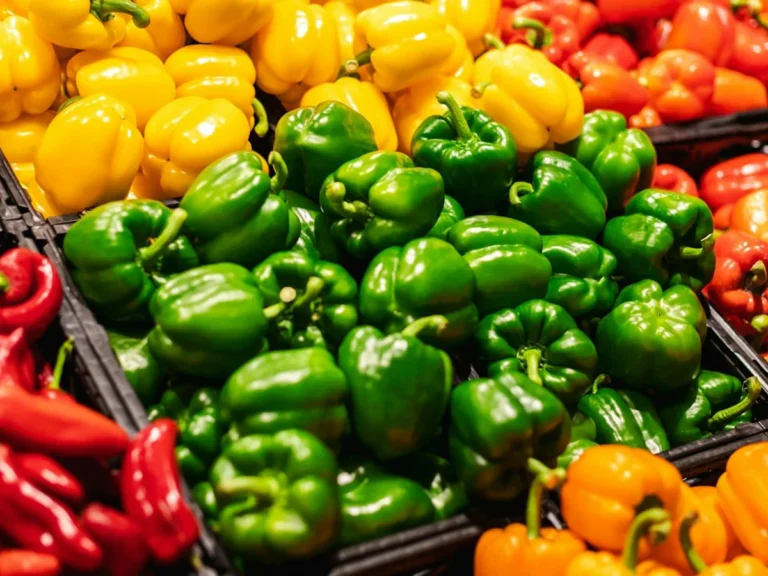

The critical difference between green, yellow and red capsicums is not a matter of distinct plant species: food scientists and plant biochemists reveal that vine-ripening triples Vitamin C content, dismantles chlorophyll, synthesizes rare carotenoid antioxidants, and transforms a firm bitter berry into a naturally sweet nutritional powerhouse.
Botanical Berry Classification: Why Capsicums Are Fruits, Not Vegetables
Known internationally as bell peppers, sweet peppers, or paprika, capsicums belong to the nightshade family (Solanaceae), sharing a genetic lineage with tomatoes, eggplants, and potatoes. While culinary tradition categorizes capsicums as savory vegetables due to their prominent role in cooked entrées and low sugar content in unripe stages, strict botanical morphology identifies the capsicum as a fleshy, many-seeded berry derived from a single ovary.
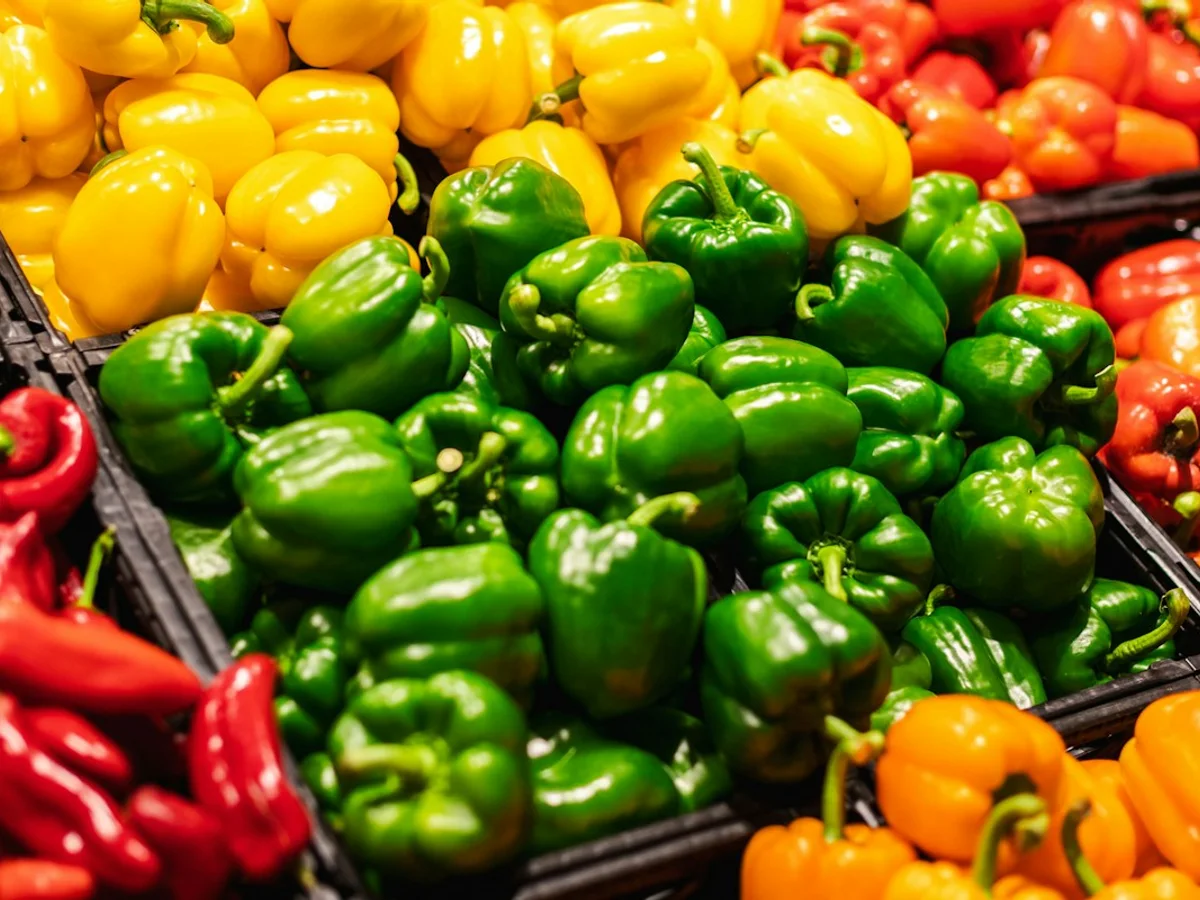
Originating in the tropical and sub-tropical regions of Central and South America, wild capsicum varieties were domesticated millennia ago before spreading across the globe following the Columbian exchange. Readers interested in agricultural origins can explore our analysis of the botanical origins of pepper species to understand how wild ancestral berries evolved into today’s large, sweet cultivars.
As documented in an authoritative scientific analysis published in The Conversation by food biochemists Dr. Rachel Kelly (Rachel Kelly) and Dr. Joel Johnson (Joel Johnson) of CQUniversity Australia, the multicolored spectrum of capsicums sold in modern produce aisles almost exclusively derives from a single botanical species: Capsicum annuum, captured at progressive chronological stages of biological maturity.
Ripening Chronology: From Chlorophyll Breakdown to Carotenoid Pigmentation
The foundational secret of pepper coloration is that almost every commercial capsicum begins its existence green. Green capsicums are simply immature, unripened fruit. Their emerald appearance is driven by abundant concentrations of photosynthetic chlorophyll pigments (a and b), actively capturing solar radiation to fuel initial structural development.
When the capsicum remains attached to the maternal vine under continuous sunlight, an orchestrated metabolic cascade commences. Chloroplasts within the fruit wall transition into specialized storage organelles called chromoplasts. Chlorophyll degradation unfolds simultaneously with the rapid enzymatic synthesis of lipid-soluble carotenoid pigments:
Yellow capsicums develop their radiant shade primarily through the accumulation of lutein and violaxanthin. As ripening progresses to orange, alpha- and beta-carotene concentrations rise significantly. Ultimately, at total physiological maturity, red capsicums synthesize unique keto-carotenoids known as capsanthin and capsorubin, which generate the deep ruby hue and deliver exceptional free-radical scavenging capacity.
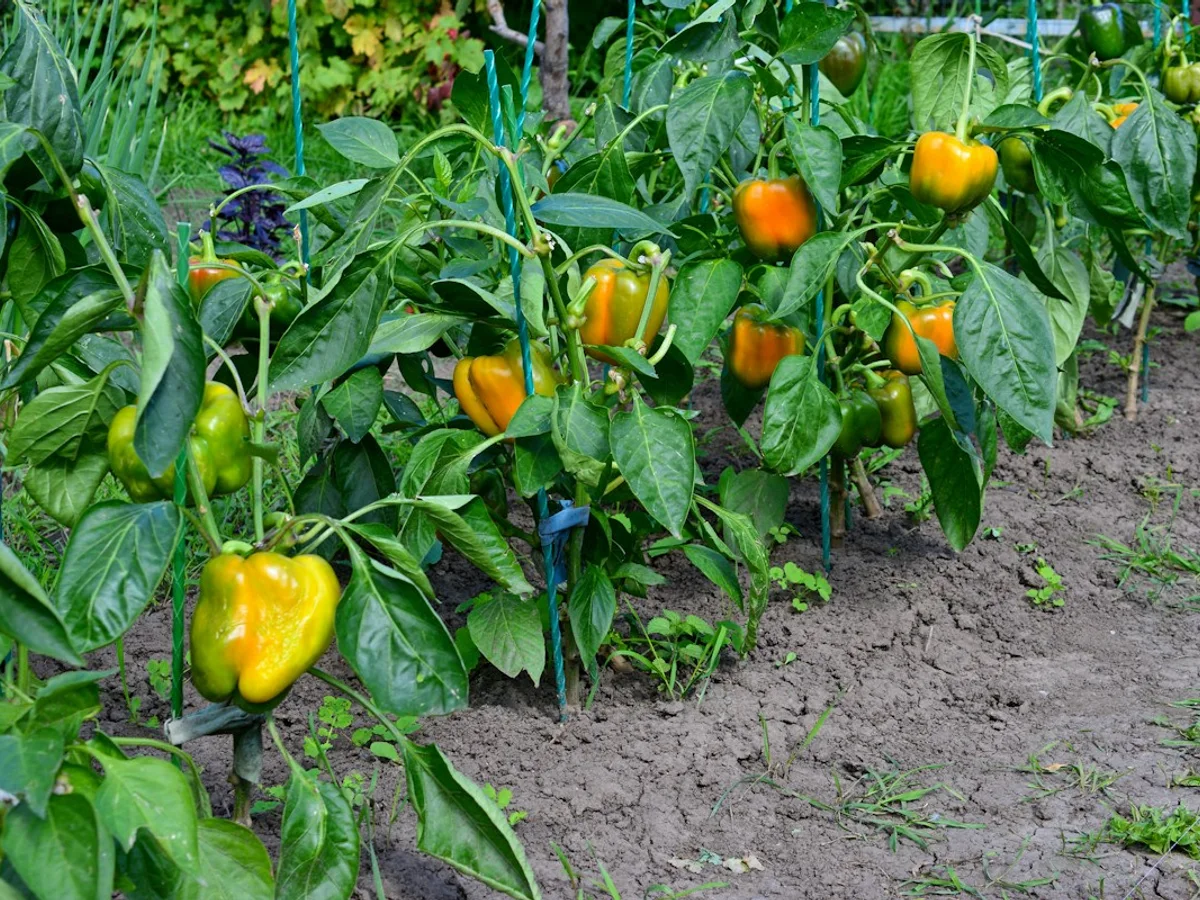
«The transition from green to red capsicum represents a profound physiological transformation. Sugars double, ascorbic acid multiplies threefold, and the total antioxidant capacity reaches its absolute biological peak.»
Dr. Rachel Kelly (Dr. Rachel Kelly), Food Biochemist, CQUniversity (Australia)
Nutritional Shift and the Difference Between Green, Yellow and Red Capsicums
The developmental journey from green to red dramatically enhances the nutritional density of the fruit. Most notably, ascorbic acid (Vitamin C) nearly triples during the final ripening phase. A standard 100-gram serving of raw red capsicum provides between 140 and 190 milligrams of Vitamin C—representing more than 200% of the recommended daily intake for an adult and substantially outperforming oranges, lemons, and strawberries.
Simultaneously, concentrations of beta-carotene (the essential dietary precursor to Vitamin A) surge up to tenfold in mature red specimens relative to immature green peppers. This massive carotenoid reserve actively promotes ocular health, bolsters mucosal immune barriers, and stimulates collagen biosynthesis.
Flavor profiles undergo an equally profound evolution. Green capsicums possess higher levels of organic acids alongside aromatic alkylmethoxypyrazines, which impart a clean, herbaceous, and slightly astringent bitterness. During the final weeks on the vine, complex carbohydrates hydrolyze into accessible glucose and fructose, resulting in the lush, juicy sweetness characteristic of yellow, orange, and red peppers.
Red ripe capsicums contain nearly three times the Vitamin C of green ones, significantly surpassing citrus fruits with over 200% of daily adult requirements.
As ripening unfolds, green chlorophyll degrades to reveal yellow lutein, orange beta-carotene, and ultimately ruby capsanthin antioxidants.
Unripe green peppers carry herbaceous pyrazine bitterness, whereas fully ripened red and yellow specimens accumulate natural fructose and glucose.
Red peppers cost more due to requiring 3-4 extra weeks on the vine, demanding increased irrigation and greater pest protection before harvest.
The Scoville Anomaly: Why Sweet Bell Peppers Carry Zero Heat
Consumers frequently wonder why bell capsicums, despite sharing genus Capsicum with blistering jalapeños, habaneros, and ghost peppers, produce no burning sensation on the tongue. The answer lies in a naturally occurring recessive genetic mutation in the Pun1 locus.
This genetic variation inhibits the enzymatic function of capsaicinoid synthase, completely halting the production of capsaicin. Consequently, bell capsicums register a flat 0 on the Scoville Heat Unit (SHU) scale, enabling individuals with sensitive digestive tracts to consume large volumes of dense antioxidants without gastrointestinal irritation.
Beyond the classic traffic-light spectrum, modern horticulture has generated purple and dark chocolate cultivars. Purple varieties produce elevated levels of water-soluble anthocyanins that offer cardiovascular protection, while chocolate cultivars preserve a balanced combination of residual chlorophyll and concentrated red capsanthin.
- Single Species: Green, yellow, and red capsicums are developmental maturity stages of Capsicum annuum berries.
- Immunity Shield: Half a red capsicum completely fulfills an adult’s daily recommended Vitamin C intake.
- Zero Scoville Heat: A recessive mutation in the Pun1 gene prevents any synthesis of capsaicin, ensuring 0 SHU.
- Retinal Protection: Yellow capsicums are exceptionally rich in lutein and zeaxanthin, shielding vision from blue light.
- Cooking Optimization: Green varieties hold structural crunch in wok stir-fries; red varieties excel in roasting and paprika.
Culinary Strategies and Economic Realities: Why Red Costs More
The noticeable price premium commanded by yellow, orange, and red capsicums over green varieties is directly governed by agricultural overhead. Transitioning a green fruit into a fully ripened red specimen requires an additional two to four weeks of vine attachment. This extended growth window requires prolonged drip irrigation, fertilizer application, and heightened vulnerability to weather damage, hail, pest infestation, and fungal rot.
In gastronomy, each color profile serves a tailored functional purpose. Crisp green capsicums, possessing sturdy cellular walls, excel under intense heat applications—such as cast-iron stir-fries, fajitas, and slow-simmered ratatouille—where they retain firm texture and contribute refreshing herbal sharpness. Juicy yellow and orange peppers are optimal for raw summer salads, gazpacho, and crudité platters.
Sweet red capsicums reign supreme in roasting, puréed sauces like Spanish romesco, and stuffed oven bakes. Furthermore, dehydrated and finely ground red capsicums constitute sweet paprika, a foundational global spice. Incorporating a tricolor assortment into daily cooking ensures both a visually captivating plate and a diverse spectrum of life-extending phytonutrients.