

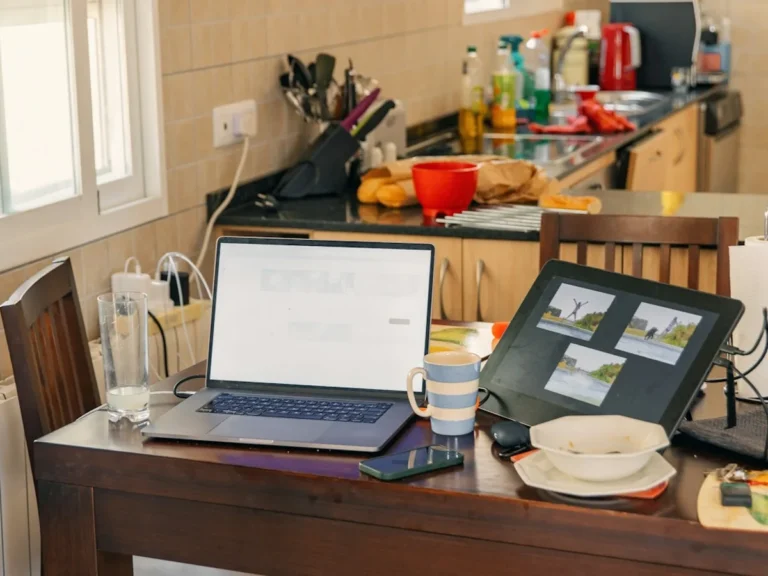

The proven upside of untidiness is reshaping modern sociology: groundbreaking research into family homes reveals that despite the minimalist gospel of Marie Kondo (Marie Kondo), moderate clutter, open drop zones, and lived-in spaces are essential cognitive tools that relieve daily domestic stress and foster genuine household intimacy.
Minimalist Dogma vs Living Reality: The Einstein Clutter Paradox
For more than a decade, lifestyle media and interior design influencers have promoted the gospel of extreme domestic minimalism. The runaway success of Marie Kondo (Marie Kondo) and her «KonMari» decluttering philosophy—advocating that homeowners systematically purge any possession that fails to «spark joy»—turned clinical tidiness into a moral virtue. Yet beneath the curated photographs of bare kitchen counters and vacuumed carpets lies an epidemic of parental guilt, marital friction, and domestic anxiety.
Standing in defiant contrast to this minimalist purism is a celebrated observation frequently attributed to Albert Einstein (Albert Einstein): «If a cluttered desk is a sign of a cluttered mind, of what, then, is an empty desk a sign?» Today, that witty defense of creative disorganization has received rigorous academic validation through new research published in The Conversation by Dr. Grace Clare (Grace Clare), Lecturer in Sociology at the University of Otago in New Zealand.
Studying 22 diverse households across New Zealand, Dr. Clare explored how families actually navigate physical space during their daily routines. Her findings challenge the conventional orthodoxy that domestic mess represents a moral failure or a symptom of poor organization. Instead, moderate household untidiness emerged as a highly functional, adaptive mechanism that keeps busy households operating smoothly.
Strategic Drop Zones: How Visible Clutter Conserves Cognitive Energy
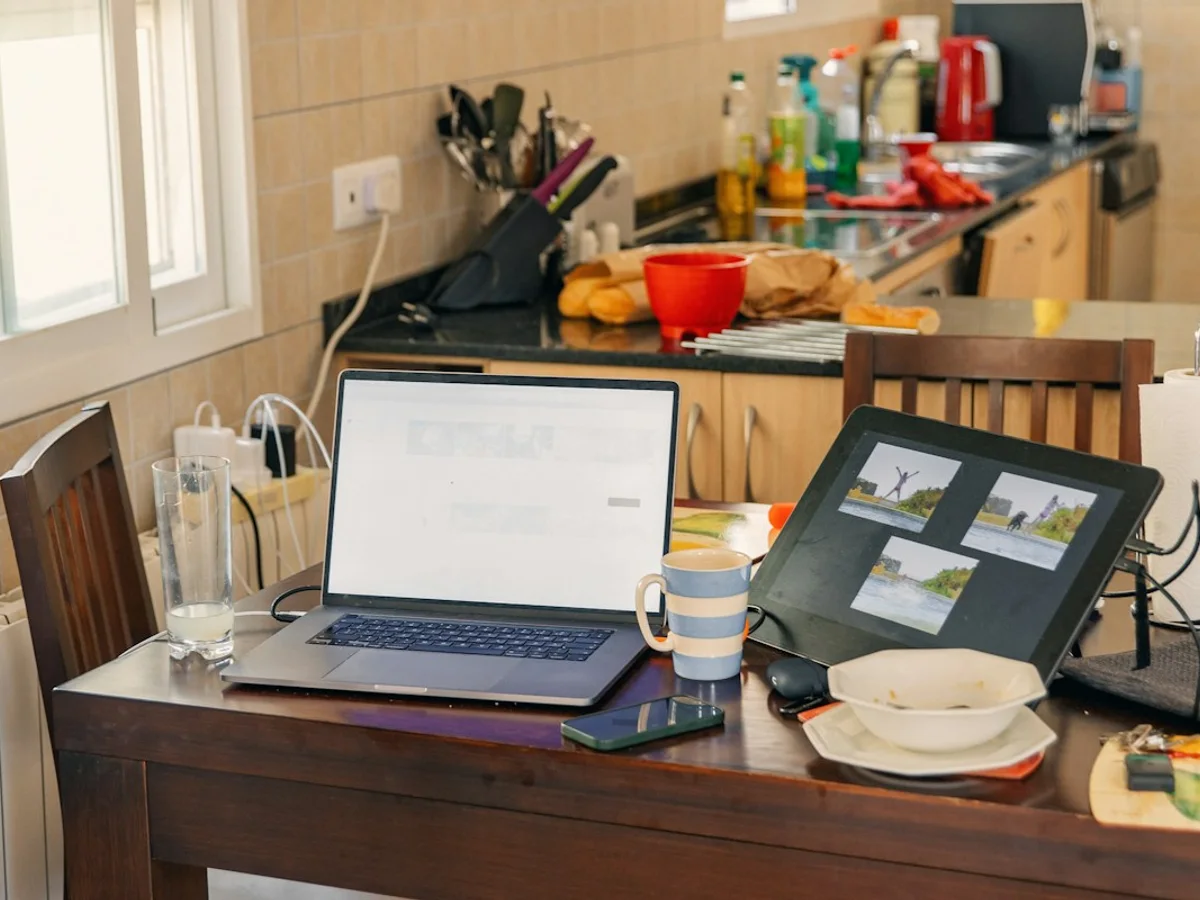
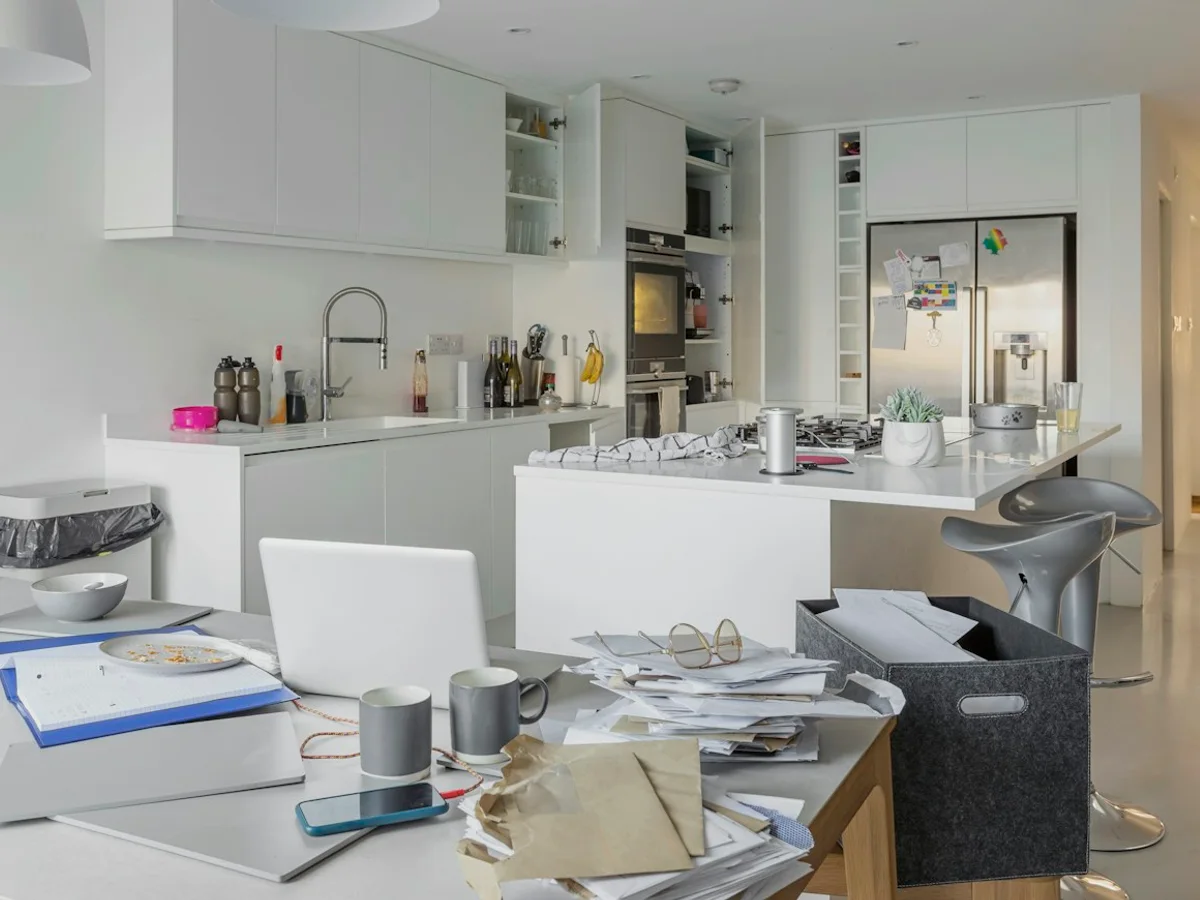
A central discovery of the Otago study is the vital operational role of «drop zones» within modern residences. In nearly every home, certain flat horizontal surfaces—such as dining room tables, kitchen islands, hallway sideboards, or bedroom armchairs—spontaneously collect everyday items: school bags, water bottles, car keys, unopened correspondence, work laptops, and phone chargers.
Rather than reflecting laziness, these piles serve as active external memory cues. Leaving a prescription bottle or a sports water bottle in plain sight on the kitchen bench ensures that children take their medicine or pack their hydration gear before walking out the door. Banishing these items into concealed cupboards drains limited working memory, forcing family members to expend precious cognitive energy remembering where vital items were hidden.
When a dining table serves as an active drop zone during busy daylight hours and is only cleared before an evening communal meal, it operates as an essential domestic buffer. Striving to eliminate these visual cues in pursuit of catalog perfection generates unnecessary psychological friction.
«Clutter is not a symptom of domestic mismanagement. It is tangible evidence that life is actively happening, relationships are unfolding, and the home is serving its inhabitants rather than the sterile expectations of a catalog.»
Dr. Grace Clare (Dr. Grace Clare), Lecturer in Sociology, University of Otago (New Zealand)
The Upside of Untidiness for Child Development and Spontaneous Bonding
Beyond practical routines, domestic layout directly shapes emotional climate. In hyper-curated, immaculate residences, children often experience persistent anxiety regarding accidental spills, scuffed surfaces, or leaving toys on the floor, which suppresses exploratory play and creative experimentation.
This dynamic mirrors findings from scientific studies on clutter and creative cognition conducted at the University of Minnesota, which demonstrated that disorganized environments actively prompt minds to break conventional pathways and produce novel ideas. In a family residence, half-finished LEGO castles, open board games, and cushions strewn across the carpet establish a welcoming, non-judgmental environment for relaxed socialization.
When parents abandon the exhausting pressure of continuous tidying, household cortisol levels drop substantially. The home transforms from an impersonal museum showcase into an authentic psychological sanctuary where family members feel unconditionally accepted.
Visible drop zones serve as external memory aids, reducing the daily mental strain required to remember the location of essential everyday tools.
A forgiving environment eliminates fear of reprimand, encouraging children to engage in uninhibited art, storytelling, and imaginative problem-solving.
In compact urban housing, fluid clutter allows rooms to transition effortlessly between home offices, playrooms, and dining spaces without tidying burnout.
Ditching the pressure of constant tidiness eliminates a primary source of daily conflict between couples, prioritizing quality connection over spotless floors.
Multipurpose Domestic Spaces and the Urban Housing Reality
Dr. Clare’s sociological analysis also situates domestic clutter within contemporary economic realities. With rising urban property costs and shrinking architectural footprints, modern residences are forced to satisfy multiple conflicting functions simultaneously. A single living room must function as a children’s playroom by day, a remote corporate office in the afternoon, and an entertainment lounge at night.
Under such spatial compression, the accumulation of objects in transition is structurally inevitable. Demanding that a compact two-bedroom apartment adhere to the compartmentalized aesthetics of a sprawling country estate induces chronic domestic guilt. An ironing board left standing or art supplies left on a craft desk represent an ongoing flow of purposeful living.
Sociologists propose conceptualizing the home not as a static, finished «product» designed for external evaluation, but as an ongoing, iterative «process» that continuously adapts to the evolving needs of its occupants.
- Methodology: In-depth qualitative field research across 22 New Zealand homes led by Dr. Grace Clare.
- Drop Zones: Strategic collection areas that streamline morning departures and evening homecomings.
- Critique of KonMari: Hyper-minimalism imposes gendered emotional labor and unwarranted parental guilt.
- Home as Process: Residential spaces must be treated as flexible dynamic systems rather than static showrooms.
- Healthy Demarcation: Functional clutter is fundamentally distinct from unsanitary neglect and clinical hoarding.
Navigating the Boundary Between Lived-In Warmth and Pathological Hoarding
Importantly, sociological advocacy for lived-in homes does not endorse unsanitary neglect. There is an unmistakable boundary between functional, creative clutter and pathological hoarding. Sinks filled with decaying food waste, layers of unmanaged dust, and blocked exit routes present genuine health hazards, whereas stacks of beloved books, cozy throws draped across furniture, and children’s artwork represent a flourishing domestic life.
Dismantling the corrosive guilt associated with an imperfect residence remains the paramount takeaway of the Otago study. Families are encouraged to cultivate transparent communication regarding individual tolerance thresholds, establishing shared priorities that keep living spaces joyful rather than burdensome.
Recognizing that the true upside of untidiness lies in safeguarding mental peace and nurturing deeper familial relationships allows households everywhere to exhale. Homes exist to shelter human beings, not to satisfy the sterile algorithms of interior design feeds.