



A relaxing trip to the salon and shampooing over a ceramic basin can escalate into a critical neurological emergency: beauty parlour syndrome represents a rare but verified cause of vertebral artery dissection and ischemic stroke caused by neck hyperextension.
What Is Beauty Parlour Syndrome: History and Medical Discovery
Having your hair washed before a haircut or coloring session is widely regarded as a harmless, indulgent spa experience. However, vascular neurologists recognize a rare medical entity known as beauty parlour syndrome (also referred to as Beauty Parlour Stroke Syndrome or salon sink syndrome).
The syndrome was first brought to medical prominence in 1993 by American neurologist Dr. Michael Weintraub in a landmark paper published in the Journal of the American Medical Association (JAMA). Dr. Weintraub documented five female patients aged 54 to 84 who developed profound neurological symptoms—such as severe ataxia, facial paresthesia, and visual disturbances—shortly after having their hair washed in salon shampoo sinks.
Since Weintraub’s initial findings, numerous case reports have documented the condition across international medical journals, including instances affecting young, healthy individuals in their twenties and thirties. While the absolute statistical incidence is minuscule compared to the billions of safe salon visits completed annually, understanding the underlying biomechanics is crucial for stroke prevention.
Anatomical Vulnerability: Why the Vertebral Arteries Are at Risk
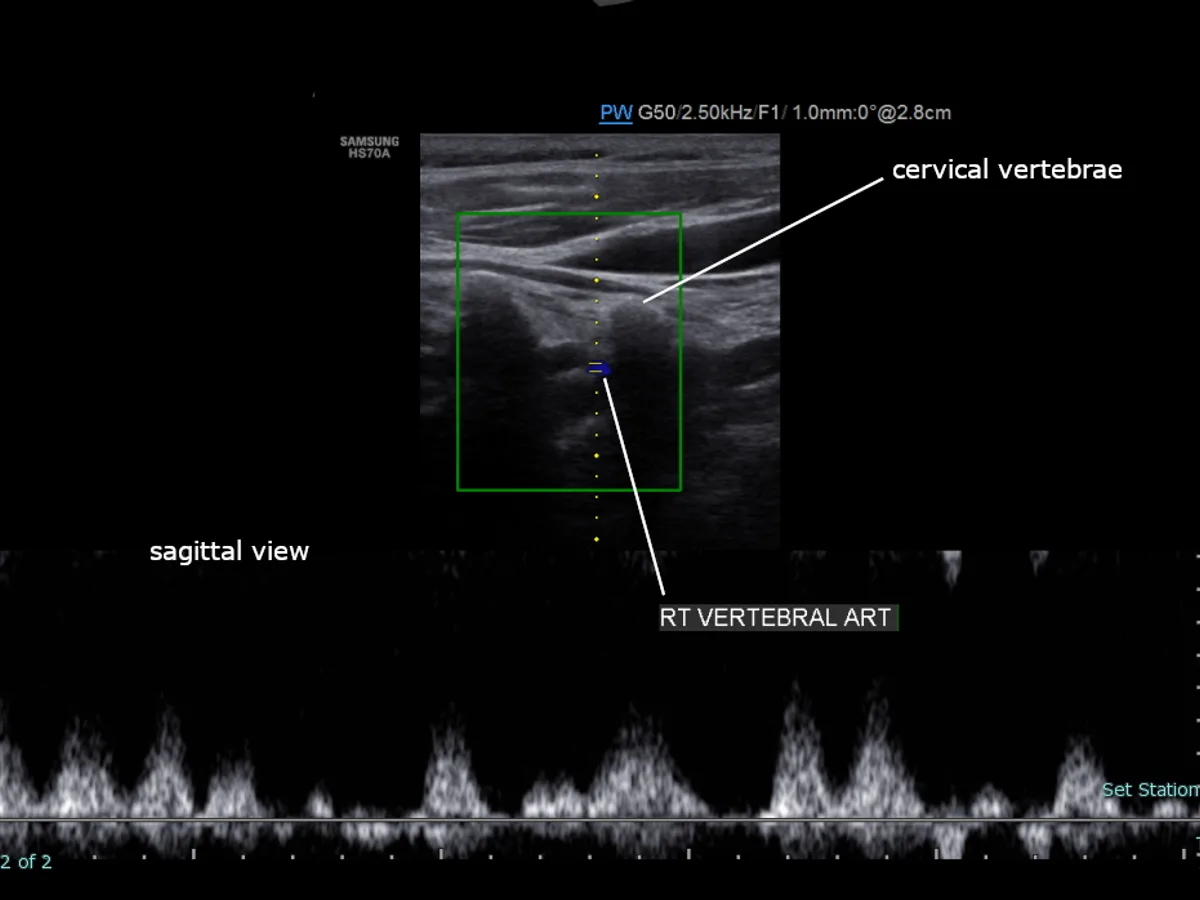
To comprehend how a routine hair wash can precipitate a cerebrovascular accident, one must examine the delicate vascular architecture supplying the human brain. Cerebral circulation is divided into two primary systems: the anterior circulation supplied by the carotid arteries, and the posterior circulation fed by the paired vertebral arteries.
The vertebral arteries originate from the subclavian arteries and ascend through small bony foramina within the transverse processes of the cervical vertebrae (C6 to C1). At the level of the first cervical vertebra (the atlas), the artery makes a dramatic series of sharp bends around the posterior arch before traversing the foramen magnum to merge into the basilar artery at the skull base.
This looping suboccipital segment is exceptionally vulnerable to mechanical traction. When an individual hyperextends their neck over the hard lip of a shampoo bowl and the stylist rotates their head to rinse the temples, the contralateral vertebral artery is stretched tightly against the bony atlas. This acute elongation and compression severely constricts arterial lumen diameter, precipitating transient vertebrobasilar insufficiency.
Vascular ultrasound studies indicate that over 60 percent of the general population possesses marked congenital asymmetry of the vertebral arteries, with one vessel being heavily dominant. If mechanical shear forces dissect this dominant conduit, collateral flow from the hypoplastic side is frequently insufficient to prevent profound cerebellar infarction.
«Prolonged hyperextension of the cervical spine over the rigid porcelain lip of a shampoo bowl compresses the vertebral artery within its bony canal, creating mechanical shear stress sufficient to tear the arterial intima.»
Dr. Michael Weintraub, MD, Clinical Professor of Neurology
The Cascade of Devastation: Intimal Tear and Thromboembolism
In more severe clinical presentations, mechanical stress transcends simple temporary flow reduction to cause an arterial dissection (vertebral artery dissection).
Arteries comprise three histological layers: the tunica intima, tunica media, and tunica adventitia. Under intense mechanical shear stress and focused focal pressure from a rigid basin rim, a tear develops in the delicate inner intima. High-pressure arterial blood forces its way between the layers, dissecting the vessel wall and creating an intramural hematoma.
The body identifies the exposed subendothelial collagen as a vascular injury, initiating plate aggregation and thrombus formation. Over the following hours or days, fragments of the clot (thromboemboli) can break loose into the basilar artery, lodging in cerebellar or posterior cerebral branches. This explains why stroke symptoms frequently manifest 24 to 72 hours after the salon appointment.
Tilting the head backward beyond 15–20 degrees pinches the vertebral artery against the bony transverse process of the atlas vertebra (C1).
Pressure from the sink rim causes micro-tears in the inner vessel lining, initiating thrombus formation in the vertebrobasilar circulation.
Vertigo, diplopia, ataxia, and facial numbness frequently appear hours or even days after leaving the salon rather than during the wash.
Placing thick gel cushions over the basin rim and adjusting chair height effectively reduce cervical hyperextension to zero risk.
Warning Signs of Posterior Circulation Ischemia
Because the vertebrobasilar territory supplies the cerebellum, brainstem, and occipital lobes, the symptoms of beauty parlour syndrome differ noticeably from typical middle cerebral artery strokes that produce unilateral facial droop and expressive aphasia.
Classic warning signs include acute, severe rotational vertigo, nausea, uncontrollable vomiting, unsteadiness while standing or walking (ataxia), double vision (diplopia), slurred speech (dysarthria), and sudden drop attacks where the legs buckle without loss of consciousness.
Recognizing these atypical symptoms promptly enables rapid emergency neuroimaging (CT angiography or MR angiography) and life-saving anticoagulation or thrombolytic therapy, paralleling the diagnostic vigilance required in extraordinary clinical anomalies and complex emergency medicine dilemmas.
- If you experience sudden tinnitus, acute lightheadedness, nausea, or tingling while having your hair washed, immediately ask the stylist to stop and sit upright.
- Elderly individuals and patients with cervical spondylosis or vascular atherosclerosis should strictly avoid extreme backward neck angles.
- Salons should routinely install contoured silicone neck rests on all washing basins to eliminate focused pressure on the cervical spine.
How to Stay Safe at the Salon: Ergonomic Prevention Tips
Despite the severity of a vertebral artery dissection, beauty parlour syndrome remains an exceptionally rare event, meaning there is no reason to forgo professional hair care. Simple, proactive ergonomic precautions eliminate the hazard completely.
First and foremost, your neck should never rest directly against hard porcelain or ceramic. Ensure your stylist uses a padded silicone neck rest or a thickly folded towel to cushion the suboccipital region. The height of the chair and the tilt of the sink basin should be adjusted so your neck does not hyperextend backward beyond a comfortable 15 degrees.
If you ever feel discomfort, straining, dizziness, or tingling while having your hair washed, speak up immediately and lift your head into a neutral position. For individuals with existing neck stiffness or cervical spondylosis, asking to have hair washed while leaning forward over the sink provides a completely safe, hyperextension-free alternative.