

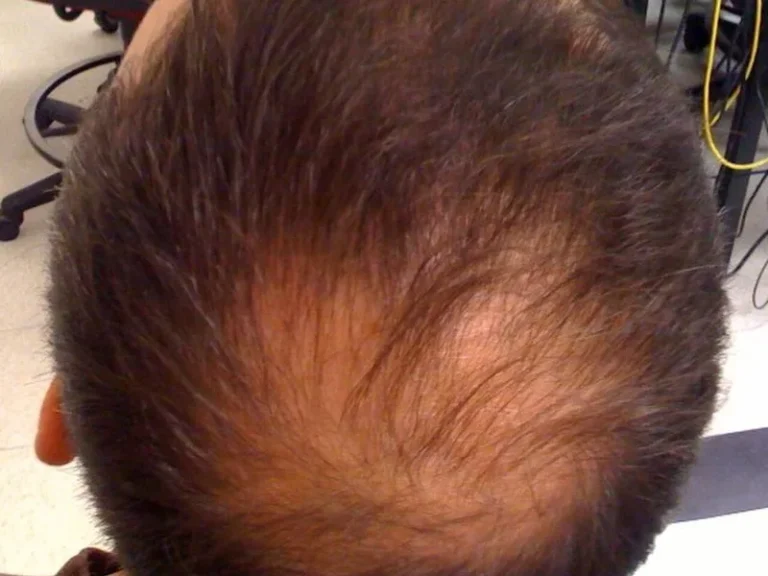

Male pattern baldness affects hundreds of millions of men globally, yet the pharmacological toolkit against hair loss has not seen a newly approved oral prescription medication in nearly three decades—since finasteride’s landmark clearance in 1997. Now, a new hair loss pill has taken a decisive stride toward commercial availability. Biopharmaceutical developer Veradermics announced overwhelmingly positive Phase 3 clinical trial results for its proprietary oral drug candidate, VDPHL01. In a rigorous, double-blind, placebo-controlled study involving 536 men, the extended-release formulation produced statistically significant hair density gains while maintaining a favorable cardiovascular safety profile.
The Decades-Long Stagnation in Hair Loss Therapeutics
Androgenetic alopecia, commonly known as male pattern hair loss, is characterized by progressive follicle miniaturization driven by dihydrotestosterone (DHT) binding to androgen receptors. For decades, the US Food and Drug Administration (FDA) had approved only two pharmacological interventions: topical minoxidil liquid and foam (cleared in 1988) and oral finasteride (cleared in 1997).
Despite their widespread use, existing treatments pose distinct practical and clinical hurdles. Topical minoxidil requires diligent daily application, often leaves residue, and causes contact dermatitis, scalp pruritus, and flaking in a large subset of patients, leading over 60% of users to discontinue treatment within 12 months. Conversely, finasteride manipulates systemic hormone levels, prompting reluctance among many patients concerned about sexual and psychological adverse effects.
In response, dermatologists have increasingly prescribed generic oral minoxidil (originally developed as an antihypertensive medication) off-label at low doses. However, conventional immediate-release tablets produce a rapid spike in plasma drug concentration within 30 to 60 minutes of ingestion, raising the risk of systemic hypotension, reflex tachycardia, and peripheral fluid retention. The medical field urgently needed a targeted, extended-release oral formulation specifically tailored for hair regrowth.
The Engineering of VDPHL01: Hydrogel Extended-Release Architecture
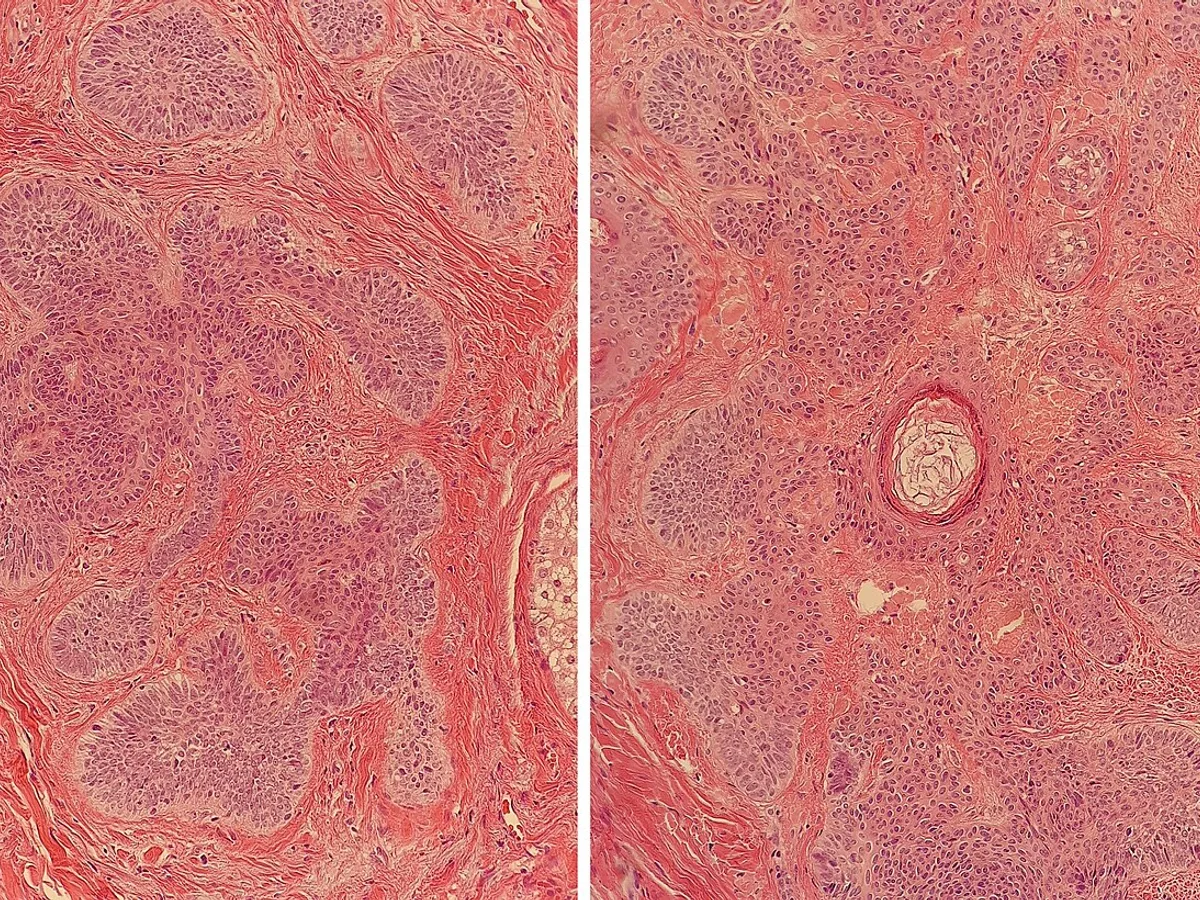
Developed by Veradermics, VDPHL01 is a proprietary extended-release oral tablet engineered with an 8.5 mg dose of minoxidil suspended within an erosion-controlled polymer hydrogel matrix. Unlike immediate-release pills that rapidly disintegrate in the gastric environment, VDPHL01 dissolves gradually throughout the gastrointestinal tract, maintaining a stable therapeutic window over 24 hours.
The biological mechanism relies on the conversion of minoxidil into its active metabolite, minoxidil sulfate, catalyzed by the sulfotransferase enzyme SULT1A1 in liver tissue and hair follicle outer root sheaths. Minoxidil sulfate acts as an agonist on ATP-sensitive potassium channels in vascular smooth muscle cells.
This action stimulates localized microvascular dilation around the hair bulb, ramping up blood flow, oxygenation, and key growth factors like VEGF to the dermal papilla. Miniaturized, dormant follicles are rescued from the telogen resting phase and propelled into prolonged anagen, enabling the synthesis of thick, pigmented terminal hairs.
Men taking the twice-daily tablet experienced an average increase of +36.4 hairs per square centimeter compared to just +6.6 in the placebo cohort.
Between 79% and 85% of active-arm participants demonstrated noticeable cosmetic improvement assessed by blinded expert dermatologists.
The extended-release hydrogel matrix prevented acute blood pressure drops and reflex tachycardia typical of immediate-release pills.
Upon FDA clearance, VDPHL01 will be the first oral prescription treatment for pattern baldness in 30 years that does not manipulate androgen hormones.
Phase 3 Trial Findings: High-Precision Density and Robust Safety
The Phase 3 clinical trial was a randomized, double-blind, placebo-controlled study evaluating three distinct cohorts: 8.5 mg once daily, 8.5 mg twice daily, and placebo. Quantitative endpoint assessments relied on high-resolution macro-photography across standardized, tattooed scalp areas evaluated by blinded dermatologists.
At week 24, both active dosing regimens met their primary efficacy endpoints with overwhelming statistical significance (p < 0.0001). Participants in the once-daily group experienced a mean increase of +28.6 hairs per cm². In the twice-daily arm, regrowth reached an impressive +36.4 hairs per cm². By comparison, the placebo arm showed a modest increase of only +6.6 hairs per cm².
Safety endpoints were equally encouraging. By avoiding acute plasma concentration spikes, VDPHL01 exhibited a benign tolerability profile. No drug-related cardiac adverse events, clinically significant blood pressure drops, or severe peripheral edema cases were reported, with adverse event frequencies tracking closely with the placebo group.
«An extended-release formulation of oral minoxidil represents a paradigm shift in trichology. We observed substantial terminal hair regrowth without the sharp cardiovascular plasma spikes that historically limited systemic vasodilator treatments.»
Dr. Richard Smith, Lead Clinical Investigator in dermatology clinical development
Regulatory Horizons and Expanding Applications for Female Hair Loss
With robust Phase 3 safety and efficacy data established, Veradermics is finalizing its New Drug Application (NDA) package for formal submission to the FDA. If approved, VDPHL01 will become the first new prescription oral medicine for hair loss in roughly 30 years and the first-ever FDA-approved oral minoxidil pill indicated specifically for alopecia.
In parallel, clinical trials are underway to assess customized formulations of the drug for female pattern hair loss. Providing women with a non-hormonal oral therapy is a vital clinical priority, as standard anti-androgen medications carry severe teratogenic contraindications for women of childbearing potential.
The impending arrival of a safe, convenient, and clinically validated oral tablet promises to reshape the landscape of hair restoration. Patients may soon have access to an evidence-based alternative to greasy topical lotions and hormonal risks, grounded in rigorous modern pharmaceutical standards.
- Enrolled 536 men aged 18 to 65 presenting with mild-to-moderate androgenetic alopecia.
- Evaluated over a six-month continuous, randomized, double-blind treatment period.
- Pharmacologically activates ATP-sensitive potassium channels to expand microvasculature and prolong anagen.
- Regulatory filings for a New Drug Application (NDA) with the FDA are slated for early submission.
Enzymatic Activation: Overcoming the SULT1A1 Scalp Bottleneck
A major limitation of topical minoxidil formulations has always been patient-to-patient variability in follicular sulfotransferase (SULT1A1) enzyme activity. Individuals with low baseline enzyme levels in their scalp outer root sheaths fail to convert topical minoxidil into its active vasodilator form, minoxidil sulfate.
Oral administration of VDPHL01 sidesteps this cutaneous enzymatic hurdle. Hepatic sulfotransferase activity efficiently metabolizes the extended-release compound in the liver, distributing active minoxidil sulfate through the systemic microvasculature directly to the dermal papilla, yielding robust regrowth even among non-responders to topical solutions.
Long-Term Compliance and Synergy in Modern Trichology
In clinical dermatology, patient compliance is the ultimate arbiter of chronic therapeutic success. Eliminating messy, daily topical applications in favor of a convenient oral tablet dramatically improves multi-year treatment persistence.
Furthermore, trichologists anticipate substantial synergy when combining extended-release oral minoxidil with emerging adjunctive therapies, including autologous platelet-rich plasma (PRP) and low-level light therapy, cementing a new standard of care in regenerative hair medicine.