

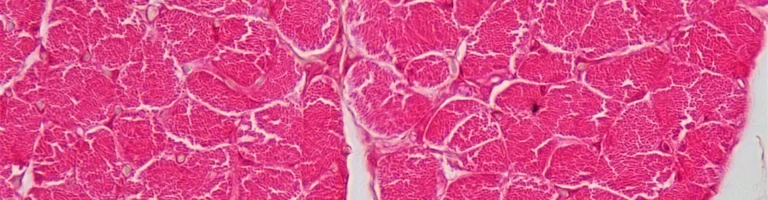

For decades, classical human physiology regarded skeletal muscle strictly as a mechanical motor—a biomechanical scaffolding of biological levers and tendons engineered solely for locomotion and load bearing. However, breakthroughs in molecular medicine over recent years have completely overturned this outdated dogma: skeletal muscle is now recognized as the largest endocrine organ in the human body. In response to mechanical contraction, muscle fibers synthesize and release hundreds of biologically active peptides into the systemic bloodstream, known collectively as myokines. These signaling molecules orchestrate continuous biochemical communication between muscle, the brain, liver, adipose tissue, and the immune system, establishing exercise as nature’s most sophisticated pharmacological weapon against chronic disease and aging.
A Copernican Revolution in Physiology: Unlocking the Muscle Secretome
Throughout most of the 20th century, exercise science was dominated by the simple “caloric expenditure” paradigm: workouts were valued primarily for burning stored glycogen, oxidizing fatty acids, and conditioning the heart. Yet the molecular mechanisms behind exercise’s extraordinary systemic protection remained shrouded in mystery. Why does regular aerobic exercise safeguard against Alzheimer’s disease? Why do resistance exercises curb systemic inflammation in type 2 diabetes far more sustainably than standard pharmacotherapy?
The paradigm shifted decisively in the early 2000s through landmark research led by Danish physiologist Professor Bente Klarlund Pedersen. Her team discovered that contracting muscle fibers express and secrete substantial amounts of interleukin-6 (IL-6). Previously categorized solely as a pro-inflammatory cytokine released by immune cells, muscle-derived IL-6 acted in a radically different manner: produced without an accompanying inflammatory cascade, it functioned as an endocrine metabolic hormone that triggered lipid lipolysis in adipocytes and stimulated hepatic glucose output without requiring insulin.
This revelation led to the coining of the term “myokines” (from the Greek “mys” meaning muscle and “kinos” meaning motion). Today, state-of-the-art mass spectrometry and transcriptomic profiling have cataloged over 600 distinct myokines and exerkines. Comprising roughly 40% of total adult body mass, skeletal muscle operates around the clock as an endocrine powerhouse, conducting a harmonious metabolic symphony across all physiological systems.

The Muscle-Brain Axis: How Physical Movement Rewires Neurons
Among the most exhilarating frontiers of myokine research is the muscle-brain axis. For decades, it was difficult to explain how contractions in the quadriceps or calves could directly improve cognitive resilience and protect against neurodegeneration. A pivotal piece of the puzzle emerged with the discovery of the myokine irisin by Bruce Spiegelman’s laboratory at Harvard Medical School.
Irisin is cleaved from the transmembrane precursor protein FNDC5 embedded in skeletal muscle membranes during sustained rhythmic movement. Entering the bloodstream, irisin crosses the blood-brain barrier and penetrates the cerebral parenchyma. Within the hippocampus—the master command center for memory consolidation and spatial navigation—irisin stimulates the robust expression of Brain-Derived Neurotrophic Factor (BDNF). BDNF spurs neurogenesis and enhances synaptic plasticity while promoting the clearance of toxic tau tangles and amyloid-beta oligomers.
Beyond irisin, active muscles release cathepsin B, a myokine proven to enhance spatial memory and executive function, as well as the enzyme kynurenine aminotransferase (KAT). KAT detoxifies circulating kynurenine—a harmful metabolic byproduct of chronic mental stress—converting it into kynurenic acid, which cannot cross into the brain. In essence, vigorously working muscles act as an extracranial filtration system, cleansing the blood of neurotoxic stressors and providing an organic buffer against anxiety and major depressive disorders.
Crosses the blood-brain barrier during workouts to trigger hippocampal BDNF, stimulating fresh neuron growth.
The first identified myokine: unlike immune IL-6, it exhibits zero pro-inflammatory traits, directly oxidizing visceral lipids.
An inhibitory peptide upregulated by inactivity. Progressive resistance training blunts myostatin to preserve vital metabolic mass.
Enzymes in contracting muscle neutralize circulating kynurenine before it can reach the brain, shielding against depression.
Metabolic Transformation: Fat Browning and Non-Insulin Glucose Clearance
A second profound axis of myokine activity targets adipose tissue and carbohydrate homeostasis. In sedentary lifestyles, white adipose depots expand excessively, discharging pro-inflammatory adipokines (such as TNF-alpha and IL-1beta) that drive systemic insulin resistance and cardiovascular disease.
During muscular contraction, irisin and beta-aminoisobutyric acid (BAIBA) bind to white adipocyte surface receptors, prompting mitochondrial biogenesis and the expression of uncoupling protein 1 (UCP1). This phenomenon, known as adipose “browning,” converts inert white fat into thermogenically active beige adipocytes. Rather than accumulating calories, beige fat dissipates surplus energy directly as heat, stabilizing glycemic fluctuations.
Simultaneously, myokines such as interleukin-15 (IL-15) and myonectin stimulate the translocation of GLUT4 glucose transporters directly to cell surfaces via pathways entirely independent of insulin. This bypass mechanism provides individuals suffering from prediabetes or type 2 diabetes with a direct, non-pharmacological route to normalize blood glucose levels and restore systemic metabolic flexibility.
«Skeletal muscle is not a passive block of meat; it is a precision biochemical factory. Every time your muscle fibers contract, they broadcast molecular telegrams to virtually every organ in your body, stimulating hippocampal neurogenesis and visceral fat oxidation.»
Prof. Bente Klarlund Pedersen, pioneer in muscle endocrinology, Director of the Centre of Inflammation and Metabolism (Copenhagen)
The Myostatin Brake and Combating Age-Related Sarcopenia
Skeletal muscle not only dialogues with distant organs but also regulates its own architecture through intricate autocrine and paracrine loops. The master negative regulator of muscle mass is myostatin (GDF-8)—a specialized myokine that functions as a growth inhibitor. In sedentary states and during biological senescence, plasma myostatin surges, driving sarcopenia—the progressive wasting of skeletal muscle fiber mass and strength.
Sarcopenia constitutes a critical geriatric emergency: the loss of functional muscle mass directly correlates with increased fall risks, cognitive decline, impaired immune function, and higher all-cause mortality. Progressive resistance training effectively suppresses myostatin expression while simultaneously stimulating follistatin, its endogenous biological inhibitor.
Furthermore, regular resistance workouts stimulate the release of interleukin-7 (IL-7), a muscle peptide that rejuvenates the thymus gland and sustains the production of naive T-cells, combating immunosenescence. Retaining functional muscle after age 40 is therefore not an aesthetic pursuit; it is a fundamental survival prerequisite that preserves metabolic reserves and immune competence.
- Skeletal muscle represents the human body’s largest endocrine organ, comprising 40% of adult body mass.
- Contracting myocytes secrete over 600 distinct myokines that regulate brain health, liver function, and immunity.
- Zone 2 aerobic exercise promotes white fat browning into thermogenic beige adipocytes via irisin and BAIBA signaling.
- Resistance training suppresses myostatin and rejuvenates the thymus through IL-7, countering age-related immune decay.
Precision Protocols: Activating Your Internal Medicine Cabinet
Recognizing muscle as an endocrine organ elevates exercise from a guilt-driven calorie-burning chore into precision medicine (Exercise as Medicine). Different muscle fiber recruitments and metabolic demands unlock distinct endocrine secretome profiles.
To maximize circulating irisin and BAIBA, structured low-to-moderate intensity aerobic exercise in Zone 2 (60–70% of maximum heart rate) for 45 to 60 minutes 3–4 times per week is gold standard. Zone 2 workouts specifically engage slow-twitch Type I muscle fibers rich in mitochondria, creating an optimal stimulus for fat browning and hippocampal BDNF synthesis.
To suppress myostatin, elevate follistatin, and optimize GLUT4 transport, perform 2–3 full-body resistance training sessions weekly targeting large compound movements (squats, deadlifts, presses, rows). Even a brisk 15-minute walk following heavy meals provokes an acute myokine burst that blunts postprandial glucose spikes by 30–40%. Human biology was sculpted for movement—and every muscular contraction is a rejuvenating endocrine signal to the entire body.