



Modern dating culture has long characterized ghosters as cold-blooded narcissists and emotional manipulators, but groundbreaking neuroimaging and psychological research presents a starkly different reality. Scientists have revealed that abruptly cutting off contact triggers acute cognitive dissonance, avoidance-induced guilt, and profound social anxiety within the initiator, activating the brain’s dorsal anterior cingulate cortex (dACC) in ways identical to physical trauma.

The Digital Disappearance Paradox: Shattering the Narcissism Myth
In our hyper-connected digital landscape, the phenomenon known as “ghosting”—the abrupt cessation of all communication with a romantic partner, friend, or acquaintance without explanation or closure—has transformed from an occasional anomaly into a ubiquitous social epidemic. Pop culture and relationship columnists have traditionally painted the ghoster in black-and-white strokes: a self-absorbed narcissist, a Machiavellian player, or an unfeeling sociopath who disposes of human connections like discarded software. However, a seminal 2024 empirical study published in the peer-reviewed Journal of Social and Personal Relationships by lead researcher Tom Hale and his multidisciplinary team has definitively dismantled this simplistic caricature.
Through comprehensive behavioral audits, psychometric personality assessments, and in-depth qualitative interviews across thousands of subjects, researchers discovered that chronic ghosters rarely act out of indifference or spite. Instead, the overwhelming majority suffer from severe cognitive dissonance, pervasive guilt, and overwhelming communicative paralysis. Their silence is fundamentally an avoidant coping mechanism—an involuntary emergency brake pulled by a psyche that feels completely ill-equipped to navigate the perceived emotional minefield of direct, empathetic rejection. Understanding how emotional temperament intersects with cognitive choices has always been a key focus of inquiry, as previously explored on Vinegret.Net in our examination of emerging cognitive behavioral architectures and emotional simulation.
The Neurobiology of Avoidance: Inside the Ghoster’s Brain
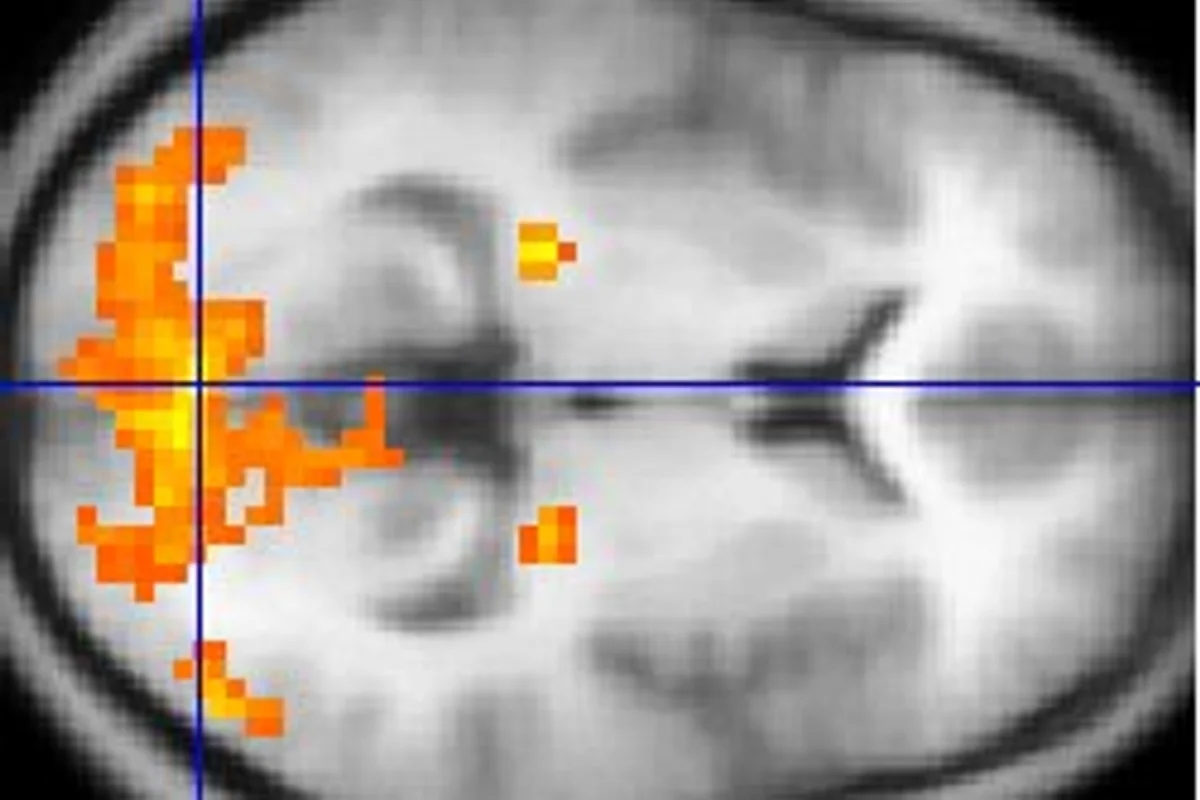
To pinpoint the biological drivers behind this communication breakdown, neuroscientists leveraged functional Magnetic Resonance Imaging (fMRI) to monitor brain activity during simulated social decision-making tasks. When an individual contemplates sending a difficult text message—such as informing someone that their feelings are not reciprocated or that a relationship must end—the brain does not merely process this as a neutral administrative duty. Instead, the anticipation of witnessing another human’s pain or managing their defensive anger triggers intense activity in the dorsal anterior cingulate cortex (dACC) and the anterior insula.
From an evolutionary perspective, the dACC is the neural hub responsible for processing physical pain, threat detection, and social exclusion alarms. In ancestral human hunter-gatherer communities, social disharmony or interpersonal conflict carried the catastrophic risk of ostracization from the tribe, which almost guaranteed physical death. Consequently, modern human brains often evaluate potential social friction as an immediate threat to bodily survival. In individuals with heightened social anxiety or avoidant attachment traits, the amygdala rapidly hijacks executive function in the prefrontal cortex, triggering a primal “fight, flight, or freeze” response. Because open verbal hostility is socially unacceptable, the nervous system opts for instantaneous flight: closing the chat application, deleting the match, or blocking the number. This action triggers a fleeting surge of relief—a dopamine spike tied to perceived escape from mortal danger—which is rapidly overshadowed by an agonizing neurochemical penalty.
The Hidden Burden: Subconscious Guilt and Emotional Decay
While an uncomfortable but definitive goodbye allows both participants to process pain, mourn the connection, and eventually achieve psychological closure, ghosting traps both parties in an open emotional loop. For the victim, the ambiguity of ghosting inflicts what psychologists term “ambiguous loss”—a state that prolongs rumination and erodes self-worth. Yet, the ghoster does not walk away unscathed. Deprived of the catharsis that follows honest accountability, the ghoster internalizes a lingering residue of unresolved moral failure.
Dr. Tom Hale emphasizes: “Ghosters frequently construct elaborate conscious rationalizations—convincing themselves that ‘saying nothing hurts less’ or ‘they will get the hint.’ But the subconscious mind recognizes moral cowardice. Every time an unsent message or a deleted contact crosses their memory, the dACC flares again, releasing cortisol and fostering deep-seated self-loathing. The chronic ghoster gradually loses respect for their own integrity, reinforcing an insidious belief that they are incapable of genuine human intimacy.” This psychological dynamic closely mirrors research on unresolved memory traces: as discussed on Vinegret.Net in our coverage of historical psychological narratives and vindication of personal integrity, unresolved ethical debts inevitably demand long-term psychological recompense.
Neural Activation of the dACC
Functional MRI neuroimaging proves that social confrontation anxiety activates the dorsal anterior cingulate cortex, processing emotional confrontation as direct physical agony.
Avoidance-Induced Moral Dissonance
Evading the momentary discomfort of an honest goodbye triggers an enduring undercurrent of subconscious guilt, slowly eroding the ghoster’s self-esteem and integrity.
Attachment Style Pathology
Over 70% of chronic ghosters display fearful-avoidant attachment structures and acute rejection sensitivity, resorting to digital disappearance out of terror rather than apathy.
Conflict Resolution Atrophy
Repeatedly relying on digital flight mechanisms reinforces learned interpersonal helplessness, rendering the individual incapable of cultivating mature, vulnerable relationships.
Comparative Psychological Dynamics of Ghosting
The table below provides a detailed structural comparison of how ghosting affects both parties over short- and long-term horizons:
Algorithmic Disposable Culture and Rebuilding Interpersonal Courage
Modern mobile communication ecosystems are deliberately engineered to optimize for transaction speed, user engagement, and friction minimization. By reducing multi-faceted human personalities to swipeable 2D profile cards, these platforms subtly strip away the perceived humanity of conversation partners. Yet, while software interfaces can simulate frictionless interaction, our neurological circuitry remains firmly rooted in millions of years of mammalian social bonding. Every time an individual chooses silence over courage, they inadvertently reinforce their own emotional frailty.
Breaking the cycle of ghosting requires cultivating what clinical psychologists call “emotional assertiveness.” Navigating uncomfortable interpersonal boundaries is a muscle that strengthens only through conscious exercise. A succinct, respectful closing statement—such as: “Thank you for taking the time to connect with me. I enjoyed our conversation, but I don’t feel we are a romantic match, and I want to be honest with you. Wishing you the best on your journey”—demands less than thirty seconds of effort. Yet, that brief exercise in social courage disarms the neurobiological threat response, preserves the recipient’s dignity, and liberates the sender from the lingering poison of unexpressed guilt.
Scientific Synthesis: Towards Compassionate Communication
Dismantling the demonizing stereotypes surrounding ghosting is not an exercise in excusing relational cowardice; rather, it represents an urgent intervention in public mental health. When society understands that the silent disappearance across a glowing smartphone screen is rooted in shared human terror and paralyzing inadequacy rather than malicious superiority, victims can stop weaponizing that silence against their own self-worth. Simultaneously, perpetrators can recognize that the only true path to mental peace and emotional freedom lies not in the digital shadows of flight, but in the luminous, vulnerable courage of speaking the truth.