


Social media platforms and alternative theory forums were recently engulfed in sensationalism following viral pterodactyl videos purportedly capturing prehistoric flying reptiles soaring over Ciudad Juárez in Chihuahua, Mexico. Recorded through grainy night-vision security cameras and mobile footage near local transit corridors, the clips showcase a dark, winged creature with an elongated cranial crest and leathery wings furiously flapping across the evening sky. The narrative gained tremendous velocity when prominent Mexican ufologist and journalist Jaime Maussan circulated the clips, suggesting theories ranging from surviving prehistoric relics to interdimensional anomalies. However, vertebrate palaeontologists, aerodynamic engineers, and digital media analysts swiftly dismantled the viral phenomenon, demonstrating that the footage is an undeniable synthetic hoax blending generative artificial intelligence with outdated cinematic monster tropes.
Anatomical Scrutiny: Why the Footage Shows a Movie Prop, Not a Living Reptile
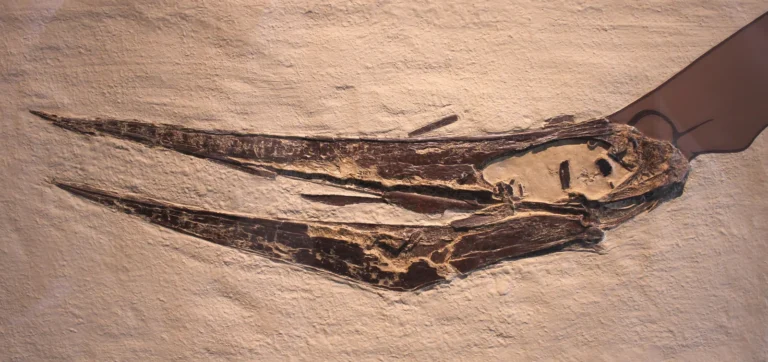
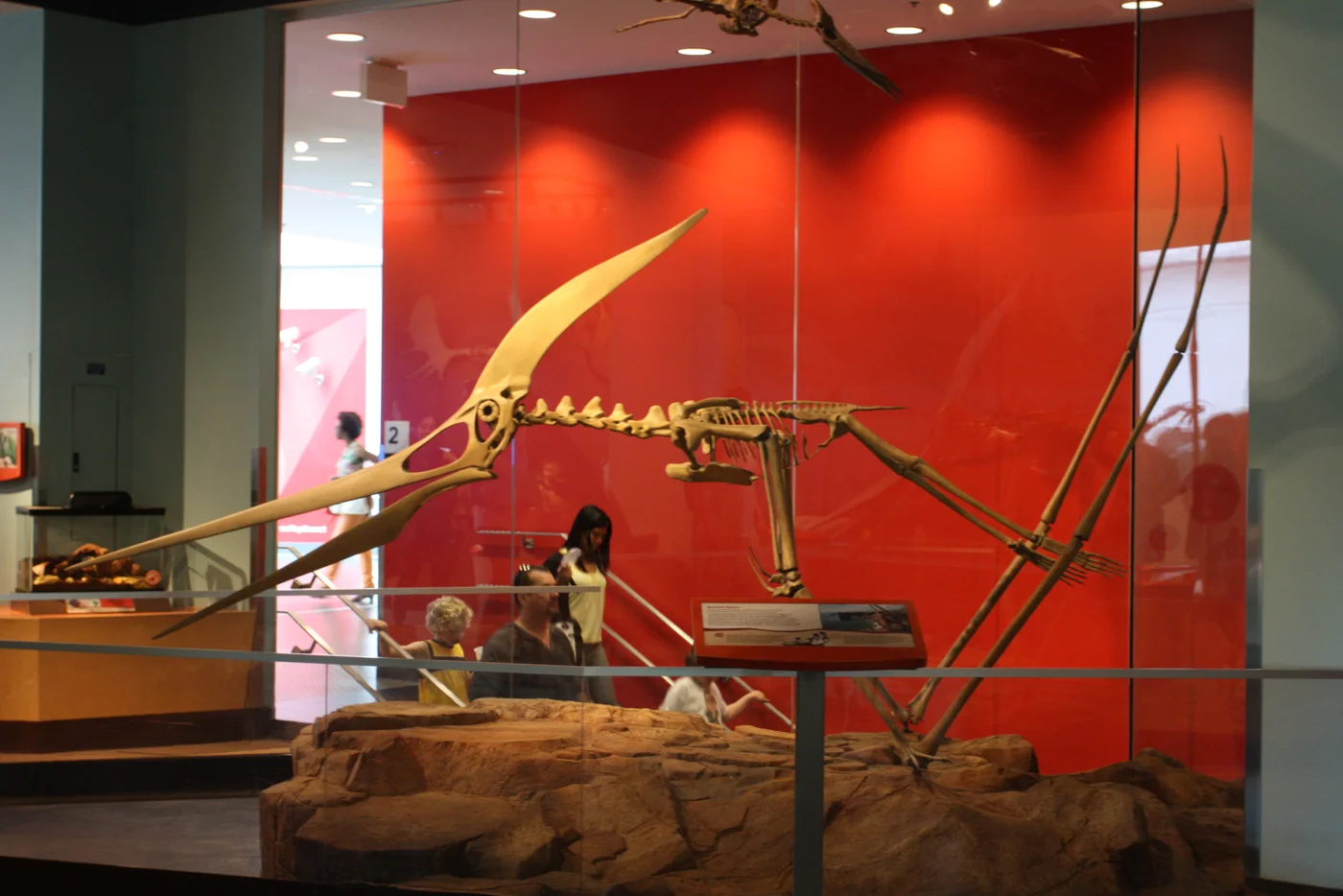
The primary defect obvious to any trained vertebrate palaeontologist watching the viral Mexican clips is the glaring anatomical inaccuracy of the creature. While internet commentary and tabloids dubbed the entity a “pterodactyl,” the visual model clearly mimics an entirely different genus — Pteranodon — and does so using Hollywood tropes dating back more than half a century. Authentic Pterodactylus antiquus were diminutive Late Jurassic reptiles with wingspans ranging between 50 centimetres and one metre, foraging on insects and small aquatic life in what is now Bavaria. By contrast, the video displays a massive soaring silhouette sporting the prominent retroverted cranial crest characteristic of adult male Pteranodon longiceps from the Late Cretaceous.
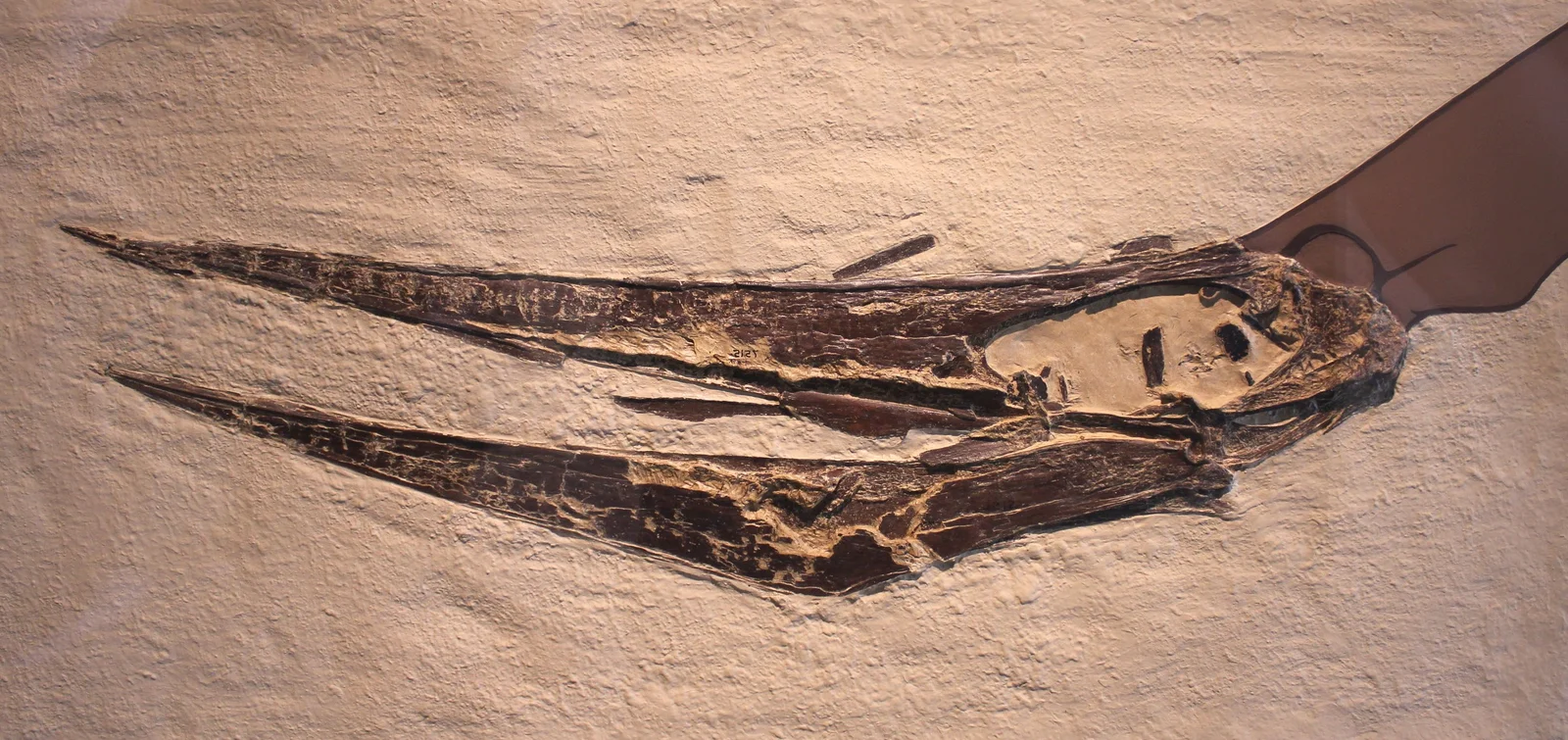
Palaeontologist Evan Jevnikar (popularly known as Evan the Dino Guy) immediately highlighted the complete absence of integumentary structures on the airborne figure. Over the past twenty years, pristine fossil discoveries in China, Germany, and Brazil have conclusively demonstrated that pterosaurs were warm-blooded vertebrates covered in dense coats of pycnofibres — hair-like keratinous structures homologous to avian feathers. The creature circulating on social media features bare, leathery, paper-thin skin resembling a rubber Halloween prop rather than a metabolically active vertebrate organism.
Furthermore, the mechanics of the wing membrane (brachiopatagium) in the video violate fundamental principles of aerodynamic structure. Pterosaur wings were multi-layered membranes reinforced with internal structural actinofibrils — specialized structural fibres that prevented ballooning and permitted dynamic tension adjustments. In the viral footage, the membranes flutter in an uncoordinated, slack manner typical of generative video tools attempting to interpolate complex biomechanical motion without understanding skeletal joints.
The Laws of Physics vs. Viral Sensationalism: Flight Biomechanics
The definitive scientific refutation of the video lies in the laws of fluid dynamics and flight mechanics. In the footage, the creature beats its wings in rapid, continuous cycles resembling a sparrow or bat. For an animal with a 6-to-7-metre wingspan, such a flight pattern is biologically and physically impossible. Landmark biomechanical studies conducted by palaeobiologists Mark Witton and Michael Habib established that giant pterosaurs were dynamic soaring specialists, operating identically to modern pelagic seabirds like wandering albatrosses.
Pteranodon wing bones were remarkably thin-walled — often less than 1.5 millimetres thick — maximizing lightness while maintaining resistance to bending forces encountered during soaring. Their pectoral musculature and shoulder joints were engineered for locking the wings in high-aspect-ratio glides across thermal ocean updrafts, not for relentless flapping. To launch, pterosaurs performed a quadrupedal vault, using their massive forelimbs to propel themselves into the air before locking their wings. An attempt to beat seven-metre wings once per second in dense lower-atmosphere air would generate catastrophic torsional shear, immediately snapping the humerus.
In an era where generative artificial intelligence algorithms produce increasingly deceptive digital simulations, understanding fundamental biological mechanics remains our best defense against misinformation. Neural networks can mimic camera noise and glare, but they cannot simulate real aerodynamic forces and structural mass inertia.
«The creature in the video behaves like a stop-motion monster from the 1969 film The Valley of Gwangi, rather than a real biological organism. A pterosaur of that magnitude would never flap frantically like a sparrow — under the laws of physics, it would either shatter its thin-walled wing bones or plunge straight to the ground.»
Evan Jevnikar, vertebrate palaeontologist and science communicator (Evan the Dino Guy)
Palaeogeographical Realities: The Incompatible Chihuahua Ecosystem
Even in an imaginary scenario where a pterosaur population endured to the modern epoch, Chihuahua is among the least plausible habitats on Earth for such an animal. Northern Mexico is characterized by elevated arid plateaus, rugged mountain ranges, and desert scrublands situated over 1,100 metres above sea level. In contrast, the evolutionary history of Pteranodon was entirely confined to the pelagic marine realms of the Western Interior Seaway, an ancient ocean that bisected North America during the Cretaceous.
Every documented fossil specimen of Pteranodon has been unearthed from marine chalk formations, such as Kansas’s Smoky Hill Chalk and the Pierre Shale. Their stomach contents and fossilized coprolites confirm an exclusive diet of open-water fish and cephalopods. Possessing toothless, spear-like beaks and weak hind limbs ill-suited for terrestrial locomotion, they required vast open sea surfaces and predictable coastal updrafts to feed and navigate. A pelagic fish-eating reptile would swiftly perish in an inland desert basin devoid of massive bodies of water.
No vertebrate population could remain undetected across 66 million years without establishing viable breeding colonies, leaving continuous fossil records in Cenozoic strata, and frequently triggering modern aerospace radar systems.
Pteranodon possessed wingspans exceeding 6 to 7 metres while weighing merely 25 to 35 kilograms due to hollow tubular bones. This anatomy was engineered exclusively for dynamic marine soaring, where constant active flapping would fracture the pectoral girdle.
Decades of fossil discoveries confirm that pterosaurs were endothermic creatures insulated with hair-like pycnofibre filaments. The bare, leathery monster depicted in the video reflects obsolete pop-culture misconceptions.
Pteranodon fossils are exclusively excavated from marine chalk deposits like the Smoky Hill Member. They possessed no biological adaptations to inhabit arid high-altitude basins like the Chihuahua Desert.
Nocturnal security cameras operating at low frame rates transform the silhouette of large wading birds, such as the great blue heron (Ardea herodias), into distorted prehistoric shapes via sensor motion lag.
Digital Artifacts and Nocturnal Birds: Deconstructing the Hoax
What then generated the viral footage that captured global attention? Digital forensics experts point toward two clear origins. The foremost is the direct application of state-of-the-art text-to-video generative AI models, such as Runway Gen-3, Kling, or Sora. Frame-by-frame analysis of the high-contrast footage reveals classic hallmarks of diffusion model artifacts: morphing wing edges, temporal inconsistencies between light sources, and synthetic motion blur that smears like digital paint rather than optical camera blur.
The secondary possibility involves the distortion of real wildlife footage. The Rio Grande corridor near Ciudad Juárez is home to large aquatic avians, including the great blue heron (Ardea herodias), which boasts a wingspan approaching two metres. When filmed at night under low-light conditions by budget CMOS sensors with slow shutter speeds, a heron flying directly above an illumination source with retracted legs and folded neck creates a silhouette easily misconstrued as a prehistoric reptile.
Once such raw footage is acquired, sensationalist creators and ufology channels add dramatic sound effects and compress the file to conceal digital seams before circulating it as a supernatural sighting. Local municipal authorities in Ciudad Juárez have issued statements assuring the public that no anomalous creatures inhabit the city’s skies.
- All non-avian pterosaurs vanished 66 million years ago during the Chicxulub impact extinction, leaving zero fossil traces across the entire Cenozoic era.
- The creature in the footage mimics outdated reconstructions of Pteranodon longiceps rather than Pterodactylus, whose wingspan was merely under one metre.
- Digital analysis revealed significant pixel morphing and temporal incoherence along the wing membranes, characteristic of generative diffusion video models.
- Ciudad Juárez Civil Protection authorities confirmed that municipal airspace remained completely clear of any anomalous biological organisms.
Media Literacy in the Era of Hyperrealistic Synthetic Media
The viral Chihuahua pterodactyl saga serves as a profound case study in modern media consumption. Where high-end CGI once demanded significant financial resources and specialist teams, accessible artificial intelligence now allows anyone to manufacture convincing hoaxes in minutes.
Consequently, scientific literacy and critical evaluation are essential safeguards. Consulting peer-reviewed research, such as foundational studies on giant pterosaur flight biomechanics in PLoS ONE, allows audiences to distinguish authentic discoveries from manufactured fabrications.
Pterosaurs remain among the most extraordinary evolutionary marvels in Earth’s history — the first vertebrates to conquer powered flight. Their enduring legacy belongs in academic literature and natural history museums, not in viral internet hoaxes.