

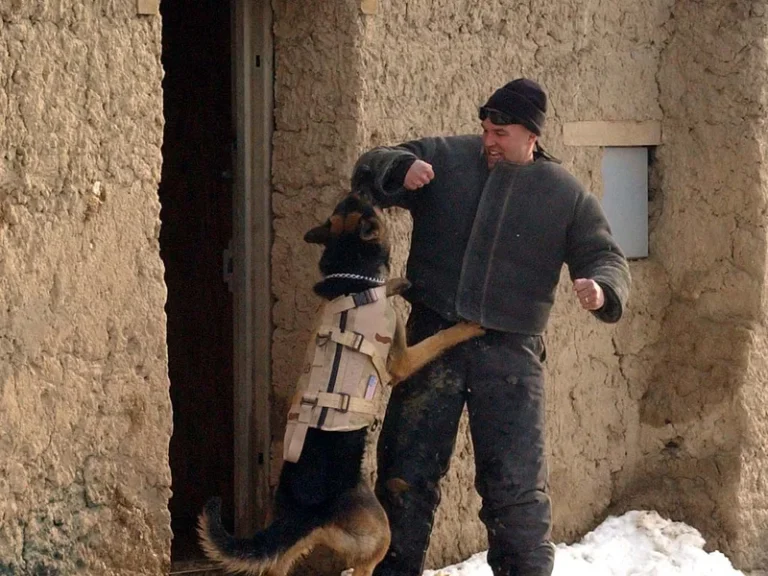

For millennia, working canines served as indispensable companions on battlefields, detecting explosive hazards, engaging hostile combatants, and tracking casualties under relentless fire. However, the lethality and complexity of modern technological combat impose severe physical and sensory demands that traditional breeding programs struggle to fulfill. The American national security sector is preparing for a bold biological leap: defense-biotechnology startup Warhound, emerging from stealth with $200 million in seed financing, announced the development of next-generation canine units. For the first time, genetically modified military dogs will combine somatic cell cloning, CRISPR gene editing, and wearable mixed-reality sensory suites engineered by defense giant Anduril Industries.
The Pentagon’s Canine Deficit: Why National Security Demanded Warhound
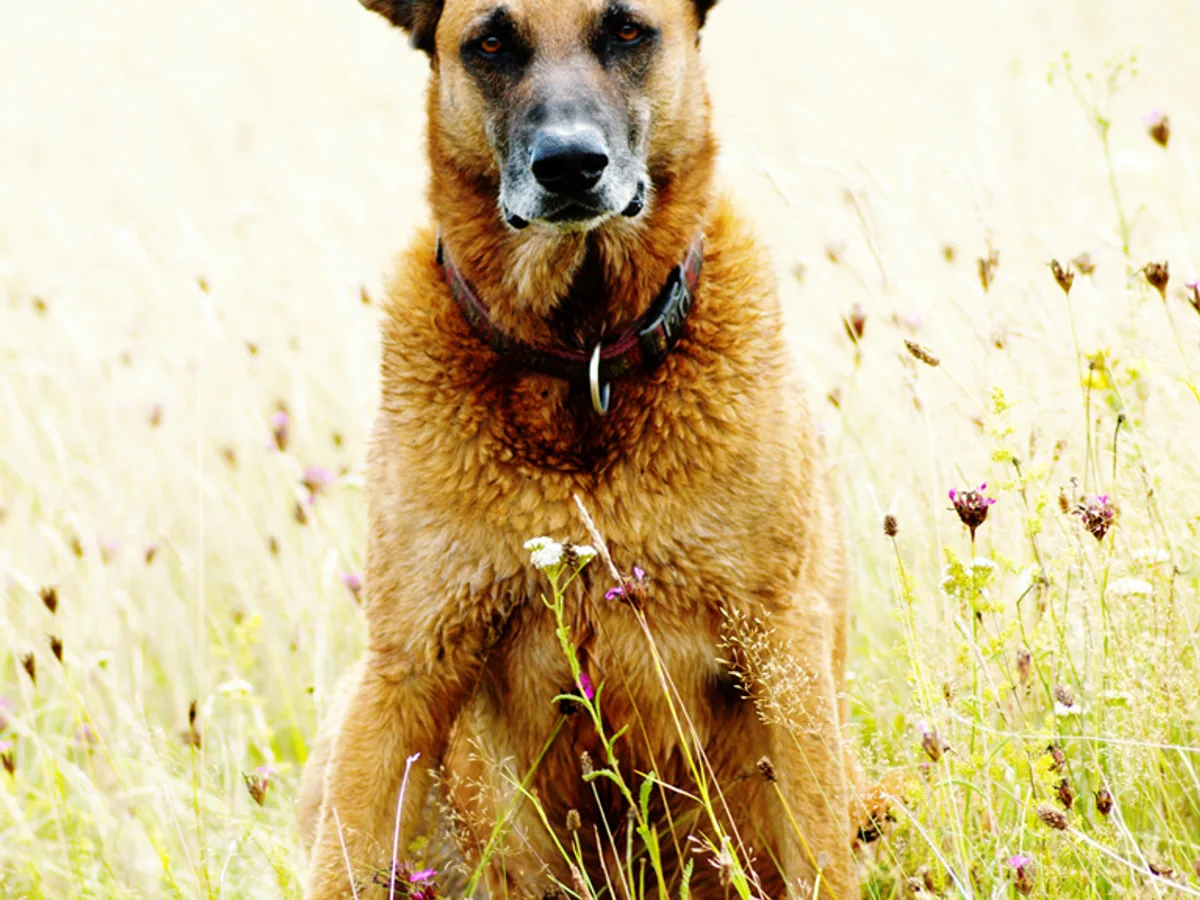
Military working dogs, tactical canine units across federal law enforcement, and tier-one special operations elements such as Navy SEALs rely daily upon highly trained working dogs. Belgian Malinois, German Shepherds, and Labrador Retrievers possess olfactory capabilities and sensory processing speeds that surpass any fielded man-portable electronic sensors. Yet behind the storied achievements of frontline K9 teams lies a vulnerable, fragile logistical supply chain.
Currently, the United States Department of Defense imports more than 80 percent of its working dogs from European kennels. The domestic American breeder base remains oriented primarily toward kennel club conformation competitions and companion animals, resulting in reduced drive and the concentration of deleterious recessives. Pentagon estimates reveal that up to 50 percent of purchased candidates fail subsequent military certification due to hip dysplasia, degenerative joint disease, or stress-induced behavioral washouts.
With the lifecycle cost of procurement, veterinary care, and advanced combat training exceeding $150,000 per certified canine, premature loss of an active animal at five years old represents a significant loss of operational readiness. This structural shortage prompted leading figures in defense technology and genetics to rethink working dog production entirely.
An Alliance of Visionaries: Palmer Luckey and Ben Lamm Unite
The emergence of Warhound with a $200 million seed round at a $1.2 billion post-money valuation represents the convergence of two influential defense and biotech figures. Palmer Luckey, founder of Oculus VR and defense unicorn Anduril Industries, brought deep expertise in autonomous surveillance, networked battlefield systems, and defensive hardware. He joined forces with Ben Lamm, CEO of Colossal Biosciences, the genetics company pioneering de-extinction technologies for the woolly mammoth and thylacine.
Day-to-day operations are commanded by David Spirk, former Chief Data Officer of the U.S. Department of Defense, who previously spearheaded Pentagon-wide data modernization and AI adoption. Biological infrastructure is anchored by ViaGen Pets & Equine, a Colossal subsidiary recognized globally as the preeminent commercial cloner of mammalian species.
Warhound’s operating model centers on establishing the world’s first national biobank of proven military working canines. By banking somatic cell lines from combat-tested animals with distinguished service histories, the company can clone verified genetic lineages, preserving working temperaments without the variability introduced by sexual reproduction.
The venture attracted premier venture capital backing from Sequoia Capital, 8VC, Lux Capital, and In-Q-Tel, the strategic venture arm of the CIA.
Precision gene editing eliminates ancestral mutations driving degenerative myelopathy, hip dysplasia, and ligament instability in working dog breeds.
External body armor integrates situational cameras, encrypted low-latency communications, and spatial tracking sensors connected to Lattice.
Cloning elite service veterans through Colossal’s ViaGen subsidiary will secure a sovereign domestic supply of top-tier working dogs for U.S. forces.
Genetics for Canine Longevity: How Genetically Modified Military Dogs Are Engineered
Popular reactions to biotechnology in defense often conjure dystopian images of cybernetic predators or genetically engineered attack beasts. Warhound’s leadership explicitly rejects such characterizations. The program for genetically modified military dogs is focused primarily on preventive veterinary genetics and functional longevity.
Employing CRISPR-Cas9 ribonucleoproteins and base editing, molecular biologists excise well-characterized single-nucleotide polymorphisms that cause hereditary disorders. Priority targets include the genetic loci responsible for canine hip and elbow dysplasia, degenerative myelopathy, gastric dilatation-volvulus (bloat), and osteosarcoma. Eliminating these defects directly improves physical durability and working life.
Subsequent developmental phases aim to modulate lactate clearance pathways to increase cardiovascular stamina in extreme environments and enhance nasal olfactory receptor density. The initial litters of cloned, genetically screened puppies are slated to emerge from breeding facilities by 2027.
«Working dogs remain the most versatile biological sensor platforms in existence, yet traditional breeding programs are severely bottlenecked by inherited genetic vulnerabilities. Warhound is not designing sci-fi chimeras; our mission is to eliminate crippling conditions like hip dysplasia, cardiomyopathy, and cancer, pairing resilient biology with superior external tactical armor.»
David Spirk (Дэвид Спирк), CEO of Warhound and former Chief Data Officer of the U.S. Department of Defense
Cybernetic Armor: Wearable Tactical Sensors and Anduril’s Lattice Network
The second core component of Warhound is the external digital integration of the dog onto the modern battlefield. Rather than pursuing invasive neural implants, engineers are developing external, modular tactical gear tailored to canine physiology, leveraging Anduril’s engineering capabilities.
The protective package includes custom-fitted composite body armor featuring lightweight ballistic plates to shield vital organs against fragmentation. Helmets feature integrated high-definition night vision and thermal sensors alongside active noise-canceling auditory headsets that protect the dog’s hearing during firefights while routing low-latency voice commands from the handler.
By integrating the canine’s onboard sensors into Anduril’s Lattice operating system, AI algorithms synthesize live video feeds and spatial mapping data into actionable intelligence. The system projects real-time threat maps onto the augmented-reality visors of trailing assault teams as the dog navigates confined or hazardous corridors.
- Co-founded by Anduril Industries founder Palmer Luckey and Colossal Biosciences CEO Ben Lamm.
- Over 80% of U.S. military working dogs are imported from European breeders due to domestic genetic shortages.
- Nearly half of candidates wash out during rigorous military training cycles due to undiagnosed genetic flaws or behavioral anxiety.
- All genetic alterations target canine somatic health and performance; invasive intracerebral chips are strictly avoided.
- In active collaboration with the American Humane Society to guarantee ethical husbandry, training certifications, and lifetime retirement care.
Ethical Standards and Lifetime Care for Canine Veterans
Biotechnological intervention in working animals understandably provokes scrutiny regarding welfare and ethics. To maintain transparency, Warhound established formal oversight protocols in coordination with the American Humane Society. Independent animal welfare specialists have been granted auditing access to breeding, laboratory, and training sites across all program phases.
The Warhound charter mandates the establishment of an endowed lifetime pension fund for every dog produced. Following five to seven years of active service, retired canines are guaranteed comprehensive veterinary medical coverage for life, with first adoption rights granted to their human handlers.
The Warhound initiative illustrates how the convergence of biotechnology and networked defense systems can enhance operational capabilities while prioritizing animal health. By replacing genetic vulnerability with resilience, science aims to safeguard both soldiers and the loyal animals serving beside them.