

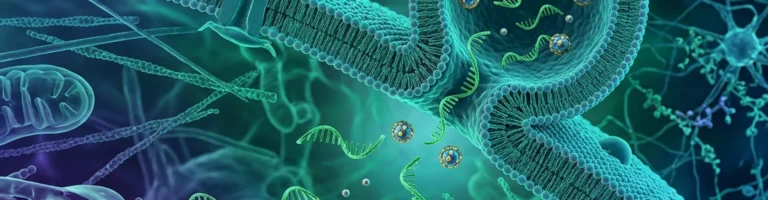

A transformative revolution is reshaping precision pharmacology: synthetic lipid nanoparticles are giving way to exosomes — natural nanoscale extracellular vesicles secreted by living cells. International research teams have demonstrated the successful targeted delivery of therapeutic mRNA molecules and oncological payloads directly across the blood-brain barrier, inaugurating a new paradigm in cancer therapy and neurodegenerative medicine.
Biological Envelopes Evading Immune Clearance
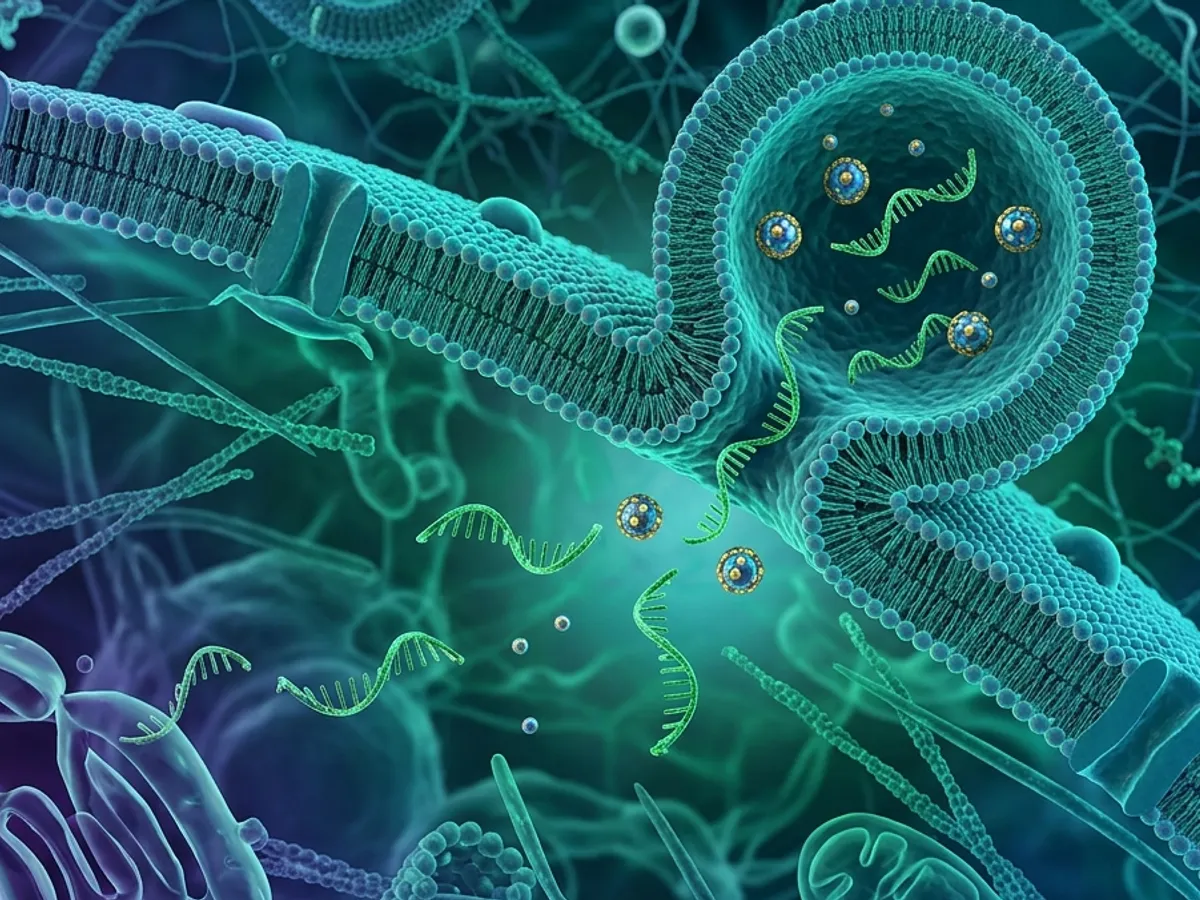
A persistent hurdle in targeted nanomedicine has been rapid immune clearance: synthetic polymer capsules and viral vectors are promptly flagged by macrophages and cleared by the reticuloendothelial system prior to reaching tumor sites. Exosomes overcome this barrier naturally. Measuring 30 to 150 nanometers in diameter, these biological vesicles display native surface tetraspanins (CD9, CD63, and CD81), enabling sustained systemic circulation without provoking immunogenic responses.
Crossing the Blood-Brain Barrier: Engineered exosomes have demonstrated an extraordinary ability to traverse the blood-brain barrier (BBB) — a defensive fortress that excludes more than 98% of small-molecule therapeutics from reaching cerebral targets.
From Chemotherapy to CRISPR Gene Editing
Cutting-edge protocols allow researchers to package diverse therapeutic payloads into exosomal lumens, ranging from small-molecule chemotherapeutics to intact CRISPR/Cas9 ribonucleoprotein complexes. By decorating exosome surfaces with targeting ligands, these bio-nanocarriers home in specifically on malignant receptor profiles, drastically reducing off-target organ toxicity.
«Exosome delivery platforms seamlessly integrate biological biocompatibility with nanorobotic targeting, defining the future of targeted drug development».
— World Economic Forum, Emerging Technologies Report
The progression of engineered extracellular vesicles into human clinical trials marks a pivotal transition toward non-invasive molecular surgery. Explore the definitive experimental validation in the Nature Nanotechnology publication.