

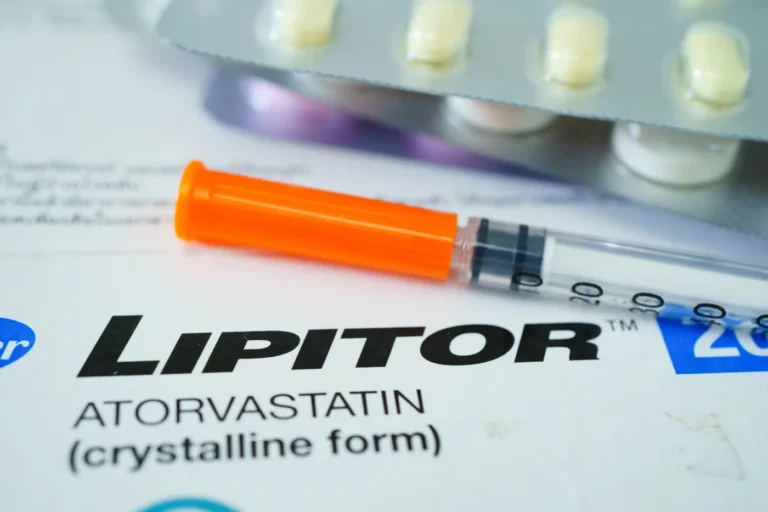

As viral videos and podcasts claim that statins are an ineffective pharmaceutical scam, cardiologists are sounding the alarm over a deadly wave of health misinformation. Real-world prescription tracking demonstrates that media-driven panic prompts tens of thousands of patients to abandon proven therapy, exposing them to preventable heart attacks and strokes.
Why Statins Became a Prime Target for Medical Misinformation
For most of human history, infectious killers such as smallpox, tuberculosis, and cholera dominated mortality statistics. Once sanitation, antibiotics, and vaccines roughly doubled average human lifespans, age-related cardiovascular disease—compounded by modern diets and sedentary routines—became the leading threat.
Statins emerged as one of medicine’s most effective tools for preventing or delaying heart attacks and strokes. Yet as science writer Stephen Luntz (Stephen Luntz) documents in IFLScience, anti-statin campaigns have evolved alongside anti-vaccine propaganda, relying on selective truths and fabricated claims.
Online statin denial comes in several flavors: some posts insist that low-density lipoprotein (LDL) cholesterol poses little danger, others assert the pills fail to lower it, and many wildly exaggerate rare side effects while pitching unregulated supplements in the same breath.
How Statins Work Inside the Liver at the Molecular Level
The biochemistry behind statins rests on competitive enzyme inhibition. Their molecular geometry closely mimics beta-hydroxy beta-methylglutaryl-CoA (HMG-CoA), the metabolic precursor that liver enzymes convert into cholesterol.
When statin molecules occupy those enzymes instead of HMG-CoA, hepatic cholesterol production drops and liver cells pull more LDL cholesterol out of the bloodstream. While some cholesterol is indispensable for cell membranes and hormones, persistently elevated LDL drives arterial plaque buildup and sudden cardiac crises—conditions that sit alongside rare vascular emergencies like spontaneous coronary artery dissection.
Originally inspired by natural compounds isolated from fungi, modern statin drugs vary in potency and side-effect profiles. Having multiple compounds on the market allows physicians to tailor treatment safely to an individual patient’s risk level and tolerance.
«Statin denial has become an internet-driven cult with deadly consequences. Adjusting for an aging population, the US death rate from cardiovascular disease more than halved between 1987 and 2014, and statins are one of the keys to this success.»
Dr. Steven E. Nissen, Cleveland Clinic, Annals of Internal Medicine
The Australian Warning: When One TV Series Drove 60,000 Patients Off Therapy
Scientists do not have to guess whether misinformation harms patients—they have measured it directly. In October 2013, the Australian Broadcasting Corporation’s flagship science program Catalyst aired a two-part broadcast challenging the link between cholesterol and heart disease while sidelining mainstream cardiovascular researchers.
In a follow-up study published in the Medical Journal of Australia, epidemiologist Andrea Schaffer (Andrea Schaffer) and colleagues examined national dispensing data covering nearly 191,000 Australians. In the week the program aired, statin discontinuation spiked by 28.8 percent, and over the following eight months an estimated 60,897 Australians stopped taking or reduced their prescribed dose.
More than half of surveyed physicians reported patients pushing back against medical advice after the show. Although the broadcaster eventually withdrew the episodes for breaching impartiality rules, many patients never resumed treatment—putting thousands at elevated risk of fatal cardiovascular events.
Statins competitively inhibit liver cholesterol synthesis and increase bloodstream clearance of harmful LDL particles.
One-sided TV coverage in 2013 triggered a 28.8% discontinuation spike and tens of thousands of abandoned prescriptions.
Non-industry trials on off-patent generics consistently show lower rates of heart attacks, strokes, and premature death.
Many vocal critics promote untested supplements with high profit margins and little clinical evidence.
Profits, Rare Side Effects, and Hidden Financial Incentives
Statin skepticism feels plausible for three kernels of truth. Early patented statins were among the most lucrative drugs ever sold, fueling suspicion toward corporate-funded trials. Furthermore, genuine side effects exist: an early drug called cerivastatin was withdrawn due to elevated rates of muscle breakdown, and mild muscle aches or intolerance still affect a minority of patients.
What online critics routinely omit, however, is that patents on core statins expired years ago, turning them into low-cost generics. Meanwhile, independent university researchers with zero pharmaceutical ties continue to publish large trials confirming substantial reductions in heart attacks, strokes, and premature mortality.
Equally telling are the undeclared financial motives behind many viral warnings. Influencers attacking prescription statins frequently sell expensive dietary supplements or “hydrogenated water” that lack rigorous testing. Even routine guideline refinements—such as when the European Society of Cardiology modestly narrowed recommended eligibility—were twisted online into false rumors that statins had been “banned in Europe.”
- High LDL cholesterol remains a major causal contributor to cardiovascular disease and mortality.
- At the population level, statins reduce harmful cholesterol far more reliably than over-the-counter supplements.
- For high-risk patients, therapy substantially lowers heart attack, stroke, and early-death risk.
- Side effects are real for some individuals, though severe complications are rare and alternative molecules exist.
- This article is informational only and never replaces personalized advice from a qualified physician.
Independent Evidence and Modern Cardiovascular Prevention
In a landmark editorial in the Annals of Internal Medicine titled “Statin Denial: An Internet-Driven Cult With Deadly Consequences,” Cleveland Clinic cardiologist Dr. Steven Nissen (Steven E. Nissen) noted that age-adjusted US cardiovascular death rates more than halved between 1987—when statins debuted—and 2014, calling the drugs “one of the keys to this success.”
Nobody argues that pills replace nutrition, exercise, or blood pressure control, and emergency technologies continue advancing too—such as magnetic microrobots designed to clear blood clots. Yet for people at elevated cardiovascular risk, evidence-based statins remain one of the best-tested lifesaving interventions in modern medicine.