

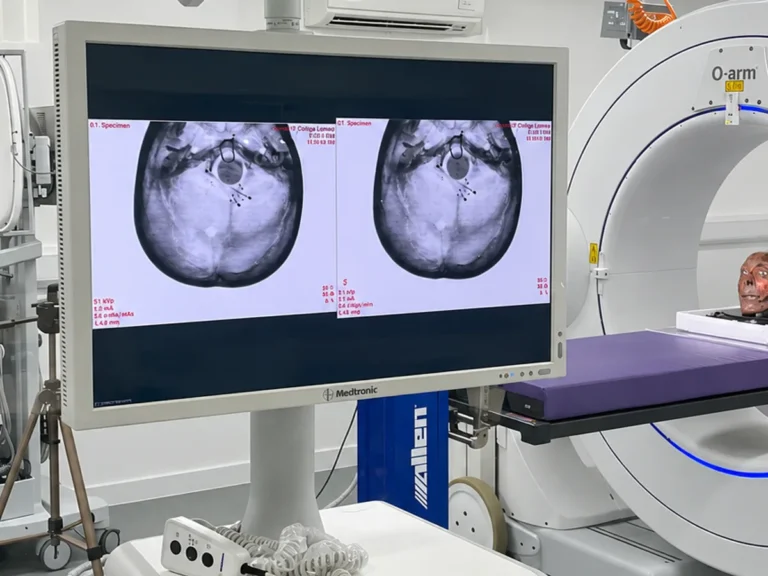

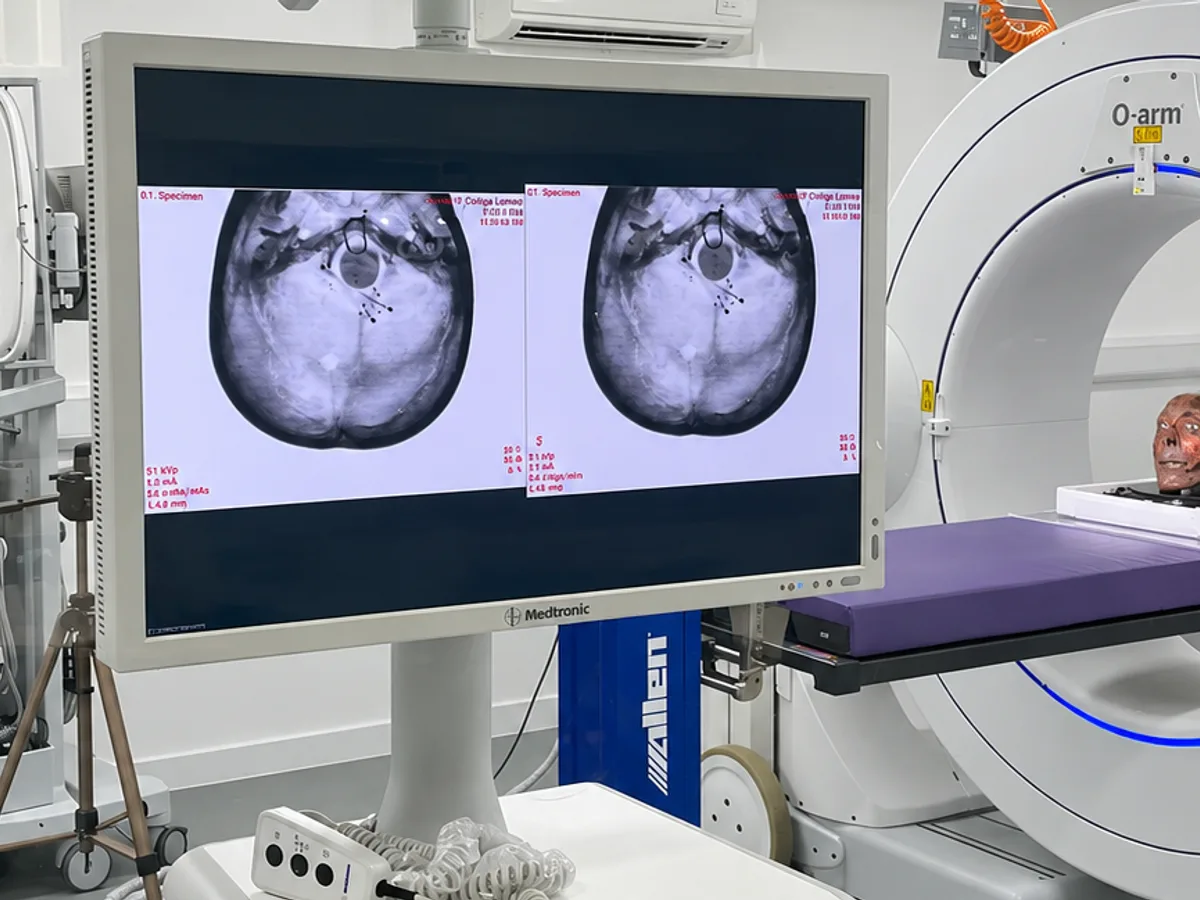
In anticipation of the bicentennial anniversary of University College London (UCL), bioarchaeologists and medical imaging experts have performed advanced non-invasive imaging on one of the strangest relics in intellectual history: a high-resolution jeremy bentham severed head ct scan demonstrated that the famed founding father of utilitarianism endured catastrophic tooth decay and paper-thin jawbone arthritis, subjecting the philosopher to agonizing chronic suffering throughout his twilight years.
The Godless Philosopher and His Radical Testament: Birth of the Auto-Icon
Jeremy Bentham (1748–1832) is celebrated across the world as a titanic legal theorist, social philosopher, and the founding father of modern utilitarianism—the ethical framework declaring that actions are morally right if they promote “the greatest happiness for the greatest number.” An uncompromising rationalist and atheist, Bentham lived far ahead of his Georgian era: he vigorously advocated for women’s enfranchisement, the abolition of corporal punishment, animal welfare legislation, and the decriminalization of homosexuality.
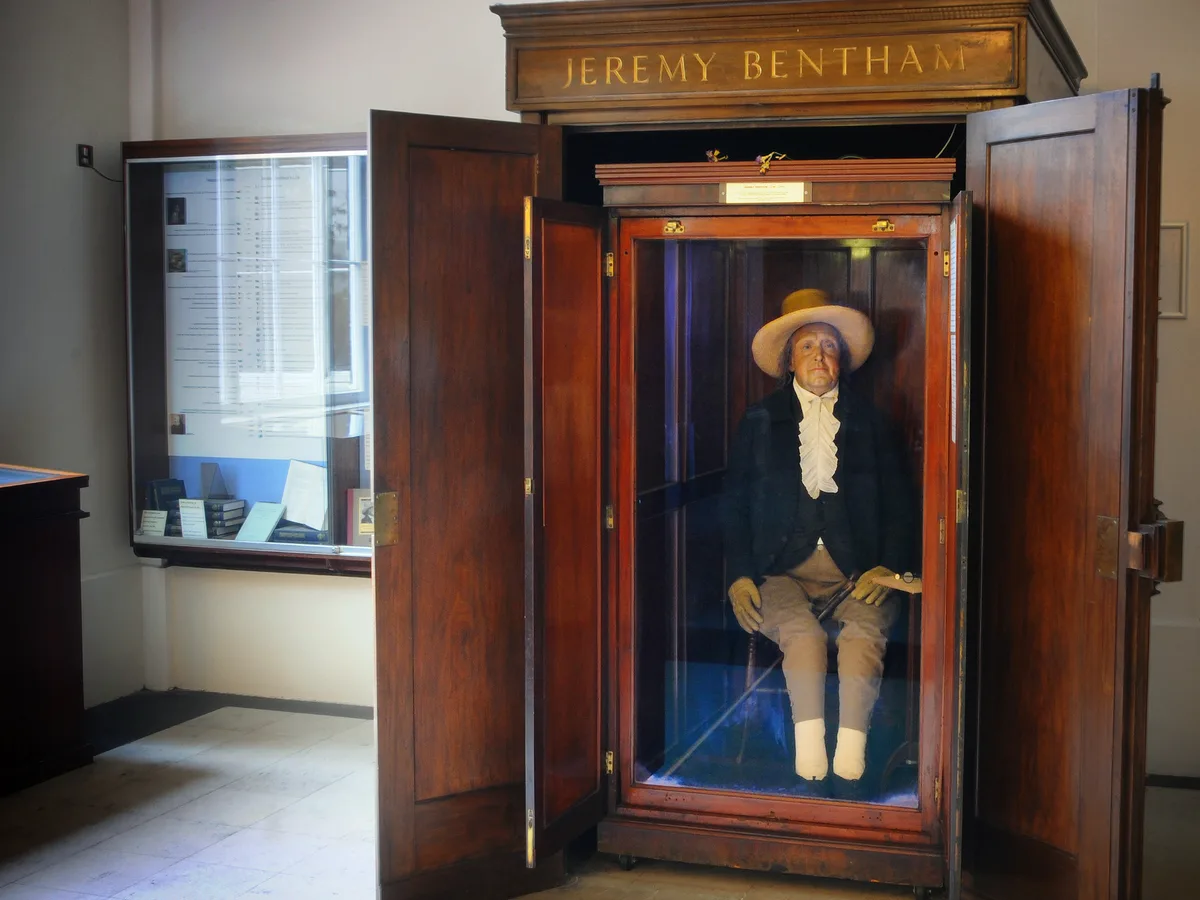
In early 19th-century England, post-mortem anatomical dissection was stigmatized by religious dogma and reserved primarily as a punitive sentence for executed murderers. Defying social conventions, Bentham drafted a visionary testament donating his deceased body to scientific research. He coined the concept of the “Auto-Icon”—an enduring, physical self-representation designed to serve as an educational and moral monument without yielding to superstitious funerary traditions.
Following Bentham’s death in 1832 at age 84, his personal physician Dr. Thomas Southwood Smith dissected his remains, padded his skeleton with straw, and dressed the figure in Bentham’s genuine garments, complete with his favorite walking stick “Dapple.” Much like how modern scientific research into chronic pain and physical health factors evaluates how bodily distress alters mental stamina, examining Bentham’s actual remains opened a startling window into his personal resilience.
The Fate of the Severed Head: Māori Mummification and the Ransom of 1975
The creation of the auto-icon encountered a notorious setback during the preservation of Bentham’s head. Bentham had explicitly ordered his head to be mummified in emulation of the indigenous Māori peoples of New Zealand, whose preserved heads (mokomokai) retained lifelike facial contours. Adhering to his wishes, anatomists surgically extracted Bentham’s brain through the foramen magnum and suspended the head over sulfuric acid vapors.
Unfortunately, the caustic chemical desiccated the facial musculature into a dark, leathery, and macabre mask. Reluctant to distress the public, Southwood Smith commissioned acclaimed French anatomical modeler Jacques Talrich to craft a lifelike wax portrait head based on death masks and paintings, fixing it upon the skeleton’s shoulders.
Bentham’s genuine severed head was placed in a wooden dish at the auto-icon’s feet, fitted with expressive glass eyes. In 1975, rival students from King’s College London famously stole the head as a prank, demanding a £100 charitable ransom. Following its safe return, administrators at the Bentham Project at UCL secured the irreplaceable artifact inside a temperature-controlled vault.
«He must have been in excruciating pain. His lower jawbone had eroded to paper-thin dimensions, the joints were ravaged by osteoarthritis, and his teeth were riddled with infection. The CT scan reveals the intense physical ordeal he endured.»
Tannis Davidson, Curator, Grant Museum of Zoology, University College London
CT Scan Findings: Paper-Thin Bone and Agonizing Temporomandibular Arthritis
As part of the upcoming bicentennial celebrations commemorating UCL’s 1826 founding, a research team led by Tannis Davidson, curator of UCL’s Grant Museum of Zoology, transported Bentham’s head to a state-of-the-art computed tomography (CT) scanner to generate a 3D digital model.
The volumetric radiologic data exposed profound oral pathology. By the end of his life, Bentham was missing nearly all of his molars, while the remaining anterior dentition showed massive caries and alveolar bone resorption. Crucially, the scans revealed end-stage osteoarthritis in the temporomandibular joint (TMJ).
“Bentham must have been in excruciating pain,” Davidson noted. The mandibular condyle and lower jawbone had eroded until the bone was paper-thin. With articular cartilage completely worn away, the raw bone surfaces ground directly against each other with every movement, making chewing, swallowing, and speaking an ordeal of acute agony.
Bentham formulated the principle of maximizing happiness and minimizing pain as the core of law and ethics.
He bequeathed his remains as a tangible scientific monument, rejecting traditional churchyard burial.
CT imaging revealed the jawbone was ground down to paper-thin thickness by end-stage TMJ osteoarthritis.
In celebration of UCL’s bicentennial, scientists generated a high-fidelity 3D model of the mummified skull.
Enlightenment Dentistry: An Era Without Anesthetics or Sepsis Control
In his personal correspondence, Bentham repeatedly documented agonizing toothaches that forced him to subsist on broths and purées. Yet he remained unaware that his chronic suffering stemmed from severe degenerative TMJ arthritis, attributing his pain to seasonal catarrh.
Early 19th-century dentistry could offer no relief. Effective surgical anesthetics like ether and nitrous oxide only emerged in the 1840s, more than a decade after Bentham’s death. Tooth extractions were performed unanesthetized using brutal dental keys, posing catastrophic risks of shattering the paper-thin jawbone or triggering lethal septicemia.
The very thinker who pioneered the “hedonic calculus”—mathematically weighing units of pleasure against pain—lived his final years enduring unrelenting physical anguish, demonstrating remarkable stoic fortitude as he continued dictating progressive legal reforms until his final days.
- The auto-icon has been on continuous display at University College London since the 1850s.
- The clothed auto-icon features an artistically sculpted wax head crafted by Jacques Talrich.
- In 1975, the genuine severed head was stolen by King’s College students for a charitable ransom.
- Bentham served as intellectual mentor to John Stuart Mill and spiritual inspiration for UCL.
Digital Immortality: The Virtual Auto-Icon
Beyond unraveling the philosopher’s clinical history, the high-density CT scans generated an interactive 3D digital twin showcased in the documentary film «Bentham Revealed». The scans distinctly captured preserved segments of the dura mater adhering to the cranial vault, alongside the metallic pins of his bespoke glass eyes.
Two centuries after the establishment of UCL, Jeremy Bentham’s vision of serving science beyond death has attained full digital reality. His virtual auto-icon now educates students and medical researchers across the globe, celebrating an indelible legacy of utilitarian philosophy.