

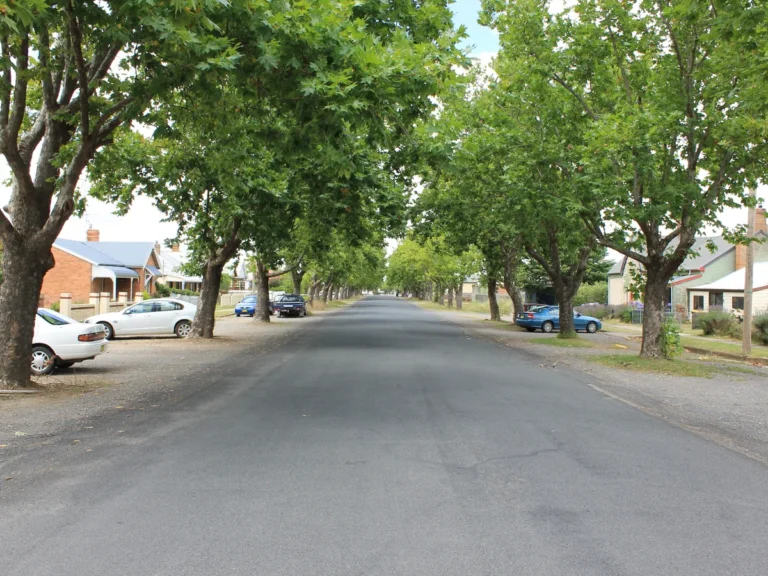

Every spring, blooming street foliage triggers an avalanche of sneezing, nasal congestion, and asthmatic flare-ups across global metropolitan areas, giving rise to the pervasive viral hypothesis that urban trees and allergies are tightly interlinked because city planners deliberately cultivate exclusively male tree specimens.
The Myth of Botanical Sexism: Origins of the Single-Sex City Narrative
The origin of the claim that cities are deliberately engineered as all-male botanical monocultures traces back to horticulturist Thomas Leo Ogren, creator of the Ogren Plant Allergy Scale (OPALS). In the late 1990s, Ogren highlighted a passage from the United States Department of Agriculture (USDA) 1949 Yearbook of Agriculture.
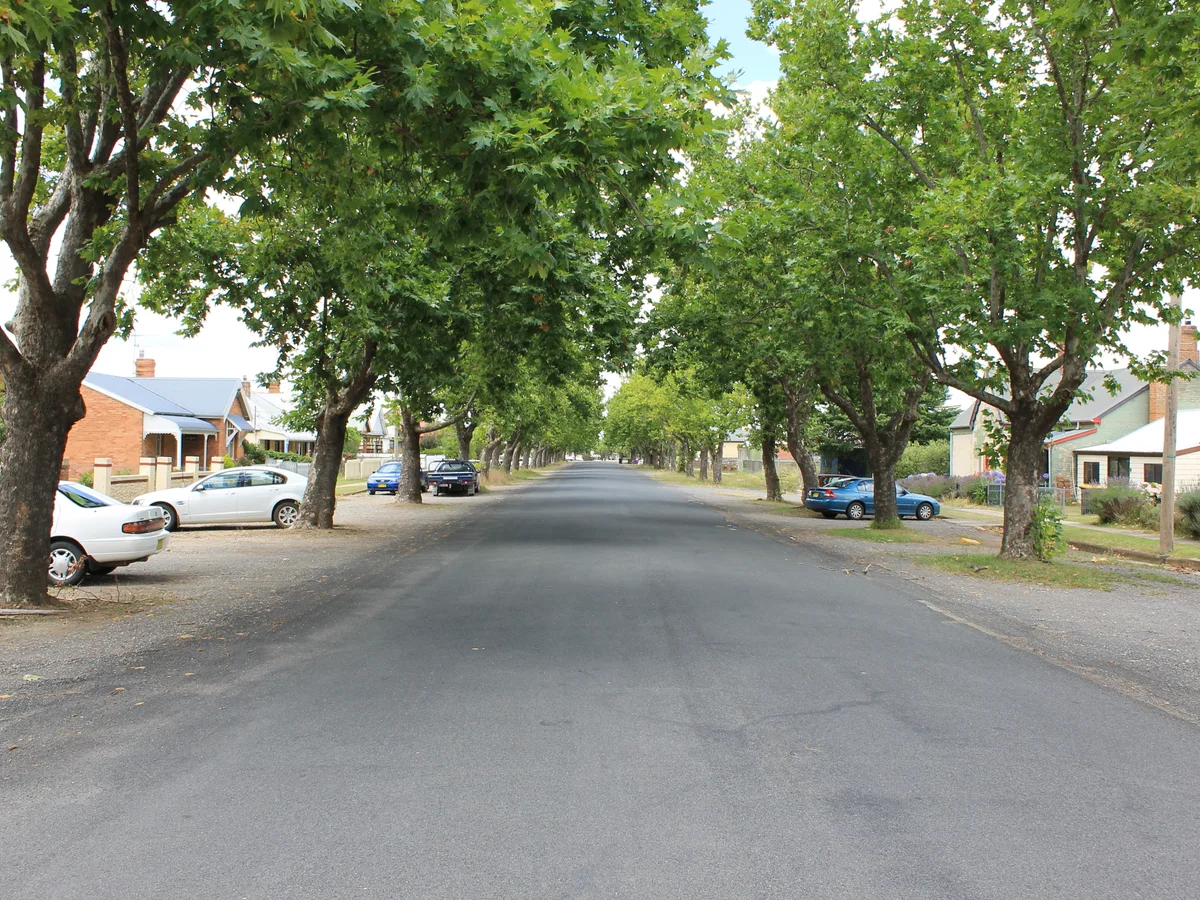
In that historical publication, federal specialists recommended that when planting certain street trees—specifically cottonwoods and boxelders—municipalities should prioritize male cuttings to prevent sidewalks and drainage gutters from becoming clogged with flying cotton seeds and decaying fruit. From this localized arboricultural recommendation, online commentators extrapolated a sweeping theory of municipal gender discrimination.
According to social media lore, municipal councils systematically banned female trees and populated urban streets exclusively with male pollen-producing clones, causing an artificial surge in hay fever. Viral posts insisted that had cities instead preserved female trees, their sticky stigmas would have acted like natural air purifiers, scrubbing pollen from the atmosphere. Yet municipal purchasing archives tell a far more practical story: trees were selected based on root stability, growth velocity, drought tolerance, smog resistance, and nursery availability, rather than sex-segregated breeding programs, which were technologically unfeasible in the mid-twentieth century.
Flora Reproductive Biology: Why Trees Cannot Be Neatly Divided by Gender
The foundational flaw of the botanical sexism thesis lies in attempting to map mammalian binary sex categories onto the plant kingdom. In reality, the vast majority of dominant urban tree species are not dioecious—meaning they do not have distinct male and female individuals. Only an estimated 5% to 6% of all angiosperm and gymnosperm species worldwide exhibit true dioecy. Among this modest minority are species such as the ancient maidenhair tree (Ginkgo biloba), certain willows (Salix), poplars (Populus), and ash trees (Fraxinus).
The remaining 95% of woody plants rely on entirely different evolutionary reproductive strategies. The primary culprits behind severe seasonal respiratory allergies—such as birch (Betula), alder (Alnus), oak (Quercus), pine (Pinus), and London plane (Platanus)—are monoecious.
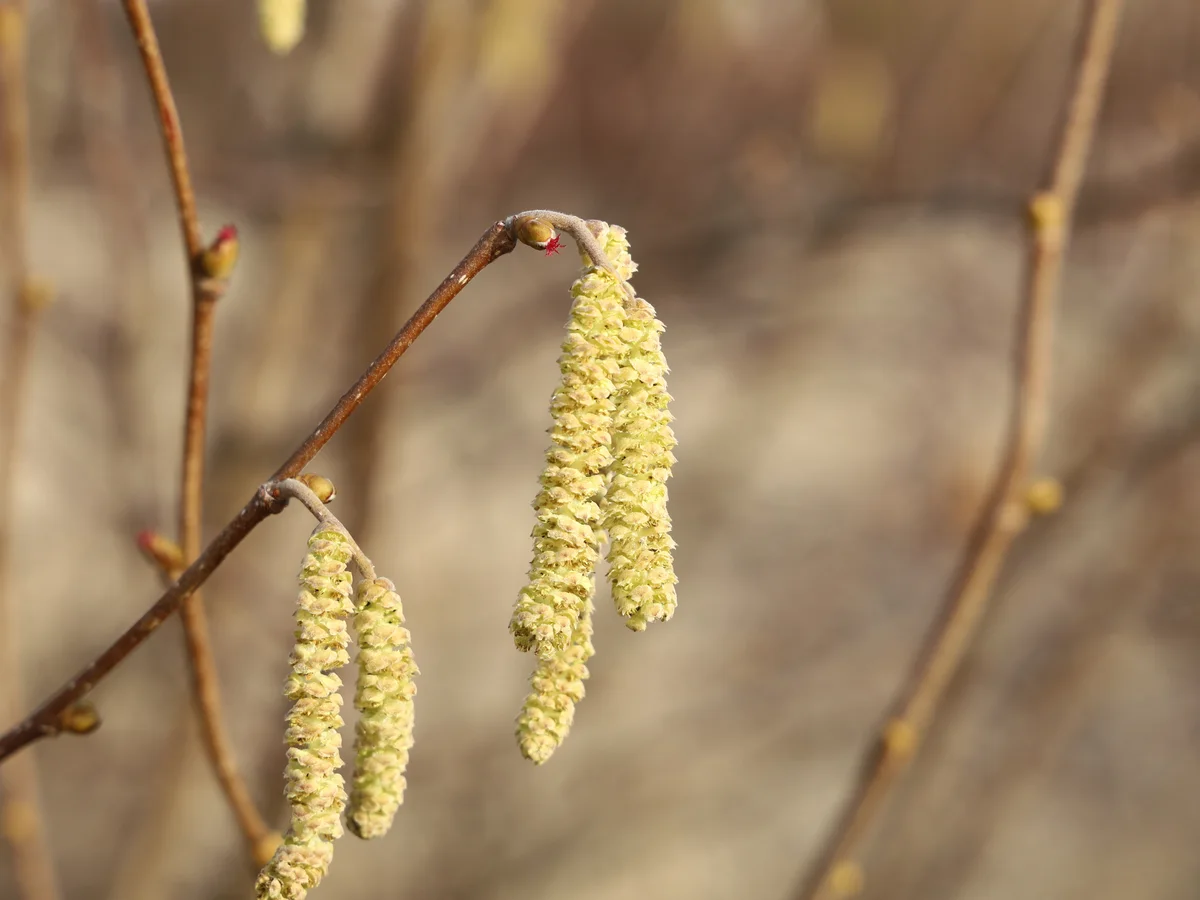
On a single monoecious tree, both male catkins (which generate billions of pollen grains) and female pistillate flowers (which receive pollen) develop concurrently on the same branch system. Furthermore, many ornamental street trees, including lindens, horse chestnuts, and wild cherries, bear cosexual (hermaphroditic) flowers containing both stamens and pistils. Specifying a “male-only oak” or a “female-only birch” is an evolutionary impossibility.
«Blaming mid-century municipal landscapers for botanical sexism makes for a catchy headline, but it unravels completely when confronted with the fundamental laws of plant morphology. Trees do not adhere to human gender constructs. The escalating severity of urban pollen seasons is fueled primarily by atmospheric carbon saturation and climate warming, which induce trees to synthesize far more aggressive allergen proteins.»
Stephen Luntz, Science Journalist & Botanical Analyst, IFLScience
The Pollen Vacuum Fallacy: Can Female Trees Truly Cleanse Urban Air?
A second major scientific fallacy supporting the myth is the belief that female trees act as potent biological vacuums. Proponents argue that the receptive surfaces of female flowers trap airborne pollen, thereby purifying the municipal breathing zone. Environmental aerobiologists dismiss this claim based on simple physics and surface-area calculations.
Anemophilous (wind-pollinated) trees rely on massive overproduction: a single mature birch or oak tree releases tens of billions of microscopic grains per season, forming widespread atmospheric plumes spanning entire counties. The aggregate surface area of receptive stigmas on a female tree represents an infinitesimally tiny fraction of a percent compared to the vast cubic kilometers of urban atmosphere circulating above a city street.
The probability of any given pollen grain landing on a receptive flower is minuscule—sufficient to ensure botanical fertilization, but entirely negligible as an air-filtration mechanism. Even if cities had planted 50% female specimens among dioecious species, atmospheric pollen counts would remain essentially identical, while streets would be littered with decaying fruits that generate slick pedestrian hazards and emit offensive odors. Understanding these mechanisms of immune hypersensitivity requires rigorous clinical appraisal rather than speculative folklore.
Warming springs compress blooming schedules, causing tree and grass pollen seasons to collide and inflicting sustained immune overstimulation.
Airborne exhaust particulates (PM2.5) interact with pollen walls, triggering osmotic rupture and generating deep-penetrating sub-micron allergens.
Elevated atmospheric CO2 accelerates staminate floral development, boosting raw pollen output by over twenty percent per individual canopy.
Historical over-reliance on uniform street plantings generates sharp, concentrated localized pollen peaks during peak anthesis.
The Real Culprits: Climate Shifts, Rising Carbon Dioxide, and Air Pollution
If urban planners did not deliberately orchestrate an all-male pollen crisis, what explains the documented escalation in seasonal allergy severity and the burgeoning patient numbers in allergy clinics? Atmospheric scientists and clinical immunologists point to two clear drivers: anthropogenic climate breakdown and urban vehicular emissions.
Rising baseline temperatures cause spring bud-break to commence up to 20 days earlier across the Northern Hemisphere, while delayed winter frosts prolong the pollinating cycle of grasses and weeds deep into late autumn. Furthermore, atmospheric carbon dioxide (CO2) enrichment acts as an aggressive chemical fertilizer for photosynthetic organisms.
Controlled biological experiments confirm that elevated carbon concentrations induce trees to expand their male inflorescence biomass, yielding approximately 20% to 25% more pollen per branch. In parallel, environmental stress triggers plants to upregulate defense-related pathogenesis-related proteins (such as Bet v 1 in birch), rendering individual pollen grains substantially more immunogenic. This mirrors the broad phenomenon observed across global agriculture, where the impacts of global warming on plant physiology alter fundamental cellular biochemistry.
- Biological Misconception: Over 75% to 80% of global tree species are monoecious or cosexual, defying any neat categorization into separate male or female individuals.
- The Absorption Fallacy: Female trees do not function as atmospheric “vacuum cleaners” capable of capturing significant volumes of ambient pollen.
- Climate Amplification: Rising global temperatures extend the pollination window by up to 20 days, while elevated CO2 spikes tree pollen output by 21%.
- Pollution Synergies: Diesel particulate matter (PM2.5) ruptures pollen shells, discharging sub-micron, hyper-reactive allergen proteins into the respiratory tract.
- The 10/20/30 Rule: Modern urban forestry mandates strict canopy diversity standards to prevent monoculture vulnerabilities and stagger airborne pollen loads.
Modern Urban Forestry: The 10/20/30 Rule and Sustainable Canopy Resilience
Rather than chasing an unscientific mandate for tree gender parity, municipal forestry institutions worldwide are implementing robust ecological resilience frameworks. Foremost among these is the internationally recognized 10/20/30 diversity guideline, established by arboricultural geneticist Frank Santamour. This management standard prescribes that no single species should comprise more than 10% of an urban forest, no single genus more than 20%, and no single family more than 30%.
Adhering to this principle shields metropolitan canopies from catastrophic pest infestations (such as emerald ash borer or Dutch elm disease) while temporally staggering pollination cycles, thereby preventing single massive spikes in bio-aerosol density.
In addition, modern landscape architects increasingly incorporate insect-pollinated (entomophilous) species—including European linden, sweetgum, horse chestnut, and flowering magnolias. These trees produce heavy, sticky grains tailored for insect vectors rather than atmospheric wind currents, virtually eliminating involuntary human inhalation. Ultimately, blaming urban landscapers for an intentional proliferation of male trees is an unfounded myth: true urban resilience requires biodiverse canopies.