

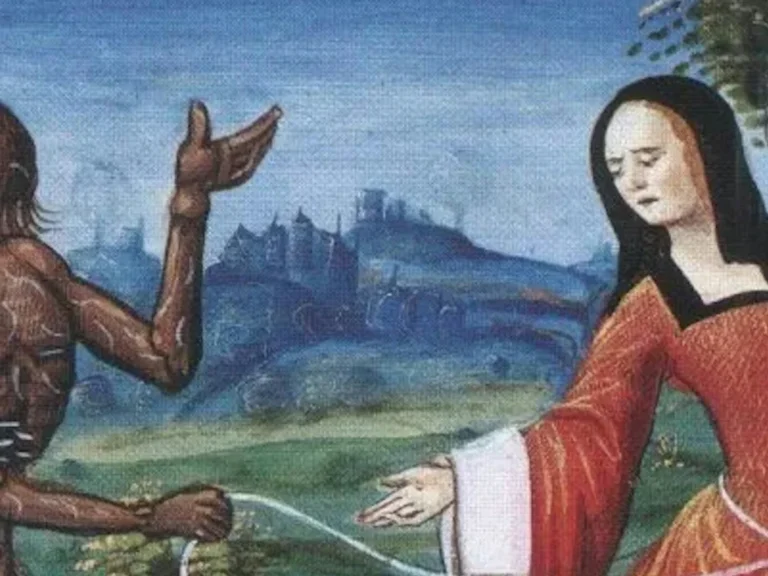

Authentic medieval ghost stories bore virtually no resemblance to the ethereal, translucent specters of Victorian fiction: Durham University historians examining 15th-century monastic chronicles have revealed that medieval spirits were tangible, rotting corpses (revenants) that assaulted travelers, stole silver spoons, and pleaded for purgatorial absolution.
The Corporeal Dread of the Middle Ages: Why Early Ghosts Had Weight and Flesh
In contemporary folklore, the ghost is almost universally conceived as an incorporeal, transparent phantom gliding effortlessly through walls. However, throughout High and Late Medieval Europe, encounters with the dead were experienced with terrifying physicality. The medieval ghost was corporeal, heavy, foul-smelling, and horrifyingly tangible—a literal reanimated cadaver rising from its freshly dug parish grave.
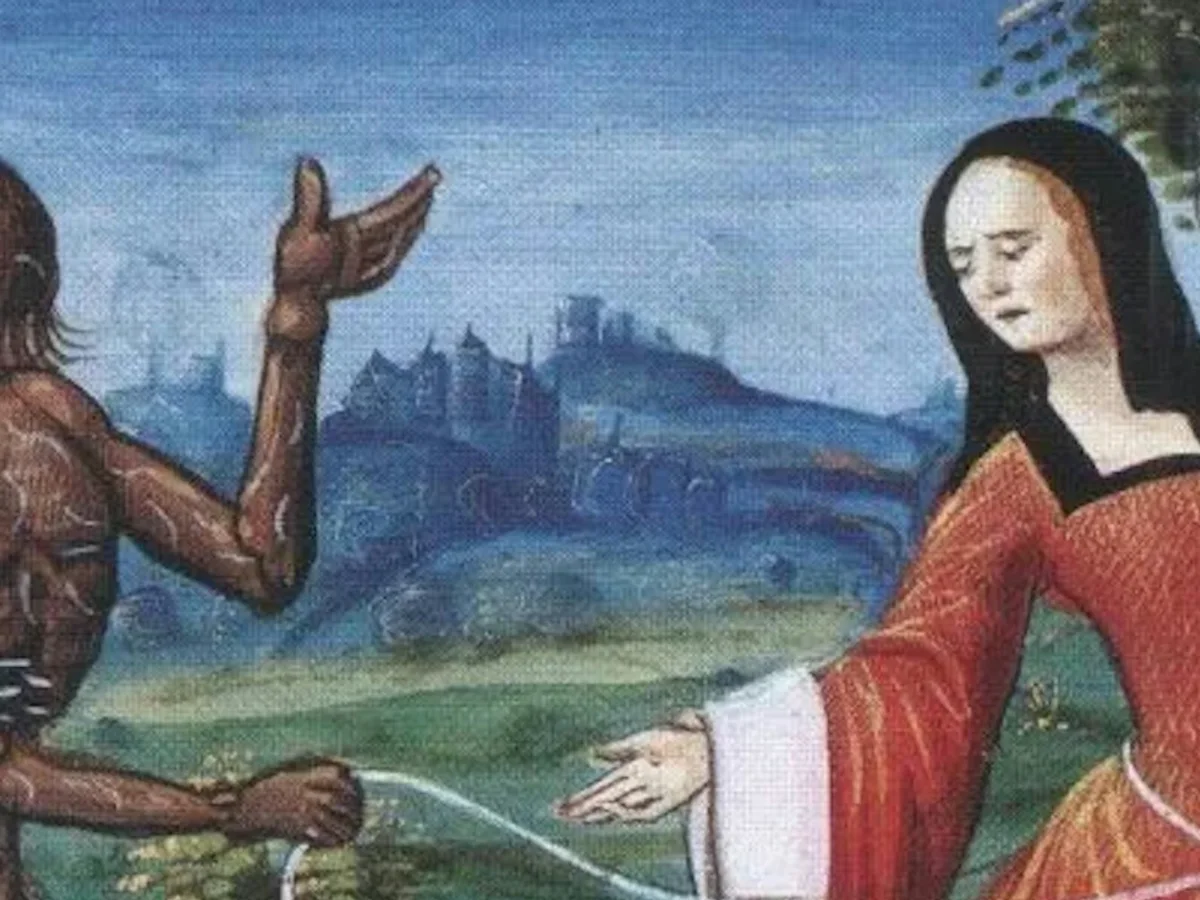
In an illuminating study published in The Conversation by Dr. Alex Brown (Alex Brown), Associate Professor of Medieval History at Durham University, scholars explored a remarkable literary survival: a collection of 12 ghost narratives penned in Latin around 1400 by an anonymous monk at Byland Abbey, a Cistercian monastery in North Yorkshire.
The Byland chronicles are steeped in graphic visceral detail. In one striking account, a terrified woman defending herself against an nocturnal phantom pushed her hand directly into the spirit’s flesh, describing it as soft, rotten, and decomposing. Such beings, known across Northern European folklore as revenants (the walking dead), ambushed solitary travelers, tore down fences, and engaged living men in brutal hand-to-hand combat.
The Doctrine of Purgatory: Theological Framework for Restless Souls
The monastic documentation of such encounters was neither accidental superstition nor idle tavern gossip. Rather, it reflected the profound theological consolidation of Purgatory (Purgatorium) during the 12th and 13th centuries by the Catholic Church. Purgatory was conceived as an intermediary realm of cleansing punishment where imperfect souls were purged of venial sins before ascending to Heaven.
Unlike the damned in Hell, souls detained in Purgatory maintained a continuous communicative bond with the living world. Catholic doctrine held that the living could materially alleviate the torment of the dead through intercessory prayers, Gregorian masses, charitable almsgiving, and penitential pilgrimages. Spirits returned not out of malice, but out of agonizing desperation for spiritual release.
Consequently, medieval ghost tales carried an urgent didactic imperative: they functioned as dramatic exempla, reminding parishioners of the reality of post-mortem accountability, the absolute necessity of sacramental confession, and the spiritual duty of honoring familial memory.
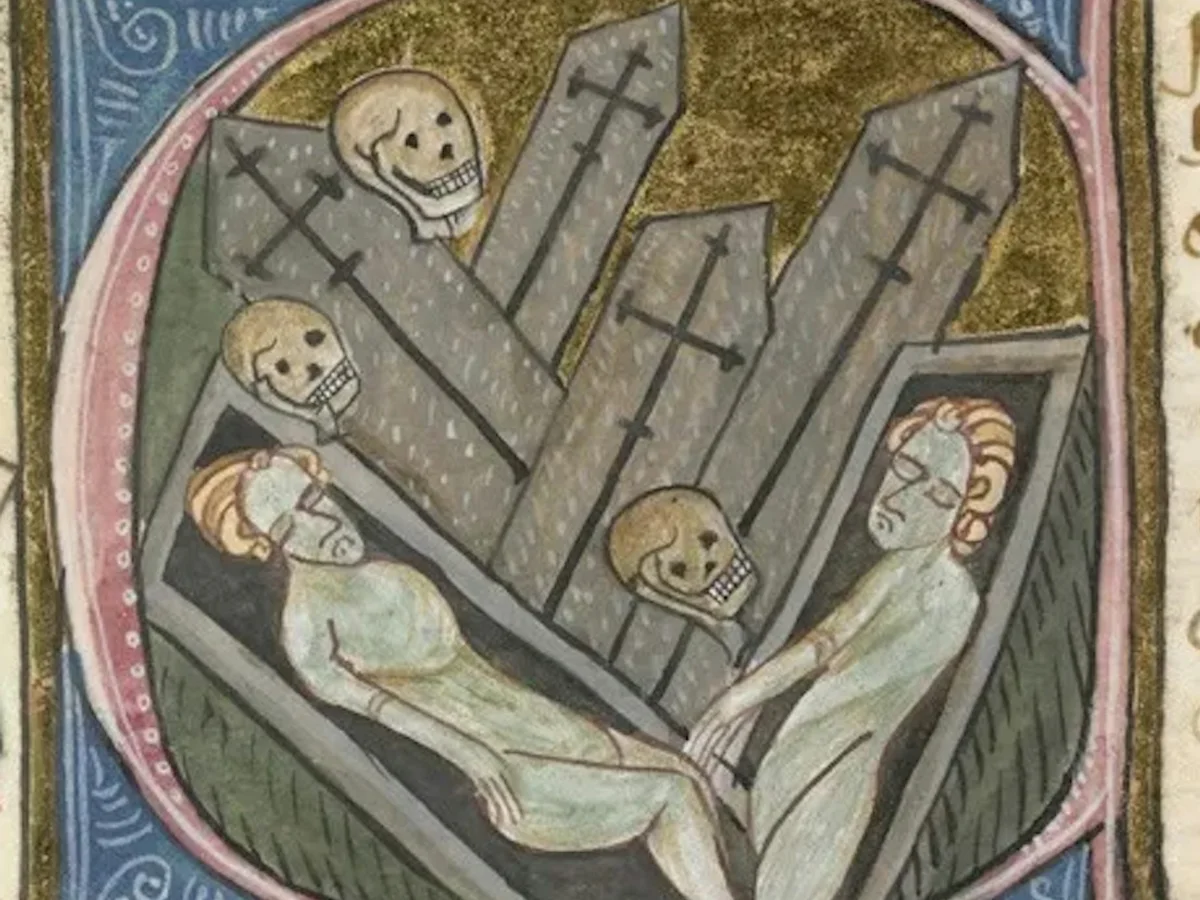
«Medieval ghosts were flesh and blood belonging to the physical world. They stood as tangible warnings that sins left unrectified on earth bound the human soul to a rotting corpse amidst the agony of purgatorial fire.»
Dr. Alex Brown (Dr. Alex Brown), Associate Professor of Medieval History, Durham University
Medieval Ghost Stories of Byland Abbey: Spoon-Stealing Spirits and Agrarian Disputes
Among the Byland texts, one of the most vivid stories involves two Yorkshiremen walking across an open field at dusk. Suddenly, a terrifying apparition lunged from the shadows. While one companion fled in blind panic, the other was locked in a violent wrestling match with the spirit, which violently shredded his clothing. The brave traveler managed to «conjure» the ghost in the name of the Holy Trinity—a crucial liturgical formula that compelled spirits to speak.
The ghost confessed that while alive, he had been excommunicated for stealing a set of silver spoons. Because of this unabsolved crime of sacrilege and theft, his soul was barred even from Purgatory, forced to wander through the landscape encased in his decaying body. He begged the surviving villager to return the stolen silverware to its rightful owner and seek formal ecclesiastical absolution on his behalf, which the man dutifully accomplished, granting the tormented soul eternal rest.
In another incident revolving around property inheritance, the spirit of Adam de London’s deceased sister haunted the village of Ampleforth. She explicitly confronted her brother, warning him that unless he restored disputed family land to her surviving husband and sons, he would suffer the identical purgatorial torment upon his demise.
Medieval ghosts possessed flesh, weight, and rotting mass, wrestling living men, tearing garments, and causing real physical harm.
Spirits returned not out of malice, but to beg for intercessory masses, restitution of debts, and prayers to shorten their purgatorial torment.
The 12 Byland Abbey tales capture village anxieties: stolen silver spoons, disputed field boundaries, and incomplete feudal ploughing.
Decapitated, burned, and intentionally fractured skeletons from 11th-13th century pits confirm real communal fear of the walking dead.
Shapeshifting Specters and Apotropaic Mutilation of Dangerous Revenants
The Byland manuscript reveals that medieval ghosts possessed extraordinary shapeshifting capabilities. A tailor named Snowball was repeatedly stalked by a spirit assuming the likeness of a raven and subsequently a dog, with the apparition admitting it only held power over him because Snowball had skipped Sunday Mass. Another specter following William de Bradeforth with unearthly cries of «how, how, how» dissolved upon being exorcised, folding away «like a four-cornered piece of canvas billowed by the wind».
However, when peaceful mediation failed, medieval communities resorted to violent physical remedies. In the notorious case of James Tankerlay, a former parish rector who rose from his grave to attack and blind his former concubine, the villagers chose not to rely on prayer. Instead, they exhumed Tankerlay’s swollen corpse, dragged it to a remote wasteland, and hurled the mutilated remains into a bottomless bog (mire).
Such extreme anti-revenant measures are corroborated across European archaeological contexts, as we previously documented when examining medieval monastic burial practices and physical safeguards employed to anchor restless dead beneath consecrated stone.
- Historical Manuscript: 12 Latin ghost encounters recorded around 1400 by an anonymous monk at Byland Abbey.
- Shapeshifting Demons: Spirits could manifest as dogs, ravens, or collapse into billowing sheets of canvas.
- Sacred Conjuration: Living witnesses had to invoke Christ’s name to compel corporeal revenants to speak and state their plight.
- Violent Exorcism: Aggressive walking dead were exhumed, dismembered, and cast into mires or incinerated.
- Didactic Moral: Each account illustrated the perilous spiritual cost of unconfessed sins and unfulfilled obligations.
Wharram Percy Excavations: Forensic Evidence of Walking Dead Anxieties
For generations, modern historians debated whether revenant tales were mere pious allegories invented by monastic scribes. That skepticism was permanently shattered by sensational bioarchaeological discoveries at the deserted medieval village of Wharram Percy in North Yorkshire.
Forensic anthropologists examining more than 130 human bones dating between the 11th and 13th centuries from communal disposal pits discovered undeniable marks of deliberate post-mortem mutilation: severed cervical vertebrae indicating decapitation, smashed femurs and arm bones broken with heavy blunt weapons, and distinct localized burn marks.
Medieval communities possessed deep religious faith in the resurrection, yet when confronted with the terrifying prospect of physical corpses wandering their village lanes, they preferred to leave nothing to chance. The ghost stories of Byland Abbey stand as an extraordinary window into a world where the boundary between warm breathing life and cold rotting eternity was terrifyingly porous.