

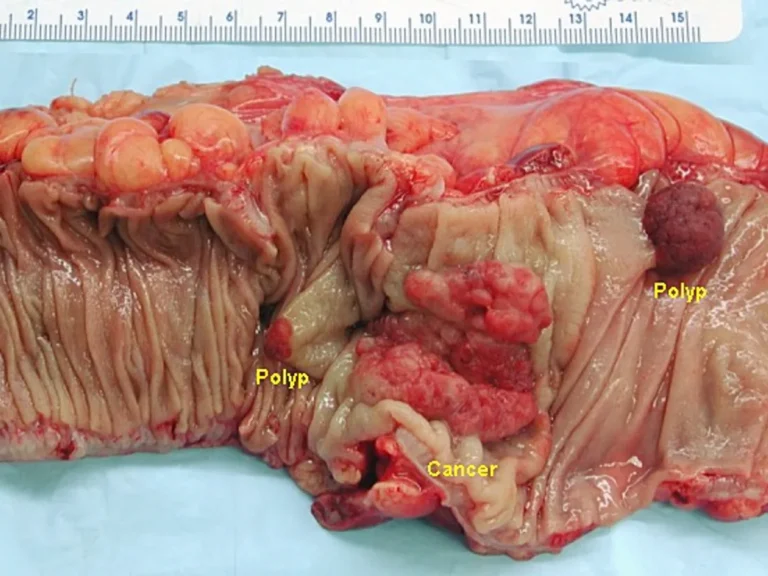

Over the past three decades, the incidence of colorectal cancer in individuals under age 50 has surged by more than 50%, transforming this malignancy into the leading cause of cancer-related mortality among young men and the second among young women. For years, oncologists struggled to explain why early-onset tumors behave with such devastating aggressiveness, resisting standard chemotherapy and metastasizing rapidly. A multi-institutional study led by researchers from the Dana-Farber Cancer Institute, Harvard Medical School, and the Broad Institute, published in Nature Medicine, has finally identified the cellular culprit: colorectal cancer in young people constructs an aberrant, dense tumor microenvironment dominated by cancer-associated fibroblasts that shield malignant cells from chemotherapy and immune destruction.
An Alarming Epidemic: The Rapid Rise of Colorectal Cancer in Younger Generations
Colorectal cancer was long considered a disease of aging, with the median age of onset hovering around 70 years. While widespread colonoscopy screening past age 50 dramatically decreased rates among older demographics across Western nations, an alarming counter-trend emerged: since the mid-1990s, incidence rates in individuals aged 20 to 49 have steadily climbed by 2% to 3% annually.
According to data from the American Cancer Society, one out of every five new colorectal diagnoses now occurs in individuals under 55. Compounding the tragedy, younger adults are nearly twice as likely to be diagnosed at advanced stages III or IV with distant metastases. While diagnostic delays play a role—young patients and primary care physicians frequently dismiss hematochezia or abdominal pain as benign hemorrhoids—clinical trials revealed an undeniable biological discrepancy.
Even when subjected to aggressive multimodal regimens (FOLFOX, FOLFIRI, and anti-EGFR biologics), metastatic young-onset patients often experience shorter progression-free intervals, highlighting deep underlying biological resistance.
The Single-Cell Atlas: Unmasking the Tumor Microenvironment
To uncover the mechanisms driving this aggressive trajectory, researchers at the Dana-Farber Cancer Institute and the Gene Lay Institute of Immunology and Inflammation performed deep single-cell RNA sequencing on more than 850,000 individual cells harvested from primary colorectal tumors spanning ages 29 to 92.
Their findings, published in Nature Medicine, fundamentally shifted the paradigm away from intrinsic epithelial genetics. Somatic driver mutations (such as APC, KRAS, TP53, and PIK3CA) showed comparable frequencies across age cohorts. Instead, the profound divergence lay within the surrounding tumor microenvironment.
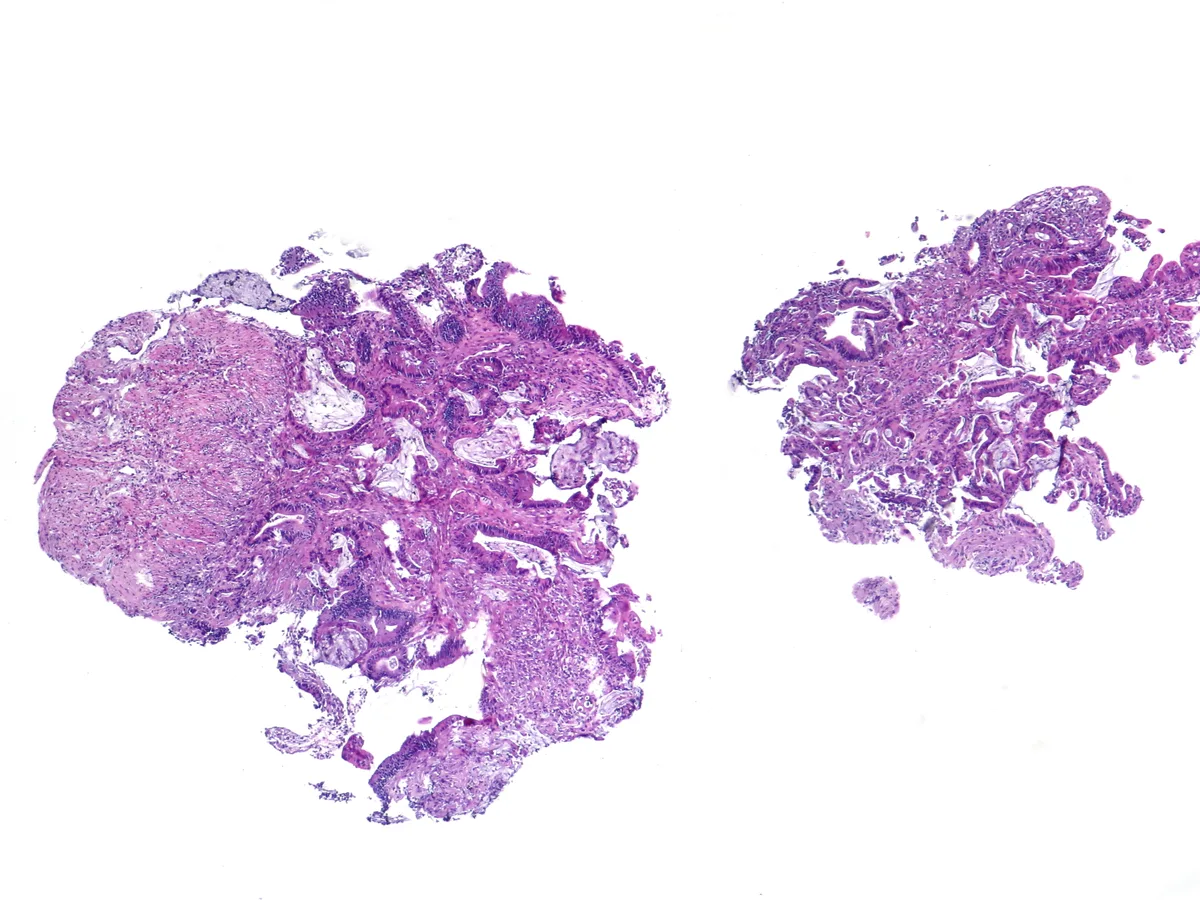
The researchers discovered that tumors from younger adults are heavily infiltrated by non-malignant stromal cells, specifically activated Cancer-Associated Fibroblasts (CAFs). These fibroblasts construct dense, scar-like desmoplastic stroma surrounding the cancerous glands.
High-resolution spatial transcriptomics mapped the precise cellular architecture within the tumors, confirming that cancer-associated fibroblasts do not merely congregate randomly. Instead, they organize into stratified perivascular cuffs, encasing tumor-feeding capillaries and establishing both a physical barrier to immune extravasation and a biochemical sanctuary for chemotherapy-resistant stem-like cancer cells.
«For years, the assumption was that young-onset colorectal cancer was simply older-onset disease occurring ahead of schedule. Our single-cell atlas clearly reveals a fundamentally distinct biology: tumors in younger patients aggressively remodel their stromal microenvironment into protective fortresses.»
Dr. Kimmie Ng, Co-Director of the Colon and Rectal Cancer Center, Dana-Farber Cancer Institute
The Fibroblast Fortress: Blocking Chemotherapy and Immunotherapy
This dense fibroblastic matrix serves as an impenetrable physical and immunological shield. The rigid collagen network elevates interstitial fluid pressure, physically compressing microvasculature and preventing systemic chemotherapeutic agents from diffusing into the tumor core.
Immunologically, CAFs secrete massive amounts of transforming growth factor-beta (TGF-β) and CXCL12. These immunosuppressive cytokines functionally paralyze cytotoxic CD8+ T cells and natural killer cells, establishing an ‘immune-excluded’ microenvironment entirely resistant to standard immune checkpoint blockade.
Concurrently, stromal signaling triggers strong epithelial-mesenchymal transition (EMT) programs within the tumor cells, enabling them to detach, invade lymphatic vessels, and establish liver metastases long before primary symptoms prompt diagnostic workups. In our previous clinical pathology reviews, we investigated tissue encapsulation mechanisms when examining the rare clinical case of an abdominal lithopedion, demonstrating how human tissues erect fibrous barriers under prolonged stress.
Furthermore, phenotypic analysis showed that younger patients’ CAFs exhibit higher expression of matrix metalloproteinases (MMPs) and connective tissue growth factor (CTGF), driving excessive collagen deposition and vascular remodeling. This rigid microenvironment physically impedes the delivery of macromolecules, rendering large monoclonal antibody therapeutics significantly less potent.
Detailed metabolic tracing further demonstrated that CAFs engage in active metabolic symbiosis with the malignant epithelial cells, secreting lactate and amino acids that fuel cancer growth under severe intratumoral hypoxia. This cross-feeding mechanism grants young-onset cancer cells an extraordinary survival buffer, blunting the effectiveness of conventional antimetabolite chemotherapies.
Single-cell RNA sequencing mapped cellular transcriptomes from colorectal cancer patients aged 29 to over 90.
Tumors from young patients harbor a dramatically elevated proportion of cancer-associated fibroblasts and collagen.
Malignant epithelial cells in young adults exhibit potent epithelial-mesenchymal transition, driving systemic metastasis.
Targeting TGF-beta and fibroblast activation protein (FAP) holds the key to dismantling stroma and restoring chemotherapy efficacy.
Environmental Drivers: The Modern Exposome and the Gut Microbiome
Why do younger cohorts develop such aggressive fibroblastic stroma? Investigators point toward the modern ‘exposome’—the cumulative environmental exposures experienced from early childhood.
Diets saturated with ultra-processed foods, high-fructose corn syrup, and emulsifiers, combined with sedentary lifestyles and widespread pediatric antibiotic use, have radically altered the human intestinal microbiome. This dysbiosis promotes the expansion of pro-inflammatory bacteria, such as genotoxic pks+ Escherichia coli and Fusobacterium nucleatum.
Chronic, subclinical mucosal inflammation continually stimulates local gut fibroblasts into an active, wound-healing state, inadvertently laying down the collagenous scaffolding necessary for aggressive tumor expansion.
- Pronounced desmoplastic stroma creating physical interstitial barriers against cytotoxic CD8+ T-cell infiltration;
- Hyperactivation of fibrogenic signaling cascades and excessive deposition of types I and III fibrillar collagen;
- Heightened expression of oncogenic long non-coding RNAs associated with multi-drug resistance phenotypes;
- Marked predilection for distal anatomic presentation within the descending colon and rectum.
Translational Horizons: Breaking the Shield to Save Young Lives
The discovery of the fibroblast shield provides an immediate roadmap for personalized therapeutic intervention. Rather than indiscriminately escalating cytotoxic chemotherapy dosages, clinical protocols can now incorporate stroma-disrupting biologics.
Investigators at Dana-Farber are evaluating combinations that pair standard chemotherapy with TGF-beta inhibitors, CXCR4 antagonists, and fibroblast activation protein (FAP)-targeted therapies to dismantle the collagen barrier and restore drug perfusion.
Crucially, these findings reinforce international public health directives recommending that average-risk colorectal screening begin at age 45, with immediate clinical evaluations for any young adult presenting with unexplained rectal bleeding or chronic bowel habit alterations.