


A major paradigm shift is taking place in biological psychiatry: researchers have discovered that in nearly one in four patients, severe and persistent mood disorders are driven not by chemical neurotransmitter shortages, but by a profound functional desynchronization of the internal body clock. A landmark clinical and genomic study from the University of Sydney, published in the prestigious British Journal of Psychiatry, has confirmed that the circadian depression subtype represents a clinically distinct disease entity affecting approximately 23% to 25% of all individuals diagnosed with severe, recurrent, or treatment-resistant depression. Characterized by extreme evening chronotypes, pronounced social jetlag, excessive hypersomnia, and marked seasonal worsening, these patients exhibit a consistently poor response to conventional SSRI antidepressants and require targeted chronotherapeutic interventions, including high-intensity bright morning light therapy, exogenous melatonin, and melatonin receptor agonists.
The Monoamine Paradigm Crisis: Why One-Fourth of Patients Fail Standard Antidepressants
For over fifty years, mainstream psychiatric medicine has adhered strictly to the monoamine hypothesis of depression, which conceptualizes affective illness as an intracranial deficiency of serotonin, norepinephrine, and dopamine within limbic and prefrontal synaptic networks. This framework established selective serotonin reuptake inhibitors (SSRIs) such as sertraline, escitalopram, and fluoxetine as the ubiquitous frontline pharmacotherapy worldwide. Yet empirical clinical realities have continually challenged this reductionist doctrine: approximately one-third of all patients with major depressive disorder (MDD) experience chronic treatment resistance, partial remission, or debilitating side effects ranging from emotional blunting and cognitive apathy to worsening insomnia.
At the Brain and Mind Centre of the University of Sydney, a multidisciplinary research team led by Dr. Jacob Crouse and Professor Ian Hickie set out to decode the physiological roots of this widespread therapeutic failure. The clinicians noted that among treatment-resistant individuals, the central core of subjective suffering is rarely defined merely by cognitive distortions of guilt or hopelessness. Instead, these patients present with an all-encompassing collapse of biological pacing: an inability to fall asleep before the early hours of the morning, profound morning sleep inertia, 12-hour unrefreshing hypersomnia, and drastic seasonal deterioration during winter months.
Historically, sleep disruptions were dismissed by clinical nosology as mere epiphenomena or collateral consequences of psychological trauma and anxiety. However, contemporary chronobiological research has inverted this causal relationship: systematic dysfunction within the central pacemaker of the central nervous system represents the primary driving trigger of a distinct pathophysiology.
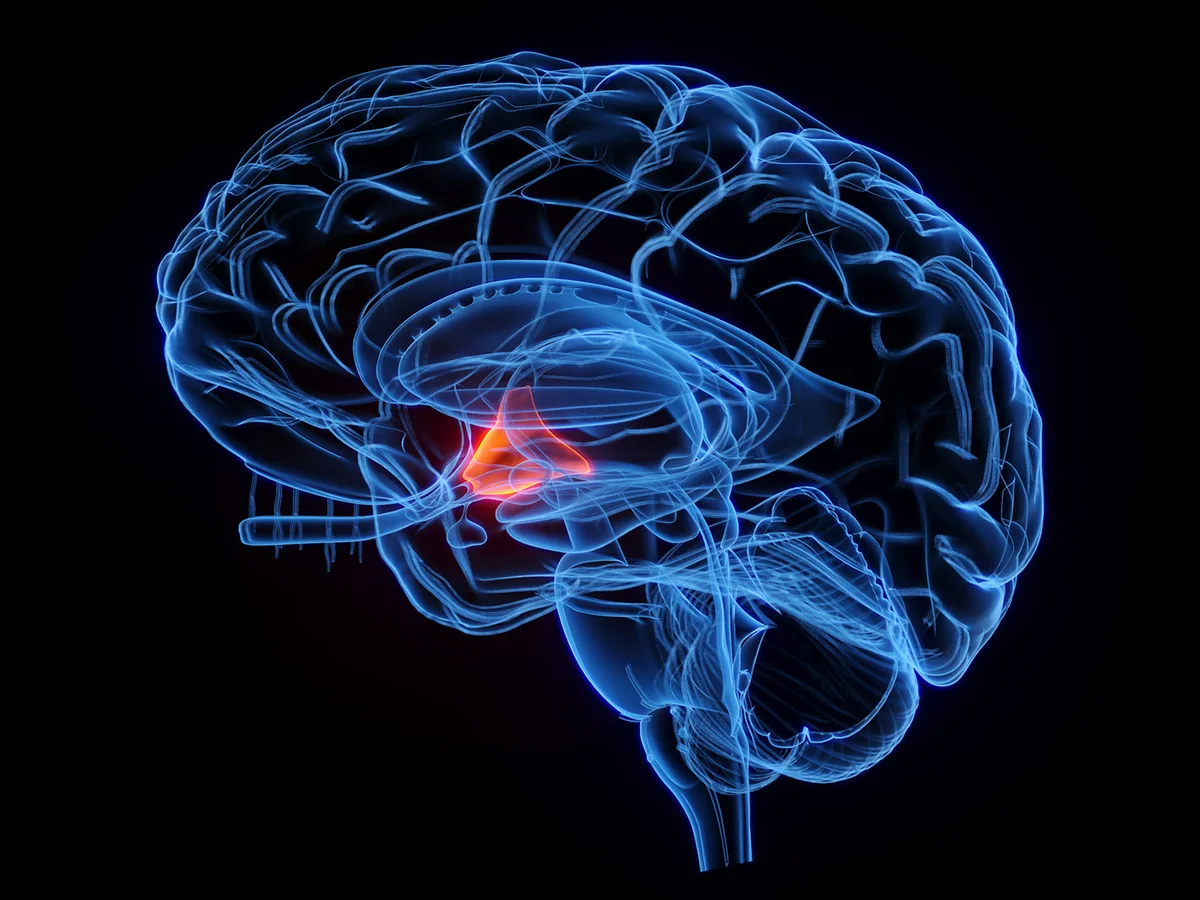
Deciphering how subcortical oscillators regulate cortical circuitry is intimately tied to our evolving understanding of the intricate neurobiological architecture of the human brain, wherein deep hypothalamic pacemakers govern the foundational energetic and emotional stability of higher cerebral networks.
The AGDS Cohort Analysis: 11,000 Patients and the Discovery of the Circadian Depression Subtype
The empirical bedrock of this paradigm-shifting discovery is the Australian Genetics of Depression Study (AGDS), an extraordinary national research registry comprising 11,411 adult participants. Every individual enrolled in the cohort possessed a verified clinical diagnosis of major depressive disorder, had undergone medical treatment, and contributed comprehensive biomaterial for genome-wide association study (GWAS) sequencing. The investigators conducted rigorous latent class and cluster analyses across hundreds of validated psychometric, behavioural, and genomic variables.
The statistical algorithms revealed a sharply demarcated, homogenous cluster representing exactly 23.2% of the entire cohort—nearly one in every four depressed individuals. Patients in this cluster consistently exhibited a distinct constellation of chronobiological abnormalities. The researchers established rigorous diagnostic criteria: classification into this novel subcategory requires the concurrent presence of at least three of six hallmark circadian phenotypes.
These six definitive clinical markers comprise: an extreme evening chronotype (severe “night owls”), delayed sleep midpoint (falling asleep past 3:00 to 4:00 AM), substantial social jetlag (a discrepancy of two or more hours in sleep schedules between workdays and weekends), marked hypersomnia (sleeping 10 to 14 hours daily during depressive episodes), severe morning sleep inertia, and pronounced seasonal mood shifts during darker winter months.
A comprehensive review of clinical trajectories showed that patients with the circadian subtype developed their condition significantly earlier in life—at an average age of 18.2 years compared to 23.4 years among non-circadian patients. Furthermore, they demonstrated higher recurrence rates, an increased frequency of suicidal ideation, and concurrent metabolic weight gain during active episodes.
Analysis of 11,411 patients from the Australian Genetics of Depression Study (AGDS) isolated a robust, reproducible circadian cluster in almost one-quarter of cases.
Classification requires at least three of six traits: extreme evening chronotype, late sleep midpoint, severe social jetlag, hypersomnia, sleep inertia, and seasonality.
Patients with this biological profile experience poor therapeutic remission with first-line SSRI/SNRI medications alongside higher rates of pharmacological side effects.
High-intensity 10,000 lux morning light therapy, micro-dosed melatonin, and MT1/MT2 melatonergic receptor agonists (agomelatine) restore circadian phase alignment.
Molecular Pathophysiology: The Suprachiasmatic Nucleus and CLOCK/BMAL1 Gene Disruption
At the molecular core of the circadian depression subtype lies a profound dysfunction within the master circadian pacemaker: the suprachiasmatic nucleus (SCN) of the anterior hypothalamus. Comprising roughly 20,000 specialized pacemaker neurons, the SCN acts as the master conductor of the human organism, coordinating peripheral oscillators across the liver, kidneys, cardiovascular system, and cerebral cortex. This rhythmicity is generated by cell-autonomous autoregulatory transcriptional-translational feedback loops involving the core clock genes CLOCK, BMAL1, PER1/2/3, and CRY1/2, oscillating over an intrinsic period of approximately 24.2 hours.
In circadian depression, this molecular oscillation undergoes an uncompensated delayed phase shift. High-density genetic sequencing revealed an enrichment of single nucleotide polymorphisms (SNPs) within core circadian and melatonergic pathways. This molecular lesion severely disrupts the kinetics of melatonin secretion by the pineal gland. In healthy individuals, dim light melatonin onset (DLMO) occurs roughly two hours prior to habitual bedtime, triggering sleepiness and core temperature reduction. In circadian subtype patients, DLMO is delayed until the early morning hours (2:00 to 4:00 AM) or is significantly blunted in amplitude.
Simultaneously, the diurnal cortisol curve is inverted. Rather than exhibiting a robust cortisol awakening response (CAR) to mobilize glucose and mental alertness upon sunrise, circadian depression patients exhibit flattened morning cortisol followed by a pathological rise late in the evening. As a consequence, the brain endures an agonizing state of physiological dyssynchrony: hyper-aroused in the middle of the night, yet trapped in metabolic and bioelectric hypobiosis throughout the daytime.
This systemic desynchronosis impairs hippocampal neurogenesis, downregulates brain-derived neurotrophic factor (BDNF), enhances systemic pro-inflammatory cytokine expression, and uncouples monoaminergic receptor sensitivity, resulting in persistent and refractory depressive states.
«Our extensive genetic and clinical evaluation of more than 11,000 patients reveals that attempting to treat circadian depression solely with serotonergic medications is fundamentally flawed. When the cellular clocks of the brain are misaligned, patients require phase synchronization through targeted light therapy and melatonin agonists, rather than monoamine reuptake inhibition.»
Dr. Jacob Crouse, Research Fellow at the Brain and Mind Centre, University of Sydney
The New Chronotherapeutic Protocol: 10,000 Lux Light Therapy, Melatonin, and Agomelatine
The definitive recognition of the circadian depression subtype mandates a complete overhaul of conventional clinical prescribing practices. Because SSRIs and SNRIs primarily manipulate synaptic serotonin and norepinephrine concentrations, they do not correct the underlying transcriptional delays within the SCN. Indeed, serotonergic drugs frequently aggravate nocturnal restiveness, suppress slow-wave deep sleep, and exacerbate restless legs syndrome.
To overcome this therapeutic bottleneck, the University of Sydney team advocates evidence-based chronotherapy as the first-line treatment of choice. The foundation of this regimen is phototherapy utilizing bright broad-spectrum white light boxes emitting 10,000 lux with ultraviolet filtration. A 30 to 45-minute light exposure session administered immediately upon waking directly stimulates intrinsically photosensitive retinal ganglion cells (ipRGCs) containing melanopsin. Via the retinohypothalamic tract, these photonic signals abruptly suppress residual melatonin production and induce immediate phase advances in the transcription of PER and CRY genes within the SCN.
The second pillar involves the precise administration of low-dose exogenous melatonin (0.5 to 1.5 mg) in the late afternoon or early evening (4 to 6 hours before targeted sleep onset) to drive a corrective phase advance. In psychopharmacology, preference shifts to melatonergic agonists with dual affinity for MT1 and MT2 receptors combined with 5-HT2C serotonergic antagonism, exemplified by agomelatine. Agomelatine resynchronizes endogenous sleep architecture, boosts prefrontal dopamine and norepinephrine release, and enhances neuroplasticity without inducing weight gain, sexual dysfunction, or emotional blunting.
In acute and refractory crises, triple chronotherapy protocols—combining a single night of total sleep deprivation (wake therapy) with an advancing sleep phase protocol and morning bright light—induce rapid clinical remission in over 60% of treatment-resistant cases within 24 to 48 hours.
- The landmark research analyzed phenotypic, clinical, and genome-wide data from 11,411 participants in the Australian Genetics of Depression Study (AGDS).
- Patients with the circadian subtype experience an earlier age of onset (averaging 18.2 years compared to 23.4 years in non-circadian cohorts).
- This group exhibits significantly elevated polygenic risk scores (PRS) for ADHD, bipolar affective disorder, and metabolic syndrome.
- Standard monotherapy with serotonin-altering drugs without chronobiological stabilization can worsen sleep fragmentation and heighten affective distress.
The Horizon of Precision Psychiatry: From Trial-and-Error to Molecular Chronotyping
The groundbreaking findings published in The British Journal of Psychiatry provide a robust scientific roadmap toward precision biological psychiatry in the 21st century. The antiquated trial-and-error model of pharmacological prescribing—wherein patients spent years cycling through debilitating drug regimens—is being superseded by objective chronobiological and genomic profiling implemented at the very first point of clinical assessment.
Professor Ian Hickie emphasizes that early circadian phenotyping is supremely vital for adolescents and young adults. The pubertal transition naturally induces a physiological phase delay, shifting adolescents toward eveningness. When this developmental vulnerability collides with a genetic circadian liability, nocturnal blue-light exposure from smartphones, and early educational start times, it precipitates severe mood breakdown and dramatically escalates youth suicide risk. Timely chronobiological interventions can preserve countless young lives.
Furthermore, this discovery cements the essential continuum between psychiatric pathology and systemic somatic physiology. Given that the circadian clock network coordinates the rhythmic transcription of more than 40% of the human genome—including insulin sensitivity and lipid turnover—patients with circadian depression are at heightened risk for obesity, type 2 diabetes, and cardiovascular disorders. Restoring circadian alignment via chronotherapy heals both brain and body.
Ultimately, the characterization of the circadian depression subtype reminds us that human consciousness remains intrinsically bound to the terrestrial cycle of day and night. Realignment with evolutionary solar rhythms may prove to be the most potent therapeutic breakthrough in modern mental health. Also read our related investigative feature on the intricate neurobiological architecture of the human brain.