

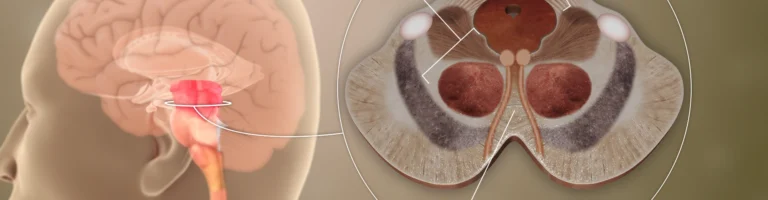

Arterial hypertension remains the leading global cause of cardiovascular disease and premature mortality, affecting over 1.2 billion people worldwide. Alarmingly, in roughly 20 to 30 percent of patients, conventional pharmacotherapy—including ACE inhibitors, angiotensin receptor blockers, and diuretics—fails to achieve blood pressure control, resulting in treatment-resistant hypertension. A landmark discovery by neuroscientists at the University of Bristol and Karolinska Institutet has identified a critical neurological driver of the disease: hyperactive neurons within the brainstem’s lateral parafacial nucleus (pFL) trigger sustained neurogenic hypertension by disrupting respiratory-sympathetic coupling.
The Brainstem-Blood Pressure Axis: A Neurogenic Paradigm Shift
For decades, clinical guidelines treated essential hypertension primarily as a vascular or renal disorder governed by peripheral arterial stiffness and renal sodium retention. However, mounting physiological evidence indicated that the central nervous system plays an active, driving role in hypertension through persistent sympathetic nervous system overactivation.
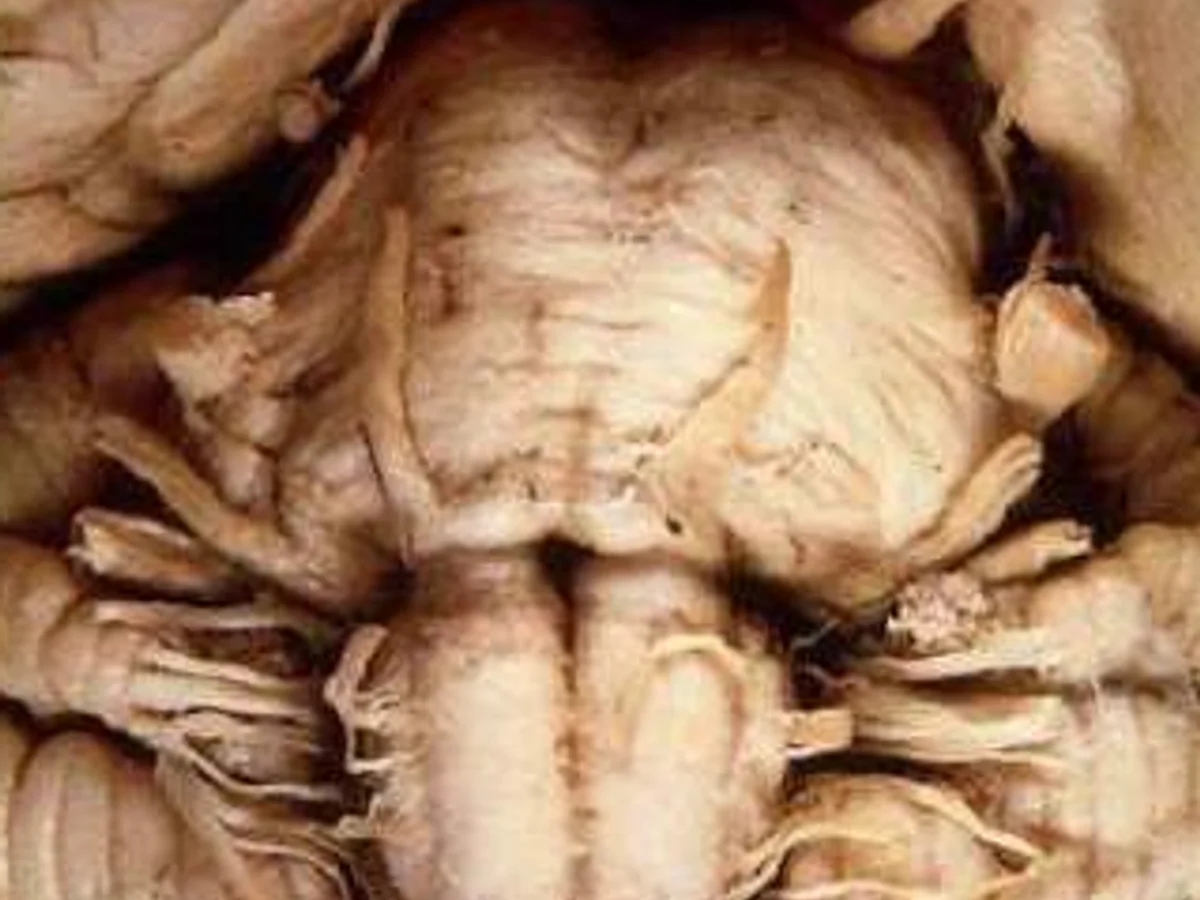
Within the medulla oblongata of the brainstem, dense neuronal networks integrate cardiac rhythm, vascular tone, and pulmonary respiration. Researchers demonstrated that a specialized subset of neurons in the lateral parafacial nucleus (pFL)—traditionally involved in generating active expiration during exercise—develops chronic pathological hyperexcitability during systemic stress and neurovascular compression.
- Respiratory-Sympathetic Coupling: Hyperexcitable pFL neurons establish dense synaptic projections to vasomotor centers in the medulla.
- Baroreflex Desensitization: Continuous excitatory output from pFL overrides physiological baroreceptor negative feedback loops.
- Targeted Blood Pressure Normalization: Optogenetic or chemogenetic inhibition of pFL neurons restores normotension without affecting resting respiration.
Respiratory-Sympathetic Coupling: The Vasomotor Trigger
How does a brainstem expiratory oscillator elevate systemic blood pressure? Under normal physiology, sympathetic tone modulates gently across the respiratory cycle. In hypertension, however, pFL neurons exhibit elevated glutamatergic signaling and intrinsic pacemaker hyperactivity.
These neurons send sustained excitatory projections to the rostral ventrolateral medulla (RVLM)—the brain’s primary vasomotor control center. Driven by aberrant pFL discharge, the RVLM fires intense sympathetic volleys to vascular smooth muscle and renal arteries, enforcing peripheral vasoconstriction and resetting the systemic baroreflex to an abnormally elevated set-point.
Experimental Proof: Optogenetic and Chemogenetic Silencing
To establish causality, an investigation led by Professor Julian Paton utilized viral-vector optogenetics and chemogenetics (DREADDs) in established preclinical models of severe resistant hypertension.
When the team selectively silenced the pFL neuronal cluster using targeted laser stimulation or designer receptor agonists, mean arterial pressure dropped dramatically and stably back to baseline physiological norms. Remarkably, basal tidal breathing, arterial oxygenation, and resting heart rates remained entirely unimpaired, demonstrating the remarkable specificity of the targeted circuit.
«We have identified a master brainstem circuit that sustains drug-resistant hypertension. Silencing the hyperactivity of the lateral parafacial nucleus resets the entire baroreflex and permanently normalizes blood pressure,»
Prof. Julian Paton, Professor of Translational Physiology
A discrete brainstem cluster whose pathological hyperexcitability drives sustained neurogenic hypertension.
Excessive synaptic discharge from pFL excites RVLM vasomotor hubs, driving chronic peripheral vasoconstriction.
Precision silencing of pFL restores normal blood pressure setpoints without disrupting basal tidal breathing.
Paves the way for non-invasive focused ultrasound and targeted neuromodulation devices for resistant hypertension.
Video Exploration: How Blood Pressure Actually Works
In this animated overview by TED-Ed, physician and educator Wilfred Manzano breaks down the cardiovascular mechanics governing blood pressure and vascular resistance:
Clinical Horizons: Bioelectronic Neuromodulation Over Multi-Drug Regimens
Uncovering the role of the lateral parafacial nucleus opens groundbreaking clinical opportunities for millions of patients unable to control blood pressure through pharmacotherapy. Bioelectronic medicine is advancing rapidly: modalities such as low-intensity focused ultrasound (FUS) and targeted carotid/vagal neuromodulation are being refined to dampen hyperactive brainstem networks non-invasively.
Additionally, molecular mapping of ion channels unique to pFL neurons provides pharmacological targets for next-generation centrally acting antihypertensive agents that bypass debilitating peripheral side effects. By positioning neuroscience at the core of cardiovascular medicine, this discovery promises effective relief for treatment-resistant hypertension.