

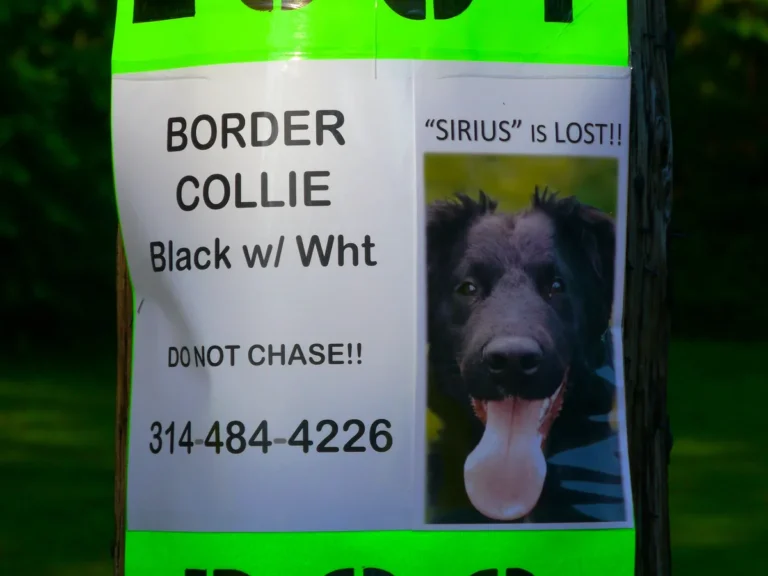

When a cherished dog or cat vanishes from home, heartbroken owners willingly sacrifice sleep, savings, and peace of mind to secure their companion’s safe return. This profound emotional vulnerability has now been aggressively targeted by transnational cybercriminals: a sophisticated missing pet scam harnessing generative artificial intelligence has surged across international borders, prompting urgent advisories from the FBI, the Federal Trade Commission (FTC), and municipal police departments worldwide.
The Anatomy of Digital Extortion: How AI Became a Tool for Psychological Coercion
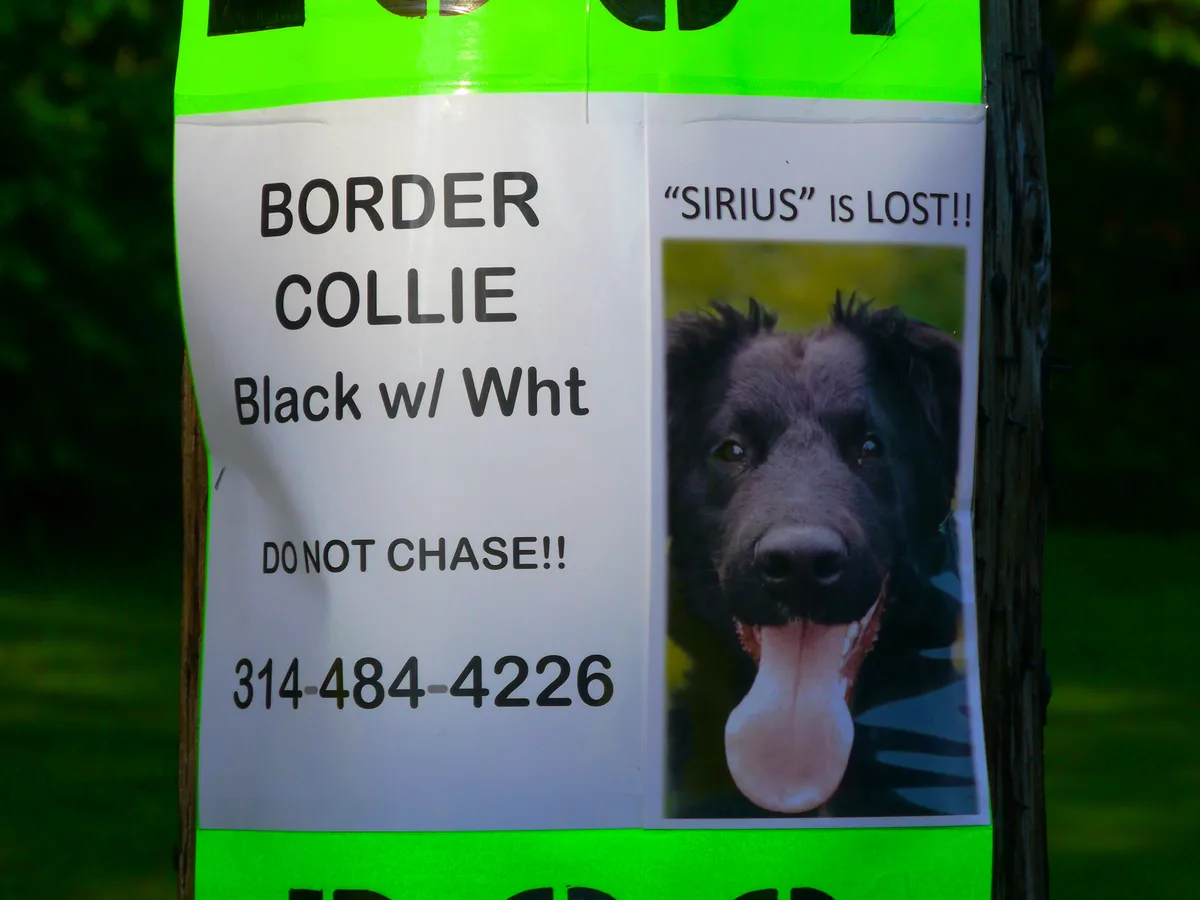
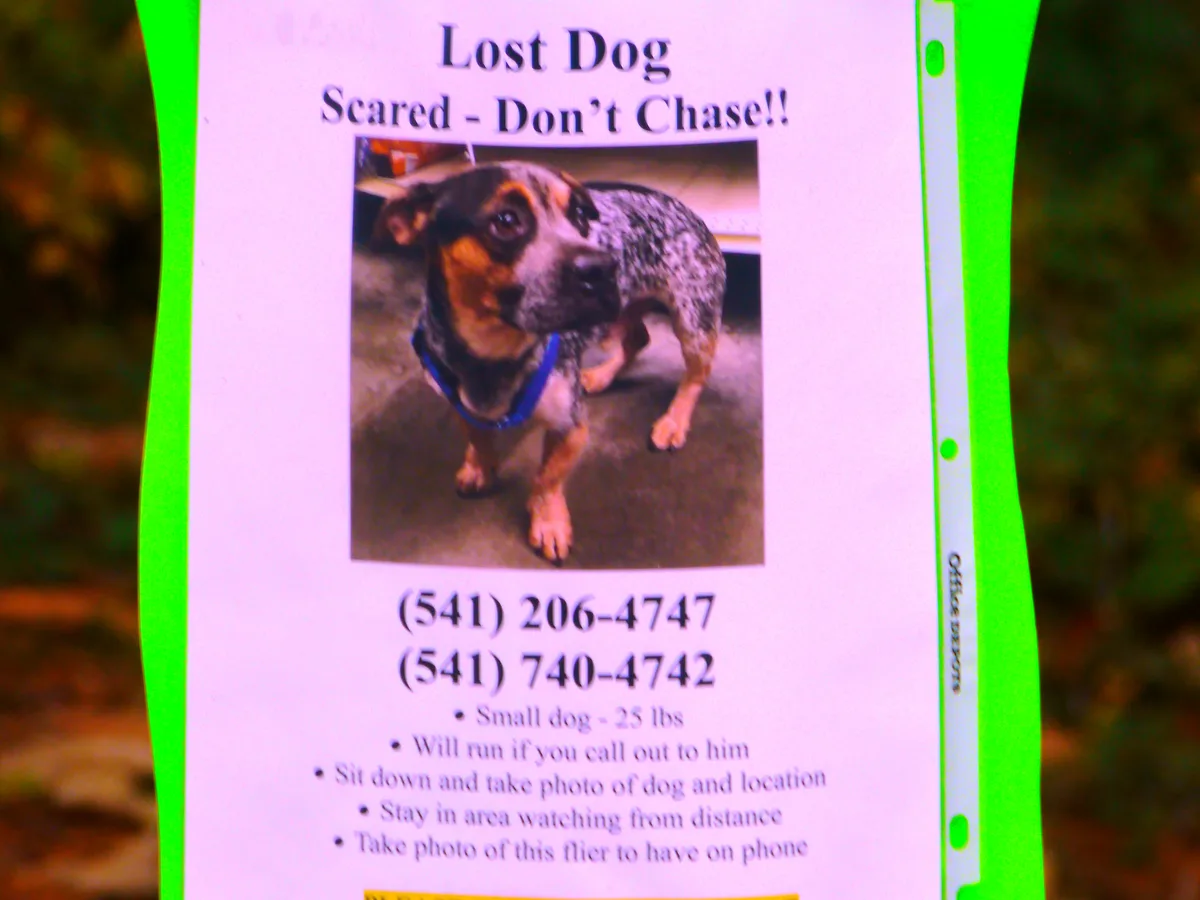
Losing a domestic animal triggers an acute psychological trauma comparable to bereavement. In the immediate aftermath of a disappearance, distraught guardians saturate community bulletin boards and social platforms with detailed physical descriptions, high-resolution photographs, and substantial cash rewards. While traditional lost-pet scams relied upon vague telephone bluffs, the democratized proliferation of generative artificial intelligence has armed fraudsters with devastatingly convincing visual weaponry.
By feeding scraped photographs into modern multimodal diffusion systems (such as Midjourney, Stable Diffusion, and Flux), criminals generate contextual modifications of the exact lost animal. The AI meticulously replicates the unique coat patterns, facial markings, and eye colors of the missing dog or cat, while placing it into alarming predicaments: locked inside a rusted cage, shivering in a rain-soaked alley, or sedated on an emergency surgical gurney with veterinary bandages wrapped around its paws.
When delivered via direct messaging, these images induce instant cognitive overwhelm. The victim’s analytical skepticism is paralyzed by panic: the photograph displays their unmistakable pet visibly injured or endangered. Fraudsters exploit this synthetic urgency ruthlessly, attaching high-stress ultimatums: “We found your dog hit by a car. Send $400 immediately via Zelle for emergency blood transfusions, or the vet will discontinue life support.”
The Psychological Trap: Exploiting Emotional Crises and Urgency
The success of this extortion scheme relies heavily on cognitive biases that dominate during acute crisis. Under intense emotional distress, the brain shifts into sympathetic nervous system dominance, triggering “fight-or-flight” reflexes that suppress the logical processing of the prefrontal cortex. The deeply ingrained human protective instinct prioritizes saving a vulnerable family member over scrutinizing digital anomalies.
This dynamic directly parallels the cognitive vulnerabilities under acute emotional crisis, where disoriented individuals readily comply with urgent external directives. Criminals engineer deliberate time pressure: contacting victims in the dead of night, simulating background medical alarms, and claiming that medical intervention hinges on instant payment.
Victims rush to send funds through peer-to-peer applications like Zelle, Cash App, Venmo, or unrecoverable cryptocurrency addresses. The moment the transfer is confirmed, the perpetrators either vanish into the digital ether or escalate the extortion, claiming unforeseen surgical complications require an additional transfer.
«Criminals are no longer calling blindly to demand ransoms. They are synthesizing hyper-realistic photographs of the victim’s actual pet trapped behind shelter bars or lying bandaged on a veterinary surgical table, breaking the owner’s psychological resolve with traumatic visual deception.»
Lieutenant Marcus Vance, Cybercrime Division at the Austin Police Department
A Transnational Crime Wave: Expanding Across the US, UK, and Europe
Initially observed as isolated incidents in Texas and New York in 2024, the AI missing pet racket has expanded into an industrialized, transnational criminal enterprise. Law enforcement agencies across North America and Europe have received thousands of complaints detailing losses totaling millions of dollars.
In the United Kingdom, Action Fraud issued nationwide consumer alerts as organized fraud syndicates systematically infiltrated lost-dog registries across Yorkshire, the Midlands, and Greater London. Many of these criminal networks operate from offshore call centers in Eastern Europe and Southeast Asia, rendering cross-border asset recovery and conventional arrests exceptionally difficult.
This criminal wave severely undermines community trust in grassroots initiatives dedicated to the welfare of vulnerable domestic and wild animals. Pet parents increasingly hesitate to publish public lost notices for fear of becoming extortion targets, drastically impairing the likelihood of genuine community recoveries.
Automated scraper bots continuously monitor missing pet groups on Facebook, Nextdoor, and PawBoost, harvesting photos, collar tags, and microchip numbers.
Using state-of-the-art diffusion models, scammers superimpose intravenous catheters, bloody gauze, or shelter cages onto real pet photos in minutes.
Posing as emergency veterinarians or finders, extortionists demand instant wire transfers via cryptocurrency, Zelle, Cash App, or digital gift cards.
Once funds clear, scammers immediately sever communications or escalate their demands, leaving owners devastated and empty-handed.
Forensic Image Analysis: Spotting Generative AI Inconsistencies in Seconds
Despite their rapid sophistication, generative image models continue to exhibit subtle digital and morphological flaws that observant pet owners can detect upon careful inspection.
The first telltale indicator lies in paw and claw anatomy. Neural networks frequently struggle with complex biomechanical digit junctions: paws in AI-synthesized images often display fused toes, extra dewclaws, or blurry, plasticized textures around paw pads. In many instances, the animal’s limb joints bend at impossible angles.
The second critical giveaway involves corneal light reflections and facial vibrissae (whiskers). In authentic photography, both eyes reflect coherent environmental illumination (such as a flashbulb or a window). Generative models frequently produce mismatched, asymmetrical reflections. Furthermore, whiskers on synthetic cats and dogs frequently terminate abruptly in mid-air or sprout from anatomically incorrect regions of the muzzle. Text on background clinic posters or engraved collar tags almost invariably degenerates into unreadable, mangled glyphs.
- The Hidden Identifier Rule: Never disclose one unique physical trait (a concealed belly spot, chipped tooth, or collar engraving) on public flyers—reserve it as a verification test.
- Demand Live Dynamic Video: Require callers to send a 5-second video holding a handwritten note displaying today’s exact date and time beside the animal.
- Verify Clinics Independently: If a caller claims your pet is in emergency surgery at a local animal hospital, hang up immediately and dial that facility’s publicly listed phone number.
- Zero Gift Cards: Any demand for upfront payment via Apple/Google Play gift cards, wire transfers, or crypto is an absolute confirmation of criminal fraud.
Law Enforcement Recommendations: How to Protect Yourself and Your Pet
Cybersecurity investigators and police departments advise a strict verification protocol for anyone navigating a lost-pet crisis. The golden rule is absolute: never transfer money, purchase gift cards, or provide bank credentials before physically holding your pet.
When a stranger claims to possess your animal, demand an immediate live dynamic verification test. Request a brief video or selfie where the finder holds a specific household object—such as a yellow coffee mug or a paper showing today’s date—next to the pet. Generative diffusion engines cannot fabricate an unscripted, coordinated real-time video featuring specific arbitrary objects on demand.
Report all fraudulent communications immediately to local law enforcement and national cyber incident portals (such as IC3.gov or Action Fraud). Practicing digital hygiene and maintaining composure are the most potent defenses against high-tech extortionists preying on human devotion.