

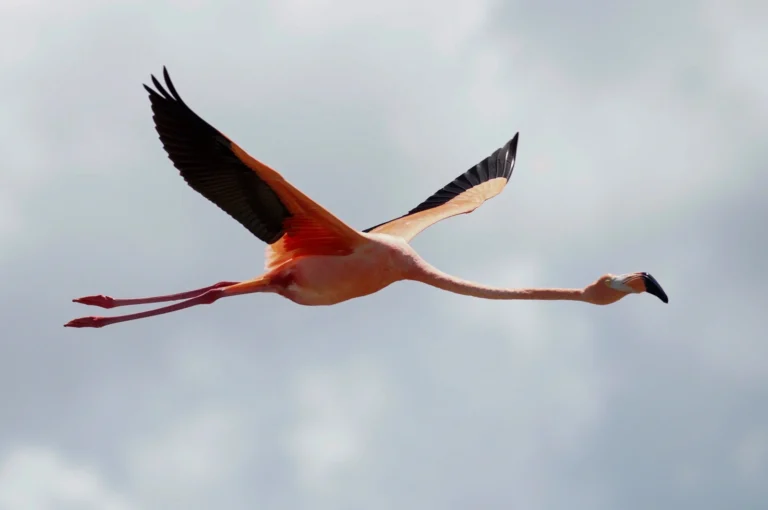

The global unveiling of Rockstar Games’ blockbuster Grand Theft Auto VI captivated not just millions of action gamers, but also a dedicated community of field ornithologists and passionate birders who discovered a remarkably accurate subtropical wetland ecosystem hidden within the sun-drenched landscapes of Leonida.
Virtual Florida: How the State of Leonida Became a Birder’s Paradise
When Rockstar Games unleashed the debut trailer for Grand Theft Auto VI, the broader gaming sphere zeroed in on photorealistic character skin shaders, dynamic global illumination, and the bustling neon density of Vice City. Yet an entirely different cohort assembled in front of high-resolution monitors: professional wildlife biologists, ecologists, and dedicated birders who immediately initiated frame-by-frame avian censuses.
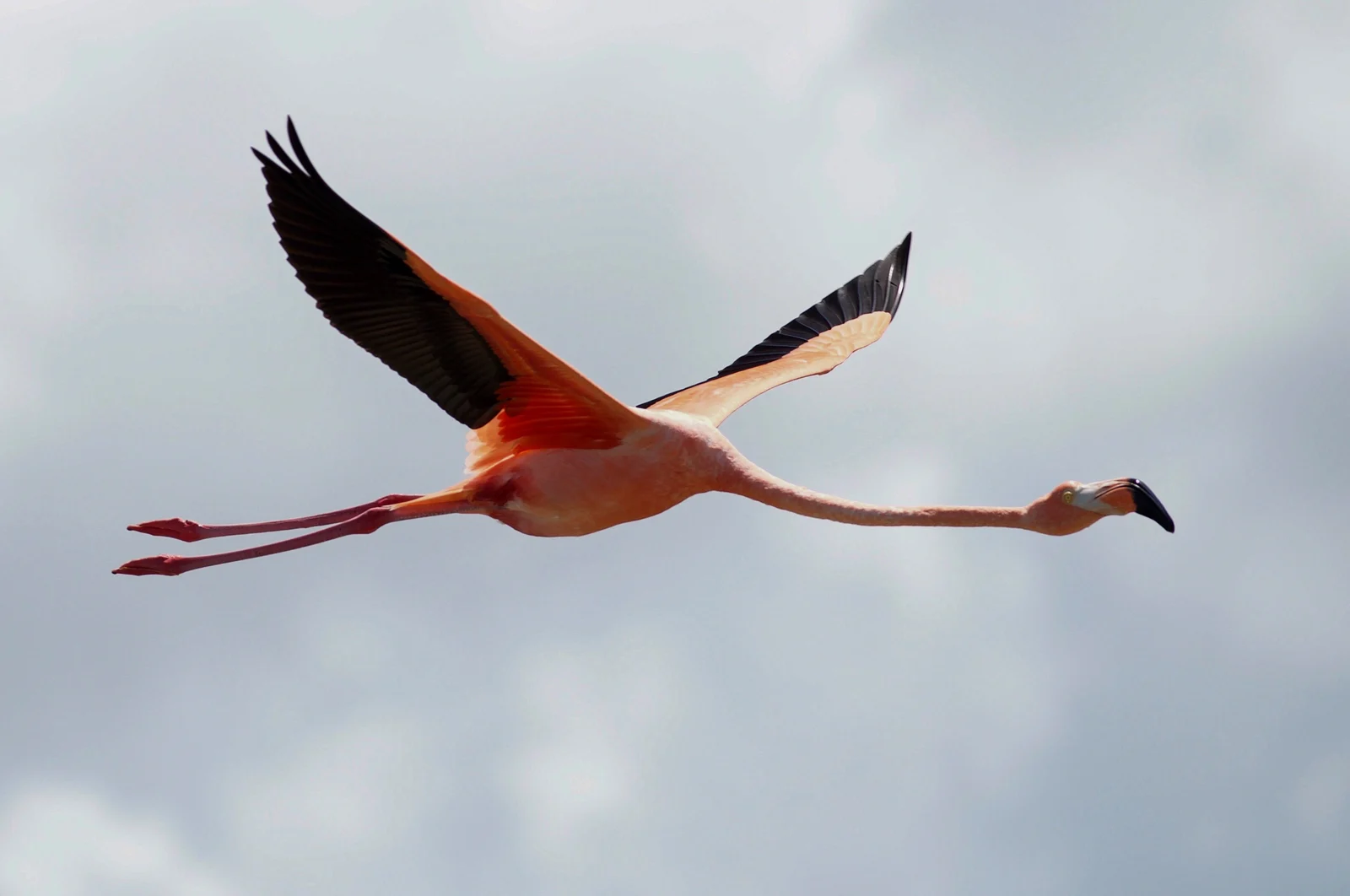
Rather than relying on generic, triangular gull silhouettes that have decorated open-world horizons for decades, the trailer unveiled a sophisticated, taxonomically segregated wetland biome. The fictional state of Leonida—an unapologetic digital mirror of Florida—teems with winding bayous, mangrove islands, and tidal mudflats, where every resident avian species exhibits distinct silhouette profiles, plumage morphology, and authentic flight kinematics.
Across ornithological subreddits and birding community networks like eBird, naturalists rapidly mobilized collaborative identification sheets. Researchers highlighted that Rockstar’s world architects paid extraordinary attention to the zoogeography of the southeastern United States, faithfully recreating the ecological backbone of the Everglades basin.
Anatomical Precision and Avian Flight Biomechanics in an Open World
The true revelation for naturalists was not merely the sheer presence of birds, but the unprecedented fidelity of their physical animation. In a standout panoramic vista spanning the wetlands, an airboat engine roar startles a flock into flight. Experienced birders instantly identified American White Ibises (Eudocimus albus) and Great Egrets (Ardea alba) by their diagnostic S-curved neck tucks—a physiological nuance almost universally overlooked in mainstream entertainment graphics.
Equally breathtaking was the rendering of Roseate Spoonbills (Platalea ajaja), one of Florida’s most charismatic coastal wetland indicators. The trailer accurately depicts their spatulate bill architecture, pink carotenoid-rich plumage gradients, and specialized tactile foraging behavior, showing birds sweeping their bills in gentle semicircular arcs through shallow brackish waters to capture crustaceans.
Rockstar has thoroughly decoupled modern game design from flat 2D sprite loops. In Leonida, each bird entity appears to interact with localized wind gusts, water surface wake, and approaching anthropogenic stressors, elevating nature observation into an emergent, rewarding gameplay layer. Explore our detailed analysis on how cryptochrome proteins grant birds a quantum magnetic navigation compass.
| Species Common Name | Taxonomic Order / Family | Diagnostic In-Game Features | Ecological Niche in Florida |
|---|---|---|---|
| Roseate Spoonbill (Platalea ajaja) | Pelecaniformes / Threskiornithidae | Carotenoid pink plumage, spatulate bill, tactile shallow sweeping | Brackish lagoons, coastal mangroves, crustacean filter-feeding |
| Great Egret (Ardea alba) | Pelecaniformes / Ardeidae | S-shaped neck retraction in flight, dagger yellow bill, stealth stalking | Freshwater marshes, drainage canals, apex ambush fish predator |
| Brown Pelican (Pelecanus occidentalis) | Pelecaniformes / Pelecanidae | Distensible gular pouch, plunge-diving mechanics, marina piling perching | Coastal littoral zones, Vice City harbor waters, tidal bays |
| Black Vulture (Coragyps atratus) | Accipitriformes / Cathartidae | White wingtip patches, short square tails, thermal highway circling | Roadside scavengers, suburban carrion cleanup, urban-fringe habitats |
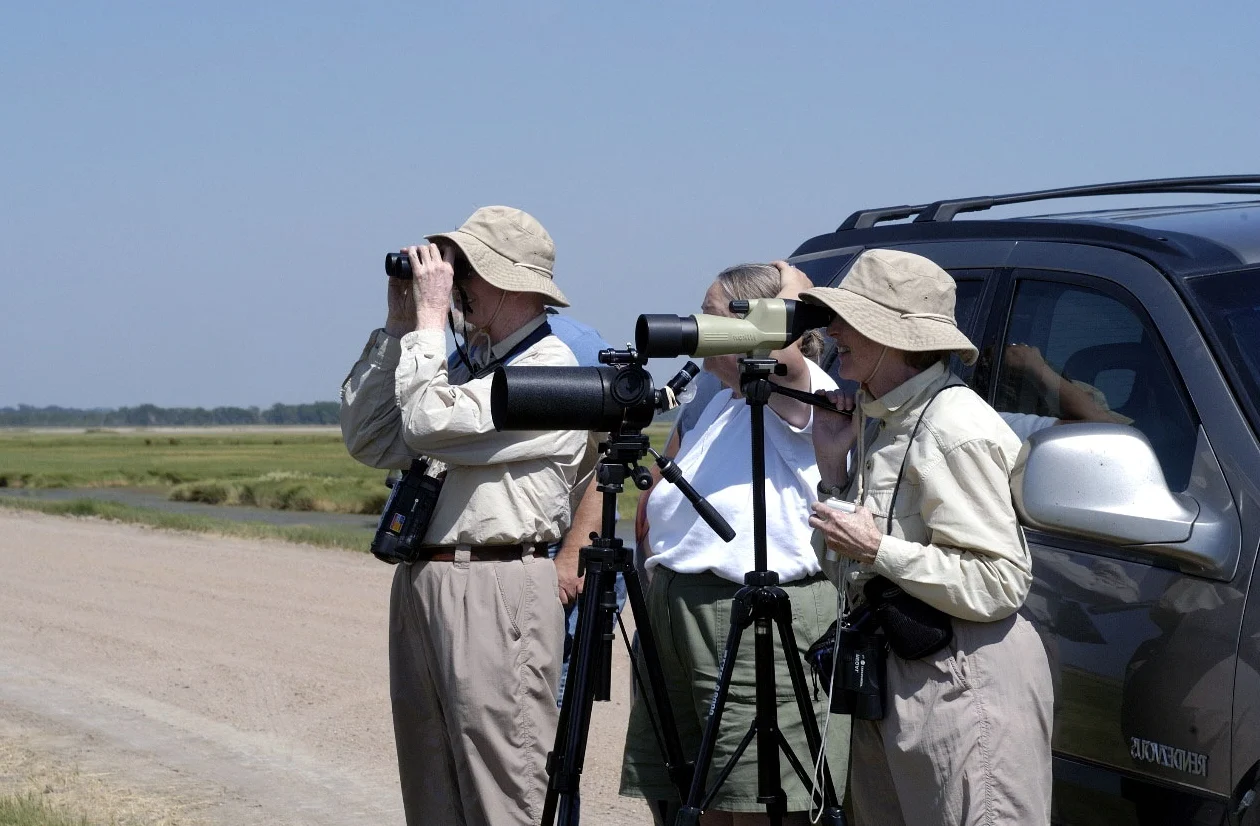
«When I first hit pause on the trailer, I expected the usual generic low-poly sky fillers. Instead, I saw a Roseate Spoonbill with an anatomically flawless spatulate bill and hydrodynamically authentic wingbeats sweeping across the mangrove fringe.»
Alex Torres, field ornithologist and founding member of the Virtual Birding Guild
The Evolution of Digital Naturalism: From Red Dead Redemption 2 to Vice City
Rockstar’s reverence for organic ecosystems is deeply rooted in the studio’s design lineage. Their 2018 western epic, Red Dead Redemption 2, established an industry benchmark by simulating over two hundred interactive fauna species complete with realistic predatory food webs, scavengers, and field binocular study mechanics. However, translating this systemic depth into a contemporary metropolitan sprawl creates vastly greater ecological complexity.
Modern South Florida represents an environment under intense anthropogenic duress, where indigenous fauna must continually adapt to multi-lane highway networks, urban runoff, and suburban encroachment. Eagle-eyed trailer analysts spotted not just wild birds in protected reserves, but opportunistic urban generalists: Brown Pelicans (Pelecanus occidentalis) roosting on marina dock pilings, and Black Vultures (Coragyps atratus) soaring on thermal updrafts above highway intersections.
For environmental educators, such an expansive digital landscape offers unexpected pedagogical power. Millions of younger players who might never visit the subtropical reserves of Florida will encounter these vulnerable endemic species interactively, fostering organic curiosity toward biodiversity conservation and real-world field observation.
The wetland wildlife of Leonida mirrors the precise hydrological zones of South Florida, avoiding out-of-place species and honoring regional zoogeography.
Avian takeoff, flapping, and thermal soaring animations respect atmospheric drag, localized headwinds, and species-specific wing-loading ratios.
Species exhibit true-to-life behavior: egrets stalk patiently in shallows, spoonbills sweep for crustacean prey, and vultures scavenge along highways.
By faithfully rendering subtropical biodiversity, the game inspires mainstream audiences to explore avian ecology, fueling virtual nature exploration.
Ecological Awareness: Threatened Wetlands Through the Lens of Interactive Art
The real-world Florida Everglades ranks among the most imperiled ecosystems on Earth, under constant pressure from historical drainage, agricultural nutrient pollution, and the spread of invasive apex predators like Burmese pythons. Simulating this fragile environment in the most lucrative entertainment property in human history inevitably focuses global attention on wetland conservation.
Conservationists emphasize that the visual fidelity of Leonida’s hydrological gradations—transitioning from coastal red mangroves to freshwater bald cypress domes—serves as a digital archive of a landscape increasingly threatened by sea-level rise and climatic volatility. If in-game fauna exhibit authentic diurnal feeding cycles and tidal responses, the game will transcend genre conventions to become an interactive simulation of living biomes.
Virtual birding societies are already drafting plans for community field guides, nature photography challenges, and digital species checklists upon release. Virtual birdwatching stands poised to become one of the most serene and profound avenues for exploring this colossal open world, affirming modern video games as sophisticated platforms for ecological modeling.
- Field ornithologists cataloged over 12 distinct avian species within just 90 seconds of promotional footage.
- Rockstar Games leveraged specialized ecological references to accurately model wading bird foraging mechanics.
- Diagnostic S-curved flight profiles in egrets confirmed unprecedented attention to biological realism.
- Virtual birdwatching communities are actively preparing interactive species field guides ahead of game release.