

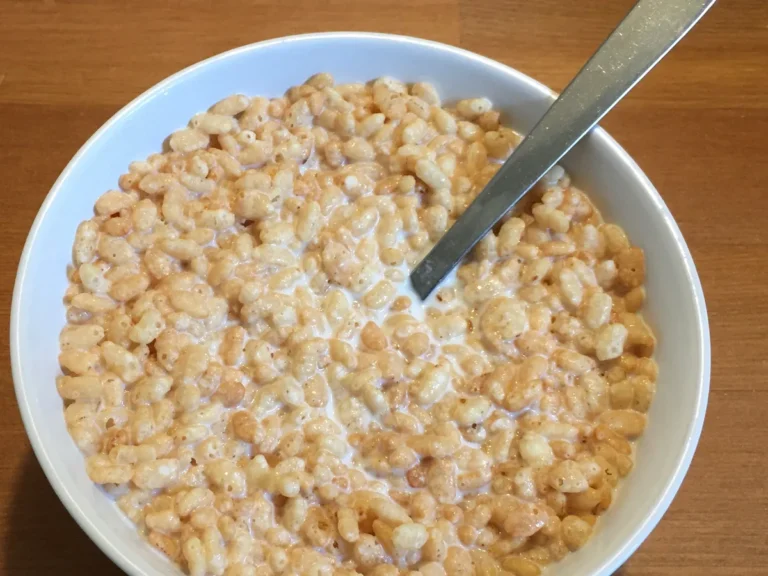

When the consequences of global climate change are debated on geopolitical stages, they are frequently framed as remote perils — melting glaciers, oceanic warming, or displaced island populations. Yet the escalating ecological crisis has officially breached supermarket shelves and children’s breakfast bowls. In the United Kingdom, food giant Kellogg’s was compelled to execute an unprecedented recipe overhaul: iconic Rice Krispies no longer using rice as whole grains now relies on heavily processed flour blends, sounding a severe alarm across the global agricultural and food security community.
The Recipe Overhaul: Why Kellogg’s Abandoned Traditional Whole Rice Grains
For nearly a century, classic Rice Krispies cereal followed an immaculate manufacturing method: premium whole grains of white rice were steam-cooked, dried, flattened, and puffed under intense bursts of hot air to yield the signature ‘Snap, Crackle and Pop’ texture. However, for consumers in the UK and Ireland, that unbroken legacy has come to an abrupt end.
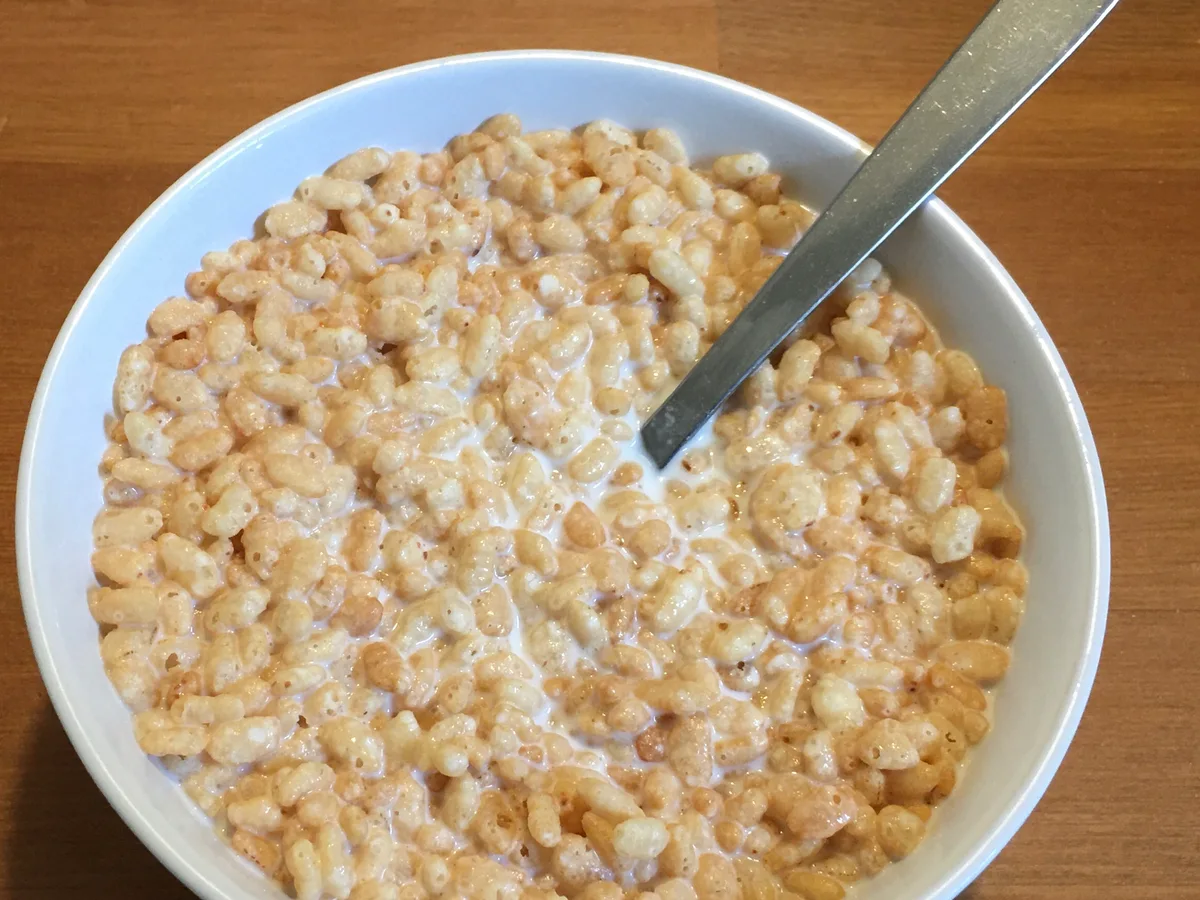
In the updated manufacturing formulation, whole rice grains have been eliminated and replaced by processed rice flour and structural binders, while chocolate Coco Pops now uses a hybrid composite of rice flour and corn flour. Kellogg’s explicitly cited extreme and erratic weather patterns across key European and Asian agricultural basins as the driving force behind the decline in grain quality and raw commodity availability.
This forced agricultural pivot produced serious consequences for allergy-conscious families. To prevent puffed flour pellets from disintegrating into mush upon contact with milk, wheat gluten was integrated into the recipe. A product that millions of coeliac sufferers and wheat-sensitive consumers relied upon for decades is no longer gluten-free, mirroring insights from climate modeling analyzing the long-term ecological risks of surpassing critical global temperature thresholds.
The industrial puffing process utilized in breakfast cereal manufacturing demands strict physicochemical specifications from raw milled rice. Grains must maintain an amylose-to-amylopectin ratio of 18% to 22% and uniform endosperm vitreousness. Severe thermal oscillations disrupt starch granule packing, causing grains to shatter rather than expand evenly under hot air roasting.
The addition of wheat gluten enabled food scientists to synthesize an elastic protein matrix capable of trapping steam bubbles during extrusion. However, for individuals managing coeliac disease or non-coeliac wheat sensitivity, this pragmatic reformulation transformed a historically trusted breakfast staple into an allergenic hazard.
The Agronomic Impact: How Heat, Drought, and Salinity Cripple Rice Yields
Rice (Oryza sativa) serves as an indispensable pillar of human survival, supplying upwards of 20% of all dietary calories consumed worldwide. Yet rice is exquisitely susceptible to elevated thermal baselines. During the critical anthesis flowering window, ambient temperatures surpassing 35 °C cause irreversible pollen desiccation, producing empty panicles devoid of grain.
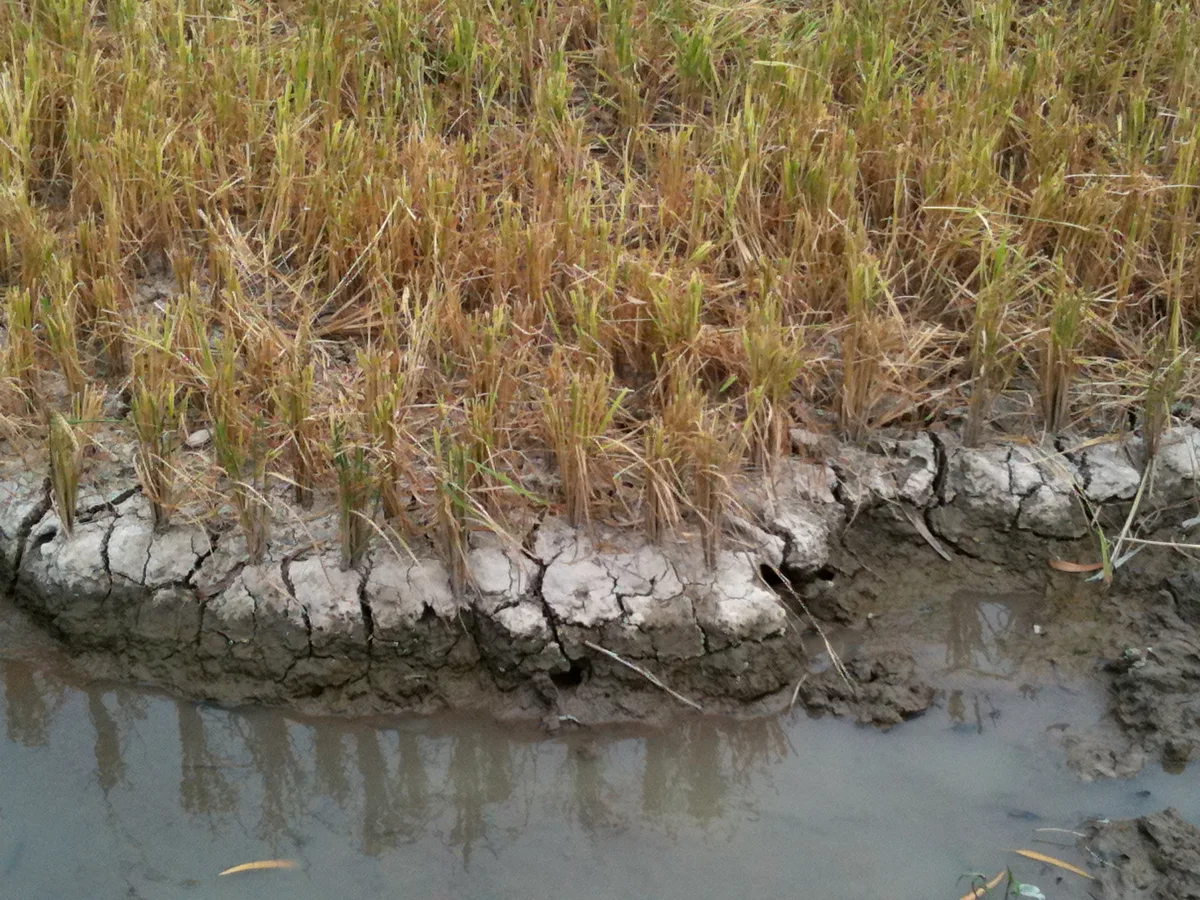
Compounding the heat challenge is acute hydrological stress. Flooded paddy cultivation consumes vast water volumes, requiring between 2,500 and 5,000 liters per kilogram of harvested grain. Severe multi-year droughts in Southern Europe — particularly Italy’s Po Valley and Spain’s Ebro Delta, the traditional bastions of European rice — exhausted vital irrigation reserves.
Simultaneously, rising sea levels across the Mekong, Ganges, and Brahmaputra deltas have driven saltwater deep into coastal freshwater aquifers. Heightened soil salinity induces osmotic shock in rice roots, stunting starch synthesis and rendering grains abnormally brittle, which prevents them from puffing intact.
At the biochemical level, sustained exposure to ambient temperatures exceeding 35 °C inactivates ribulose-1,5-bisphosphate carboxylase/oxygenase (Rubisco) and suppresses soluble starch synthase isoforms (SSIIa and GBSS). Consequently, rice crops divert metabolic energy toward photorespiration, forming chalky, brittle grains with fractured crystalline structures.
In primary European rice-growing zones like Italy’s Po Valley and Spain’s Ebro Delta, multi-year rainfall deficits depleted river runoff by more than 60%. Agricultural syndicates were forced to fallow thousands of irrigated paddy hectares as canal networks ran dry.
«The reformulation of a century-old global breakfast staple is an unmistakable sign of the times. Unprecedented heatwaves and persistent drought conditions are dismantling staple crop supply chains, forcing multinational manufacturers to compromise fundamental ingredient standards.»
Dr. Emily Blackwood (Emily Blackwood), agricultural economist and food security specialist
Major Journals Issue Urgent Call for Food Security Interventions
Leading scientific journals, including Nature Food and The Lancet Planetary Health, have issued urgent warnings regarding the cascading vulnerabilities of agricultural supply chains. Agronomists emphasize that the reformulation of domestic cereals is merely the initial symptom of widespread food insecurity.
Scientific consortia supported by the UK Biotechnology and Biological Sciences Research Council (BBSRC) and researchers at the University of Sheffield are urging governments to accelerate public funding for climate-resilient crop breeding. Key targets include genetically optimizing thermal-shock proteins and engineering root architectures to tap deep subsoil moisture.
Furthermore, agricultural specialists advocate for the widespread adoption of Direct Seeded Rice (DSR) and Alternate Wetting and Drying (AWD) water management. These methodologies conserve up to 40% of irrigation water while curtailing anaerobic methane emissions from flooded paddies, reflecting principles seen in physical investigations into surface fluid dynamics and natural interface phenomena.
Agronomists at the University of Leeds point out that the Rice Krispies crisis should accelerate crop diversification into underutilized, climate-resilient cereals such as sorghum, pearl millet, and teff, which leverage drought-tolerant C4 photosynthetic pathways.
Nevertheless, global industrial food processing infrastructure remains entrenched in a monolithic dependence on rice, wheat, and corn. Reconfiguring high-volume production facilities to accommodate novel grain flours demands substantial capital investment and supply chain realignments.
UK Rice Krispies substituted whole rice grains with flour blends due to climate-induced supply shortages.
Gluten was added as a binding agent, rendering the iconic cereal unsafe for coeliac and wheat-allergic consumers.
Temperatures exceeding 35 °C during flowering cause massive sterility in rice panicles, collapsing crop yields.
Global rice production faces up to a 25% decline by 2050 as global population demand surges by 20%.
Global Disparities: Western Cereal Shelves Versus Subsistence Caloric Crises
While developed economies encounter altered breakfast textures, rising grocery bills, and new allergen warnings, developing nations face existential caloric deficits. In many parts of the Global South, rice is not a morning luxury but a fundamental necessity.
Projections from the International Rice Research Institute (IRRI) indicate that global rice yields could diminish by 15% to 25% by 2050 if greenhouse gas emissions continue unmitigated, precisely as planetary population growth demands a 20% surge in cereal production.
This emerging production gap threatens to plunge vulnerable agricultural communities in Bangladesh, India, and Indonesia into poverty and nutritional deficiency, where substituting whole grains with processed alternatives is economically impossible.
- Severe droughts in Spain and Italy depleted key European rice irrigation waterways in the Po and Ebro valleys.
- Coastal saltwater intrusion across Asian deltas impairs starch biosynthesis, making whole grains too fragile to puff.
- Alternate Wetting and Drying (AWD) cultivation slashes irrigation usage by 40% and significantly curbs methane gas.
- CRISPR-Cas9 gene editing is deployed to optimize leaf stomatal aperture and safeguard photosynthesis during heat waves.
The Technological Horizon: Gene Editing and Future Agricultural Resilience
To preserve staple grain security, researchers are leveraging next-generation biotechnologies. Using CRISPR-Cas9 genome editing, scientists are reprogramming rice stomatal density to minimize transpiration during searing heat waves without compromising carbon assimilation.
Complementary developments in closed-loop vertical aeroponics and precision fermentation offer promising avenues to reduce reliance on vulnerable outdoor arable lands, although commercial scaling remains capital-intensive.
The reformulation of Rice Krispies provides definitive evidence that climate change is no longer an abstract planetary projection. It is actively reshaping supermarket shelves, demanding urgent, coordinated agricultural innovation to safeguard our global food future.